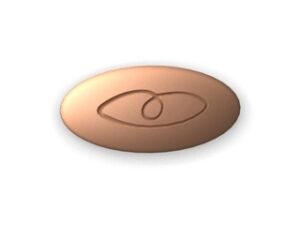
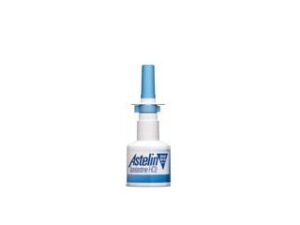
Astelin (Azelastine) Nasal Spray – Patient Guide (Australia)
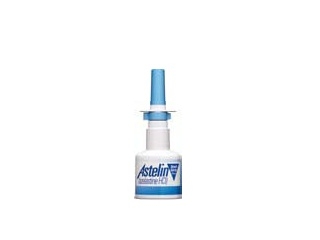
Astelin is a brand of azelastine, a medicine used to relieve symptoms of allergic rhinitis (hay fever) and other nasal allergy-related complaints. This guide explains what Astelin does, how it works, how to use it properly, typical dosing, expected timing, safety considerations, and practical tips. It also covers important interactions and Australia-specific market context.
Quick Summary
- Active ingredient: Azelastine (an antihistamine)
- Common form: Nasal spray (for intranasal use)
- What it helps: Sneezing, itching, runny nose, and congestion caused by allergies
- How it works: Blocks histamine receptors and reduces allergic inflammation
- When it starts working: Many people notice relief within minutes to a few hours
- Key tips: Use correct spray technique, avoid aiming at the nasal septum, and use consistently during allergy seasons
Basic Product Information
Astelin contains azelastine hydrochloride as the active ingredient. Azelastine is a topical (local) antihistamine administered through the nose. Because it acts directly in the nasal passages, it is often well-suited for people who need symptom control of rhinitis.
| Category | Details |
|---|---|
| Medicine name | Astelin (Azelastine) |
| Active ingredient | Azelastine hydrochloride |
| Route | Intranasal (nasal spray) |
| Therapeutic use | Allergic rhinitis symptom relief |
| Common symptoms targeted | Sneezing, itching, watery/runny nose, congestion |
| Typical regimen | Once or twice daily depending on age and severity |
How Astelin Works (Mechanism of Action)
Azelastine is an antihistamine. In allergic rhinitis, the immune system releases histamine and other inflammatory mediators in response to allergens (such as pollen, dust mites, or pet dander). Histamine contributes to symptoms including sneezing, itching, and runny nose.
Astelin helps by:
- Blocking histamine H1 receptors in the nasal tissues, which reduces allergic symptom signalling.
- Reducing inflammatory responses associated with allergy in the nasal mucosa.
- Helping decrease post-nasal drip and nasal secretions caused by allergy reactions.
Because it acts locally and quickly, many people find Astelin helpful for sudden or seasonal symptom flare-ups.
Pharmacokinetics (Absorption, Onset, and How the Body Handles It)
While Astelin is designed for local (nasal) effects, a small amount of azelastine may be absorbed systemically. The extent of absorption is generally limited compared with oral medicines.
- Onset of action: Symptom relief is often noticed within minutes, though the exact timing can vary between individuals and symptoms.
- Distribution: Absorbed azelastine can circulate and be metabolised by the body.
- Metabolism: Azelastine is metabolised, producing active and inactive metabolites.
- Elimination: The medicine and its metabolites are cleared primarily through normal body processes (including the liver and kidneys).
In practical terms, dosing schedules are designed to maintain relief while minimising side effects. If you have kidney or liver conditions, discuss suitability with a healthcare professional.
What Astelin Is Used For (Indications)
Astelin is commonly used for symptoms of allergic rhinitis, including:
- Seasonal allergic rhinitis (e.g., pollen-related symptoms)
- Perennial allergic rhinitis (e.g., dust mite or indoor allergens)
- Symptoms such as sneezing, itching, watery/runny nose, and nasal congestion
It may also be used to help manage symptoms associated with certain non-infectious nasal allergy patterns as advised by healthcare providers. If your symptoms include fever, thick green discharge, facial pain, or worsening condition, seek medical advice as this may indicate infection or another cause.
How and When to Use Astelin (Timing and Practical Technique)
When to take it
- Seasonal allergy: Start early during the allergy season if you know your symptoms begin at a certain time.
- Ongoing allergy: Use consistently as directed during high-exposure periods.
- Symptom flare-ups: For many people, relief can begin quickly after dosing.
Typical timing
Many regimens involve once or twice daily. If your symptoms are prominent at certain times (e.g., morning or night), follow the prescribed schedule so you’re covered during those periods.
Proper nasal spray technique
Correct technique improves effectiveness and reduces side effects like irritation or poor delivery. Follow these general steps:
- Gently blow your nose if needed.
- Shake the bottle if the product directions require it.
- Prime the pump before first use (and after long gaps), following the product instructions.
- Use the correct position: Keep your head upright. Insert the nozzle into one nostril, aiming slightly away from the middle nasal septum.
- Breathe in gently while spraying.
- Repeat for the other nostril if your dose requires it.
- Wipe the nozzle and keep the bottle clean.
Avoid spraying too forcefully or sniffing hard immediately after the dose; this may cause the medicine to run into the throat and increase the chance of taste-related side effects.
Dosing (General Information)
Dosing may vary based on age, symptom severity, and the specific product strength/formulation available. Use the instructions provided with your product and the dosing plan advised by your healthcare professional or pharmacist.
Common dosing patterns
- Adults and adolescents: Often start with a twice-daily regimen for better symptom control, though some people use once daily depending on response.
- Children: Dosing depends heavily on age. Only use age-appropriate formulations and dosing instructions.
If you miss a dose, take it when you remember unless it’s close to the next scheduled dose. Do not double doses.
If you have ongoing symptoms that are not well controlled after a reasonable trial, do not keep increasing on your own—seek advice. Sometimes adding or switching to another strategy (such as saline rinses or an intranasal corticosteroid) may be recommended.
Food Interactions
Because Astelin is used intranasally, food interactions are generally not a major concern. Still, practical factors can influence comfort and side effects:
- After spraying, some people notice a bitter taste if medicine drains toward the throat.
- Timing with meals can matter for comfort—if you experience taste disturbance, consider using the spray at a time that suits you (for example, not immediately before a meal).
In general, you do not need special dietary restrictions when using Astelin. However, always follow the instructions on your medication label.
Alcohol and Medicine Interactions
Alcohol
Astelin’s main effects are local; however, systemic absorption can occur. Some people may experience sleepiness, dizziness, or altered alertness. For that reason:
- It’s wise to avoid or limit alcohol, especially when you notice drowsiness after dosing.
- If you feel unwell or less alert after using Astelin, do not drive or operate machinery.
Other medicines
Always check with your pharmacist if you take other medicines, including:
- Sedating antihistamines (or other medicines that cause drowsiness)
- Sleep medicines or medicines for anxiety
- Opioid pain medicines or other CNS depressants
- Other nasal treatments (to ensure correct sequencing)
While no interaction should be assumed, combining multiple medicines that can affect the brain or balance may increase the chance of dizziness or fatigue in some individuals.
Maintain an up-to-date list of your medicines and allergies, and bring it when you consult a pharmacist or healthcare professional.
Safety Profile and Side Effects
Like all medicines, Astelin may cause side effects. Many people experience mild, temporary effects. Report severe or persistent symptoms promptly.
Common side effects
- Bitter taste or unpleasant taste (especially if medicine drains backward)
- Nasal irritation, dryness, burning sensation
- Headache
- Nosebleeds (sometimes mild)
Less common but important effects
- Drowsiness or dizziness (more likely in some people than others)
- Fatigue
- Allergic reactions such as rash, swelling, or breathing difficulty (seek urgent help)
When to seek urgent medical help
- Signs of serious allergy: swelling of the face/lips, wheezing, difficulty breathing
- Severe or rapidly worsening symptoms after use
Who should use extra caution?
- Pregnancy or breastfeeding: discuss suitability with a healthcare professional.
- Children: ensure age-appropriate dosing and product selection.
- History of nasal injury or frequent nosebleeds: consult if you are prone to irritation.
- People who experience dizziness: avoid alcohol and be cautious with driving.
Practical Use Tips for Better Results
- Use consistently during your allergy season if symptoms recur daily.
- Technique matters: Aim slightly outward (away from the septum) and use gentle inhalation while spraying.
- Manage taste: Try not to sniff hard; consider a sip of water afterward if the taste is bothersome.
- Saline compatibility: If you also use saline rinses, separate them from Astelin by a short interval as directed on your product guidance.
- Keep the nozzle clean: Wipe after each use. Avoid letting dust enter the nozzle.
- Don’t stop too early: If your symptoms are persistent, give it time to work before deciding it’s ineffective.
- Expect variability: Some people have faster relief than others, especially depending on symptom type (e.g., watery discharge vs blocked nose).
Alternative Options (What You May Consider Instead)
If Astelin does not provide enough relief, there are several other allergy management options available in Australia. The best choice depends on your dominant symptoms and medical history.
Common alternatives
- Intranasal corticosteroids (often best for nasal inflammation and congestion; may take a few days for full effect)
- Oral non-drowsy antihistamines (help sneezing/itching; may be less effective for some people’s congestion)
- Other intranasal antihistamines (different active ingredients and formulations)
- Saline nasal sprays or rinses (help clear allergens and improve comfort)
- Allergen avoidance strategies (e.g., dust mite control, keeping windows closed during high pollen days)
Ask a pharmacist which option fits your symptoms. Many people use a combination strategy (for example, an intranasal steroid with an antihistamine) under professional guidance.
Market and Legal Context in Australia (General Overview)
In Australia, availability and category (for example, prescription-only vs pharmacist-only vs general sale) can vary by active ingredient, formulation, and brand. For Astelin (azelastine), supply and classification depend on the specific product form and regulatory status at the time.
When shopping online, you may encounter:
- Local product equivalents or brands containing the same or similar active ingredient
- Differences in strength and dosing instructions by product
- Category restrictions that affect who can dispense and how the order is processed
Always verify the product you’re buying matches what you need (correct active ingredient, strength, and nasal formulation). If you are unsure, consult our pharmacy team for product guidance.
Recent Guidance and Allergy Care Principles
Clinical guidance for allergic rhinitis generally emphasises:
- Accurate diagnosis (allergies vs infection vs non-allergic rhinitis)
- Symptom-targeted treatment (antihistamines for itching/sneezing; intranasal steroids often best for congestion and inflammation)
- Stepwise approach: start with appropriate therapy and adjust if control is inadequate
- Correct administration of nasal sprays to maximise effect and reduce side effects
If your symptoms persist despite correct use, you may benefit from reassessment. Sometimes additional treatments or diagnostic refinement is needed.
Delivery and Availability
Online pharmacies in Australia typically offer delivery services to metro and regional areas, subject to local regulations and product category. Availability can vary depending on stock levels and the specific brand/formulation requested.
- Dispensing checks: Your order may be checked to ensure the right product and correct dosing information.
- Shipping times: Delivery time depends on dispatch location and courier service.
- Cold chain: Astelin nasal sprays are generally stored at room temperature; follow product label instructions for storage.
When ordering, confirm:
- Active ingredient and strength
- Formulation (nasal spray)
- Quantity/pack size
- Delivery address details
Storage and Handling
- Store at room temperature unless the label indicates otherwise.
- Keep the bottle upright when possible.
- Replace the cap and keep the nozzle clean to prevent blockage.
- Check the expiry date before use.
If the spray appears blocked or not delivering properly, refer to the product instructions for troubleshooting (such as priming or cleaning the nozzle).
FAQ – Frequently Asked Questions
1) How fast does Astelin work?
Many people experience symptom relief within minutes to a few hours after using Astelin. The timing varies by symptom (for example, sneezing/runny nose often respond quickly).
2) Will Astelin make me sleepy?
Some people report dizziness or drowsiness, though many do not. If you feel affected, avoid alcohol and driving until you know how it impacts you.
3) Can I use Astelin every day during allergy season?
Often, Astelin can be used regularly during allergy season as directed. If symptoms remain uncontrolled, consider discussing a step-up plan with a pharmacist or healthcare professional.
4) What if I get a bitter taste after spraying?
A bitter taste can happen if medicine runs backward into the throat. Tips include aiming slightly away from the septum, using gentle inhalation, and not sniffing hard. If bothersome, talk with your pharmacist for technique adjustments.
5) Can I use Astelin with saline nasal sprays or rinses?
Many people use saline for comfort and clearing allergens. Separate timing may help reduce dilution or mixing. Follow product directions and ask a pharmacist about the best sequence for your routine.
6) Is there any interaction with food?
Food interactions are generally minimal with intranasal azelastine. However, if you notice taste effects, consider timing your dose away from meals.
7) What should I do if I miss a dose?
Take it when you remember, unless it’s close to the next dose. Don’t double up.
8) When should I stop using Astelin and seek advice?
Seek medical advice urgently for signs of serious allergy (such as swelling or trouble breathing). If you develop persistent severe nosebleeds, worsening symptoms, or new concerning features, contact a healthcare professional.
9) Can Astelin be used for symptoms of a cold?
Astelin targets allergy-related inflammation and histamine effects. If you have cold symptoms such as fever or significant pain, the cause may be infectious or non-allergic. If unsure, get advice.
10) What are common alternatives if Astelin isn’t enough?
Alternatives include intranasal corticosteroids, oral or other intranasal antihistamines, saline rinses, and allergen avoidance measures. Your best option depends on your predominant symptoms.
Important Reminder
Astelin (azelastine) is intended to relieve nasal allergy symptoms when used correctly and consistently. If you have persistent or severe symptoms, frequent nosebleeds, or any concerns about suitability (including pregnancy, breastfeeding, or other medical conditions), seek advice from a qualified healthcare professional or pharmacist.