

Orapred (Prednisolone) – Patient Guide (Australia)
Orapred is a brand of prednisolone, a medicine from the corticosteroid (steroid) family. It is used to reduce inflammation and calm overactive immune responses in a range of conditions. This guide explains what Orapred is, how it works, what to expect, and important safety information for people in Australia.
Important: This information is general and not a substitute for advice from your healthcare professional. Always follow the instructions provided with your Orapred medicine and any advice from your treating clinician.
At a Glance
- Active ingredient: Prednisolone
- Medicine type: Corticosteroid (anti-inflammatory / immunosuppressant)
- Common forms: Oral tablets and oral liquid (brands may vary by product)
- Typical action: Reduces swelling, pain, and immune activity
- Common timing: Often once daily in the morning (individual plans vary)
Basic Product Information
Orapred contains prednisolone, a synthetic corticosteroid that helps control inflammatory and allergic conditions. Prednisolone is closely related to naturally occurring cortisol produced by the adrenal glands.
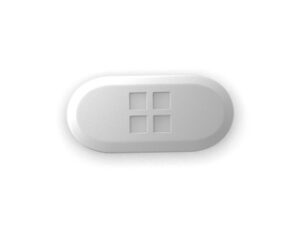
Depending on the exact Orapred product you have, the strength and formulation (tablet or oral liquid) may differ. Check the label for your exact strength and directions.
What strengths are available?
In Australia, availability can vary by supplier and formulation. Your pharmacist can confirm the exact strength and dosing form for your product.
How Orapred Works (Mechanism of Action)
Prednisolone works by influencing multiple pathways involved in inflammation and immune responses. It:
- Reduces inflammatory chemical mediators (such as prostaglandins and leukotrienes) that contribute to redness, swelling, and pain
- Suppresses immune cell activity, helping calm conditions driven by an overactive immune system
- Modifies gene expression in immune and inflammatory cells, leading to decreased inflammatory signalling
- Stabilises cell membranes and reduces tissue damage from inflammatory reactions
Because it affects immune function and inflammation broadly, Orapred is used for both allergic and autoimmune-related conditions—often to prevent flares and reduce symptoms quickly.
Pharmacokinetics (How the Body Handles Prednisolone)
Pharmacokinetics describes what happens to a medicine after you take it. While exact values can vary by person and formulation, prednisolone generally shows these characteristics:
- Absorption: Prednisolone is absorbed after oral administration and reaches peak blood levels within hours.
- Distribution: It distributes through body tissues and binds to plasma proteins (primarily corticosteroid-binding globulin and albumin).
- Metabolism: Prednisolone is metabolised mainly in the liver.
- Elimination: Metabolites are excreted primarily by the kidneys (through urine).
- Onset: Some people notice symptom improvement within hours to a couple of days, depending on the condition.
Your clinician may adjust dosing based on response, condition severity, and any risk factors.
Typical Use and Common Indications
Orapred is prescribed for a variety of inflammatory and immune-related conditions. Common examples include:
Inflammatory and immune conditions
- Allergic reactions that require steroid treatment (e.g., severe inflammation associated with allergies)
- Asthma exacerbations (typically short courses as part of an asthma action plan)
- Certain skin conditions where inflammation needs rapid control
- Autoimmune diseases (used to reduce immune-related inflammation)
- Inflammatory bowel conditions (as directed)
- Rheumatologic conditions (to manage flare-ups and control symptoms)
Haematologic uses
- Some blood disorders where inflammation and immune mechanisms are involved (use varies by diagnosis)
Not every condition requires the same dosing schedule. Always use the plan provided for your specific diagnosis.
How to Take Orapred (Timing, Dosing, and Administration)
Timing matters. Many people are advised to take Orapred in the morning. This can better match the body’s natural cortisol rhythm and may reduce some side effects, especially sleep disturbance.
Your exact dose and schedule should be based on your condition, severity, and treatment goal (e.g., short-term flare control vs longer-term management).
Typical dosing principles
- Follow your prescribed schedule. Do not change the dose on your own.
- Use once daily when possible. Morning dosing is common.
- For higher daily doses, clinicians may split doses or adjust timing depending on your situation.
- Do not stop suddenly if you’ve been taking it for more than a short period—tapering is often needed to reduce the risk of adrenal insufficiency.
Example dosing approach (for understanding only)
Below is a general framework. Exact dosing varies widely and must be individualised.
| Situation | Typical approach | What to watch for |
|---|---|---|
| Short-term flare (e.g., asthma or acute inflammation) | Often a limited course with a defined schedule | Symptom improvement; monitor for side effects like mood changes or stomach irritation |
| Ongoing inflammatory control | Lowest effective dose for the longest feasible time | Long-term risks (blood sugar, bone health, infection susceptibility) |
| Higher-dose or longer treatment | Taper plan may be needed to reduce adrenal suppression | Return of symptoms during taper; adrenal insufficiency symptoms if stopped abruptly |
If you miss a dose: Take it when you remember unless it is close to the time of the next dose. Do not double up. If you’re unsure, ask your pharmacist or prescriber.
Food and Orapred: Interactions with Meals
Food interactions are important for comfort and side effect prevention.
- Take with food or milk if it upsets your stomach. Prednisolone can cause gastric irritation in some people.
- Morning dosing with breakfast may reduce nausea and indigestion.
- Blood sugar effects: Steroids can raise blood glucose. If you have diabetes or pre-diabetes, you may need closer monitoring and dietary planning.
Some people experience increased appetite. Choosing balanced meals and managing portions can help reduce weight gain.
Alcohol and Medicine Interactions
Alcohol may increase the likelihood of stomach irritation and can worsen certain steroid side effects such as mood changes and sleep disturbance. If you drink alcohol, aim for moderation.
Key considerations
- Stomach protection: Both alcohol and prednisolone can irritate the stomach lining. Combining them may increase the risk of gastritis or indigestion.
- Bleeding risk: Steroids do not directly act like blood thinners, but combined with certain medications (e.g., some pain relievers) bleeding risk may rise.
- Diabetes risk: Alcohol can affect blood sugar levels. Prednisolone can also raise blood sugar—together this may complicate glucose control.
If you have liver disease, a history of stomach ulcers, or frequent alcohol use, discuss this with your healthcare professional.
Medicine Interactions (Including Common Examples)
Prednisolone can interact with several other medicines. Tell your pharmacist or doctor about all medicines you take, including over-the-counter products, herbal supplements, and vitamins.
Common interaction themes
- Reduced effectiveness or altered metabolism: Some drugs can change how prednisolone is broken down in the liver.
- Increased side effects: Prednisolone can magnify effects on blood sugar, blood pressure, or the stomach lining when combined with other medicines.
- Infection considerations: Immune suppression can increase vulnerability to infections, and interactions may further affect infection risk.
Examples of medicines that may interact
- NSAIDs (e.g., ibuprofen, naproxen) or aspirin: higher risk of stomach irritation/ulcer when used together, especially at higher steroid doses or in people with ulcer history.
- Warfarin (and other anticoagulants): steroid therapy can influence bleeding risk and INR control.
- Diabetes medicines (insulin, metformin, sulfonylureas): steroid may raise blood glucose, requiring monitoring or dose changes.
- Some anti-epileptic medicines and rifampicin: may change steroid metabolism.
- Some antifungals and antibiotics: may affect steroid metabolism.
- Live vaccines: immune suppression may affect vaccine suitability (discuss with your immunisation provider).
This is not a complete list. For safe use, confirm interactions for your specific medicines with a pharmacist.
Safety Profile: What to Expect and When to Seek Help
Like all medicines, Orapred can cause side effects. Risk depends on dose, duration, and your health status.
Common side effects
- Increased appetite and weight gain
- Indigestion, stomach discomfort, or heartburn
- Sleep disturbances (especially if taken later in the day)
- Mood changes (feeling irritable, anxious, or unusually energetic)
- Higher blood sugar (important for people with diabetes)
- Fluid retention and swelling in some people
- Headache
Less common but important risks
- Infection risk: immune suppression can make infections more likely or more severe.
- Bone thinning (osteoporosis) with long-term use
- Eye effects (e.g., cataracts or increased eye pressure) with prolonged therapy
- High blood pressure
- Muscle weakness or reduced strength
- Adrenal suppression (especially after longer courses or higher doses)
Seek urgent medical advice if you have
- Signs of a serious infection: high fever, severe sore throat, shortness of breath, or rapidly worsening symptoms
- Severe stomach pain, vomiting blood, or black/tarry stools
- Severe allergic reaction symptoms (e.g., swelling of face/lips, difficulty breathing)
- Severe mood or behavioural changes, confusion, or signs of psychosis
- Symptoms of adrenal insufficiency if tapering or stopping (e.g., severe weakness, dizziness, persistent nausea/vomiting)
Practical Use Tips for Patients
These practical tips can make treatment safer and more comfortable.
- Take at the same time each day. If once daily, morning is commonly preferred.
- Take with food if your stomach is sensitive.
- Use a medicine diary. Especially helpful during tapering schedules.
- Do not stop suddenly after a longer course. Ask about a taper plan.
- Monitor blood sugar if you have diabetes or pre-diabetes.
- Support bone health. Ask your clinician if you need vitamin D, calcium, exercise planning, or other bone-protective measures for longer use.
- Prevent infection exposure when possible. Practise good hand hygiene and avoid close contact with people who are unwell.
- Keep your medication list updated. Include Orapred when visiting other healthcare providers.
- Oral liquid handling: If your Orapred is liquid, measure doses carefully using the provided measuring device. Shake if the label instructs.
Alternative Options (Discuss with Your Clinician)
Depending on your condition, the treatment plan may include alternatives to Orapred. Options can include different steroid preparations or non-steroid therapies.
Possible alternatives (depending on condition)
- Other corticosteroids (different dose strengths or durations)
- Inhaled corticosteroids for asthma (often reduce systemic steroid exposure)
- Topical steroids for local skin inflammation
- Non-steroidal anti-inflammatory or immunomodulating therapies for some autoimmune conditions
- Biologic medicines in certain chronic immune diseases (specialist-led)
Your healthcare professional can explain which alternatives make sense for your specific diagnosis and risk profile.
Market and Legal Context for Australia
In Australia, medicines containing corticosteroids such as prednisolone are regulated under national medicines scheduling arrangements. Some corticosteroid products may be listed as Pharmacist Only Medicine (or restricted categories) depending on formulation and strength, while higher-strength or particular pack sizes may require additional restrictions.
Availability can vary between brands, formulations, and suppliers. Online pharmacies typically supply medicines in line with Australian regulatory requirements and may request appropriate information during checkout to ensure the product is suitable and supplied according to rules.
Always check your product label and the category status shown by the pharmacy at the time of purchase.
Recent Guidance and Monitoring Considerations
Clinical practice commonly emphasises the following with systemic corticosteroids like prednisolone:
- Use the lowest effective dose for the shortest duration needed to achieve control.
- Plan tapering when prolonged or high-dose therapy is used, to reduce adrenal suppression risk.
- Assess risk factors such as diabetes, hypertension, infection history, osteoporosis risk, and previous ulcer disease.
- Consider bone and metabolic monitoring for longer courses (e.g., weight, blood pressure, glucose, and sometimes bone health assessments).
- Review immunisation status and vaccine timing for people on immune-modifying doses.
Your doctor may also schedule follow-up to evaluate response and adjust the taper plan as needed.
Delivery and Availability (Online Pharmacy)
Orapred may be available through online pharmacies in Australia depending on the product form and stock. Delivery timing depends on your location and local courier schedules.
What to expect when ordering online
- Product confirmation: Your pharmacy will confirm the exact formulation and strength before dispatch.
- Carefully check the label: Verify you receive the correct strength and dosing instructions.
- Cold chain: Orapred typically does not require refrigeration unless a specific product label indicates otherwise.
- Packaging: Medicines are usually dispatched in tamper-evident packaging where applicable.
If you have questions about stock availability or estimated dispatch times, contact the pharmacy’s customer support.
Storage Instructions
Follow the storage directions on your product label. In general:
- Store at room temperature unless stated otherwise.
- Keep out of reach of children.
- Protect from excessive heat and moisture.
- Check expiry dates and do not use beyond the expiry date.
FAQ: Frequently Asked Questions
1) What is Orapred used for?
Orapred (prednisolone) is used to reduce inflammation and suppress overactive immune responses. It may be prescribed for conditions such as severe allergic reactions, asthma flare-ups, autoimmune diseases, and certain other inflammatory conditions. The exact use depends on diagnosis.
2) How quickly will I feel better?
Some people notice improvement within hours to a couple of days, but it depends on the condition being treated and your dose. If symptoms are not improving as expected, speak with your clinician rather than adjusting the dose yourself.
3) Should I take Orapred in the morning or at night?
Many people take it in the morning to better align with the body’s natural hormone cycle and to reduce the risk of insomnia. If your dosing instructions differ, follow those instructions.
4) Can I take Orapred with food?
Yes. Taking Orapred with food or milk can help reduce stomach irritation. If food is not required by your product label, “with food” is still often a practical approach for comfort.
5) What happens if I miss a dose?
Take it when you remember unless it is close to the time of the next dose. Do not double the dose. If you are unsure, ask your pharmacist.
6) Can I stop Orapred suddenly?
Do not stop suddenly if you have taken it for more than a short period or at moderate-to-high doses. Prednisolone can suppress the adrenal glands, and you may need a gradual taper plan. Always confirm tapering instructions with your clinician.
7) Are there long-term risks with prednisolone?
Yes, the risk increases with higher doses and longer treatment. Potential concerns include bone thinning, eye problems, muscle weakness, infection susceptibility, weight gain, blood sugar elevation, and adrenal suppression. Monitoring and preventive strategies may be recommended for longer courses.
8) Will Orapred make me gain weight?
Some people experience increased appetite and weight gain. Fluid retention can also contribute. Using the lowest effective dose, monitoring weight, and eating balanced meals can help.
9) Does Orapred increase blood sugar?
It can. People with diabetes may need closer blood glucose monitoring and possible adjustments to diabetes medicines. If you notice symptoms of high blood sugar (increased thirst, frequent urination, fatigue), contact your healthcare professional.
10) What infections should I be careful about?
Because prednisolone can reduce immune responses, you should take infections seriously. Seek medical advice promptly for signs of infection such as fever, worsening cough, painful urination, or persistent sore throat.
11) Can I drink alcohol while taking Orapred?
Moderation is advisable. Alcohol may worsen stomach irritation and contribute to sleep or mood changes. If you drink regularly or have a history of ulcers or liver disease, discuss safety with your clinician.
12) What should I tell my doctor or pharmacist?
Tell them about all your medicines (including non-prescription products and herbal remedies), allergies, past stomach ulcer history, diabetes, blood pressure issues, eye conditions, infection history, and any recent vaccinations.
Summary
Orapred (prednisolone) is a corticosteroid medicine used to treat inflammation and immune-related conditions. It can provide relief quickly for many people, but it also carries important safety considerations—especially with higher doses or longer use. Taking it at the right time, usually in the morning, using food to reduce stomach upset, and attending monitoring (such as blood sugar and long-term risk management) can help improve safety and outcomes.
If you have any concerns about side effects, missed doses, or whether you should taper or stop, speak with your pharmacist or healthcare professional before making changes.