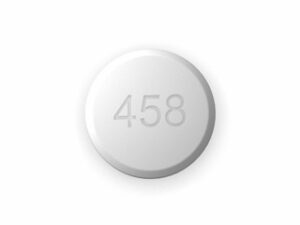
Atarax (Hydroxyzine) — Patient-Friendly Guide (Australia)
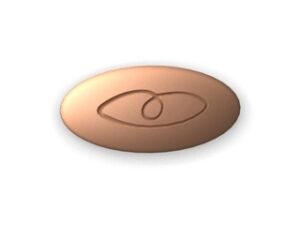
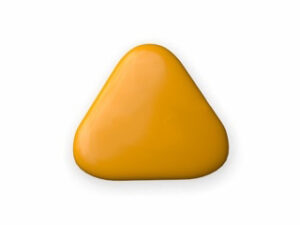
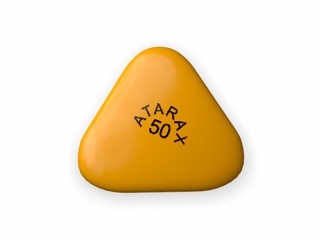
Atarax is a brand of hydroxyzine, an antihistamine medicine used to help relieve symptoms linked to allergies, anxiety, and certain other conditions. In Australia, hydroxyzine is available in tablet and other formulations depending on the product range. This page explains how Atarax works, what it’s used for, how to take it, and important safety information.
Note: Always follow the directions on your medicine label and any advice from your doctor or pharmacist. If you are unsure about your dose or timing, ask a healthcare professional or your pharmacist.
Basic product information
| Product | Active ingredient | Common use areas | Typical dosage forms |
|---|---|---|---|
| Atarax | Hydroxyzine | Allergy symptom relief; short-term anxiety/sedation when appropriate; itching (pruritus) associated with allergic reactions | Tablets and other formulations depending on availability |
Hydroxyzine class: First-generation antihistamine (H1 receptor antagonist) with additional effects that can help reduce anxiety and promote sedation.
How Atarax works (mechanism of action)
Hydroxyzine blocks histamine receptors (H1 receptors) in the body. Histamine is released during allergic reactions and is responsible for symptoms such as:
- Itching and hives (urticaria)
- Sneezing and runny nose
- Redness and swelling
Beyond antihistamine effects, hydroxyzine also influences certain pathways in the brain that can contribute to:
- Anxiolytic effects (reducing feelings of anxiety)
- Sedation (helping you feel calmer or sleepier)
- Antiemetic effects in some people (not the main indication for Atarax in all settings)
Because it is a first-generation antihistamine, it more commonly causes sleepiness than non-drowsy (“second-generation”) antihistamines.
Pharmacokinetics (how the body handles hydroxyzine)
While individual responses vary, the following general patterns are helpful for understanding onset and duration:
- Absorption: Hydroxyzine is absorbed after oral dosing. Peak effects are typically reached within a few hours (timing can vary with formulation and individual factors).
- Onset: Many people notice symptom relief within about 1–2 hours, especially for allergy-related itching or anxiety-related restlessness.
- Distribution: It distributes throughout the body, including the central nervous system (which contributes to drowsiness).
- Metabolism: Hydroxyzine is metabolised mainly in the liver.
- Elimination: Metabolites are excreted in urine. People with reduced liver or kidney function may require different dosing and closer monitoring.
If you’re using Atarax for a day-time symptom, be mindful that drowsiness may persist longer than expected—especially when starting treatment or increasing the dose.
What Atarax is used for (typical use and indications)
Hydroxyzine may be used to treat:
- Allergic symptoms such as itching associated with allergic reactions and skin conditions (e.g., urticaria)
- Short-term anxiety or tension where a calming effect is needed
- Pre-procedure sedation in some clinical circumstances (this depends on local practice and individual assessment)
Important: The exact approved or recommended uses can vary by product formulation and local clinical guidance. Your pharmacist can help you confirm what your specific Atarax product is intended for.
Timing: when to take Atarax
Timing depends on your reason for taking it and how it affects you personally.
- For itching/allergy symptoms: Often taken when symptoms flare, or as a scheduled dose if recommended.
- For anxiety or restlessness: Many people take it at the times anxiety commonly occurs (for example, evening or before stressful situations), but dosing should be guided by a healthcare professional.
- For sedation or sleepiness: It may be taken in the evening; however, you should avoid activities requiring alertness the next day if you feel drowsy.
Tip: On the first few doses, test how it affects you. Avoid driving or operating machinery until you know how you respond.
Food interactions
Hydroxyzine can generally be taken with or without food, but food may affect how quickly it’s absorbed. In practice:
- If it upsets your stomach, taking it with food may improve comfort.
- If you want faster relief, you may prefer taking it on an empty stomach—but this varies by person and formulation.
If you experience nausea or dizziness, discuss strategies with your pharmacist.
Alcohol interactions and medicine interactions
Alcohol
Do not drink alcohol when taking Atarax unless your clinician specifically advises otherwise. Alcohol can:
- Increase drowsiness and impair reaction time
- Increase the risk of dizziness and falls
- Worsen impairment related to sedation
Medicines that can increase drowsiness
Atarax can add to the sedating effects of other medicines. Use caution (and seek advice) if you take:
- Other antihistamines (especially sedating “first-generation” types)
- Sedatives and sleeping tablets
- Opioid pain medicines
- Some antidepressants or antipsychotics
- Anti-anxiety medicines (benzodiazepines)
Anticholinergic medicines
Hydroxyzine may have anticholinergic properties (drying, constipation, blurred vision in some people). Combining it with other anticholinergic medications may increase side effects such as:
- Dry mouth
- Constipation
- Urinary retention (difficulty passing urine)
- Blurred vision
QT prolongation and heart rhythm considerations
Hydroxyzine has the potential to affect heart rhythm in susceptible individuals. Risk may be higher when combined with other medicines that also prolong the QT interval or in people with existing heart rhythm problems.
Talk to a pharmacist or clinician if you take any of the following categories:
- Some antibiotics or antifungal medicines
- Some antiarrhythmics (heart rhythm medicines)
- Some antipsychotics
- Some antidepressants
- Other medicines known to increase QT prolongation risk
Safety tip: If you have a history of fainting, palpitations, or known heart rhythm issues, ask for specific advice before starting Atarax.
Dosing: typical adult guidance and general principles
Follow your label or healthcare advice. Doses vary based on age, indication, and your personal risk factors (including liver function and other medicines). The information below is general and may not match your exact product strength or plan.
Adults
- Allergy/itching: Often given in divided doses (for example, multiple times per day) depending on symptom control and product instructions.
- Anxiety/short-term calming: Often used at lower doses initially, with adjustments only under medical guidance.
Children and adolescents
Dosing in children should be determined carefully. Hydroxyzine use in paediatrics requires attention to age, weight, and risk factors, and dosing should be guided by a clinician or pharmacist.
Elderly (older adults)
- Older adults are more susceptible to confusion, dizziness, and falls due to sedation.
- Lower doses or longer intervals may be considered depending on the clinical situation.
Practical dosing tips
- Start at the recommended dose and avoid sudden extra doses to “catch up.”
- Keep doses evenly spaced if you are taking it more than once daily.
- If you miss a dose, take it when you remember unless it’s near the next dose—then skip and resume your schedule (do not double up).
Safety profile: side effects and who should take extra care
Like all medicines, Atarax can cause side effects. Many are mild and improve as your body adjusts, but some require medical attention.
Common side effects
- Drowsiness or fatigue
- Dizziness
- Dry mouth
- Blurred vision (in some people)
- Constipation or stomach discomfort
- Headache
Less common but important effects
- Urinary retention (difficulty passing urine), especially in people with prostate enlargement
- Confusion (more likely in older adults)
- Heart rhythm symptoms such as palpitations or fainting (rare, but important)
Seek urgent medical help if you experience
- Severe allergic reaction symptoms (swelling of face/lips, difficulty breathing, rash with swelling)
- Fainting, severe dizziness, or a fast/irregular heartbeat
- Severe agitation, hallucinations, or marked confusion
- Signs of overdose (extreme sleepiness, breathing problems, seizures)
Who should take extra care (important precautions)
- Driving and operating machinery: avoid until you know your response.
- Older adults: higher risk of sedation-related adverse effects.
- Liver impairment: may affect how hydroxyzine is processed.
- People with certain heart rhythm conditions or low potassium/magnesium levels.
- People with glaucoma or urinary retention risk (anticholinergic effects).
- Those taking other QT-prolonging or sedating medicines.
Practical use tips for getting the safest benefit
- Plan around sleepiness: take it at times that suit your day (often evening), and avoid early-morning driving if you feel groggy.
- Start low and be consistent: increasing dose without advice can raise side effects.
- Hydrate: dry mouth is common—sip water and consider sugar-free lozenges (unless you have restrictions).
- Protect against constipation: increase fibre and fluids if you’re prone to constipation.
- Avoid alcohol: it can significantly increase sedation and impairment.
- Check labels of “cold and allergy” products: some contain additional antihistamines—double-dosing is easy.
- Be cautious with other sedating supplements: some herbal products can also cause drowsiness.
Alternative options (depending on your needs)
The best alternative depends on whether you’re treating itching/allergies, anxiety, or sleep difficulty. Options may include:
- Non-sedating antihistamines for allergies (often used when drowsiness is an issue)
- Other antihistamines with different sedative profiles
- Non-medicine strategies for itching (cool compresses, moisturisers, trigger avoidance)
- Behavioural approaches for anxiety (breathing techniques, sleep routines), sometimes alongside therapy
- Prescription medicines may be considered for specific conditions under clinician guidance
Ask a pharmacist which alternative best matches your symptoms and lifestyle needs (for example, if you must drive or work on shifts).
Atarax in the Australian market: availability and legal context
In Australia, medicines are classified and regulated based on safety and appropriate use. Hydroxyzine products have specific legal scheduling and supply arrangements depending on the formulation and strength. Availability through pharmacies is guided by Australian regulatory and professional standards.
Online pharmacies typically provide supply in accordance with local requirements, including identity verification and appropriate customer screening processes.
Product availability: Atarax may be stocked as tablets or other formulations depending on supply. Availability can vary by pharmacy and region.
Recent guidance and safety considerations
Hydroxyzine has been the subject of ongoing safety review internationally, particularly concerning:
- Risk of QT prolongation and heart rhythm effects in susceptible people
- Increased sedation and impairment risk
- Appropriate dosing and careful use in children and older adults
In practice, pharmacists and clinicians aim to match hydroxyzine to the most appropriate patient profile and dose, and to avoid unnecessary long-term use where possible.
If you’ve been taking Atarax for a while, it’s reasonable to ask your pharmacist or doctor whether it’s still the best choice for your situation and whether any dose or monitoring adjustments are needed.
Delivery, ordering, and availability (online pharmacy)
Many online pharmacies in Australia offer delivery to eligible locations. Delivery times and costs can depend on:
- Your postcode and selected shipping option
- Stock availability of the specific Atarax strength/form
- Processing time for order verification
What to check before ordering:
- Correct product (Atarax / hydroxyzine) and strength
- Expiry date and storage conditions (follow packaging instructions)
- Delivery instructions if you require a safe place for parcels
If you need help selecting a product strength or understanding how it fits your symptoms, you can usually contact the pharmacy’s customer support or speak with a pharmacist.
FAQ: Atarax (Hydroxyzine)
1) Will Atarax make me sleepy?
Atarax commonly causes drowsiness. The degree varies by person and dose. Avoid driving, operating machinery, or tasks requiring alertness until you know how it affects you.
2) How quickly does Atarax work?
Many people notice effects within about 1–2 hours. For some, symptom relief may come sooner or later depending on the formulation, dose, and whether food is taken around the time of dose.
3) Can I take Atarax with food?
Often yes—Atarax can generally be taken with or without food. If you experience stomach upset, taking it with food may help.
4) Can I drink alcohol while using Atarax?
No—or at least only with specific advice. Alcohol can significantly worsen sedation, dizziness, and impairment risk.
5) What should I avoid while taking Atarax?
Avoid alcohol and be cautious with any medicines or supplements that cause sleepiness. Also avoid activities requiring full concentration until you know your response.
6) Is Atarax safe for children?
Hydroxyzine dosing in children needs careful consideration. A pharmacist or clinician can advise based on age, weight, and medical history.
7) What side effects are most common?
The most common include drowsiness, dizziness, dry mouth, and sometimes constipation or blurred vision.
8) I feel very drowsy—what should I do?
Do not drive. Contact a pharmacist for advice about dose timing or suitability, especially if drowsiness interferes with daily life. Do not take extra doses to “balance it.”
9) Can Atarax interact with my other medications?
Yes. It can interact with sedating medicines and may affect heart rhythm risk in certain combinations. Always tell your pharmacist about all medicines, including over-the-counter cold and allergy products and herbal supplements.
10) Is it okay to stop Atarax suddenly?
In many cases, hydroxyzine can be stopped without tapering. However, individual situations differ—especially if taken regularly for anxiety or sleep. If you have concerns, seek advice from a pharmacist or doctor.
Summary
Atarax (hydroxyzine) is a sedating first-generation antihistamine commonly used for allergy-related symptoms such as itching and for certain short-term calming needs where appropriate. It works by blocking histamine receptors and also has effects in the brain that can reduce anxiety and promote sleepiness. Because drowsiness is common, it’s important to avoid alcohol, be cautious with other sedating medicines, and plan your timing around work or driving needs.
If you’d like, share what you’re using Atarax for (allergies/itching, anxiety, or other) and any medicines you take, and I can help you understand common safety considerations and practical timing tips.