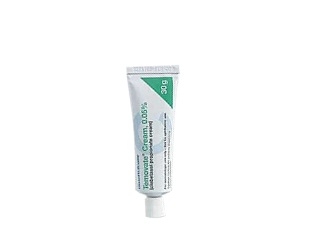
Clobetasol 0.05% Cream/Ointment (Australia) — Patient Information
Clobetasol 0.05% is a potent topical corticosteroid medicine used to reduce inflammation and relieve symptoms of certain skin conditions. It is commonly prescribed for short courses where stronger anti-inflammatory treatment is needed, and it should be used exactly as directed by your healthcare professional.
This guide is written to be patient-friendly and to help you understand how clobetasol works, how to use it safely, and what to expect. Always follow the instructions on your product label or the direction of your clinician.
Quick Overview
- Medicine: Clobetasol 0.05% (topical corticosteroid)
- Strength: 0.05%
- Form: Cream and/or ointment (availability may vary)
- How it works: Reduces inflammation, itching, and redness
- Usual course: Typically short-term and limited to affected areas
- Common uses: Inflammatory skin flare-ups that need strong treatment
- Key safety point: Avoid use on face, groin, armpits, and thin skin unless specifically instructed
Basic Product Information
Clobetasol belongs to the class of medicines known as corticosteroids. Corticosteroids are anti-inflammatory medicines that act in the skin to calm immune responses responsible for many skin conditions.
In Australia, clobetasol 0.05% products are available for the treatment of certain dermatological conditions, with the correct form and strength determined by the condition, location, and severity.
Note: “0.05%” describes the concentration in the product. Different formulations (cream vs ointment) may feel different on the skin (ointments are usually greasier and can be more suitable for very dry skin).
Mechanism of Action
Clobetasol works by influencing the body’s inflammatory pathways. When applied to the skin, it:
- Reduces immune-mediated inflammation in the skin
- Decreases the release of inflammatory chemicals
- Relieves symptoms such as itching (pruritus), redness, swelling, and burning
- Helps control overactive skin cell and immune responses seen in conditions like eczema/dermatitis
Because clobetasol is a very potent topical steroid, it can be effective quickly—but it also carries a higher risk of side effects if used incorrectly or for too long.
Pharmacokinetics (How the Body Handles It)
Pharmacokinetics describes what happens to a medicine in the body, including absorption, distribution, metabolism, and excretion.
- Absorption: Clobetasol is absorbed through the skin, but the amount absorbed can vary widely. Absorption tends to be higher when applied to:
- Large areas
- Broken skin or inflamed skin
- Skin folds (e.g., groin, armpits)
- Under occlusion (e.g., tight dressings, covering unless advised)
- On children compared with adults
- Systemic effects: In most correct short-term uses, systemic absorption is low. However, excessive use can increase the risk of adrenal suppression (the body’s natural steroid production may be temporarily reduced).
- Metabolism: Any absorbed corticosteroid is metabolised mainly in the liver.
- Elimination: Metabolites are removed primarily via the kidneys.
Practical takeaway: Use the smallest amount for the shortest time needed, exactly to the affected areas.
Typical Use (What It Is Used For)
Clobetasol 0.05% is intended for dermatological conditions where a strong topical corticosteroid is necessary, often for short periods to control active inflammation.
Common indications may include:
- Severe eczema or dermatitis flare-ups (for selected cases)
- Psoriasis (including plaque psoriasis in certain locations, under clinician guidance)
- Lichen planus (in selected situations)
- Inflammatory skin conditions that respond to potent topical steroids
Important: Clobetasol is not appropriate for all skin problems. It can make some infections worse.
Timing & How Quickly It May Work
Many people notice symptom improvement within the first few days. Full benefit may take longer depending on the condition and severity.
When using clobetasol:
- Apply at the time(s) directed by your healthcare professional.
- Do not use more often than recommended.
- If you do not see improvement within the expected timeframe, contact your clinician before continuing.
Tip: Using the correct frequency (often once or twice daily for a short period, depending on direction) is more important than using larger quantities.
Food Interactions
Food interactions are unlikely with clobetasol because it is a topical medicine and systemic absorption is generally low when used correctly.
However, if you have been advised to use clobetasol under special conditions or for a large area, follow your clinician’s advice regarding monitoring and safety.
Alcohol and Medicine Interactions
There are no well-established direct interactions between topical clobetasol and alcohol. Because systemic absorption is usually limited with appropriate use, the risk of interaction is generally low.
That said, be mindful of:
- Other corticosteroids: Using additional steroid medicines (oral, injectable, or other topical steroids) alongside clobetasol may increase overall steroid exposure.
- Immunosuppressive medicines: If you use medicines that affect immune function, discuss skin treatment plans with your healthcare provider.
- Skin infection treatments: If a steroid is used on or near an infection, it may mask symptoms or worsen the infection. Your clinician may recommend an antifungal or antibacterial medicine instead or alongside.
Practical advice: Tell your clinician and pharmacist about all medicines you use, including topical products.
Dosing (How Much and How Often)
Dosing for topical steroids depends on the condition, body location, thickness of skin, and severity. Clobetasol is powerful—so dosing should be conservative and limited to the shortest effective course.
Common instructions (general guidance)
- Apply a thin layer to the affected area only.
- Frequency is often once or twice daily for short periods, but follow your label or clinician instructions.
- Avoid spreading beyond the affected skin.
- Do not use longer than advised.
How to estimate the amount (the “finger tip unit”)
Many clinicians use a standard measurement called a fingertip unit (FTU) to guide how much ointment/cream to apply:
- An FTU is the amount of cream/ointment squeezed along the fingertip (from the tip to the first crease).
- Approximately 1 FTU covers an area roughly equivalent to two adult palm-sized areas (guidance varies by source and area size).
If you are unsure how much to use, ask your pharmacist for a simple explanation based on the area you need to treat.
Special situations
- Children: Use only under clinician guidance. Absorption may be higher, increasing risk.
- Facial skin or skin folds: Use only if specifically directed. These areas are more sensitive to steroid side effects.
- Large areas: Avoid unless directed by a clinician.
Always refer to your product label and clinician directions.
Indications vs. When to Avoid
Clobetasol is intended for specific inflammatory skin conditions. It may not be suitable if your skin problem is caused by infection or if you have certain skin conditions where steroids could worsen outcomes.
Do not use (or seek advice first) if the area:
- May be bacterial (e.g., weeping with yellow crusting, spreading infection)
- May be fungal (e.g., ring-like rash, persistent groin or foot rash)
- May be viral (e.g., cold sores or suspected herpes/varicella)
- Has untreated infection or unusual symptoms without diagnosis
Your pharmacist or clinician can help determine whether a topical steroid is appropriate based on symptoms and appearance.
Safety Profile (What to Watch For)
Like all corticosteroids, clobetasol can cause side effects—especially when used too much, too often, or for too long. Most issues are local to the skin, but excessive use can cause systemic effects.
Common local side effects
- Skin irritation or burning sensation
- Redness or worsening rash early on
- Dryness or scaling
- Folliculitis (inflammation of hair follicles)
Potential skin changes (more likely with prolonged or high-quantity use)
- Skin thinning (atrophy)
- Visible blood vessels (telangiectasia)
- Stretch marks (striae)
- Perioral dermatitis or acne-like eruptions (especially face)
- Changes in pigmentation
- Increased risk of infections at the treated site
- Rebound flare when stopping after extended use
Systemic side effects (rare with correct use, but risk increases with misuse)
- Adrenal suppression (body’s natural steroid production may be reduced)
- Effects more likely in children, on large areas, with occlusion, or prolonged use
Seek urgent medical advice if
- You experience signs of infection (rapidly spreading redness, severe pain, fever, pus)
- Your rash significantly worsens after starting
- You develop severe irritation or widespread reaction
- You suspect steroid overuse or you have been advised to use it longer than recommended
Practical Use Tips (How to Apply Safely)
Good application habits can reduce side effects and improve effectiveness.
Step-by-step routine
- Wash and dry the affected skin gently.
- Apply a thin layer of clobetasol to the affected area only.
- Wash your hands after application unless your hands are the treatment site.
- Avoid occlusive covering (tight bandages/plastic) unless instructed—occlusion can increase absorption.
- Use as directed and stop when symptoms improve, unless advised otherwise.
Moisturiser and emollient timing
Emollients help protect the skin barrier and may reduce the need for steroid use. Consider:
- Apply emollients regularly as advised.
- Apply clobetasol first, then wait about 15–30 minutes before applying moisturiser (unless your clinician suggests a different timing).
Do not “double up” unknowingly
Check your other skin products. Using another steroid-containing cream at the same time can increase steroid exposure.
Alternative Options
Depending on your diagnosis, alternatives may include:
- Lower-potency topical corticosteroids for milder disease or for maintenance
- Topical calcineurin inhibitors (for some sensitive areas like face/folds under clinician guidance)
- Topical antifungals if the cause is fungal (and a steroid alone may worsen fungal infection)
- Oral treatments or phototherapy for severe or widespread disease (specialist-led)
- Supportive skin care (emollients, gentle cleansers, trigger avoidance)
Ask your pharmacist or dermatologist about the most appropriate long-term plan, especially if you need treatment repeatedly.
Market & Legal Context in Australia
In Australia, topical corticosteroids are regulated medicines. Availability, brand packaging, and specific product labelling can differ.
Because clobetasol is high potency, it is typically subject to pharmacy supply controls and professional guidance to promote safe use, especially for:
- Children
- High-risk skin areas (face, eyelids, groin)
- Longer courses or larger body surface area treatment
Your pharmacist can help ensure the right product is chosen and can advise on correct application and safety monitoring.
Recent Guidance (Practical Considerations)
While specific recommendations can vary by clinical guidelines and condition, common up-to-date themes in dermatology care include:
- Use the lowest potency that controls symptoms.
- Short courses for potent steroids to reduce risk.
- Review regularly if symptoms persist or relapse.
- Be alert to infection and masking of infection by steroids.
- Prefer skin-barrier support (emollients) to reduce reliance on steroids.
If you have frequent flare-ups, consider discussing a maintenance strategy rather than repeated cycles of very potent steroid use.
Delivery and Availability (Online Pharmacy in Australia)
Clobetasol 0.05% products may be available from Australian online pharmacies in cream and/or ointment form, depending on stock and product listing. Delivery timelines depend on your location and the pharmacy’s dispatch schedule.
- Availability: Subject to brand/form availability and pharmacy stock levels.
- Delivery: Commonly includes standard and express delivery options (varies by provider).
- Packaging: Kept secure to protect the product from heat and contamination.
- Product check: Confirm the strength (0.05%) and formulation (cream vs ointment) match your needs.
Storage: Store at room temperature, keep the container tightly closed, and protect from excessive heat and sunlight. Check your product’s label for specific instructions.
Overdose & Missed Dose (What to Do)
If you use more than you should
- Remove excess by gently washing with mild soap and water.
- Do not apply extra product to “make up” for stopping.
- Contact your pharmacist or healthcare professional for advice, especially if the overuse was for a larger area or over several days.
If you miss a dose
- Apply it when you remember if it is close to the next dose time.
- If it is nearly time for the next dose, skip the missed dose and continue as normal.
- Do not apply a double amount.
Frequently Asked Questions (FAQ)
1) What is clobetasol 0.05% used for?
It is used to treat inflammatory skin conditions that need a very potent topical steroid, such as severe eczema/dermatitis flare-ups and other selected inflammatory disorders. The exact indication depends on diagnosis and the body area involved.
2) How long can I use clobetasol?
Use it for the shortest time needed to control symptoms, as directed. Do not extend use without medical advice. If symptoms keep returning, ask about a longer-term management plan.
3) Can I use it on my face?
Because clobetasol can cause side effects more easily in sensitive areas, use on the face should be only if specifically instructed by your clinician.
4) Can I cover the area with a bandage?
Do not occlude the treated area unless your healthcare provider has instructed you to. Occlusion can increase absorption and the risk of side effects.
5) Is clobetasol safe for children?
Clobetasol may be used in children only under clinician guidance. Children can absorb more through the skin, increasing the risk of systemic effects.
6) Why does my skin get worse after I start?
Sometimes the rash may initially irritate. However, if you notice rapid worsening, spreading redness, pain, pus, or fever, stop and seek advice. Steroids can mask or worsen infections.
7) What should I do if I’m using an emollient too?
Apply clobetasol first, then apply moisturiser after a short wait (often 15–30 minutes) or as advised. Continue regular emollient use for skin barrier support.
8) Are there any food or alcohol interactions?
Direct food interactions are not expected for a topical medicine. No well-established direct alcohol interaction exists, but discuss any other medicines and your general health with your pharmacist.
9) Can I stop suddenly once symptoms improve?
Often symptoms improve during short courses and treatment stops. If you have used it for longer periods, ask your clinician about the best way to stop to reduce rebound.
10) What alternative treatments might help?
Depending on the condition, alternatives may include lower-strength steroids, non-steroid anti-inflammatory creams, antifungal treatments if infection is present, and supportive emollients. Your clinician can tailor the plan to your diagnosis.
Summary
Clobetasol 0.05% is a powerful topical corticosteroid used to treat selected inflammatory skin conditions. It works by reducing inflammation in the skin and helping relieve symptoms such as itch, redness, and swelling. Because it is very potent, safe use depends on applying a thin layer to affected areas only, using the correct frequency, and limiting the duration to minimise side effects.
If you have questions about the right amount, how to apply it to a specific body area, or what to do if your symptoms are not improving, speak with your pharmacist or healthcare professional.
| Topic | Patient-Friendly Notes |
|---|---|
| What it is | Topical corticosteroid, strength 0.05% (cream/ointment) |
| How it works | Reduces skin inflammation and immune activity |
| How to use | Thin layer to affected skin only; wash hands after unless treating hands |
| When to use | Follow label/clinician instructions; typically short courses for flare control |
| Food interactions | Unlikely due to topical use |
| Alcohol interactions | No well-established direct interactions |
| Main risks | Skin thinning, irritation, infection worsening; systemic effects with overuse |
| When to seek help | If rash worsens rapidly, signs of infection appear, or you used more than directed |