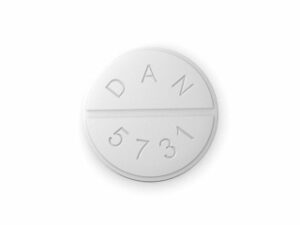


Azathioprine (Azathioprine) – Patient Information (Australia)
Azathioprine is an immunosuppressant medicine used to reduce abnormal immune activity in certain autoimmune diseases. It works by helping calm the immune system, lowering inflammation, and reducing flare-ups. It is commonly used when long-term control is needed and when other treatments may not be suitable or have not provided sufficient benefit.
This page explains how azathioprine works, what it’s used for, how it’s usually taken, key safety considerations, and practical tips to help you use it effectively. Information is general and should not replace advice from your healthcare professional.
Basic product information
| Medicine | Azathioprine |
|---|---|
| Type | Immunosuppressant (purine analogue) |
| Common uses | Autoimmune conditions (e.g., inflammatory bowel disease, autoimmune hepatitis, some types of inflammatory arthritis, and others) |
| How it’s taken | Oral tablets (swallowed whole with water unless advised otherwise) |
| Typical onset | Often weeks to months for full benefit |
| Monitoring | Regular blood tests (full blood count and liver function), and sometimes more specialised tests |
| Availability in Australia | Marketed under brand names that may vary; supply depends on formulation and strength |
How azathioprine works (mechanism of action)
Azathioprine is converted in the body into active metabolites that affect immune cell growth and function. While the exact pathway is complex, the overall effect is to reduce the production of immune cells and dampen immune signalling that drives inflammation.
Azathioprine is considered a “slow-acting” immunosuppressant. Because of this, it may not provide rapid symptom relief. Many patients start to notice improvement after several weeks, with greater benefit often taking longer (commonly 8–12 weeks or more, depending on the condition).
Pharmacokinetics (how the body handles the medicine)
Pharmacokinetics describes absorption, distribution, metabolism, and elimination. Key practical points include:
- Absorption: Azathioprine is absorbed after oral dosing. Food may influence absorption and sometimes affects gastrointestinal tolerance for some people.
- Metabolism: The medicine is metabolised into active compounds that can affect immune cell function. Genetic factors (notably TPMT) can influence metabolism and toxicity risk.
- Half-life: The parent drug and its active metabolites can have different durations of action. Clinical effect depends largely on the metabolites and the response of your disease.
- Excretion: Metabolites are eliminated mainly through the body’s normal pathways, including via kidneys and bile. Kidney or liver impairment may require dose adjustment and closer monitoring.
Because azathioprine’s effect and safety depend on metabolism, clinicians often use regular blood tests (and sometimes genetic testing for TPMT) to guide safe dosing.
What azathioprine is used for (indications)
Azathioprine is used to manage a range of autoimmune and inflammatory conditions, typically when ongoing immune suppression is needed to prevent flare-ups and reduce long-term inflammation.
Common indications (examples)
- Inflammatory bowel disease (IBD): such as ulcerative colitis or Crohn’s disease, particularly for maintenance of remission and steroid-sparing strategies.
- Autoimmune hepatitis: to help control liver inflammation and reduce progression.
- Inflammatory arthritis: including certain forms of inflammatory joint disease, as advised by a specialist.
- Other immune-mediated conditions: depending on specialist diagnosis and treatment plan.
- Transplant medicine context: azathioprine has also been used in transplant settings in combination with other medicines, though modern protocols vary.
The appropriate indication, target dose, and monitoring plan should be individualised for you by your healthcare team.
Typical dosing approach and timing
Azathioprine dosing is individual and depends on the condition being treated, your blood results, and how your body metabolises the medicine. A specialist or prescribing clinician will determine your schedule.
How it’s usually taken
- Once daily or divided doses: many patients take azathioprine as a single daily dose or split dose depending on tolerance and regimen.
- Consistency matters: take it at the same time each day to help maintain steady levels.
- Full effect is gradual: if you’re treating an inflammatory condition, improvement commonly develops over weeks to months.
- Don’t stop suddenly: if you need to stop, clinicians usually provide a taper or plan based on your situation and the disease being treated.
Starting dose and maintenance
Typical starting doses are often based on body weight and may be adjusted after blood test results. In some people, testing for TPMT activity (or related assessments) can influence dosing decisions.
Important: Dose ranges vary by indication and patient factors. Follow the dosing schedule provided by your healthcare professional.
Missed dose
- If you miss a dose, take it when you remember unless it is close to the next dose.
- Do not take a double dose to make up for the missed tablet.
- If you are unsure, contact your pharmacist for advice.
Food interactions and taking azathioprine with meals
Food can affect how some people absorb azathioprine and may influence gastrointestinal side effects. For best tolerance, many patients take azathioprine with food (for example, with breakfast or dinner), particularly if they experience nausea.
Practical guidance
- Choose a routine: take it the same way each day (with or without food) unless advised otherwise.
- If nausea occurs: taking the dose with a meal or immediately after eating may help.
- Swallowing: tablets are generally swallowed whole with water. Do not crush or open tablets unless your pharmacist confirms it is safe for your specific product.
Alcohol and medicine interactions
Alcohol may increase liver stress and can worsen side effects associated with azathioprine (including liver enzyme elevations). Because azathioprine can affect liver function, it’s generally advisable to limit alcohol and discuss safe quantities with your doctor.
Key alcohol-related considerations
- Hepatotoxicity risk: azathioprine can affect liver function; alcohol can further contribute.
- Monitoring: liver blood tests (ALT/AST/bilirubin and others) help guide safety.
- Avoid heavy drinking: heavy or binge drinking increases risk.
If you have liver disease, hepatitis, or elevated liver enzymes, your clinician may recommend avoiding alcohol or stricter limits.
Medicine interactions (important)
Azathioprine interacts with several medicines that can increase side effects or alter effectiveness. Tell your healthcare professional about all medicines and supplements you use, including over-the-counter products.
Common interaction categories to be aware of
- Allopurinol / febuxostat (gout medicines): can significantly change azathioprine metabolism. This often requires dose reduction and careful monitoring.
- 5-ASA or gut medicines: some regimens can be used together under specialist guidance, especially in IBD, but monitoring is still essential.
- Warfarin (blood thinner): may have altered effects; monitoring (e.g., INR) may be needed.
- Ribavirin and other immunomodulators: may increase risk of bone marrow suppression.
- Certain antibiotics: depending on type, some can affect blood counts or drug levels.
- Live vaccines: immunosuppression can increase risk from live vaccines. Vaccination planning should be discussed with your clinician.
- Other immunosuppressants or chemotherapy agents: combining agents may increase infection and blood count risks.
This is not a complete list. Your pharmacist can check interactions for your specific prescription and OTC items.
Safety profile: what to watch for
Like all medicines, azathioprine can cause side effects. Many people tolerate it well when dosing is carefully monitored, but it can affect blood cells and liver function, and it can increase susceptibility to infections.
Common or notable side effects
- Blood count changes: reduced white blood cells (neutropenia) or anaemia may occur.
- Liver enzyme elevations: changes in ALT/AST and sometimes bilirubin.
- Nausea and reduced appetite: gastrointestinal symptoms can happen, especially early.
- Fatigue or feeling unwell: may occur, including from infection or blood count changes.
Serious side effects (seek urgent medical help)
- Signs of infection: fever, chills, persistent sore throat, unusual shortness of breath, or severe fatigue.
- Unusual bruising or bleeding: nosebleeds, bleeding gums, or blood in urine/stool.
- Severe rash, blistering, or swelling: possible allergic reaction.
- Severe abdominal pain or persistent vomiting: requires prompt assessment.
- Yellowing of the skin/eyes (jaundice): suggests liver issues.
Infection precautions while on azathioprine
- Practice good hygiene (handwashing, avoid close contact with people who are actively unwell where possible).
- Seek medical advice early if you suspect infection.
- Discuss vaccination status with your clinician. In general, live vaccines may be avoided while immunosuppressed.
- Inform healthcare professionals and dentists that you are taking azathioprine.
Skin cancer risk and sun protection
Long-term immunosuppression may increase risk of certain skin cancers and pre-cancerous lesions in some people. A sensible approach includes regular skin checks and protecting skin from sun exposure (e.g., SPF, protective clothing).
Practical use tips to get the best results
- Keep up with blood tests: blood count and liver tests are essential. Your doctor will set the schedule, especially during the first months.
- Track symptoms: record flare symptoms, side effects (like nausea), and any infections so you can report trends.
- Consistency: take it at the same time each day and follow the routine regarding food.
- Medication list: keep an up-to-date list of all medicines and supplements to prevent interactions.
- Pregnancy and contraception planning: if relevant, discuss family planning early with your healthcare professional. Immunosuppressant choices may differ during pregnancy and breastfeeding.
- Handling precautions: if tablets break or you have contact with medication powder, wash hands. If your workplace involves exposure risks, ask your pharmacist about safe handling.
Monitoring schedule: why blood tests matter
Azathioprine can suppress bone marrow and affect the liver, so monitoring is a core part of safe treatment. Your clinician will determine exact timing, but monitoring commonly involves:
- Full blood count (FBC): to monitor white cells, red cells, and platelets.
- Liver function tests (LFTs): including ALT/AST and bilirubin.
- Additional tests: sometimes include inflammatory markers, viral screening in specific contexts, or TPMT-related assessment.
If your blood tests change, your doctor may adjust the dose, pause treatment, or investigate other contributing factors (such as infection or drug interactions).
Alternative options (depending on the condition)
The best alternative depends on your diagnosis, severity, previous treatment response, comorbidities, and monitoring preferences. Common alternatives discussed by specialists include:
Examples of alternative therapies
- Other conventional immunosuppressants: such as methotrexate, mycophenolate, or ciclosporin (choice depends on condition).
- Biologic medicines: targeted therapies may be used for some autoimmune diseases or when other treatments fail.
- Corticosteroids: often used for shorter-term flare control while slower agents take effect (aiming to minimise long-term steroid use).
- Condition-specific therapies: for example, IBD treatments can include biologics, small molecule therapies, or combination regimens.
If you are considering switching, do not make changes yourself—azathioprine requires careful planning and monitoring to avoid loss of control of your condition.
Market and legal context in Australia (important notes)
In Australia, azathioprine is regulated and supplied through the pharmacy system. Availability, brand names, and specific pack sizes can vary. Access typically follows Australian medicine regulation rules, with appropriate pharmacist and prescriber involvement.
Guidance for immunosuppressants often includes strict monitoring requirements, infection screening and vaccine guidance, and medication interaction checks to support patient safety.
Recent guidance and evolving recommendations
While recommendations may change as new evidence becomes available, recent clinical practice broadly emphasises:
- Structured blood monitoring (FBC and LFTs) to detect early toxicity.
- Individualised dosing (including consideration of TPMT activity or related factors in appropriate settings).
- Vaccination and infection prevention planning for people receiving immunosuppressive therapy.
- Risk awareness for liver injury, infections, and long-term skin cancer risk.
For the most up-to-date clinical recommendations, your treating team and local Australian resources (such as specialty society guidance) are the best reference points.
Delivery and availability in Australia
Online pharmacies may supply azathioprine products depending on current stock, formulation strength, and prescribing arrangements. Delivery options generally vary by location and availability.
What to expect
- Stock confirmation: availability can change, especially for specific strengths or less common pack sizes.
- Packaging: medicines are typically packed securely to protect tablets during transit.
- Delivery timeframe: usually depends on courier service and your postcode.
- Contact: if there is an issue with availability or documentation requirements, the pharmacy will contact you.
If you need a particular brand or strength, contact customer support or check the product listing details on the website.
FAQ – Azathioprine
1) How long does azathioprine take to work?
Azathioprine is not usually fast-acting. Many patients notice improvement after several weeks, and full benefit may take 8–12 weeks (or longer) depending on the condition and dose. Keep taking it as directed even if symptoms improve slowly.
2) Should I take azathioprine with food?
Many people take azathioprine with food to improve stomach tolerance. However, the key is consistency—take it the same way each day unless your pharmacist or doctor advises a change.
3) What blood tests will I need?
Most patients require regular full blood count and liver function tests. Your clinician will specify the schedule, which may be more frequent at the start and then less frequent once stable.
4) Can I drink alcohol while taking azathioprine?
Alcohol may increase liver stress and may worsen side effects. It’s generally recommended to limit alcohol and discuss safe amounts with your doctor, particularly if you have liver disease or abnormal liver test results.
5) What interactions are most important?
Significant interactions can occur with medicines such as allopurinol (and some related gout treatments), warfarin, ribavirin, and other immunosuppressants or medicines affecting blood counts. Always check with your pharmacist for your specific list of medicines.
6) What should I do if I miss a dose?
Take it when you remember unless it is close to the next dose. Do not take a double dose. If unsure, ask your pharmacist.
7) Can I get vaccinated while on azathioprine?
Vaccination depends on the vaccine type and your immune status. In general, live vaccines may be avoided during immunosuppressive therapy. Discuss your vaccination plan with your doctor or pharmacist.
8) Is azathioprine safe for long-term use?
Many people use azathioprine long-term under specialist supervision with regular monitoring. Long-term risks can include infections and potential increased risk of certain skin cancers. Ongoing monitoring and sun protection are important.
9) What signs mean I should contact a doctor urgently?
Contact urgent medical care for symptoms that may indicate serious infection (fever, chills), bleeding or bruising, severe rash or swelling, severe abdominal symptoms, or jaundice (yellow skin/eyes).
10) Are there alternatives if azathioprine isn’t tolerated?
Yes—alternatives include other immunosuppressants, biologic therapies, or condition-specific treatments. The best option depends on your diagnosis and previous responses. Discuss options with your specialist.
Key takeaways
- Azathioprine reduces immune activity and helps control some autoimmune diseases.
- It often takes weeks to months to achieve full benefit.
- Regular blood tests (FBC and liver function) are essential for safety.
- Be careful with interactions—particularly allopurinol and medicines that affect blood counts or immunity.
- Limit alcohol and discuss liver health with your healthcare professional.
- Seek medical help promptly for infection, bleeding/bruising, severe rash, or jaundice.
This information is intended to support understanding of azathioprine and does not replace personalised medical advice. Always follow your clinician’s instructions and consult your pharmacist for questions about dosing, side effects, and interactions.