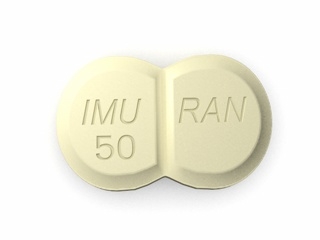

Imuran (Azathioprine) – Patient Guide (Australia)
Imuran is the brand name for azathioprine, an oral medicine used to control certain immune-related conditions. It works by reducing abnormal immune activity and helping prevent flare-ups or organ damage over time.
This page is designed to be patient-friendly and may help you understand what Imuran is, how it works, how it’s typically taken, and what to watch for. Always follow the advice of your treating clinician and the instructions on your medicine label.
Basic product information
| Item | Details |
|---|---|
| Medicine name | Imuran |
| Active ingredient | Azathioprine |
| What it does | Suppresses immune system activity |
| Form | Oral tablets (strengths vary by product availability) |
| Typical use | Autoimmune disease and immune-mediated conditions (as advised) |
| Monitoring | Blood tests are commonly used to check blood counts and liver function |
How Imuran works (mechanism of action)
Azathioprine is a so-called immunosuppressant. After you take it, the body converts it into active substances that affect immune cell function.
The main mechanism is:
- Purine metabolism inhibition: the active metabolites interfere with the building blocks needed for DNA/RNA synthesis in rapidly dividing immune cells.
- Reduced immune proliferation: immune cells (especially those driving inflammation) multiply more slowly.
- Lower inflammation over time: this can reduce disease activity and help prevent immune attacks on the body’s own tissues.
Because the drug works through changes in immune cell activity, improvement is often not immediate. Many people begin to notice benefit gradually over weeks, with the strongest effect often taking longer.
Pharmacokinetics (how your body handles it)
“Pharmacokinetics” refers to what the body does to a medicine—how it’s absorbed, processed, and eliminated.
- Absorption: azathioprine is absorbed through the gastrointestinal tract. Food can influence the extent of absorption, which is why consistent timing can matter.
- Conversion to active metabolites: azathioprine is metabolised inside the body (including in the liver and other tissues) to form active and inactive metabolites.
- Elimination: metabolites are cleared primarily via the body’s metabolic and excretory pathways (including the kidneys and bile).
- Variability between people: some people process azathioprine differently. Genetics (e.g., TPMT/NUDT15 status) and interactions with other medicines can strongly influence blood levels and side-effect risk.
Because of this variability, clinicians commonly use dose adjustments and regular blood monitoring to keep treatment safe and effective.
Typical uses of Imuran
Imuran is used in a number of immune-mediated and transplant-related settings. The exact choice of therapy depends on diagnosis, severity, and other medical factors.
Common indications
- Prevention and treatment of organ rejection in transplant patients (often as part of combination therapy).
-
Inflammatory bowel disease, including:
- ulcerative colitis
- Crohn’s disease
- Autoimmune hepatitis (to control liver inflammation).
- Other immune-mediated conditions where an immunosuppressive approach is appropriate (as determined by your specialist).
Imuran may be prescribed alone or more commonly in combination with other medicines (for example, anti-inflammatory or immune-modifying therapies) to achieve control with the lowest effective dose.
When to take Imuran (timing and consistency)
Imuran is taken by mouth at a schedule determined by your clinician. Typical regimens are once daily or split dosing (twice daily) depending on your diagnosis and tolerance.
- Take it at the same time(s) each day to maintain steady exposure.
- Do not adjust your dose without advice—even if you feel well.
- Be patient: it may take weeks to feel improvement. Some people need longer before full benefit.
-
If you miss a dose:
- If you remember soon, take it.
- If it’s close to your next dose, skip the missed dose and continue as normal.
- Do not take a double dose unless your clinician has instructed otherwise.
If you have trouble remembering, consider setting a daily alarm or using a pill organiser.
Food interactions
Food can influence how azathioprine is absorbed. The key practical approach is consistency.
- Choose a routine: take Imuran either with food or without food, but try to keep it the same day-to-day.
- Manage nausea: if stomach upset occurs, taking with food may help (discuss with your clinician if symptoms persist).
- Do not change meal timing frequently without advice, particularly during the early monitoring period.
Your pharmacist or clinician can advise based on your specific prescription instructions and how you respond.
Alcohol and medicine interactions
Alcohol
Because Imuran affects the immune system and is processed through the liver, it’s important to be cautious with alcohol.
- Moderation is advised: excessive alcohol may increase stress on the liver.
- Follow your liver-related advice: if you have liver disease or autoimmune hepatitis, discuss alcohol use carefully with your treating clinician.
- Watch for symptoms: seek medical advice if you develop unusual fatigue, jaundice (yellowing of the skin/eyes), dark urine, or persistent nausea/vomiting.
Important medicine interactions
Azathioprine has several clinically significant interactions. Some can increase side effects (such as infection risk or low blood counts), while others can reduce effectiveness.
- Allopurinol and febuxostat (for gout): may significantly raise azathioprine levels, increasing toxicity risk.
- Other medicines that affect purine metabolism: can increase or decrease azathioprine activity.
- Warfarin and anticoagulants: interactions may alter blood-thinning effect or bleeding risk in some situations; monitoring may be needed.
- ACE inhibitors and other medicines used for immune modulation: interaction potential varies; your prescriber/pharmacist will check your full medication list.
- Live vaccines: because Imuran suppresses the immune system, live vaccines may be unsafe. Inactivated vaccines are usually preferred—ask your clinician.
- Herbal supplements: not all are safe with immunosuppressants. Tell your clinician about supplements (e.g., high-dose herbal products).
Always provide a complete list of medicines, including over-the-counter drugs and supplements, so your pharmacist can check for interactions.
Dosing overview (general information)
Dosing is individual. The dose depends on the condition being treated, your overall health, liver function, blood test results, and—where available—genetic factors affecting azathioprine metabolism.
General principles
- Start low and adjust: many regimens begin with a lower dose and increase carefully as blood results allow.
- Use blood monitoring to guide dose: a clinician may adjust dose based on white blood cell counts, liver enzymes, and side effects.
- Special risk factors: reduced TPMT or altered NUDT15 activity can increase toxicity; dose adjustment may be required if testing suggests high sensitivity.
Because we can’t provide a personalised dose for your specific situation here, use the dose on your label and confirm any questions with your healthcare team.
Indications vs. what Imuran is used for
It can help to distinguish the purpose (indication) from how it’s taken (dose/timing).
- Transplant medicine: Imuran helps reduce immune reactions that can lead to organ rejection.
- Autoimmune and inflammatory conditions: it helps quiet immune-driven inflammation, aiming to induce and maintain disease control.
Your clinician may also prescribe other medications alongside Imuran. Combination therapy is often used to improve control and minimise the risk of side effects.
Safety profile and monitoring
Like all medicines, Imuran can cause side effects. Many are related to its effect on bone marrow (lower blood cells) and/or liver metabolism. The safest use typically involves regular monitoring and prompt reporting of symptoms.
Common or important side effects
- Lower blood cell counts (neutropenia/leucopenia), which can raise infection risk.
- Liver enzyme elevation (hepatotoxicity).
- Nausea and stomach discomfort (often improved by taking with food, if appropriate).
- Fatigue (varies by person and underlying condition).
Serious or urgent warning signs
Seek urgent medical advice (or emergency help) if you develop:
- Signs of infection: fever, chills, sore throat, unusual infections, or rapidly worsening symptoms.
- Unexplained bruising or bleeding.
- Severe or persistent vomiting, severe abdominal pain, or dehydration.
- Yellowing of the skin/eyes, dark urine, or severe loss of appetite (possible liver problems).
- Shortness of breath, chest pain, or swelling—especially if allergic reaction is suspected.
Why blood tests matter
To reduce risk, clinicians often monitor:
- Full blood count (white cells, red cells, platelets)
- Liver function tests (e.g., ALT, AST, bilirubin)
- Sometimes additional tests depending on your condition and risk profile
Monitoring schedules vary. Early after starting or after dose changes, tests are usually more frequent. If results are stable, intervals may become longer.
Long-term considerations
- Infection risk: immunosuppression can increase susceptibility to certain infections.
- Cancer risk (in context): some immunosuppressants increase long-term risk of certain cancers. Your clinician will discuss benefit vs risk for your situation.
- Skin protection: use sun protection and report new or changing skin lesions promptly.
Practical use tips (getting the best balance of benefit and safety)
- Keep an up-to-date medication list: include prescription medicines, over-the-counter products, and supplements.
- Attend monitoring appointments: do not skip blood tests, even if you feel well.
- Adhere to dosing times: consistent daily timing helps maintain stable drug exposure.
- Report symptoms early: infection signs and unusual bruising should be assessed promptly.
- Food consistency: choose “with food” or “without food” and keep it consistent (unless your clinician advises otherwise).
- Vaccination planning: discuss vaccinations with your clinician; live vaccines may be unsuitable while on immunosuppressive therapy.
- Pregnancy and breastfeeding: if applicable, discuss family planning and contraception with your specialist—recommendations can differ by case and timing.
Alternative options
Depending on your condition, there are other treatment options to consider. The best choice depends on disease severity, past treatment response, risk factors, and monitoring requirements.
Common alternatives (examples)
- Methotrexate (used in certain autoimmune diseases; not suitable for everyone).
- Mycophenolate mofetil (often used in transplant and autoimmune conditions).
- Calcineurin inhibitors (such as tacrolimus or cyclosporin in selected settings).
- Biologic therapies (target specific immune pathways; selection depends on diagnosis and local guidelines).
- Corticosteroids (may be used short-term for flare control, but long-term use is usually limited due to side effects).
If Imuran isn’t appropriate or isn’t effective, your specialist may recommend a different medicine or combination plan. Don’t stop Imuran suddenly without medical guidance.
Market and legal context for Australia
In Australia, medicines like Imuran are regulated and dispensed in line with Australian Therapeutic Goods Administration (TGA) requirements and state/territory pharmacy laws. Many immunosuppressants require careful prescribing and monitoring, and patients typically work closely with a specialist and their general practitioner.
Online pharmacies in Australia follow strict processes to ensure medicines are supplied legally and safely. Requirements can include verification of a valid supply arrangement and compliance with storage, handling, and delivery standards.
If you’re sourcing medicines online, choose reputable services that clearly state product authenticity, shipping destinations, and safety/handling procedures.
Recent guidance and safety updates (what patients should watch for)
Guidance for azathioprine use evolves as new evidence becomes available—particularly around:
- Medication interaction screening (especially with medicines affecting purine metabolism).
- Risk stratification using genetic testing when available (commonly TPMT and sometimes NUDT15 testing in relevant populations).
- Monitoring frequency during the initiation phase and after dose changes.
- Vaccination recommendations for people on immunosuppressive therapy.
For the most current advice, refer to your prescriber and pharmacist, and keep up to date with locally provided educational materials from specialist services.
Delivery, availability, and storage
Availability
Availability can vary by strength and supply arrangements. If Imuran is temporarily out of stock, a pharmacy may advise on expected restock times or alternative options depending on your circumstances.
Delivery
- Delivery times: depend on your location and the pharmacy’s shipping service.
- Tracking: many services offer tracking so you can monitor progress.
- Check on arrival: ensure the package is intact and that the product name and strength match your order.
Storage
Store Imuran according to the instructions on the package. In general, tablets should be kept:
- at room temperature (unless the label states otherwise)
- in the original packaging to protect from moisture/light
- out of reach of children and pets
FAQ
How long does it take for Imuran to work?
Many people notice effects gradually. Some improvement may take weeks, while maximal benefit can take longer depending on the condition being treated and your individual response.
Do I need blood tests?
Yes. Regular monitoring (typically full blood counts and liver function tests) helps detect side effects early and allows dose adjustments if needed.
Can I take Imuran with food?
You can generally take it with or without food, but aim for consistent daily timing. If you get nausea, taking with food may help—confirm with your pharmacist or clinician.
What should I do if I miss a dose?
If you remember soon, take it. If it’s almost time for your next dose, skip the missed dose and continue as usual. Do not take a double dose unless your clinician instructs otherwise.
Is it safe to drink alcohol while taking Imuran?
Alcohol may increase risk of liver stress and can interact indirectly with treatment safety. If you use alcohol, it should generally be moderate, and you should discuss your situation—especially if you have liver disease or autoimmune hepatitis.
Are there vaccinations I should avoid?
Live vaccines may be unsafe for people on immunosuppressive therapy. Discuss vaccines with your clinician so an appropriate plan can be arranged.
Can I stop Imuran when I feel better?
Stopping suddenly can lead to loss of disease control. Do not stop or change the dose without medical advice.
What drug interactions are the most important?
Some medicines can significantly increase toxicity risk—such as allopurinol used for gout. Others can affect blood counts or liver function. Always check interactions with your pharmacist and keep your full medication list up to date.
What if I develop fever or signs of infection?
Contact your healthcare team promptly. Because Imuran can lower certain white blood cells, infections may need earlier assessment and treatment.
Important: This information is intended as a general guide and does not replace medical advice. If you have questions about Imuran for your specific condition, speak with your clinician or pharmacist.