
CELEBREX® (Celecoxib) — Patient-Friendly Guide (Australia)
Celebrex® is the brand name for celecoxib, a medicine from the NSAID (non-steroidal anti-inflammatory drug) family. It is used to reduce pain and inflammation, particularly in conditions affecting joints such as arthritis. This guide is designed to help you understand how celecoxib works, how it’s typically taken, what interactions to watch for, and when to seek medical advice.
Always follow the instructions provided by your health professional and read the consumer medicines information (CMI) for your specific product. If you are unsure about dosing or suitability, speak with a pharmacist or doctor.
Basic product information
- Active ingredient: Celecoxib
- Medicine type: NSAID (selective COX-2 inhibitor)
- Brand example: Celebrex®
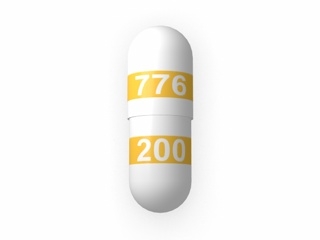
- Common dosage forms: Capsules (strengths vary by product and market)
- How it helps: Reduces pain and inflammation by blocking inflammatory pathways
Availability and pack sizes vary across pharmacies. Your pharmacist can help confirm the correct strength and formulation for your needs.
How Celebrex works (mechanism of action)
Celecoxib works by selectively inhibiting an enzyme called COX-2 (cyclooxygenase-2). COX-2 is involved in the production of prostaglandins—chemicals in the body that contribute to pain, swelling, and inflammation.
- COX inhibition: Reduces prostaglandin production
- Result: Less inflammation and pain relief
- Why “selective” matters: Compared with some older NSAIDs, COX-2 selectivity may reduce certain types of stomach irritation for some people, though it does not eliminate gastrointestinal risk
Pharmacokinetics (how the body handles celecoxib)
“Pharmacokinetics” describes the journey of a medicine through absorption, distribution, metabolism, and elimination.
- Absorption: Celecoxib is absorbed after oral dosing. Food can affect the rate of absorption.
- Time to peak effect: The concentration in the bloodstream typically peaks within a few hours of taking a dose (timing may vary).
- Distribution: It binds to plasma proteins and distributes through body tissues.
- Metabolism: Mainly metabolised in the liver, largely via CYP2C9.
- Elimination: Metabolites are cleared by the body, with elimination occurring through both urine and faeces (depending on the metabolite profile).
Because celecoxib is metabolised in the liver, liver impairment may require caution, dose adjustment, or alternative therapy—your clinician will advise.
Typical uses in Australia
Celecoxib is used to relieve symptoms and improve function in conditions involving inflammation and pain. The most common uses include:
- Osteoarthritis (OA): Pain relief in joints affected by “wear and tear” arthritis
- Rheumatoid arthritis (RA): Management of signs and symptoms of inflammatory joint disease
- Ankylosing spondylitis (AS): Inflammation of the spine and related joints
Your prescriber may also consider other indications based on clinical factors and local guidance. If you are not sure why you were given celecoxib, ask your pharmacist or doctor.
When and how to take Celebrex (timing & practical routine)
The best timing depends on the condition being treated and your prescribed dose schedule. Many people take celecoxib once or twice daily depending on the regimen.
General timing tips
- Take at the same times each day to maintain consistent blood levels.
- Follow your dose frequency (once daily vs twice daily) exactly.
- If you miss a dose: take it when you remember unless it’s close to the next dose. Do not take a double dose.
With or without food?
Food can influence how quickly celecoxib reaches peak levels. In many cases, celecoxib may be taken with or without food. If your stomach is sensitive, taking it with food may feel more comfortable for some people.
For the most appropriate advice for your product and schedule, refer to the CMI or ask your pharmacist.
Food interactions
Celecoxib can be affected by meals. In general:
- Food may delay absorption: Taking with a meal can slow the time to peak concentration.
- Overall effect: The amount absorbed is generally not dramatically reduced for most people, but timing may change.
Practical approach: If you experience stomach discomfort, consider taking with food. If you are trialling timing changes, keep meals consistent for a few days and note any differences in symptom control or side effects.
Alcohol and medicine interactions
Combining NSAIDs (including celecoxib) with alcohol can increase risk of stomach irritation and bleeding in susceptible individuals.
- Alcohol increases GI risk: Higher alcohol intake may raise the chance of gastritis or bleeding.
- Kidney and blood pressure effects: Alcohol can also affect hydration and blood pressure, which may interact with NSAID-related risks.
If you drink alcohol, consider:
- Keeping intake low and well spaced from your dose
- Not using alcohol to “test” whether the medicine is causing stomach effects
- Seeking advice if you have a history of ulcers, bleeding, or liver disease
Medicine interactions to be aware of
Celecoxib may interact with several medicines. This section highlights common and important interaction categories—always confirm your specific list with a pharmacist.
High-importance interaction categories
- Other NSAIDs: Avoid taking celecoxib with medicines such as ibuprofen, naproxen, diclofenac, or additional COX-2 inhibitors unless advised.
- Blood thinners/anticoagulants: Examples include warfarin. NSAIDs can increase bleeding risk.
- Antiplatelet medicines: e.g., aspirin (in some contexts), clopidogrel—also may raise bleeding risk.
- ACE inhibitors/ARBs and diuretics (“triple whammy” risk): Combination with NSAIDs may affect kidney function, especially in older adults or those dehydrated.
- Digoxin: NSAIDs may increase digoxin levels in some cases.
- Lithium: NSAIDs may reduce clearance and increase lithium levels.
- Methotrexate: NSAIDs can potentially increase methotrexate exposure.
- SSRIs/SNRIs: Some antidepressants can increase bleeding risk when combined with NSAIDs.
- CYP2C9 inhibitors/inducers: Because celecoxib is metabolised by CYP2C9, other medicines affecting this pathway may require monitoring or dose changes.
Herbals and supplements
- Garlic extracts, ginkgo, fish oil (high doses), and other supplements may affect bleeding risk in some people.
- Always tell your pharmacist about supplements, vitamins, and “natural” products.
If you’d like, you can prepare a list of all your current medicines and bring it to your pharmacist for a quick interaction check.
Indications and evidence-based benefits
Celecoxib is indicated for inflammatory and degenerative joint pain conditions. In practice, it’s often chosen when:
- Joint pain and stiffness significantly affect everyday activities
- Other pain strategies are insufficient or not tolerated
- Doctors aim to use a COX-2 selective NSAID rather than non-selective NSAIDs, in appropriate patients
Response varies. Some people notice symptom improvement within days; others may need a longer period to assess overall benefit.
Dosing (general information)
Dosing must be individualised based on your condition, age, risk factors, and response to treatment. The information below is a general overview to help you understand common dosing patterns.
Typical adult dosing patterns (overview)
- Osteoarthritis: Often taken once daily or twice daily depending on the prescribed strength and patient factors.
- Rheumatoid arthritis: Often taken twice daily in many regimens.
- Ankylosing spondylitis: Commonly taken once or twice daily depending on the regimen.
Your prescribed label may differ. Follow the dosing instructions exactly.
Important dosing principles
- Use the lowest effective dose for the shortest duration necessary to control symptoms.
- Reassess regularly: If symptoms improve, your clinician may reduce dose.
- Do not exceed prescribed limits.
Renal and liver considerations
- Kidney health: NSAIDs can affect kidney function, particularly in dehydration, older age, or kidney disease.
- Liver health: Celecoxib is metabolised in the liver; caution is needed with significant liver impairment.
Safety profile: what to watch for
Like all medicines, celecoxib can cause side effects. Many people tolerate it well, but there are important risks to understand. If you experience concerning symptoms, seek medical advice promptly.
Common side effects
- Headache
- Indigestion, heartburn, stomach discomfort
- Nausea
- Dizziness
- Swelling (oedema) in some people
Serious warning signs (seek urgent care)
Contact urgent medical services or seek immediate help if you experience:
- Signs of stomach or intestinal bleeding: vomiting blood, black/tarry stools, blood in stools, severe abdominal pain
- Allergic reactions: swelling of face/lips, wheezing, rash/hives, trouble breathing
- Cardiovascular warning signs: chest pain, shortness of breath, sudden weakness/numbness, trouble speaking
- Severe skin reactions: blistering rash, peeling skin, sores in mouth or eyes
- Kidney problems: reduced urination, sudden weight gain, severe swelling
- Severe liver issues: yellowing of eyes/skin, dark urine, severe fatigue
Key risk factors
- History of ulcers or gastrointestinal bleeding
- Older age
- History of heart disease or stroke
- High blood pressure, high cholesterol, or diabetes
- Smoking or heavy alcohol use
- Dehydration or existing kidney disease
Your clinician may suggest monitoring and risk-reduction strategies (for example, stomach protection in selected patients).
Practical use tips (to improve safety and comfort)
- Take with water and remain upright for a short time after swallowing (useful if you get reflux).
- Stay hydrated, especially during hot weather or illness.
- Use consistent dosing times and avoid doubling doses.
- Minimise “extra” NSAIDs: check cold/flu products and pain relievers—many contain ibuprofen or similar agents.
- Monitor blood pressure if you have hypertension or are at risk.
- Report new symptoms early, especially stomach pain, unusual bruising/bleeding, swelling, or breathlessness.
Alternative options for pain and inflammation
Alternatives depend on your diagnosis, severity, and personal risk factors. Options may include:
Non-medicine approaches
- Exercise and physiotherapy (strengthening, range-of-motion work)
- Weight management (where relevant for joint load reduction)
- Heat/cold therapy and assistive devices (bracing, footwear)
Medication alternatives (examples)
- Paracetamol for pain relief (not an anti-inflammatory)
- Other NSAIDs (non-selective) may be suitable for some patients but can carry different GI risk
- Topical NSAIDs for localised joint pain (e.g., some inflammatory joint conditions)
- In RA/AS: disease-modifying therapies (managed by a specialist) may be appropriate for long-term control
Discuss with your pharmacist or doctor if celecoxib doesn’t provide enough relief or causes side effects.
Market and legal context in Australia (general overview)
In Australia, access to medicines is regulated through the Australian Register of Therapeutic Goods (ARTG) and governed by the Therapeutic Goods Administration (TGA) and related requirements. Medicines are classified according to scheduling rules and availability categories (for example, some medicines are available only through certain channels).
Online pharmacies should comply with Australian laws and professional requirements, including:
- Supplying only medicines that are lawfully available through approved arrangements
- Providing clear product information and safe-use guidance
- Maintaining privacy and secure payment processes
- Encouraging consultation with health professionals where appropriate
If you are purchasing online, choose reputable retailers that provide product details, batch/expiry information (where relevant), and transparent delivery timelines.
Recent guidance and evolving considerations
NSAID use continues to be reviewed in medical guidance, with particular attention to cardiovascular and gastrointestinal risks. Current clinical practice generally emphasises:
- Individual risk assessment before choosing an NSAID
- Lowest effective dose and shortest duration to control symptoms
- Avoiding NSAID stacking (taking multiple NSAIDs together)
- Extra caution for older adults, people with kidney disease, and those with prior ulcer/bleeding history
If you have heart disease, previous stroke, stomach ulcers, or kidney issues, discuss options with your healthcare team. They may recommend monitoring, dose adjustment, or an alternative therapy.
Delivery and availability (online pharmacy)
Availability varies by state and supplier arrangements. When ordering online, you can generally expect:
- Stock dependent supply: Some strengths or pack sizes may be temporarily unavailable
- Dispatch times: Usually within business days (check the retailer’s delivery policy)
- Tracking: Many pharmacies provide tracking for delivered parcels
- Cold chain: Typically not required for celecoxib capsules unless specified by the product
To reduce delays, ensure your address is correct and include any delivery instructions (e.g., safe drop location) if offered by the pharmacy.
Storage and handling
- Store below the temperature stated on the package (commonly in a cool, dry place)
- Keep in the original pack to protect from moisture and for identification
- Keep out of reach of children
- Check expiry date before use
Frequently Asked Questions (FAQ)
Is Celebrex the same as celecoxib?
Yes. Celebrex® is a brand name. The active ingredient is celecoxib.
How quickly will it start working?
Some people notice improvement within a few days. Pain and stiffness may improve gradually, depending on the condition and your response.
Can I take celecoxib with other pain medicines?
Avoid taking multiple NSAIDs together (for example, ibuprofen plus celecoxib). If you need additional pain relief, ask a pharmacist about safe options for your situation. Paracetamol is sometimes used alongside NSAIDs, but individual suitability varies.
Should I take it on an empty stomach?
Many people can take celecoxib with or without food. If you experience indigestion or heartburn, taking it with food may feel better. Keep meals consistent to help predict effects.
Can I drink alcohol while using celecoxib?
It’s best to keep alcohol intake low. Alcohol may increase stomach irritation and bleeding risk when combined with NSAIDs. If you have a history of ulcers or bleeding, seek advice before drinking.
What should I do if I miss a dose?
Take it when you remember unless it is close to the next dose. Do not take double doses to make up for a missed one.
Who should be extra cautious with celecoxib?
Extra caution may be needed if you have: a history of stomach ulcers/bleeding, heart disease or stroke, high blood pressure, kidney problems, liver disease, are older, are dehydrated, or take anticoagulants/antiplatelet medicines.
Are there alternatives if celecoxib doesn’t suit me?
Yes. Alternatives may include other pain relief options (paracetamol, topical NSAIDs), different oral NSAIDs, or non-medicine strategies. For inflammatory conditions such as RA or AS, longer-term disease control may involve other classes of medicines.
What side effects mean I should stop and get help?
Seek urgent medical care for signs of serious allergic reaction, gastrointestinal bleeding (black stools, vomiting blood), chest pain/shortness of breath, sudden weakness or speech difficulty, severe skin reactions, or symptoms of kidney problems such as greatly reduced urination or marked swelling.
Quick reference table
| Topic | What to know |
|---|---|
| What it is | Celecoxib, an NSAID (COX-2 selective) used for pain and inflammation in joint conditions. |
| How it works | Reduces prostaglandins by inhibiting COX-2. |
| Typical uses | Osteoarthritis, rheumatoid arthritis, and ankylosing spondylitis (among other clinician-directed uses). |
| Taking it | Follow your dose schedule. Take at consistent times; with food may help stomach comfort. |
| Food effects | Food may delay absorption (symptom control generally remains possible). |
| Alcohol | Keep intake low—can increase gastrointestinal and other risks when combined with NSAIDs. |
| Key interactions | Avoid other NSAIDs; caution with anticoagulants, antiplatelets, ACE inhibitors/ARBs + diuretics, digoxin, lithium, methotrexate, and some antidepressants. |
| Major risks | GI bleeding, cardiovascular events, kidney issues, allergic reactions, severe skin reactions. |
| Safety approach | Use the lowest effective dose for the shortest time; reassess regularly with a clinician. |
Need personalised advice? If you have other medical conditions or take multiple medicines, a pharmacist can help check interactions and recommend how to take celecoxib safely.