Voltaren (Diclofenac) – Patient Guide (Australia)
Voltaren contains diclofenac, a medicine from the group known as non-steroidal anti-inflammatory drugs (NSAIDs). Voltaren is used to relieve pain and inflammation in a variety of conditions, including musculoskeletal aches, joint pain and sports injuries, as well as some types of chronic pain depending on the specific product form.
This page explains how Voltaren works, how it is used, important safety information, and practical tips for getting the best results while minimising risks. It is written for people in Australia and includes general, patient-friendly guidance about interactions, timing, and what to consider when purchasing and using diclofenac.
1) Basic product information
| Feature | What you should know |
|---|---|
| Generic name | Diclofenac |
| Brand name(s) | Voltaren (brand varies by country and product form; multiple forms may be available) |
| Drug class | NSAID (anti-inflammatory pain relief) |
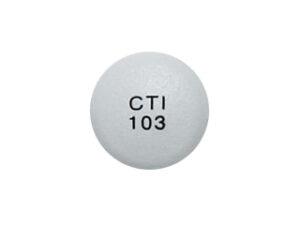
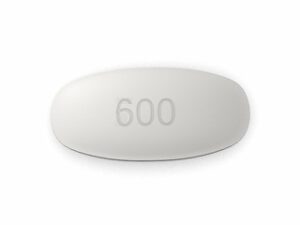
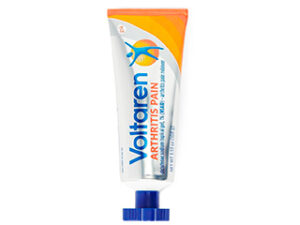
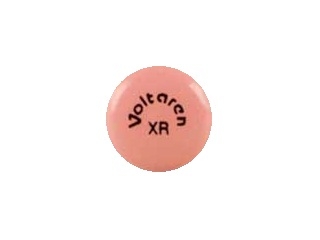
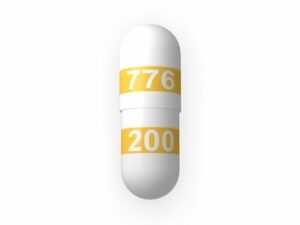
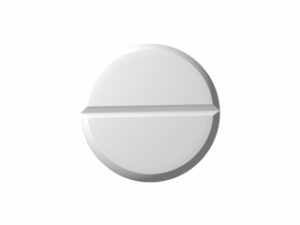
| Common forms | Topical gels/creams and oral forms (e.g., tablets/capsules) may be available depending on local supply |
| Primary benefits | Reduces pain, swelling and inflammation |
| Key safety considerations | Stomach/ulcer risk, kidney effects, cardiovascular risk, and allergy/asthma concerns |
Important: Voltaren products come in different strengths and delivery forms (for example topical gel versus oral tablets). Always follow the product-specific directions on the pack and the instructions provided with your medication.
2) How Voltaren works (mechanism of action)
Diclofenac works by reducing prostaglandins—chemicals in the body that contribute to pain, inflammation and fever. Prostaglandins are produced through pathways involving cyclo-oxygenase (COX) enzymes (COX-1 and COX-2).
Like other NSAIDs, diclofenac helps relieve symptoms by:
- Inhibiting COX enzymes to lower prostaglandin production
- Reducing inflammation and swelling
- Relieving pain associated with inflammation and tissue injury
Because diclofenac targets inflammation pathways, it can be particularly helpful when pain is related to conditions such as arthritis, sprains, strains, tendon irritation, and flare-ups of inflammatory joint problems.
3) Pharmacokinetics (how the body handles diclofenac)
Pharmacokinetics describes how a medicine is absorbed, distributed, metabolised and eliminated.
3.1 Absorption
- Oral diclofenac: Absorbed through the digestive tract. Peak levels typically occur within hours, depending on the formulation (immediate-release versus modified-release).
- Topical diclofenac (gel/cream): Absorbed through the skin at the site of application. Systemic absorption is generally lower than with oral diclofenac, but absorption still occurs.
3.2 Distribution
Diclofenac distributes throughout the body. For oral forms, it can reach inflamed tissues, including joints. For topical forms, most benefit is local at the application site.
3.3 Metabolism
Diclofenac is metabolised mainly by the liver (primarily through cytochrome P450 enzymes, including CYP2C9). This is why liver conditions or liver-impacting medicines can matter for safety.
3.4 Elimination
Diclofenac and its metabolites are eliminated primarily via the kidneys and to some extent through bile and faeces. Kidney function can influence exposure to NSAIDs.
Practical takeaway: If you have reduced kidney or liver function, or if you are older, your clinician may recommend extra caution, lower doses, or alternative options.
4) Typical use and indications
Voltaren is used for the relief of pain and inflammation caused by a range of conditions. The exact approved uses vary by country, product form and strength. In Australia, diclofenac is commonly used for:
- Osteoarthritis (joint pain and stiffness)
- Rheumatoid arthritis (inflammation and pain)
- Inflammatory joint pain and flare-ups (depending on product and clinician advice)
- Muscle and joint injuries, including sprains and strains (particularly with topical forms)
- Localised pain such as back, neck, knee, shoulder or sports-related discomfort (topical products)
Some Voltaren products may also be used for other specific pain conditions as indicated on the packaging or consumer medicine information. Always check the label for the indication relevant to your exact product.
5) Timing: when and how to take Voltaren
5.1 Oral diclofenac timing (if using tablets/capsules)
- Often taken after food to reduce stomach discomfort.
- Take at the times on the pack or as directed by your healthcare professional.
- If you miss a dose, take it when you remember—unless it is close to your next dose. Do not double up.
5.2 Topical diclofenac timing (if using gel/cream)
- Apply to clean, dry skin over the affected area.
- Wash hands before and after application (unless hands are the treated area).
- Space applications according to the pack instructions (commonly multiple times daily depending on strength/formulation).
- Let it dry before covering with clothing.
Best results: For injuries and local pain, topical diclofenac may be most helpful when started early and used consistently. For chronic joint conditions, relief may build over days with regular dosing.
6) Food interactions and taking with meals
Oral diclofenac and food: Food can influence absorption. Taking oral diclofenac after food or with a meal may reduce the risk of stomach upset and nausea.
Topical diclofenac: Food is generally not a direct issue because absorption through skin is lower than with oral use.
Special caution: Avoid taking diclofenac at the same time as other NSAIDs (such as ibuprofen or naproxen) unless a clinician has specifically advised it.
7) Alcohol and medicine interactions
7.1 Alcohol
Drinking alcohol while using NSAIDs can increase the risk of stomach irritation, ulcers and bleeding. If you choose to drink, keep alcohol minimal and avoid binge drinking—especially if you have a history of stomach ulcers or are taking higher doses.
7.2 Common medicine interactions (important)
Diclofenac can interact with several medicines. This does not mean you cannot take it, but it does mean you should check safety before combining treatments.
- Other NSAIDs (e.g., ibuprofen, naproxen, aspirin for pain): increased risk of gastrointestinal bleeding and kidney effects.
- Anticoagulants (e.g., warfarin): increased bleeding risk.
- Antiplatelet medicines (e.g., clopidogrel): higher bleeding risk.
- Selective serotonin reuptake inhibitors (SSRIs) and other antidepressants affecting serotonin: may increase risk of GI bleeding.
- Corticosteroids (e.g., prednisone): higher risk of stomach irritation/ulcer.
- ACE inhibitors/ARBs (for blood pressure) and diuretics: NSAIDs can reduce kidney blood flow, potentially affecting kidney function (sometimes referred to as “triple whammy” when combined).
- Lithium: NSAIDs may increase lithium levels.
- Methotrexate: can increase methotrexate toxicity.
- Diabetes medicines (some cases): NSAIDs may affect blood sugar control.
- Other liver-metabolised medicines: may alter diclofenac levels.
Always tell a pharmacist about all medicines you take, including over-the-counter products, vitamins and herbal supplements. If you are unsure, it’s safer to ask before combining.
8) Dosing guidance (general, product-dependent)
Because Voltaren comes in different formulations and strengths, the correct dose depends on the exact product you’re using.
8.1 Oral dosing (general principles)
- Use the lowest effective dose for the shortest possible duration to manage symptoms.
- Doses are typically adjusted based on age, kidney/liver function, and risk factors.
- Do not exceed the maximum daily dose listed on your pack.
8.2 Topical dosing (general principles)
- Apply a thin layer to the affected area.
- Use the number of applications and amount (such as “grams per application”) stated on the label.
- Avoid applying to broken skin, open wounds, or areas exposed to heat (e.g., heating pads) unless the product instructions specifically allow it.
Seek advice if symptoms persist beyond a few days for an injury, or if chronic pain isn’t improving as expected.
Note: For exact dose schedules, refer to your individual Voltaren product label or the consumer medicine information supplied with it.
9) Safety profile and when to seek help
Diclofenac is effective for pain and inflammation, but NSAIDs carry potential risks. The risk can be higher with oral diclofenac, higher doses, longer use, older age, and certain medical histories.
9.1 Common side effects
- Stomach discomfort, heartburn, nausea (oral forms more likely)
- Headache or dizziness
- Rash (topical application may cause local skin reactions)
9.2 Serious risks (get urgent medical help if)
Seek urgent care or medical advice if you develop:
- Signs of an allergic reaction: swelling of the face/lips, wheezing, severe rash, difficulty breathing
- Stomach bleeding: black/tarry stools, vomiting blood, severe abdominal pain
- Severe skin reactions (rare): blistering/peeling rash, sores in mouth
- Chest pain, shortness of breath, or sudden weakness (possible cardiovascular events)
- Signs of kidney problems: reduced urination, swelling of legs/feet, sudden weight gain
- Yellowing of eyes/skin (liver issues)
9.3 Who should use diclofenac with extra caution?
- People with a history of stomach ulcers or gastrointestinal bleeding
- People with heart disease or high cardiovascular risk
- People with kidney impairment or dehydration
- People with liver disease
- People with asthma or NSAID-sensitive reactions
- Older adults
- Those taking medicines that increase bleeding or affect kidney function
Pregnancy and breastfeeding: NSAIDs may not be suitable at all stages of pregnancy. Diclofenac should be used only if appropriate for the stage and under suitable guidance. During breastfeeding, topical use may be considered safer than oral forms in some situations, but you should seek advice to ensure safe use.
10) Practical use tips for safer, more effective pain relief
- Read the pack directions carefully (dose, frequency, and duration vary by product).
- Use the lowest effective dose and avoid unnecessary long-term use.
- Don’t combine NSAIDs (e.g., avoid ibuprofen with diclofenac) unless instructed.
- Consider topical first for localised joint or muscle pain, especially if stomach sensitivity is a concern (topical absorption is generally lower).
- Protect skin when using topical forms: avoid broken skin, eyes, and mucous membranes.
- Wash hands after applying gel unless treating your hands.
- Use warmth/cold wisely: For acute sprains/strains, cold packs may help early; diclofenac can help inflammation and pain. For chronic stiffness, gentle heat may help comfort—use what feels best and is safe for your situation.
- Track response: If there’s no improvement after a short trial, consider discussing alternatives.
11) Alternative options
If Voltaren isn’t suitable or doesn’t provide enough relief, several alternatives may be considered depending on your condition:
11.1 Other pain relief medicines
- Paracetamol (acetaminophen): often used for mild to moderate pain; it doesn’t reduce inflammation like NSAIDs.
- Other NSAIDs (ibuprofen, naproxen) or different diclofenac formulations: may differ in suitability for individual risk profiles.
- Topical alternatives: some conditions may respond to other topical analgesics (check availability and suitability).
11.2 Non-medicine options
- Physiotherapy and strengthening exercises
- Activity modification and ergonomic adjustments
- Heat or cold therapy
- Weight management for joint-related pain
- Supportive braces or splints for specific injuries
Your best option depends on your diagnosis, risk factors and the body area involved. A pharmacist or clinician can help you compare options safely.
12) Voltaren in the Australian market: legal and regulatory context
In Australia, medicines are regulated through the Therapeutic Goods Administration (TGA). Diclofenac products may be available as:
- Unscheduled / over-the-counter for certain topical strengths or pack types (depending on current classification), or
- Pharmacy medicines or restricted supply categories for other forms/strengths (classification can vary by formulation and dosing).
Because product classification can change and may vary by strength and formulation, it’s important to check the packaging and the listing details on your specific Voltaren product. Online pharmacies in Australia typically provide medicine information and require appropriate selection of product form before dispatch.
Recent guidance and safety focus: Over recent years, NSAID safety messaging has increasingly highlighted the importance of using the lowest effective dose for the shortest time, careful consideration of cardiovascular and gastrointestinal risks, and avoiding duplication of NSAIDs. It’s wise to follow current pack instructions and any additional guidance provided by your pharmacist.
13) Delivery and availability (what to expect)
Availability of Voltaren depends on the specific product form (gel/cream vs oral) and strength. Online pharmacy stock may vary by supplier and location across Australia.
Delivery
- Delivery timeframes depend on your address and the pharmacy’s courier service.
- Some topical medicines may be dispatched in protective packaging to prevent leakage.
- Store products as directed on the pack (commonly at room temperature for tablets/capsules; gels may have specific storage guidance).
Cold chain
Voltaren products typically do not require cold chain delivery unless specified for a particular formulation. Always check the product label for storage instructions.
Availability tips
- If your preferred strength is out of stock, consider checking alternative strengths or forms (topical versus oral), where appropriate.
- If you’re using diclofenac for ongoing conditions, confirm the product you select matches your usual formulation.
14) FAQ about Voltaren (Diclofenac)
Is Voltaren the same as diclofenac?
Yes. Voltaren is a brand name that contains diclofenac. Different Voltaren products may have different strengths and forms (topical or oral), so always check the exact product you’re purchasing.
Can I use Voltaren gel and take diclofenac tablets at the same time?
Using multiple diclofenac-containing products may increase total diclofenac exposure and therefore risk. You should confirm with a pharmacist before combining products that both contain diclofenac.
How quickly does Voltaren work?
Many people notice symptom relief within hours after using diclofenac (especially topical products). For inflammatory conditions, fuller relief may take several days with consistent use.
What should I do if it doesn’t help?
If your pain isn’t improving after a short period (for example, a few days for an injury) or if symptoms worsen, stop self-treating and seek advice. Persistent joint pain may require a different approach or diagnosis.
Can I drive or operate machinery?
Diclofenac may cause dizziness or headache in some people (more relevant for oral forms). If you feel unwell or dizzy, avoid driving or operating machinery.
Are there dietary restrictions?
For oral diclofenac, taking it after food may help reduce stomach upset. Topical diclofenac is not affected by food in the same way.
Can I drink alcohol while using Voltaren?
It’s best to limit alcohol while taking NSAIDs because alcohol can increase the risk of stomach irritation and bleeding. If you do drink, keep it modest and avoid binge drinking.
Who should avoid Voltaren?
People with NSAID allergy or a history of NSAID-induced asthma reactions should avoid diclofenac. Those with a history of stomach ulcers/bleeding, significant heart disease, kidney or liver problems, or who take certain interacting medicines need extra caution and should seek pharmacy advice.
Is topical Voltaren safer than oral diclofenac?
Topical diclofenac generally results in lower overall drug absorption than oral diclofenac, which may reduce some systemic risks. However, systemic risks can still occur, especially with large area use, frequent application, broken skin, or long-term use.
What skin reactions can happen with Voltaren gel?
Some people experience redness, itching, or mild rash at the application site. Stop using it and seek advice if you develop a significant rash, blisters, or signs of allergy.
Can Voltaren be used for back pain?
It may be used for localised musculoskeletal pain. Many people find topical diclofenac helpful for strains and localized back discomfort. If back pain is severe, accompanied by weakness/numbness, fever, or bowel/bladder changes, seek urgent medical assessment.
How long should I use it?
Use the shortest duration that works for your symptoms. For ongoing pain conditions, discuss a longer plan with a pharmacist or clinician rather than relying on indefinite NSAID use.
15) Summary
Voltaren (diclofenac) is an NSAID used to relieve pain and inflammation associated with joint conditions and musculoskeletal injuries. It reduces prostaglandin production, helping calm inflammation-related discomfort. While effective, diclofenac has important safety considerations—particularly for the stomach, kidneys, liver and cardiovascular system—so it’s important to follow the pack directions, avoid duplication with other NSAIDs, and be mindful of interactions, alcohol and individual risk factors.
If you have questions about which Voltaren product form is right for your situation, or whether diclofenac fits your current medicines and health conditions, consult a pharmacist for tailored advice.