Tizanidine: Patient-Friendly Guide (Australia)
Tizanidine is a medicine used to relieve muscle tightness and spasm. It belongs to a group of medicines that act on the nervous system to reduce spasticity, helping you move more comfortably and with less pain. This guide explains how it works, how it is taken, what to watch for, and practical considerations for everyday use in Australia.
Key Product Information
| Feature | What you should know |
|---|---|
| Active ingredient | Tizanidine |
| Medicine type | Muscle relaxant (centrally acting; alpha-2 adrenergic agonist) |
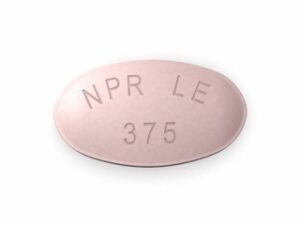
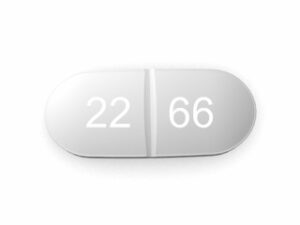
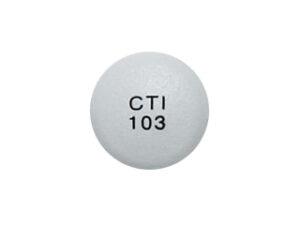
| Common forms | Tablets (strengths vary by brand/product) |
| How it helps | Reduces muscle tone, stiffness, and spasm |
| Onset | Often noticeable within hours; effects may continue into the next period |
| Typical pattern | Usually taken in divided doses through the day and possibly at night, depending on the condition |
How Tizanidine Works (Mechanism of Action)
Tizanidine works in the brain and spinal cord to reduce nerve signals that contribute to muscle stiffness. More specifically, it acts as an alpha-2 adrenergic receptor agonist. This helps:
- Reduce spasticity by lowering excitatory pathways in the spinal cord
- Promote muscle relaxation and lessen painful spasms
- Improve mobility and comfort for conditions involving muscle overactivity
By dampening overactive muscle signals, tizanidine can help you perform everyday tasks more easily—such as walking, stretching, or sleeping comfortably—depending on your underlying condition.
Pharmacokinetics (How the Body Handles Tizanidine)
Understanding pharmacokinetics can help explain timing, side effects, and why interactions matter.
- Absorption: Tizanidine is absorbed after oral dosing. The onset of action typically occurs within a few hours.
- Peak effect: Blood levels generally peak within a few hours of a dose.
- Metabolism: It is mainly metabolised by the liver, particularly via the CYP1A2 enzyme.
- Elimination: The medicine is cleared from the body relatively quickly, contributing to a need for multiple daily doses in some situations.
- Half-life: The duration of action is often several hours; however, effects can vary by individual and formulation.
Why this matters: Because tizanidine is metabolised by the liver enzyme CYP1A2, medicines (and foods) that affect this pathway can significantly change tizanidine levels—raising the risk of side effects.
What Tizanidine Is Used For (Indications)
Tizanidine is used to treat problems involving spasticity—muscle stiffness caused by damage to nerve pathways. It may be used in conditions such as:
- Multiple sclerosis
- Spinal cord injury
- Other neurological disorders that cause muscle spasticity
Some clinicians also prescribe tizanidine for muscle spasm related to other conditions where central muscle relaxation may be helpful. The appropriate use depends on your medical situation and history.
Typical Use and Timing
For many people, tizanidine is taken at regular intervals to maintain consistent symptom relief. Timing can vary based on your condition, symptom pattern, and tolerance.
Common practical timing considerations
- Start low and adjust: Many treatment plans begin with a lower dose to minimise side effects such as drowsiness or dizziness.
- Evening dosing: If you experience stiffness at night or drowsiness during the day, your dosing schedule may be adjusted accordingly.
- Steady schedule: Taking doses at consistent times can help avoid “peaks and troughs” in symptom control.
Ask your pharmacist or prescriber: If you are unsure when to take your dose or how to space doses through the day, your local pharmacist can help you interpret your individual instructions.
Dosing: What to Expect
Dosing can differ widely between individuals and conditions. Factors include age, liver function, other medicines, and how well side effects are tolerated.
Important: Always follow your healthcare professional’s dosing instructions for your specific situation.
General dosing principles
- Titrate gradually: Dose changes are often made slowly to balance symptom control and side effects.
- Use the lowest effective dose: This helps reduce the risk of dizziness, low blood pressure, and sedation.
- Monitor response: Spasm relief may require several dose adjustments to find the best regimen.
If you miss a dose, do not double up. Instead, take the next dose at the appropriate time (unless you have been given different guidance by your healthcare professional).
Food Interactions: What You Should Know
Food can affect how quickly and how much tizanidine is absorbed or tolerated.
- Consistency helps: Taking tizanidine the same way each day (with or without food, and at similar times) may help maintain predictable effects.
- Meal effects: Some patients notice changes in drowsiness or symptom control depending on whether doses are taken with food.
Practical tip: If your instructions specify “with food” or “on an empty stomach,” follow that exactly. If you are unsure, speak with your pharmacist.
Alcohol and Medicine Interactions
Alcohol
Alcohol can increase the risk of side effects with tizanidine, including:
- Drowsiness and impaired alertness
- Dizziness
- Lower blood pressure
- Slower reaction times
Recommendation: Avoid or minimise alcohol while using tizanidine, especially when starting treatment or after dose changes.
Medicines that may interact (important)
Tizanidine is sensitive to drug interactions, particularly those affecting CYP1A2 metabolism and those that influence blood pressure or sedation.
- Strong CYP1A2 inhibitors (can raise tizanidine levels significantly):
- Certain antibiotics (e.g., fluvoxamine)
- Some fluoroquinolones
- Other medicines may act as inhibitors
- Medicines that lower blood pressure:
- Some antihypertensives
- Other agents that affect heart rate or vascular tone
- Medicines that cause sedation:
- Sleep tablets
- Sedating antihistamines
- Opioids (in some cases)
- Some antidepressants or antipsychotics
- Anti-anxiety medicines
- Smoking: Smoking can sometimes reduce levels of medicines metabolised by certain liver enzymes. Tell your pharmacist if you smoke so dosing can be considered appropriately.
Always check: Inform your pharmacist about all medicines and supplements you use—including over-the-counter products. Interaction checking is one of the quickest ways to improve safety.
Safety Profile: Common and Serious Side Effects
Most people tolerate tizanidine well when dosing is appropriate. However, it can cause side effects, particularly in the first days or after dose increases.
Common side effects
- Drowsiness (sleepiness)
- Dizziness or light-headedness
- Dry mouth
- Fatigue
- Low blood pressure symptoms (e.g., feeling faint when standing)
- Nausea
Less common but important effects
- Bradycardia (slow heart rate)
- Weakness or reduced energy
- Changes in liver enzymes (usually detected on blood tests)
Seek urgent medical help if
- Severe dizziness, fainting, or symptoms of very low blood pressure
- Unusual bruising/bleeding or severe tiredness (could relate to liver issues)
- Allergic reaction symptoms (swelling, rash, trouble breathing)
Note: This is not a complete list of side effects. If you experience anything worrying, contact your pharmacist or healthcare provider promptly.
Practical Use Tips (How to Take Tizanidine Safely)
Getting started
- Be cautious with driving and machinery until you know how tizanidine affects you.
- Plan around sedation: If you feel drowsy, consider discussing timing adjustments with your pharmacist.
- Move slowly: Stand up gradually to reduce the risk of dizziness or falls.
Daily routine strategies
- Hydration: Dehydration can worsen dizziness; drink water unless you’ve been advised otherwise.
- Track symptom response: Note when your spasms improve and when they return. This can help your healthcare professional adjust timing or dose.
- Use a medication reminder: Alarms or pill organisers can help prevent missed doses.
When to check liver safety
Because tizanidine can affect liver function, your healthcare provider may recommend blood tests at intervals—especially during the first months of treatment or after dose adjustments. Keep these appointments.
Stopping or Changing Treatment
If tizanidine needs to be stopped, it is often done in a way that minimises discomfort and avoids abrupt changes. Always follow clinician guidance. Do not stop suddenly without advice, particularly if you have been taking it regularly.
Alternative Options for Muscle Spasticity/Spasm
Depending on the cause of spasticity and your personal health profile, several other options may be considered. These include:
- Other centrally acting muscle relaxants (e.g., similar medications used for spasm control)
- Baclofen (often used for spasticity, including in oral forms)
- Diazepam or other benzodiazepines in select cases (usually short-term due to sedation and tolerance risk)
- Physiotherapy and stretching to reduce stiffness and improve function
- Assistive strategies (positioning, splints, exercise programmes)
In some cases, if spasticity is severe or localised, healthcare professionals may consider additional treatments. Your pharmacist can discuss how alternative options differ in safety and interaction profiles.
Market and Legal Context in Australia
In Australia, medicines are regulated by the Therapeutic Goods Administration (TGA). Tizanidine is supplied under Australian medicine scheduling rules and availability depends on the product and regulatory classification.
- Prescription-only status may apply for certain medicines, and supply is typically coordinated through approved channels.
- Quality and safety requirements apply to products sold to the public, including manufacturing standards and labelling.
- Pharmacy-based counselling supports safe use, including interaction checking.
If you are purchasing online, reputable Australian pharmacies will provide product details and may request information needed to ensure safe supply.
Recent Guidance and Ongoing Safety Updates
Medication guidance can evolve based on new evidence, safety monitoring, and regulatory updates. For tizanidine, key ongoing themes typically include:
- Careful screening for interactions (especially CYP1A2-related inhibitors)
- Attention to blood pressure and sedation risk in older adults and those using other sedating medications
- Liver function monitoring where clinically appropriate
For the most up-to-date information, your pharmacist can point you to current Australian medicines information resources.
Delivery and Availability (Online Pharmacy Considerations)
Availability and delivery options depend on stock levels, location, and product form (for example, tablet strength or pack size).
- Stock checks: A reputable online pharmacy typically confirms availability before dispatch.
- Packaging: Medicines are usually packed securely with clear labelling for safe handling.
- Delivery timeframes: Delivery times vary by state and courier service; some pharmacies offer standard and express options.
- Tracking: Many services provide tracking so you can monitor progress.
Storage tip: Store tablets as directed on the packaging (usually at room temperature, protected from moisture and out of reach of children).
FAQ: Tizanidine (Australia)
1) When does tizanidine start working?
Many people notice relief within a few hours of a dose. The time to noticeable improvement can vary depending on the dose, your condition, and interactions with other medicines.
2) Can I take tizanidine with food?
Food instructions can differ by product and individual plan. In general, follow the exact directions given for your brand. If you’re unsure, ask your pharmacist whether to take it with or without food.
3) Is it safe to drive after taking tizanidine?
Because tizanidine can cause drowsiness and dizziness, avoid driving or operating machinery until you know how it affects you. If you feel sleepy or light-headed, do not drive.
4) What should I avoid while using tizanidine?
Avoid alcohol and be cautious with other sedating medicines. Also avoid starting new medicines (including over-the-counter products and herbal supplements) without checking interactions.
5) What interactions are most important?
Medicines that inhibit the liver enzyme CYP1A2 can increase tizanidine levels, and medicines that lower blood pressure or cause sedation can add to side effects. Tell your pharmacist about everything you take.
6) Can tizanidine affect my blood pressure?
Yes. It can cause low blood pressure in some people, especially when standing. Rise slowly and seek advice if you feel faint.
7) Why do I need liver blood tests?
Tizanidine may affect liver enzymes. Blood tests help your healthcare professional monitor liver safety, particularly during dose changes or longer-term use.
8) What if I miss a dose?
Do not double up. Take the next dose at the usual time unless you’ve been given different instructions. If you’re unsure, consult your pharmacist.
9) Can I take tizanidine long term?
Some patients use tizanidine for ongoing spasticity. Long-term use should involve monitoring for side effects, interactions, and liver function as advised by your healthcare professional.
10) Are there alternatives if I can’t tolerate tizanidine?
Yes. Alternatives may include other muscle relaxants and supportive therapies such as physiotherapy. Discuss options with your pharmacist or healthcare provider.
When to Speak to a Pharmacist
Please speak to your pharmacist if you:
- Are starting tizanidine and feel unusually drowsy or dizzy
- Have liver disease or a history of abnormal liver tests
- Take medicines for high blood pressure, heart rate, sleep, anxiety, pain, or allergies
- Want advice on timing, missed doses, or safe alcohol use
For safe use in Australia, effective communication with your pharmacy team is one of the best ways to reduce side effects and interactions.