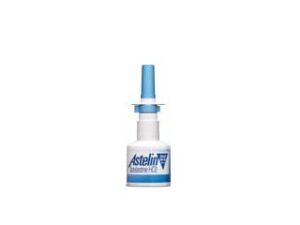
Azelastine (Azelastine Hydrochloride) – Patient Information (Australia)
Azelastine is an antihistamine medicine used to relieve symptoms caused by allergies, such as allergic rhinitis (hay fever) and allergic eye irritation. It works directly on allergic pathways to reduce sneezing, itching, runny nose, and watery, itchy eyes.
This page provides general patient-friendly information about azelastine: what it is, how it works, how it behaves in the body, how to use it safely, and what to consider regarding interactions and timing.
Basic product information
| Feature | Information |
|---|---|
| Active ingredient | Azelastine (commonly as azelastine hydrochloride) |
| Medicinal type | Antihistamine (H1 receptor antagonist) |
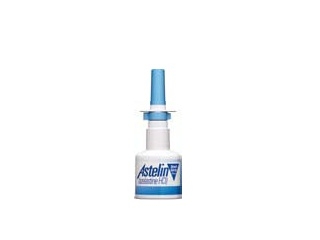
| Common forms | Nasal spray; eye drops (depending on brand and strengths) |
| Allergy symptoms treated | Nasal symptoms (sneezing, itch, runny nose, congestion); eye symptoms (itching, redness, watering) |
| Onset | Often fast-acting for many users (especially for nasal symptoms and eye symptoms) |
Brand names and strengths vary. Always check the product label you receive from your pharmacy and follow the instructions provided with that specific medicine.
How azelastine works (mechanism of action)
Azelastine is an H1 antihistamine. In allergy, the body releases histamine and other inflammatory mediators when it encounters allergens (such as pollen, dust mites, pet dander, or mould).
- Blocks H1 receptors to reduce the effects of histamine—helping to relieve itching and sneezing and reduce watery discharge.
- Reduces allergic inflammation in the nose and eyes, which contributes to longer-lasting symptom control.
- May stabilise mediator release involved in early allergic responses, supporting rapid improvement for some people.
Because it acts on both early allergy symptoms and inflammation, azelastine can be helpful during flare-ups and, when used regularly as directed, for ongoing seasonal or perennial (year-round) allergy.
Pharmacokinetics (what happens in the body)
Pharmacokinetics describes how the medicine is absorbed, distributed, metabolised, and eliminated.
- Absorption: Absorption depends on the route (nasal spray vs eye drops) and the individual. Nasal delivery is designed for local action in the nasal tissues, while some systemic absorption can occur.
- Distribution: A small amount of absorbed medicine may reach systemic circulation; distribution to different tissues varies.
- Metabolism: Azelastine is metabolised in the liver to active and inactive metabolites.
- Elimination: Metabolites are eliminated primarily via the urine and also to some extent through other routes.
- Clinical implication: For most people, side effects related to systemic exposure are uncommon when using the recommended doses. However, sensitivity to antihistamines varies, and some people may experience drowsiness.
Specific pharmacokinetic values may differ between products and formulations. Your pharmacist can confirm details for the exact azelastine product you’re using.
Typical use and common indications
Azelastine is used to treat allergy-related inflammation and symptoms.
Common indications
- Allergic rhinitis (hay fever): relief of sneezing, itchy nose, runny nose, and nasal symptoms.
- Allergic conjunctivitis / eye allergy: relief of itchy, watery eyes and redness (depending on the product).
- Seasonal or perennial allergy symptoms: can be used during allergy seasons or year-round if symptoms persist (with ongoing guidance from a healthcare professional).
Azelastine is not an immediate treatment for all causes of runny nose or nasal congestion. It is intended for allergy-related symptoms. If you have symptoms such as fever, facial pain, thick green discharge for a prolonged period, or severe worsening, you should seek medical advice.
Timing: when to take azelastine and how quickly it works
Timing depends on the formulation and dosing schedule. Many people notice symptom relief relatively quickly, but individual response varies.
- When you’re starting: Use it regularly as directed to establish control during flare-ups.
- Seasonal allergies: Some people start before peak pollen days (if recommended by their clinician or pharmacist) for best results.
- Perennial symptoms: If symptoms occur year-round, continued use may be recommended depending on your product instructions.
- Eye symptoms: Eye drops may provide relief within minutes for some users.
Practical tip: If you’re using both a nasal spray and eye drops (for example, separate products), consider timing them so you can apply comfortably without rushing.
Dosing (general guidance)
Dosing varies by product type and strength (nasal spray vs eye drops). Always follow the instructions on the packaging or those provided by your pharmacy for the specific azelastine medicine you have.
Common dosing patterns (examples)
- Nasal spray: Typical schedules may involve dosing once or twice daily in adults and, depending on product approval, different dosing for children. The label will specify age and dosing frequency.
- Eye drops: Typical schedules may involve dosing once or more times daily, depending on the product and strength.
Do not exceed the recommended dose. If symptoms are not controlled after a reasonable period (for example, several days of correct use), speak with a healthcare professional or pharmacist to review the plan.
How to use (overview)
- Nasal spray: Shake gently if required; prime if necessary; aim slightly outward toward the ear; avoid spraying directly onto the septum (the middle wall).
- Eye drops: Use clean hands; avoid touching the dropper tip; instil into the lower eyelid pocket; blink gently; wait between drops if using more than one.
For detailed steps, refer to the product leaflet. Your pharmacist can also demonstrate correct technique.
Food interactions
Azelastine’s effectiveness is generally not significantly affected by food because it is typically administered as a nasal spray or eye drops, with local action. However, some general considerations still apply:
- Nasal spray: Food is unlikely to affect dosing or absorption in a meaningful way.
- Eye drops: Food does not usually affect ocular absorption in a clinically important way.
- General wellbeing: Staying hydrated and using saline rinses (if recommended) can improve comfort during allergy seasons.
If you have a specific product and would like confirmation about any food-related issues (for example, because of other medicines you take), consult your pharmacist.
Alcohol and azelastine interactions
Azelastine is an antihistamine, and some antihistamines can cause drowsiness or impaired alertness in certain people. Alcohol may increase this risk.
- Alcohol: Avoid or limit alcohol if you feel sleepy or slowed while using azelastine.
- Driving and machinery: Be careful if you experience drowsiness. If affected, do not drive or operate machinery.
Sensitivity varies—some people experience little to no sedation, while others are more affected. If you are unsure how you respond, avoid alcohol and test how you feel before driving or working at heights.
Medicine interactions (other medicines)
Drug interactions can occur when medicines have additive effects or share metabolic pathways. The risk depends on the specific products you’re using and your medical history.
Antihistamines and sedating medicines
- Other antihistamines: Using multiple antihistamines together may increase the risk of side effects such as drowsiness or dry mouth.
- Sedatives or sleep medicines: Combining azelastine with medicines that cause drowsiness may increase sedation.
- Some anxiety medicines, opioid pain medicines, or certain antidepressants: These may also contribute to increased drowsiness for some people.
Inhaled or nasal allergy combinations
- With corticosteroid nasal sprays: Some allergy plans use both an antihistamine nasal spray and a steroid nasal spray. If both are recommended, follow the exact labelled dosing and spacing.
- Decongestants: If you use additional decongestant products, check that you are using them safely and not exceeding recommended duration (particularly for “nasal decongestant sprays,” which can cause rebound congestion if used too long).
Always tell your pharmacist about all medicines you use (including non-prescription products, vitamins, and herbal supplements) to check for interaction risks.
Safety profile and side effects
Most people tolerate azelastine well. However, side effects can occur. If you experience severe reactions, stop use and seek urgent medical advice.
Common side effects
- Nasal symptoms (nasal spray): bitter taste, nasal irritation, sneezing after spraying, mild burning or dryness.
- Eye symptoms (eye drops): temporary stinging or irritation, watery eyes, mild redness.
- Drowsiness (some people): feeling sleepy or slightly slower than usual.
- Headache in some users.
Less common but important warnings
- Allergic reaction: rash, swelling (face/lips/eyelids), difficulty breathing—seek urgent care.
- Severe dizziness: especially if you feel faint, have palpitations, or worsening weakness—seek medical advice.
Who should be extra careful
- Children: Use only products and dosing approved for the child’s age. Follow label directions carefully.
- Older adults: Increased sensitivity to sedation may occur; start cautiously.
- People with glaucoma or urinary retention risk: Though these risks are more associated with certain other antihistamines, any antihistamine can be relevant—consult your pharmacist if you have related conditions.
If you are pregnant or breastfeeding, discuss with your healthcare professional to weigh benefits and risks for you.
Practical use tips (to get better results)
Correct technique makes a big difference—especially for nasal sprays and eye drops.
Nasal spray technique tips
- Blow your nose gently before use to clear mucus.
- Angle the nozzle outward (toward the ear), not toward the centre septum.
- Use the correct number of sprays and don’t “double up” if you miss.
- Avoid sniffing hard after spraying. A light inhale is usually enough.
- Bitter taste prevention: If a bitter taste occurs, it can sometimes happen when medicine drains into the throat. Positioning and aiming slightly outward can help.
- Keep the nozzle clean and follow cleaning instructions on the leaflet.
Eye drop technique tips
- Wash hands before use.
- Avoid touching the eye or eyelids with the dropper tip.
- Wait between drops if using more than one product.
- Contact lenses: If you wear contact lenses, check the product leaflet for guidance (some eye drops are not suitable while wearing lenses).
- Close eyes gently after instilling; avoid rubbing.
When to reassess your allergy plan
- If symptoms persist despite correct use, you may need a different or additional approach (for example, adding or switching to an intranasal corticosteroid, adjusting allergen control, or changing therapy).
- If you develop new symptoms such as wheeze, chest tightness, or shortness of breath, seek prompt medical advice.
Alternative options for allergy symptoms
Depending on your symptoms (nose vs eyes), severity, and preferences, there are several alternatives to azelastine. Your pharmacist can help you compare options.
Common alternatives
- Intranasal corticosteroids (for many people with moderate to severe allergic rhinitis)
- Other intranasal antihistamines (depending on availability and suitability)
- Oral antihistamines (e.g., second-generation options in non-drowsy or lower-sedation categories)
- Eye drops for allergic conjunctivitis (antihistamine/mast-cell stabiliser combinations or antihistamines)
- Non-medicine measures such as allergen avoidance strategies, saline irrigation, and keeping indoor environments low in allergens.
The “best” option depends on what you’re treating and how well you tolerate treatments. For example, some people prefer a nasal spray for nose symptoms, while others prefer oral medicines for broader symptom control.
Australia market and legal context (general information)
In Australia, medicines are regulated by the Therapeutic Goods Administration (TGA). Availability can vary by formulation, strength, and indication. Allergy medicines may be supplied as prescription or non-prescription items depending on the specific product and regulatory status.
Because product categories can change, always confirm the status of the exact azelastine product you are purchasing from your pharmacy. Your pharmacist can also advise on whether the medicine is suitable for your situation and how to use it correctly.
Online pharmacies in Australia typically provide product information, supply compliant with Australian regulations, and support safe use through patient education and availability details.
Recent guidance and allergy management considerations
Allergy treatment guidance commonly emphasises:
- Early and consistent use for seasonal allergy patterns (especially if symptoms are predictable).
- Matching treatment to symptom severity (mild intermittent symptoms vs persistent moderate/severe symptoms).
- Combination therapy when appropriate (for example, adding an antihistamine to intranasal corticosteroids for additional relief).
- Correct technique for nasal sprays and eye drops to ensure medicines reach the target tissues.
- Allergen control strategies, such as reducing exposure to pollen and dust mites where possible.
If you’re not improving as expected, reassessment may include checking technique, adherence, alternative diagnoses (such as viral rhinitis), and considering additional treatment steps with a healthcare professional.
Delivery, availability, and ordering (Australia)
Availability may vary depending on the exact azelastine product (nasal spray vs eye drops), the strength, and current stock. Our online pharmacy aims to provide:
- Clear product options showing formulation and strength.
- Estimated delivery times based on location and product availability.
- Secure checkout and compliant handling of orders.
- Support if you have questions about suitability or usage instructions.
Delivery times vary by state and suburb. If you need urgent relief (for example, during a peak allergy day), place your order as early as possible and check the estimated dispatch/delivery timeframe shown at checkout.
How to use azelastine safely (step-by-step checklist)
- Read the leaflet that comes with your specific product.
- Use the labelled dose and do not exceed it.
- Use correct technique for nasal spray or eye drops.
- Keep a routine during allergy seasons if your plan involves regular dosing.
- Watch for side effects such as drowsiness, irritation, or an unusual reaction.
- Seek advice if symptoms worsen, you develop severe side effects, or you’re unsure about continuing use.
FAQ: Azelastine (Australia)
1. What is azelastine used for?
Azelastine is used for allergy-related symptoms, commonly allergic rhinitis (hay fever) and allergic eye symptoms such as itching and watering. The exact uses depend on the formulation (nasal spray vs eye drops).
2. How fast does azelastine work?
Many people notice improvement relatively quickly, particularly for nasal and eye symptoms. Timing varies by person and by product. For best symptom control, use azelastine as directed.
3. Can I use azelastine every day?
It may be used regularly for persistent or seasonal allergies, depending on the specific product and label instructions. If you’re unsure, ask a pharmacist about your dosing schedule and how long you can use it.
4. Will azelastine make me sleepy?
Some people experience drowsiness, though many tolerate it with minimal effects. Alcohol may increase sleepiness. If you feel affected, avoid driving or operating machinery and talk to your pharmacist.
5. What should I do if I miss a dose?
Take it when you remember unless it’s close to your next dose. Do not double the dose. Refer to your product leaflet for specific advice.
6. Can I take azelastine with other allergy medicines?
Sometimes combinations are used (for example, an antihistamine plus a steroid nasal spray). However, avoid stacking multiple antihistamines without advice, as it can increase side effects. Ask your pharmacist for a safe plan.
7. Are there food interactions with azelastine?
Food is not usually expected to affect azelastine when used as a nasal spray or eye drops. Follow the product label, and if you’re taking many medicines, confirm with a pharmacist.
8. Is azelastine safe for children?
Only use azelastine products that are specifically approved for your child’s age and follow label dosing carefully. If you’re unsure, consult a pharmacist or healthcare professional.
9. Can I wear contact lenses when using azelastine eye drops?
Some eye drops may interact with contact lenses. Check the product leaflet for guidance. If lenses are not suitable, remove them before instilling drops and ask when to reinsert.
10. When should I seek medical advice?
Seek prompt advice if you have severe allergic reactions (swelling, rash, breathing difficulty), worsening symptoms, or symptoms not typical for allergies (such as fever or severe facial pain). If you have asthma symptoms like wheeze or shortness of breath, seek medical help.
Summary
Azelastine is an antihistamine medicine commonly used to relieve allergy symptoms affecting the nose and eyes. It works by blocking histamine at allergy sites and helping reduce allergic inflammation. Many users experience symptom relief quickly, and it is often well tolerated when used correctly.
For safe and effective use in Australia, follow the specific product instructions, apply the correct technique for nasal spray or eye drops, and consider practical allergy control measures. If you have questions about dosing, interactions, or suitability for you or your family, consult your pharmacist.