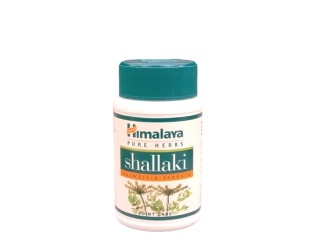
Shallaki (Boswellia serrata) — Patient-Friendly Guide for Australia
Shallaki is an oral herbal medicine used traditionally to support joint comfort and mobility, particularly where inflammation may play a role. In many products, Shallaki is standardised to Boswellia serrata extract. This page explains how it works, when to take it, what to expect, and important safety and interaction information for people in Australia.
Note: Brand formulations and strengths can vary by manufacturer. Always check your specific product label and follow the directions provided with your purchase.
Quick Product Summary
- Product name: Shallaki
- Common ingredient: Standardised Boswellia serrata (frankincense resin extract)
- Typical purpose: Support joint comfort and flexibility; may help reduce inflammatory symptoms
- How it’s taken: Usually by mouth as tablets or capsules
- How long it takes to work: Often weeks, not hours (consistent daily use is usually recommended)
Basic Information: What is Shallaki?
Shallaki is derived from the resin of Boswellia serrata, a tree native to parts of Asia and Africa. Herbal extracts from Boswellia have been used for centuries. Modern standardisation aims to provide a consistent content of active constituents, commonly including boswellic acids.
Many Shallaki products are designed for daily use in adults experiencing stiffness or discomfort, such as:
- Joint stiffness associated with age-related changes
- Comfort support for knees, hips, hands, or other commonly used joints
- Situations where inflammation appears to contribute to soreness
How Shallaki Works (Mechanism of Action)
The precise mechanism can vary by product composition, but Boswellia extracts are generally understood to influence inflammatory pathways. One of the most discussed mechanisms relates to the body’s inflammatory signalling systems.
Key ways it may help:
- Anti-inflammatory activity: Boswellia extracts are thought to influence enzymes and inflammatory mediators that contribute to swelling and discomfort.
- Support for joint tissue comfort: By reducing inflammatory signals, it may help maintain comfort during everyday movement.
- Potential antioxidant effects: Some constituents may help counter oxidative stress, which can accompany inflammation.
Important: Shallaki is intended to support joint comfort. It is not a direct painkiller. Many people notice benefits gradually as inflammation-related symptoms settle.
Pharmacokinetics (How the Body Handles It)
Pharmacokinetics (PK) refers to absorption, distribution, metabolism, and excretion. For Boswellia extracts, PK data depends strongly on the specific extract type, standardisation, and formulation.
In general, what is known from available studies and extract characteristics:
- Absorption: Boswellic acids are typically absorbed after oral dosing, but bioavailability may be variable depending on the product and whether it’s taken with or without food.
- Distribution: After absorption, constituents may distribute into tissues involved in inflammatory processes.
- Metabolism & elimination: Metabolism occurs in the body’s normal pathways; elimination is largely through hepatic metabolism and clearance processes.
Practical takeaway: Because absorption can be formulation- and food-dependent, consistent use following label directions (including regarding meals) is important for the best chance of consistent effects.
Typical Use: Who Might Benefit?
Shallaki is commonly used by adults seeking support for joint comfort, particularly when inflammation seems involved. People often consider Shallaki for:
- Stiffness that affects daily movement
- Discomfort in joints such as knees, hips, hands, and lower back (depending on individual condition)
- Mobility support alongside lifestyle approaches like exercise and weight management
It may be used alongside other approaches such as:
- Gentle strength and mobility exercises (e.g., physiotherapist-guided programs)
- Heat or cold therapy
- Supportive footwear and activity modification
When to seek medical advice: If you have severe pain, sudden swelling, redness, fever, unexplained weight loss, or symptoms that are rapidly worsening, get professional advice promptly.
Indications (What It’s Used For)
In patient-friendly terms, Shallaki is used for joint comfort and flexibility support. Depending on the formulation and Australian regulatory category, claims and indications may be framed as:
- Traditionally used for the maintenance of comfort in joints
- Supports healthy inflammatory balance
- Helps relieve symptoms related to joint discomfort over time
Always check your product label for the specific indications and directions relevant to the exact product you have.
Dose and Timing: How to Take Shallaki
Dosing instructions vary by brand and strength. Use the dose printed on the product label or as directed by your healthcare professional.
That said, common dosing patterns for Boswellia/“Shallaki” products include:
- Adults: Often taken once or twice daily, depending on the extract standardisation and tablet/capsule strength.
- With regular use: Daily consistency is important. Benefits are usually not immediate.
Typical timing suggestions:
- Choose a time you can maintain daily (e.g., morning and evening).
- If your label suggests “with food,” take it with meals.
- If your label suggests “after meals,” follow that timing to minimise stomach upset and improve consistency.
How long before you notice effects?
- Many people reassess after 4–8 weeks of consistent daily use.
- If you’re not noticing any improvement, review your approach with your pharmacist or doctor and consider alternative options.
Food Interactions and Administration With Meals
Food can affect absorption of Boswellia extracts, particularly because some constituents may be absorbed differently depending on stomach contents and fat intake.
General guidance:
- Take with food if your product label recommends it, or if you experience stomach discomfort when taking it on an empty stomach.
- Be consistent: if you start taking it with breakfast, keep taking it similarly each day.
- Avoid sudden changes in timing (e.g., switching between fasting and after meals) unless the label instructs otherwise.
If you have a sensitive stomach: Taking Shallaki after meals may reduce nausea or indigestion in some people.
Alcohol and Medicine Interactions
Alcohol: While there is no universally proven direct interaction between Boswellia and alcohol, it’s wise to limit alcohol when you’re using any medicine or supplement—especially if you have liver conditions or take multiple medications.
Medicine interactions: Interaction potential can vary by individual medicines and liver metabolism pathways. Consider extra caution if you take:
- Blood-thinning medicines (e.g., warfarin) or antiplatelet drugs, because any supplement affecting inflammation or clotting pathways may require monitoring.
- Non-steroidal anti-inflammatory drugs (NSAIDs) (e.g., ibuprofen, naproxen). Using multiple anti-inflammatory approaches may increase the chance of side effects such as stomach irritation for some people.
- Other herbal products with anti-inflammatory or immune-modulating effects.
- Medicines processed by the liver, where any supplement may influence metabolism.
Practical approach:
- Tell your pharmacist or doctor about all medicines and supplements you use.
- If you’re starting Shallaki and you take long-term medications, ask whether any monitoring is recommended.
Safety Profile: Side Effects and Precautions
Shallaki is generally considered well tolerated by many users when taken as directed. However, herbal medicines can still cause side effects or interact with other treatments.
Common side effects
- Gastrointestinal discomfort (e.g., mild nausea, stomach upset)
- Heartburn or indigestion (in some people)
- Loose stools or changes in bowel habits (less common)
Less common but important considerations
- Allergic reactions: Rarely, people may experience rash, itching, swelling, or breathing difficulties—seek urgent help if these occur.
- Medication sensitivity: If you notice new or worsening symptoms after starting Shallaki, stop and seek advice.
Who should be cautious?
- Pregnancy and breastfeeding: Safety data may be limited; check with a healthcare professional before use.
- Liver conditions: Because herbal extracts are processed by the body, people with liver disease should consult a clinician before taking Boswellia.
- Children: Use in children is generally not recommended unless a clinician specifically advises it.
- Planned surgery: If you take medicines affecting bleeding/clotting, seek advice before stopping or starting any supplement.
When to seek urgent medical help
- Swelling of the face/lips, difficulty breathing, or widespread rash
- Severe abdominal pain or signs of liver problems (e.g., yellowing of eyes/skin, dark urine, severe fatigue)
Practical Use Tips for Getting the Best Results
Shallaki works gradually for many people. These practical steps may improve your chances of success:
- Be consistent: Take it every day at roughly the same time.
- Track symptoms: Note your pain/stiffness (for example, morning stiffness duration or comfort on a 0–10 scale).
- Combine with movement: Gentle daily activity can complement anti-inflammatory support. Consider walking, stretching, or physiotherapy exercises.
- Adjust expectations: It’s typically not designed for instant relief.
- Review after 6–8 weeks: If there’s no meaningful improvement, reassess dosage and alternatives.
- Check quality: Choose products with standardised extracts and clear labeling.
Alternative Options (If Shallaki Isn’t Right for You)
If you’re considering joint comfort support, there are multiple pathways depending on your symptoms and health profile.
Non-medicine approaches
- Exercise therapy (strengthening, mobility, flexibility)
- Weight management (if relevant)
- Physiotherapy and joint-friendly movement plans
- Heat/cold and activity pacing
Other supplement options commonly used for joint comfort
- Glucosamine & chondroitin
- Omega-3 fatty acids
- Curcumin (turmeric extract)
- Collagen peptides
Discuss medicines with a clinician
Some people may use prescribed or non-prescribed pain and anti-inflammatory medicines when appropriate. Because joint symptoms can arise from different causes (e.g., inflammatory arthritis, osteoarthritis, tendon issues), it’s helpful to confirm the likely cause.
Tip: If you’re already taking anti-inflammatory or pain-relieving medicines, ask your pharmacist before adding another product with anti-inflammatory effects.
Shallaki in the Australian Market: Legal/Regulatory Context
In Australia, herbal medicines and supplements are regulated under different frameworks depending on product classification and claims. Products may be supplied as:
- Listed or registered medicines where there are specific quality, safety, and efficacy requirements
- Listed complementary medicines or other categories depending on the claims made
- Dietary supplements (depending on jurisdiction and permitted claims)
What this means for you as a buyer:
- Look for clear labeling showing the ingredient(s) and standardised content if applicable.
- Only accept products that include local compliance information and a supplier address where required.
- Be cautious with products making strong disease-specific claims that go beyond general comfort support.
Recent Guidance and Evidence Considerations
Herbal ingredients like Boswellia are researched in multiple contexts. However, evidence quality can vary depending on standardisation, dose, study design, and the specific condition being targeted.
What most guidance tends to emphasise:
- Use consistent dosing and evaluate progress over weeks.
- Match expectations: support comfort rather than expecting immediate pain elimination.
- Check interactions if you take multiple medicines.
- Stop and seek help if you experience adverse effects.
Best practice: If you have a diagnosed condition (such as inflammatory arthritis) or take long-term medications, discuss with a healthcare professional to ensure compatibility with your overall plan.
Delivery and Availability in Australia
Shallaki is commonly available through pharmacies and online retailers, depending on stock levels and product category. Availability may vary by:
- Strength and pack size (e.g., 30, 60, 90 capsules/tablets)
- Brand and extract standardisation level
- Current regulatory category and supply chain
Delivery options: Many Australian online pharmacies offer standard and express shipping. Delivery timeframes depend on your location and order processing time.
How to ensure you receive the correct product:
- Confirm the exact product name and strength shown on the label.
- Check expiry dates where available.
- Store as directed (often a cool, dry place away from sunlight).
Storage and Handling
- Store capsules/tablets in a cool, dry place away from direct sunlight.
- Keep out of reach of children.
- Do not use after the expiry date on the package.
FAQ: Frequently Asked Questions About Shallaki
1) What is Shallaki made from?
Shallaki products typically contain a standardised extract of Boswellia serrata (frankincense tree resin). Look at the ingredient list on your specific product for exact standardisation and strength.
2) How quickly will I feel benefits?
Most people notice changes gradually. It’s common to reassess after 4–8 weeks of consistent daily use, following the label directions.
3) Should I take Shallaki with food?
Many Boswellia formulations are taken with meals or after meals to support consistent absorption and minimise stomach upset. Follow your product label. If you’re unsure, ask a pharmacist.
4) Can I take Shallaki with pain relief medicines?
Some people use joint support supplements alongside pain relief approaches, but compatibility varies. If you take NSAIDs, blood thinners, or multiple medications, discuss with your pharmacist to reduce the risk of interactions.
5) Is alcohol safe while taking Shallaki?
There is no universally proven interaction for all products, but alcohol may increase stress on the body and could worsen side effects like stomach irritation. If you drink alcohol, keep it moderate and consider asking a pharmacist—especially if you have liver issues or take multiple medicines.
6) Who should not use Shallaki?
People who are pregnant or breastfeeding, children, and those with liver disease should consult a healthcare professional before use. Anyone with a history of allergy to herbal products should be cautious.
7) What side effects might occur?
Possible side effects include mild gastrointestinal discomfort such as nausea, indigestion, or loose stools. Stop use and seek medical advice if you experience an allergic reaction or significant symptoms.
8) Can I take it long-term?
Long-term use depends on your health status and symptom pattern. Many people use joint support supplements for ongoing comfort, but it’s wise to review benefits periodically (e.g., every few months) with a pharmacist or clinician.
9) How do I know which dose is right?
Use the dose specified on your product label. Dosing depends on the extract strength and standardisation. If you’re considering switching products, compare the boswellic acid content and follow the new label directions.
10) Are there alternatives to Shallaki?
Yes—depending on your symptoms, alternatives may include other joint support supplements (e.g., omega-3, glucosamine) and non-supplement approaches like physiotherapy, strengthening exercises, and weight management.
Final Tips: Making Shallaki Part of Your Routine
If you’re considering Shallaki for joint comfort, the most helpful approach is to:
- Choose a reputable product with clear labeling and standardised extract information.
- Take it consistently at the recommended time and with the recommended meal timing.
- Track your symptoms over weeks and reassess your plan if results are limited.
- Check interactions if you take other medicines or have medical conditions.
Disclaimer: This information is intended to help you understand Shallaki and make safe choices. It does not replace personalised medical advice. If you have questions about suitability for your circumstances or interactions with your current medications, speak with a pharmacist or healthcare professional.