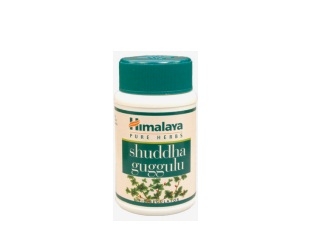

Shuddha Guggulu (Shuddha Guggul) – Ayurvedic Herbal Supplement
Shuddha guggulu is a traditional Ayurvedic resin preparation derived from the Commiphora wightii tree (also known as guggul). It has been used for centuries in South Asian traditional medicine, particularly in formulations aimed at supporting healthy joints, mobility, and metabolic balance. Today, it is commonly used as a non-prescription herbal product in supplement form.
This page provides patient-friendly information about how Shuddha guggulu is typically used, what it may do in the body, practical considerations, and important safety notes—tailored for people shopping from Australia.
Quick Product Overview
- Product type: Herbal supplement (Ayurvedic)
- Common name: Shuddha Guggulu / Shuddha Guggul
- Source: Purified guggul resin (Commiphora wightii)
- Typical supporting uses: Joint comfort, flexibility, and metabolic wellness
- How it’s usually taken: Oral use, commonly with meals depending on the product label
- Regulatory status: Marketed as a complementary/therapeutic good depending on ingredients and claims (see Australia section below)
What is Guggulu and What Does “Shuddha” Mean?
“Guggulu” refers to the resin exuded by the Commiphora species. In Ayurvedic practice, the resin is commonly processed to reduce impurities and improve consistency.
Shuddha generally means purified or cleaned—the aim is to obtain a more refined guggul preparation. Many modern products are standardised based on resin constituents, but the exact standardisation varies by manufacturer.
Important note: Always check the Supplement Facts / label details for the exact form (powder, extract, tablets/capsules), strength, and directions.
How Shuddha Guggulu Works (Mechanism of Action)
In traditional use, guggulu is valued for its balancing effects on the body. In modern scientific discussions, its potential actions are commonly linked to plant compounds such as guggulsterones (including E- and Z- isomers) and other constituents present in guggul.
Although evidence quality varies across different conditions, proposed mechanisms include:
- Metabolic support: Guggul has been studied for its influence on pathways involved in lipid regulation (including possible interactions with nuclear receptors linked to cholesterol metabolism).
- Anti-inflammatory activity: The resin’s bioactive compounds may contribute to reduced inflammatory signalling in some contexts.
- Antioxidant effects: Herbal resin constituents may support antioxidant balance, which can be relevant to tissue comfort and recovery.
- Joint and mobility support: Through a combination of anti-inflammatory and general metabolic actions, it’s used by many people seeking comfortable movement.
Understanding expectations: Shuddha guggulu is usually considered supportive rather than curative. Results—if they occur—are typically gradual and may take several weeks of consistent use.
Pharmacokinetics (What We Know About Absorption and Metabolism)
Pharmacokinetics describes what the body does to a substance—absorption, distribution, metabolism, and elimination. For guggul preparations, comprehensive data from large human studies is limited and can vary depending on:
- The form (powder vs extract vs capsule/tablet)
- The dose and standardisation
- Individual factors such as age, gut health, and co-conditions
General considerations based on available knowledge include:
- Absorption: Resins and lipophilic constituents may have variable absorption. Taking with food may improve tolerability and potentially absorption depending on formulation.
- Metabolism: Plant constituents are typically metabolised in the liver and further processed by the body’s enzyme systems.
- Elimination: Metabolites are cleared via normal bodily routes.
Practical implication: Because exact pharmacokinetic profiles for each branded product are not always fully characterised, follow the manufacturer’s instructions and give your body time to respond.
Typical Use and Indications (Patient-Friendly Overview)
Shuddha guggulu is commonly used as a complementary approach for the following supportive needs (wording may vary by brand and local regulatory requirements):
- Joint comfort and flexibility: People with stiffness or discomfort related to everyday wear and movement often seek support.
- Healthy inflammatory balance: Traditional use and some evidence suggest potential support for inflammatory pathways.
- Lipid/metabolic wellness: Some people use guggulu with the goal of supporting metabolic health and healthy cholesterol levels.
Not a replacement for medical care: If you have persistent pain, swelling, or unexplained symptoms, seek professional medical advice. This supplement is for supportive care.
How to Take Shuddha Guggulu (Timing and Dosing)
Because products differ in strength and form, the safest approach is to use the dose stated on your specific product label.
Typical dosing (general guidance)
Many commercial Shuddha guggulu products are taken in the range of commonly 250–500 mg to 1,000 mg per day, split into one or two doses, but this varies widely by formulation and standardisation.
Follow your label for:
- How many capsules/tablets per dose
- Whether to take once or twice daily
- Whether the manufacturer recommends taking with or without food
Timing tips
- Consistency matters: Taking at the same times each day helps you monitor effects and side effects.
- With meals (often preferred): Many people find herbal supplements easier on the stomach when taken with food, particularly if the product has a strong resin taste or contains concentrated ingredients.
- Split dosing: If your label recommends twice daily, aim for roughly 8–12 hours between doses.
Allow time: For joint comfort and metabolic goals, a consistent routine may be needed for 4–8 weeks before judging results (individual experiences vary).
Food Interactions and Meal Considerations
Specific food-drug interaction data for Shuddha guggulu products is limited. However, given that guggul constituents are resinous and may be lipophilic, food may influence tolerability and absorption.
Common practical advice:
- Take with a meal if you experience stomach discomfort.
- Keep your routine stable (e.g., same meal timing daily) so any effects are easier to evaluate.
- If you are taking other supplements, consider spacing them out if you notice digestive upset.
Gastrointestinal sensitivity: Some users report mild digestive effects (e.g., nausea or stomach discomfort). If this occurs, take with food or discuss options with a healthcare professional.
Alcohol and Medicine Interactions
Alcohol
There are no universally established alcohol interactions for Shuddha guggulu; however, alcohol can affect liver function and may worsen gastrointestinal irritation for some people. For safety:
- Limit alcohol while using herbal supplements.
- Stop and seek advice if you experience symptoms such as persistent nausea, upper abdominal discomfort, dark urine, or jaundice.
Interactions with medicines
Because guggul may influence metabolic pathways and certain liver enzymes, interactions are possible—particularly with medicines affecting lipids or the liver.
Use extra caution and seek professional advice if you take:
- Lipid-lowering medicines (e.g., statins or other cholesterol-lowering drugs)
- Medicines processed by the liver (enzyme-sensitive medications)
- Hormone-related treatments (guggul has been studied for receptor-related effects; discuss with a clinician if relevant)
- Blood-thinning medicines (to be safe, particularly if you have bleeding risk)
Always check with a pharmacist or doctor if you are taking prescription or scheduled medicines, especially for long-term conditions.
Safety Profile and Possible Side Effects
Shuddha guggulu is generally used as an oral herbal supplement. However, “natural” does not automatically mean “risk-free.” Side effects and risks depend on individual health, dose, and product quality.
Possible side effects
- Digestive effects: nausea, loose stools, abdominal discomfort
- Headache in some individuals
- Skin reactions (rare): rash or itching
Liver-related caution
Herbal products can occasionally affect liver health. If you experience:
- Yellowing of the skin or eyes (jaundice)
- Dark urine
- Severe fatigue
- Persistent upper abdominal pain
Stop use and seek medical advice promptly.
Who should be extra cautious
- Pregnancy or breastfeeding: avoid unless specifically advised by a qualified healthcare professional.
- Children: safety and dosing are not established for routine use; seek guidance.
- Liver disease: consult a clinician before use.
- Hormone-sensitive conditions: discuss with a healthcare professional.
Allergy considerations
If you have a history of allergy to resinous plants or related herbal ingredients, check the label and consider professional advice before starting.
Practical Use Tips (Getting the Best Experience)
- Choose a reputable brand: look for batch details, quality testing, and clear ingredient lists.
- Start low, go steady: if you are new to guggulu, begin with the lower end of the labeled range where appropriate.
- Track outcomes: note changes in joint comfort, mobility, or digestion—along with any side effects.
- Give it time: many people assess supportive effects after several weeks of consistent use.
- Stay hydrated: helps general well-being and may support digestive comfort.
- Use alongside lifestyle support: gentle movement, physiotherapy exercises (if relevant), and a balanced diet can enhance overall results.
Alternative Options (What You May Consider Instead)
If Shuddha guggulu is not suitable—or if you want other complementary strategies—common alternatives include:
- Turmeric/curcumin: often used for comfort and inflammatory balance.
- Boswellia serrata (frankincense extract): commonly used for joint support.
- Glucosamine and chondroitin: widely used for joint-related support.
- Collagen peptides: sometimes used to support connective tissue with ongoing lifestyle movement.
- Omega-3 fatty acids: may support inflammatory balance for some people.
- Magnesium and vitamin D (if deficient): relevant to muscle function and overall health.
Tip: If you choose an alternative, consult a pharmacist/clinician—especially if you take other medications—because combinations can increase the chance of side effects.
Shuddha Guggulu: Summary Table
| Category | What to Expect |
|---|---|
| Product type | Purified guggulu resin supplement (Ayurvedic) |
| Main supportive goals | Joint comfort, healthy inflammatory balance, metabolic/lipid wellness |
| How it’s taken | Oral, often with food; follow label for dose and timing |
| Onset of effects | Gradual; many people evaluate after 4–8 weeks |
| Food interactions | Food may improve tolerability; keep routine consistent |
| Medication interactions | Possible with lipid-lowering drugs, liver-enzyme sensitive medicines, and hormone-related treatments |
| Safety notes | Possible GI upset; rare liver-related concerns—stop and seek advice if symptoms occur |
| Best practice | Use reputable brands, track outcomes, start gently |
Australia Market & Legal Context (For Online Buyers)
In Australia, complementary medicines and herbal supplements are generally regulated differently from prescription medicines. Many products sold online are treated as therapeutic goods and may be regulated under the Australian regulatory framework.
Key points for customers:
- Check the product listing for the intended purpose and any compliance statements.
- Claims should be supported and presented in line with Australian requirements (for example, “helps maintain” type wording is often different from claiming to treat a disease).
- Ingredient transparency: ensure the label lists all actives and standardisation (where applicable).
Recent regulatory expectations: Australian authorities emphasise consumer safety, quality controls, and appropriate claims for complementary medicines. Always choose products with clear labelling and supplier traceability.
Recent Guidance and Safety Expectations
While individual product evidence can vary, general safety and responsible-use guidance for herbal supplements includes:
- Start one product at a time so you can identify the cause of any side effects.
- Review your full medication list with a pharmacist if you take prescription medicines.
- Be cautious with long-term use if you have liver disease or complex medical conditions.
- Watch for warning signs (especially persistent digestive symptoms or signs of liver stress).
If you’re considering Shuddha guggulu for a specific health issue, it’s often helpful to discuss your goals with a pharmacist to ensure it aligns with your situation.
Delivery and Availability in Australia
We aim to make Shuddha guggulu accessible for customers across Australia. Availability can vary based on stock from suppliers and your local delivery region.
Typical delivery considerations:
- Dispatch times: may vary depending on whether the product is held in local warehouse stock.
- Cold chain: Shuddha guggulu supplements are typically stored at room temperature; follow label storage instructions.
- Packaging: products are usually sealed to maintain integrity during transit.
Important: Always check the product’s expiry date and storage conditions on arrival.
FAQ – Common Questions About Shuddha Guggulu
1) Is Shuddha guggulu the same as guggulu resin?
Shuddha guggulu generally refers to a purified form of guggul preparation. Products may be made as powders or extracts and then formulated into capsules/tablets. Always check the exact ingredient form on the label.
2) How long does it take to work?
Supportive effects for joint comfort and metabolic wellness are usually gradual. Many people assess results after 4–8 weeks of consistent use, but individual experiences vary.
3) Should I take it with food?
Many people prefer taking herbal supplements with a meal to reduce stomach upset. However, follow the directions on your specific product label.
4) Can I take Shuddha guggulu if I’m on cholesterol medication?
Because interactions are possible—especially with lipid-lowering medicines—it’s wise to discuss with a pharmacist or healthcare professional before combining products.
5) Does Shuddha guggulu affect liver function?
Any supplement may carry a rare risk of liver-related effects. If you develop symptoms such as jaundice, dark urine, or severe fatigue, stop use and seek medical advice.
6) Is it safe during pregnancy or breastfeeding?
Safety is not well established. It’s generally recommended to avoid use during pregnancy and breastfeeding unless advised by a qualified healthcare professional.
7) What side effects should I watch for?
Possible side effects include mild gastrointestinal discomfort (nausea or loose stools). Stop use and seek help if symptoms are severe, persistent, or include signs of liver stress.
8) Can I drink alcohol while taking it?
It’s best to limit alcohol. If you drink, use caution and monitor for digestive or liver-related symptoms. Discuss with a healthcare professional if you have liver risk factors.
9) What are good practical tips for best results?
Start consistently, take as directed, consider taking with meals for comfort, and track outcomes over several weeks. Also pair with lifestyle measures such as gentle exercise and a balanced diet.
10) Are there alternatives if Shuddha guggulu isn’t right for me?
Yes. Depending on your goals, alternatives may include turmeric/curcumin, Boswellia, omega-3s, glucosamine/chondroitin, or collagen peptides. Check for interactions with your medicines.
Bottom Line
Shuddha guggulu is a traditional Ayurvedic purified guggul resin supplement used by many people for supportive goals such as joint comfort and metabolic wellness. While it may offer benefits for some individuals, it’s important to follow the label, be mindful of possible interactions (particularly with lipid-lowering medicines or liver-enzyme sensitive drugs), and monitor for any side effects.
If you have existing medical conditions, take regular medications, or are unsure whether it fits your health plan, a pharmacist or healthcare professional can help you make a safe, informed choice.