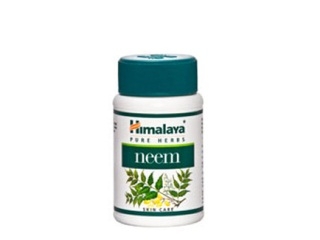
Neem (Azadirachta indica) – Patient-Friendly Guide for Australia
Neem is a plant-derived remedy commonly used in traditional systems for skin, hair, and general wellness. In Australia, Neem products are typically sold as vitamins, herbal supplements, or topical preparations depending on the ingredient form (e.g., leaf extract, oil, or powders) and the intended claim. This guide explains how Neem may work, how it’s typically used, key safety considerations, and practical tips for getting the most from your product.
| Product name | Neem (Azadirachta indica) | Common forms |
|---|---|---|
| What it is | Herbal ingredient derived from the neem tree | Capsules/tablets, powders, oils, topical creams/sprays |
| Typical use | Skin and scalp support; traditional wellness use | Topical or oral (varies by product) |
| Active compounds | Contains biologically active limonoids (e.g., azadirachtin) and flavonoids | Varies by extract standardisation |
| Where it’s used | Global traditional use; supplement and topical products in Australia | Australia-wide availability online and in stores |
Basic product information
Neem refers to the neem tree (Azadirachta indica), native to parts of Asia and widely cultivated elsewhere. The leaves, bark, seeds, and oil are used to make products for different purposes.
- Leaves/extracts: commonly used in supplements and some topical formulations.
- Neem oil: often used in topical preparations (e.g., for scalp/skin). It may also be used for household pest control—but topical and oral products are different.
- Powders: usually from dried leaf material; typically used in oral supplements or traditional preparations.
Important: The exact ingredients and strength vary widely. Always check your specific product’s label for the form, recommended serving size, and standardised extract details (if provided).
How Neem may work (mechanism of action)
Neem contains multiple naturally occurring compounds, including limonoids (notably azadirachtin), flavonoids, and other phytochemicals. The way Neem may support the body depends on the target area (skin/scalp vs. systemic use) and the specific product formulation.
Potential actions of neem-derived compounds
- Antimicrobial activity (in lab studies): Neem compounds may help inhibit certain microbes.
- Anti-inflammatory effects: Neem may support reduced inflammatory signalling, which can be relevant for irritated skin.
- Antioxidant properties: Neem contains compounds that may help neutralise oxidative stress.
- Skin barrier support (topical): Some people use Neem products to soothe and maintain comfort on the skin or scalp.
- Hair/scalp support (topical): Neem is often used as part of routines for scalp comfort; results vary from person to person.
Note on evidence: Neem has a long history of traditional use, and some laboratory and limited human evidence exists for certain uses. However, the strength of evidence varies by condition and product type.
Pharmacokinetics (what we know about absorption and processing)
Pharmacokinetics describes how a substance is absorbed, distributed, metabolised, and eliminated in the body. For Neem, detailed pharmacokinetic data in humans is limited, particularly for specific extracts and branded formulations.
General considerations
- Oral products: absorption and metabolism likely depend on the type of extract (leaf powder vs. standardised extract vs. oil), dose, and excipients.
- Topical products: systemic absorption through intact skin is generally expected to be lower than oral use, though absorption may increase with broken skin or heavy application.
- Metabolism and elimination: Neem compounds are expected to be processed by normal liver and intestinal pathways, but the specific pathways and half-lives are not fully established.
Practical takeaway: Because pharmacokinetic information is incomplete, it’s wise to follow label directions, start with the lowest effective dose, and monitor for effects or side effects.
Typical use and timing
Neem is used for different goals depending on the formulation. Here are common, label-based approaches that people use in Australia.
Typical use examples
- Topical: used for scalp comfort, dry/irritated skin, or as part of a hair/skin routine.
- Oral supplements: taken as a daily wellness supplement by some people.
Timing tips
- Oral (if your product is meant to be taken by mouth): many people take it with a meal to reduce the chance of stomach upset.
- Topical: apply to clean, dry skin or scalp as directed (often once daily or a few times weekly).
- Give it time: skin and scalp routines often require 2–8 weeks to assess whether a change is noticeable.
Always follow your product label: recommended timing differs by formulation and strength.
Food interactions
Because Neem products vary (powder, extract, oil), food interactions can differ. The general guidance is to use Neem in a way that supports tolerance.
Common-sense interaction guidance
- With food: Taking oral Neem with meals may improve tolerance and reduce nausea or stomach discomfort.
- Avoid taking at the same time as multiple supplements: If you’re using several herbal products, separating doses can help you identify which one may cause side effects.
- High-fat meals: For oil-based or fat-containing formulations, effects on absorption may occur. If the label suggests taking with food, follow it.
If you have sensitive digestion: start once daily, then adjust if needed and tolerated.
Alcohol and medicine interactions
Alcohol: There is no universal rule for Neem-alcohol interactions, but since supplements can sometimes affect digestion and the liver (for certain herbal ingredients), it’s sensible to limit alcohol while starting a new Neem product and monitor for any adverse effects (such as nausea, fatigue, or abdominal discomfort).
Medicines (possible interaction considerations)
Well-controlled studies assessing Neem interactions with prescription medicines are limited. To stay safe:
- If you take medicines regularly: consult a healthcare professional or pharmacist before using Neem.
- Liver-metabolism concerns: Some herbal ingredients can interact with liver enzymes. If you’re on medicines that are known to be metabolised by the liver, extra caution is recommended.
- Blood sugar / blood pressure medications: While Neem is not established as a standard interaction risk, herbal products with biologically active compounds may affect physiology in some individuals. Monitoring is prudent.
- Immunomodulating conditions or therapies: If you are immunocompromised or using immunomodulating medicines, discuss Neem use first.
Practical advice: Keep a list of all supplements and medicines you take. If you start Neem, consider spacing it from other new products by a few days so you can identify what’s responsible for any changes.
Indications (what Neem is commonly used for)
“Indications” can mean different things depending on the regulatory context. For supplements and topical products, manufacturers usually describe supporting comfort rather than treating disease. People commonly choose Neem for:
- Skin comfort (e.g., for minor irritation or cleansing routines, depending on product label claims)
- Scalp comfort and routine support for hair/scalp
- General wellness (for oral supplement formats)
When not to rely on Neem alone: If you have a serious skin condition, infection signs (e.g., spreading redness, pus, fever), or symptoms that are worsening, seek professional medical advice.
Dosing (typical approaches)
Dosing depends strongly on the product form and standardisation. The sections below provide general guidance but you should always follow the specific label of the Neem product you purchased.
Oral Neem supplements
- Typical daily use: often once or twice daily for capsule/tablet or powder products.
- Start low: If you’re new to Neem, start with the recommended minimum dose on the label.
- Assess tolerance: If stomach upset occurs, take it with food or reduce frequency.
Topical Neem products (creams, gels, scalp treatments)
- Application frequency: commonly once daily or several times weekly (per label).
- Amount: apply a thin layer or as directed—avoid over-application.
- Patch test: do a patch test on a small skin area before regular use.
Special caution: neem oil
Neem oil is potent and may irritate skin in some people. For topical use, rely on formulated cosmetic or topical products (not household or undiluted oil unless clearly labelled for skin use). Avoid contact with eyes and mucous membranes.
Do not exceed the labelled dose. More is not necessarily better, and it may increase the chance of side effects.
Safety profile (who should be careful and what to watch for)
Neem is widely used, but safety depends on dose, formulation, and individual factors (skin sensitivity, underlying health conditions, concurrent medications, and more).
General safety considerations
- Skin irritation: Topical Neem can cause redness, dryness, or irritation in sensitive individuals.
- Stomach upset: Oral supplements may cause nausea, diarrhoea, or stomach discomfort in some people.
- Allergic reactions: As with any herbal product, discontinue use if you develop rash, swelling, wheezing, or severe itching.
Who should avoid Neem unless a healthcare professional advises
- Pregnancy: use caution. Do not use Neem orally during pregnancy unless advised by a healthcare professional.
- Breastfeeding: avoid or discuss with a healthcare professional first.
- Children: only use products that are explicitly intended for children and follow label guidance.
- Allergies to plant products: if you have known sensitivity to plants or essential oils, patch test carefully.
- Active infections or severe skin disease: seek medical advice before relying on topical products.
Possible side effects
- Itching, redness, dry skin (topical)
- Nausea, loose stools, abdominal discomfort (oral)
- Headache or dizziness (uncommon; stop if it occurs)
Stop and seek advice if symptoms are severe, rapidly worsening, or you suspect an allergic reaction.
Practical use tips (get better results with fewer problems)
For topical routines
- Patch test first: apply a small amount to inner forearm or behind the ear, and wait 24–48 hours.
- Clean skin/scalp: wash gently, pat dry, then apply the product as directed.
- Avoid eyes and broken skin: do not apply near eyes or on open wounds.
- Start slowly: use once daily or every other day initially, then adjust based on comfort.
- Be consistent: if used for scalp or skin comfort, track changes over several weeks.
For oral supplement use
- Take with food if your stomach is sensitive.
- Use a routine: choose a time of day that you can consistently remember (e.g., after breakfast).
- Separate from new supplements/medicines: helps identify what’s responsible if you notice side effects.
- Stay hydrated: helps tolerance for many oral supplements.
Monitoring: keep notes on your symptoms, product form, dose, and any side effects.
Alternative options (depending on your goal)
If Neem isn’t suitable for you, there are other plant-based or supportive options. The best alternative depends on whether you’re using Neem topically or orally.
Topical alternatives commonly considered
- Tea tree oil–based products: sometimes used for scalp and skin routines, but can also irritate—choose formulations designed for skin use.
- Witch hazel or gentle botanical cleansers: may support cleansing and comfort (check for alcohol content if you have dry skin).
- Barrier-support moisturisers: for dryness and irritation, non-fragranced emollients may be more suitable than active essential oils.
Oral wellness alternatives
- Turmeric/curcumin supplements: commonly used for general wellness and inflammatory support.
- Omega-3 fatty acids: support general health and may help some people with skin comfort.
- Probiotics: sometimes chosen for digestive and immune support.
Tip: If you’re using Neem for a specific issue, compare the formulation and intended use of alternatives, and introduce one change at a time.
Neem in the Australian market: legal and regulatory context
In Australia, herbal ingredients and supplements are regulated to support safety and quality. Depending on how Neem is marketed, products may be classified as:
- Complementary medicines / therapeutic goods (if they make certain therapeutic claims), or
- Cosmetic-type topical products (if positioned primarily for cleansing/appearance), or
- Food or food supplement–type items (less common for Neem, but depends on product category).
Regulatory oversight is designed to ensure that products are appropriately assessed for manufacturing standards, labelling, and safety considerations. Labelling requirements typically include ingredient lists, directions for use, warnings, and relevant batch/expiry information.
Recent guidance and trends: Consumers are increasingly advised to choose products with clear labelling, ingredient standardisation (when applicable), and reputable manufacturing practices. It’s also become more common for regulators and healthcare professionals to encourage caution with potent herbal oils and to avoid unsupervised use for vulnerable groups.
Good sourcing matters: choose products with transparent ingredient lists, clear standardisation (if claimed), and manufacturing information.
Delivery and availability in Australia
Neem products are commonly available from online pharmacies and supplement retailers across Australia. Availability may vary by form and brand—for example, capsules/tablets versus topical gels or shampoos.
What to expect when ordering online
- Packaging: look for tamper-evident seals and clear expiry dates.
- Shipping timeframes: delivery timelines depend on your location (metro vs regional) and the supplier’s dispatch schedule.
- Storage: many supplements should be stored in a cool, dry place away from sunlight. Topical products may have specific storage instructions—check your label.
If you’re unsure which Neem form is best for your needs, check the product description on the pharmacy website or ask a pharmacist.
FAQ about Neem
1) What is Neem used for?
Neem is commonly used in topical routines for skin or scalp comfort, and in some oral supplement formats for general wellness. The exact intended use depends on the product label and concentration.
2) How do I take Neem supplements?
Follow the dosing directions on your specific product label. Many people take oral Neem with food to improve tolerance. If you’re new to Neem, start at the label’s recommended minimum dose.
3) How long does it take to see results?
For skin and scalp routines, it can take several weeks to notice changes. A practical approach is to assess over 2–8 weeks, provided you tolerate the product well and use it as directed.
4) Can I use Neem if I have sensitive skin?
You can consider it cautiously, but always patch test first. Choose a formulated product designed for skin use rather than undiluted oils.
5) Is Neem safe for children?
Safety can vary by product and age. Only use Neem products that are explicitly intended for children, and follow label instructions. If you’re uncertain, speak with a pharmacist.
6) Can I use Neem during pregnancy or breastfeeding?
Caution is recommended. Many products advise avoiding use or seeking professional advice for pregnancy and breastfeeding. Check the label carefully and consult a healthcare professional if you are unsure.
7) Does Neem interact with alcohol or other medicines?
There isn’t a single universal interaction rule. However, it’s sensible to limit alcohol when starting a new herbal supplement and to speak with a pharmacist if you take regular medicines—especially if you have liver conditions or take multiple medications.
8) What side effects should I watch for?
Topical Neem may cause redness, dryness, itching, or irritation. Oral Neem may cause nausea or stomach upset. Stop use if you develop a rash, swelling, wheezing, or severe symptoms.
9) What’s the difference between Neem oil and Neem leaf extract?
Neem leaf extract is typically used in supplements or gentler formulations depending on standardisation. Neem oil is more concentrated and may be more irritating; it should only be used as directed in products designed for topical or cosmetic use.
10) Are all Neem products the same?
No. Strength, standardisation, and formulation quality can vary widely. Look for clear ingredient lists, manufacturing information, and consistent dosing instructions.
When to seek professional advice
Talk to a pharmacist or healthcare professional if:
- you have a persistent or worsening skin condition
- you’re using Neem alongside several medications
- you’re pregnant, breastfeeding, or considering use for a child
- you experience side effects or signs of allergy
Disclaimer: This information is general and intended to help you understand Neem products. Always read the product label and use Neem only as directed by the manufacturer for your specific formulation.