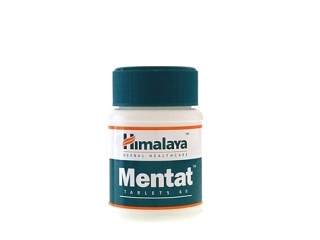


Mentat (Supplement) – Patient-Friendly Guide for Australia
Mentat is a popular brain-support supplement brand commonly used by people seeking help with mental energy, focus and day-to-day cognitive performance. This page provides practical, easy-to-understand information to help you use Mentat safely and effectively.
Important: Always read the label of the specific Mentat product you buy (ingredients and strengths can vary between formulations and markets). This guide is general and not a substitute for professional healthcare advice.
Quick Overview
- Product type: Dietary supplement / complementary medicine (category depends on specific formulation)
- Common purpose: Supporting memory, focus and mental clarity
- How it’s taken: Usually oral tablets or capsules (depending on the product)
- When to take: Often once daily or as directed on the pack
- Time to notice: Some people notice effects within days; others take longer
- Key safety focus: Check for caffeine/stimulant ingredients, interactions, and allergies
Basic Product Information
Mentat is generally marketed for cognitive support—particularly for attention, memory and “mental sharpness.” The exact formula may differ by version (for example, blends containing amino acids, herbal extracts, vitamins or nutrients). In Australia, the product’s availability and regulatory status can vary by formulation.
Before purchasing, confirm:
- The exact ingredient list and strengths
- The recommended serving size (how many tablets/capsules per day)
- Any warnings on the label (e.g., pregnancy, breastfeeding, stimulants)
What’s in Mentat? (General Considerations)
Because Mentat formulations can vary, it’s best to check the product label. Many cognition-focused supplements aim to support the brain through ingredients such as:
- Neurotransmitter precursors (e.g., amino-acid related ingredients)
- Herbal extracts used for cognitive support
- Vitamins/minerals that contribute to normal brain function
- Antioxidant compounds to help protect against oxidative stress
- Other “focus” ingredients, which may include stimulant-like components in some versions
Tip: If you’re sensitive to stimulants, check the label for any ingredients that may affect sleep, heart rate or anxiety.
Mechanism of Action (How Mentat May Work)
Unlike prescription medicines with a single defined pathway, supplements typically work through multiple mechanisms depending on their ingredients. Mentat’s cognitive-support effects are generally thought to involve:
- Supporting neurotransmitter processes: Some ingredients may help the brain maintain normal chemical signalling involved in attention and memory.
- Enhancing energy availability: Brain performance relies on adequate metabolic function; certain nutrients may contribute to normal energy pathways.
- Reducing oxidative stress: Antioxidant ingredients may help protect brain cells from oxidative damage.
- Improving focus and mental steadiness: Some formulas are designed to support alertness without causing excessive jitters (however, stimulant sensitivity varies).
What to expect: Many people describe improved clarity or concentration rather than an immediate “instant” effect. Consistency matters.
Pharmacokinetics (Absorption, Distribution, Metabolism, Excretion)
For dietary supplements, detailed pharmacokinetic data is often limited and can vary by formulation. In general, oral supplements may follow these broad steps:
- Absorption: Ingredients dissolve in the gastrointestinal tract and may be absorbed into the bloodstream. Some components absorb better with food than on an empty stomach.
- Distribution: Once absorbed, ingredients circulate and may reach tissues involved in cognition, including the brain, to varying degrees.
- Metabolism: Many nutrients and plant compounds are processed by the liver and other tissues.
- Excretion: Metabolites are cleared primarily via the kidneys and/or bile.
Practical takeaway: If the label advises “take with food” or provides timing guidance, following it may improve tolerance and effectiveness.
Typical Use: When and Why People Take Mentat
People commonly use Mentat to support:
- Studying and learning (focus during reading or revision)
- Work performance (mental energy and concentration)
- Day-to-day memory support (help remembering tasks or appointments)
- Maintaining cognitive function during periods of stress, fatigue or heavy screen use
Note: Mentat is not intended to treat dementia, neurological conditions or psychiatric disorders. If you have concerns about memory changes, mood, or attention difficulties, speak with a healthcare professional.
Indications (What It May Help With)
“Indications” for supplements are usually described as supporting normal functions rather than treating disease. Mentat is generally used for:
- Normal cognitive function
- Attention and concentration
- Memory support
- Normal mental performance during times when cognitive demand is high
Always check your product label for the specific approved or stated claims for your country and formulation.
Dosing: How to Take Mentat
Always follow the dosage on the product label. If you are unsure, check the “Directions for Use” section on the packaging or consult a pharmacist.
Typical dosing patterns for cognitive supplements include:
- Once daily: often taken in the morning or early afternoon
- Split dosing: sometimes suggested if the product is taken twice daily
Common-sense dosing guidance (general):
- Start with the recommended dose rather than doubling to “feel it faster.”
- If you are new to the supplement, consider a short trial (for example, 1–2 weeks) while monitoring sleep and tolerance.
- Do not exceed the maximum daily dose listed on the label.
If you miss a dose: Take it when you remember unless it is close to the next dose. Do not take a double dose.
Timing: Best Time to Take Mentat
The best timing depends on the ingredients. For many cognition supplements, taking Mentat earlier in the day helps minimise potential effects on sleep.
- Morning or early afternoon: commonly recommended for focus/alertness.
- Avoid late evening: if you notice difficulty falling asleep, bring the dose earlier or reduce the frequency.
- Consistent timing: helps your body adapt and makes it easier to judge whether it’s working.
During demanding days: Some people take Mentat on work/study days and pause on rest days to gauge benefit and reduce unnecessary intake.
Food Interactions: Does Mentat Need to Be Taken With Meals?
Food can affect absorption and tolerance. While ingredient-specific interactions vary, general guidance is:
- Follow the label instructions: if Mentat says “take with food,” doing so may improve comfort.
- With or without food: some supplements can be taken either way; however, if you get nausea or stomach upset, try taking it with a meal.
- High-fat meals: may delay absorption for certain ingredients, but may improve absorption for others—observe how you feel.
Practical tip: Keep your routine consistent for a fair “before and after” assessment.
Alcohol and Medicine Interactions
Alcohol: Alcohol can worsen sleep quality, dehydration and cognitive performance. While there may not be a direct chemical interaction for every supplement ingredient, alcohol can reduce perceived benefits and may increase side effects such as dizziness or stomach irritation.
- Best approach: Limit alcohol intake, especially if you’re using Mentat for focus and mental clarity.
- If you drink: consider taking Mentat earlier in the day and avoiding heavy drinking.
Interactions with other medicines/supplements: Mentat may interact with medications depending on its ingredients. Possible interaction categories include:
- Stimulants or caffeine-containing products: may compound feelings of jitters, anxiety, fast heart rate or insomnia (if Mentat contains stimulant-like ingredients).
- Blood pressure or heart rate medications: if Mentat includes compounds that can influence alertness, discuss with a pharmacist.
- Antidepressants or anxiety medications: if Mentat contains neurotransmitter-related ingredients, interaction risk may exist.
- Blood thinning medicines (anticoagulants/antiplatelets): some herbal ingredients can affect bleeding risk.
- Seizure threshold medications: stimulant ingredients can be a concern for some people.
Medication safety step: Before starting, tell a healthcare professional or pharmacist about all medicines and supplements you take (including vitamins, herbal products and energy drinks).
Safety Profile: Who Should Use Caution?
Most people tolerate cognitive supplements well when taken as directed. However, “natural” does not always mean risk-free. Your personal safety depends on the specific ingredients, your health status and any other products you use.
Common safety considerations
- Stomach upset: may occur if taken on an empty stomach or at too high a dose.
- Headache or restlessness: may be related to stimulant-like ingredients.
- Sleep disruption: if taken too late or if sensitive to alertness-enhancing ingredients.
- Allergic reactions: discontinue use and seek advice if you get rash, swelling or breathing issues.
People who should seek advice before use
- Pregnant or breastfeeding (always check label and seek professional guidance)
- Children and adolescents (use only if the product is explicitly suitable and age-appropriate)
- People with epilepsy or seizure history (particularly if ingredients may be stimulating)
- Those with significant anxiety, panic disorder or insomnia
- People with liver or kidney disease
- Anyone taking multiple prescription medicines or blood-thinning agents
Stop and get help urgently if you experience severe symptoms such as trouble breathing, swelling of the face/lips, fainting, chest pain, or severe agitation.
Practical Use Tips for Getting the Best Results
Supplements work best when paired with healthy habits. Consider these tips:
- Sleep first: poor sleep reduces attention and memory more than many supplements can offset.
- Hydration and nutrition: keep regular meals and fluids, especially during studying or long work shifts.
- Manage caffeine: if you use coffee/energy drinks, avoid doubling up with other stimulant sources.
- Give it time: try a consistent routine for at least several days to a couple of weeks.
- Track your response: note sleep, focus and any side effects.
- Don’t mix many new products at once: if you add Mentat plus another supplement, it’s harder to identify what helps—or what causes side effects.
When to reassess: If you don’t notice any benefit after a reasonable trial, or if you experience unwanted effects, consider discontinuing and discussing options with a pharmacist.
Alternative Options (Depending on Your Goals)
If your aim is cognitive support, there are several alternative approaches. Options may include other supplements, lifestyle strategies or medical evaluation if symptoms are persistent.
Common alternative categories
- Other “nootropic” or cognitive-support supplements: different ingredient blends may suit different individuals.
- Omega-3 fatty acids (where appropriate): for general brain health support.
- B-complex vitamins: helpful if you have a deficiency.
- Magnesium (if low or deficient): can support sleep quality and relaxation.
- Herbal options: different plants are used for focus or calm; discuss safety with a pharmacist, especially if you take medicines.
- Lifestyle strategies: regular exercise, reduced screen overload, structured study routines and sufficient sleep.
Choosing an alternative: Select based on your main concern (focus, memory, sleep, stress) and check for interactions with your medications and existing conditions.
Mentat in the Australia Market: Legal and Quality Context
In Australia, supplements are regulated under frameworks administered by TGA (Therapeutic Goods Administration) and related systems. Depending on the product, it may be listed/registered as a complementary medicine or be sold as a nutritional supplement. Regulatory status can affect:
- Approved labels and claims
- Quality and manufacturing standards
- Adverse event reporting expectations
What to look for when buying online in Australia:
- Product label clearly states ingredients, directions and recommended daily dose
- Barcodes/identifiers and batch information (where applicable)
- Clear statements about usage and warnings
- Reliable retailer information and customer support
Recent guidance: Australia continues to emphasise consumer safety, accurate labelling, and monitoring of complementary medicines and supplements. Always check the product’s current label and look out for updated warnings or reformulations.
Delivery and Availability (What to Expect)
Mentat may be available from Australian pharmacies, health retailers, and online stores. Stock and specific formulations can vary by region and supplier.
- Availability: Some versions may sell faster during peak periods (e.g., end-of-year exams).
- Delivery times: Delivery estimates typically appear at checkout and depend on your location.
- Packaging: Your order is usually dispatched in protective packaging to reduce damage.
- Stock changes: If a particular strength is temporarily unavailable, some retailers offer alternatives of the same brand.
Storage: Keep Mentat in a cool, dry place away from direct sunlight and out of reach of children. Keep the lid closed if it’s in a bottle/container.
FAQ – Mentat (Australia)
1) Is Mentat a medicine?
Mentat is generally sold as a supplement/complementary product depending on its exact formulation and regulatory status in Australia. Always confirm the product label category and claims for the Mentat you purchase.
2) How quickly will I feel any effects?
Some people notice changes in focus or mental energy within a few days, while others need longer. Cognitive supplements vary widely, so it’s best to use consistently as directed and evaluate over 1–2 weeks.
3) Can I take Mentat every day?
Many people do, provided they follow the label directions and don’t exceed the recommended daily dose. If you have sensitive sleep, consider taking it earlier in the day or reassessing your schedule.
4) Should I take Mentat with food?
Follow the label. If you experience stomach discomfort, taking it with meals may improve tolerance.
5) Does Mentat contain caffeine?
It depends on the specific Mentat formulation. Check the ingredient panel on your product. If it includes caffeine or stimulant-like substances, avoid late-day dosing.
6) Can I drink alcohol while taking Mentat?
There is not always a direct ingredient interaction, but alcohol can impair sleep and cognitive performance. It’s generally better to limit alcohol, especially around times you want clear focus.
7) What if I take other supplements or medications?
Interaction risk depends on the ingredient list. Tell a pharmacist about your full medication and supplement routine—especially if you take antidepressants, anxiety medicines, blood thinners, or heart-related medications.
8) What side effects might occur?
Possible side effects include stomach upset, headache, restlessness or sleep disturbance. Stop use and seek advice if symptoms are severe or unexpected.
9) Is Mentat suitable for everyone?
Not necessarily. People who are pregnant or breastfeeding, children, those with certain medical conditions, or anyone on multiple medicines should seek professional advice before using.
10) How long should I try Mentat before deciding it’s not for me?
A reasonable trial is often 1–2 weeks using the label dose consistently, while tracking sleep and tolerance. If there is no benefit or you experience side effects, discontinue and discuss alternatives with a pharmacist.
Summary
Mentat is used by many Australians to support focus, attention and memory-related performance. Its effects are thought to occur through the combined actions of its ingredient blend, supporting normal brain function and mental performance. To use Mentat safely:
- Follow the label directions for dosing and timing
- Check for ingredients that may affect sleep or interact with your medicines
- Be mindful of food tolerance and consider taking it with meals if needed
- Limit alcohol and avoid adding multiple stimulant products at the same time
- If you experience side effects or have medical conditions, speak with a pharmacist
Always refer to the product label for the exact ingredients and instructions for the Mentat you purchase.
Product Information Table (General Guidance)
| Category | What to Know |
|---|---|
| Product type | Dietary supplement / complementary medicine (depends on formulation) |
| Main goal | Supports cognitive function such as focus and memory performance |
| How to take | Oral tablets/capsules; follow the label directions |
| Timing | Often morning/early afternoon; avoid late dosing if sleep is affected |
| Food interactions | May be taken with food if the label advises; can improve tolerance for some people |
| Alcohol | Limit alcohol; it can worsen sleep and reduce cognitive benefit |
| Medication interactions | Interaction risk depends on ingredients—ask a pharmacist if you take regular medicines |
| Safety | Stop use if you develop significant side effects; check warnings for pregnancy/breastfeeding and other conditions |