

Ophthacare: Patient-Friendly Guide for Australia
Ophthacare is an eye medicine used to support relief of common eye conditions such as irritation and dry, uncomfortable eyes. This page is designed to help you understand how Ophthacare works, when and how to use it, what to watch for, and how it fits into eye care in Australia.
Note: Always read the consumer medicine information (CMI) or the label supplied with your product. If you have any eye pain, significant redness, vision changes, or symptoms that do not improve, seek professional advice promptly.
Quick Overview
- Product name: Ophthacare
- Type: Eye drops / ocular lubricant (for symptomatic relief of eye irritation and dryness)
- Common benefits: Helps soothe dry, gritty, or irritated eyes
- Typical use: Short-term symptom relief or as directed for ongoing dryness
- How it’s used: Applied directly to the affected eye(s)
Basic Product Information
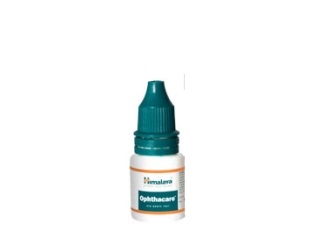
Ophthacare is formulated for the eye and is typically supplied as eye drops. The exact strength and ingredient details can vary by variant and pack size, so always verify the active ingredient(s) and directions on the package you receive.
Ophthacare is designed to be comfortable to use and appropriate for people who experience symptoms such as:
- Dryness or reduced tear comfort
- Grittiness, burning, or mild irritation
- Temporary redness from environmental factors
- Discomfort from screen use, wind, dust, or air conditioning
How Ophthacare Works (Mechanism of Action)
The eye surface is protected by a delicate tear film. In dry or irritated conditions, this tear film can become unstable or insufficient, leading to discomfort and a “dry” sensation.
Ophthacare generally works by:
- Lubricating and moistening the eye surface to improve comfort
- Supporting tear film stability, helping the eye remain comfortable for longer
- Reducing friction between the eyelid and eye surface
Depending on the formulation, Ophthacare may include ingredients that help retain moisture and/or mimic aspects of natural tears.
Pharmacokinetics (What Happens After Applying to the Eye)
Because Ophthacare is applied directly to the eye, its actions are largely local.
- Absorption: Eye drops primarily remain on the ocular surface for a period of time.
- Distribution: They spread across the tear film and can coat the surface of the eye.
- Metabolism: For most eye lubricants, systemic metabolism is not the main consideration; the effect is predominantly local.
- Elimination: Excess fluid drains through the tear drainage system (nasolacrimal drainage) and is naturally cleared from the eye.
Practical meaning for patients: Many ocular lubricants have a “time-limited” effect, so reapplication may be needed to maintain comfort, especially in dry or windy environments.
Typical Use and Indications
Ophthacare is commonly used for symptoms associated with ocular dryness and irritation. Typical indications include:
- Dry eye symptoms (e.g., dryness, discomfort, burning)
- Irritation related to environmental exposure (wind, dust, smoke)
- Discomfort associated with screen time (reduced blinking)
- Temporary relief while your underlying cause is addressed
When to get urgent help: If you experience severe eye pain, sudden vision changes, marked light sensitivity, chemical exposure, pus-like discharge, or symptoms after an injury, do not rely on lubricating drops—seek urgent medical care.
How to Use Ophthacare (Dosing and Timing)
Dosing varies by product formulation and by severity of symptoms, so follow the label or the CMI. Below are common guidance patterns for eye lubricants.
Typical dosing (general guidance)
- Adults and children: Use according to the product label. Some lubricating drops are suitable for adults and children, while others have age guidance.
- Frequency: Often 1–2 drops in the affected eye(s), up to several times per day as needed.
- Severe or persistent symptoms: You may need more frequent dosing initially, then reduce as symptoms improve—unless the product specifies a different maximum.
How to apply correctly (step-by-step):
- Wash your hands before opening the bottle.
- Shake gently if the label instructs to do so.
- Tip your head back and pull down the lower eyelid to form a small pocket.
- Hold the dropper above the eye without touching the eye or eyelids.
- Instil 1 drop into the pocket.
- Close your eye gently and keep it closed for about 1 minute (this helps reduce drainage into the nose and throat).
- Repeat for the other eye if directed.
- Recap the bottle immediately and wipe off any excess liquid from the tip.
Timing with other eye products
If you use more than one eye medicine (for example, an antibiotic, anti-inflammatory drop, or an allergy medication), spacing is important.
- In general, separate different eye drops by at least 10 minutes.
- Use Ophthacare last if it is acting as a lubricant and you are advised to separate therapies.
Contact lenses: Do not put drops on lenses unless the label explicitly allows it. Many lubricants can be compatible with lenses, while others should be used with lenses removed.
Food Interactions
Ophthacare is applied to the eye, so it is not usually associated with food interactions. Systemic exposure is typically minimal.
- No known direct food interactions are generally expected for lubricating eye drops.
- However, if you notice that certain activities (for example, oily meals that worsen reflux) correlate with eye irritation, consider discussing symptom patterns with a healthcare professional.
Alcohol and Medicine Interactions
Alcohol: There are generally no direct alcohol-related interactions with eye lubricants because the medication acts locally in the eye. That said, alcohol can contribute to dehydration and may worsen dry eye symptoms for some people.
Other medicines: Ophthacare can typically be used alongside other eye medications, but timing matters (see “Timing with other eye products”).
Be cautious and seek advice if:
- You are using multiple eye drops and are unsure about sequencing.
- You have had a recent eye surgery or ongoing eye disease.
- Your symptoms are severe or not improving.
Safety Profile: Side Effects and Warnings
Most people tolerate Ophthacare well. As with all medicines, side effects can occur, although not everyone experiences them.
Common or mild effects
- Temporary stinging or mild irritation right after instillation
- Blurred vision that clears soon after applying (common with many eye drops)
- Watery eyes shortly after use
Seek professional advice urgently if you experience
- Severe eye pain
- Vision changes (persistent blurring or loss of vision)
- Marked redness or worsening symptoms
- Allergic reaction (significant swelling, rash, or trouble breathing)
- New discharge (especially thick/pus-like discharge)
Important precautions
- Avoid contamination: Do not touch the dropper tip to the eye or eyelids.
- Do not share: Keep your drops for personal use only.
- Follow expiry dates: Discard after expiry or if the product is opened and the label states a shortened use period.
- Driving: If vision is temporarily blurred, wait until it clears before driving or using machinery.
Practical Use Tips for Best Results
Small habits can make a big difference to dry eye comfort and symptom control.
- Use consistently at first: Many people find relief improves when drops are used regularly during the worst period of dryness.
- Apply gently: Avoid blinking forcefully right after instillation; gentle closure for about 1 minute helps.
- Check your environment: Consider humidifying indoors, avoiding direct fan/air conditioning airflow, and wearing sunglasses outdoors.
- Follow screen-time strategies: Try the “20-20-20” approach (every 20 minutes, look 20 feet away for 20 seconds) and consciously blink.
- Manage eyelid hygiene: If irritation is related to eyelid conditions, gentle eyelid hygiene may help (ask a pharmacist or clinician).
- Warm compresses: For some people with dry eye, warm compresses support tear quality—especially if meibomian gland dysfunction is a factor.
Alternative Options (Depending on Your Symptoms)
Ocular dryness can have different causes, so the “best” product varies. If Ophthacare isn’t enough, your pharmacist may recommend alternatives such as:
| Option | What it may help | How it differs |
|---|---|---|
| Lubricating eye drops (different formulations) | Mild to moderate dryness | Different viscosity (thin vs thicker) and moisturizing components |
| Ointments or gels at night | Overnight dryness | Thicker consistency; may blur vision temporarily |
| Preservative-free lubricants | Frequent dosing or sensitive eyes | May reduce irritation from preservatives for some people |
| Anti-allergy eye drops (if allergy suspected) | Itchy, watery eyes | Targets allergic symptoms rather than lubrication only |
| Dry eye management plans | Chronic or severe dry eye | May include lid care, lifestyle changes, and clinician-guided therapies |
Tip: If you use Ophthacare frequently (for example, many times daily) and symptoms continue, it may be time to reassess the underlying cause with a pharmacist or clinician.
Market, Legal, and Availability Context in Australia
In Australia, eye medicines and lubricants are regulated to ensure quality, safety, and appropriate consumer information. Many lubricating eye products are supplied as non-prescription medicines, making them accessible for self-care when symptoms are mild and fit the intended use.
What to expect when purchasing online:
- Products are typically listed with key details such as active ingredients, pack size, and usage instructions.
- Reliable pharmacies provide clear consumer medicine information links and may include advice on safe use.
- Some products may be kept behind pharmacist review depending on local scheduling and intended indications.
Recent guidance and best-practice trends:
- In dry eye care, the emphasis is increasingly on symptom-based relief alongside addressing contributing factors (environment, screen use, eyelid hygiene).
- Where frequent dosing is required, preservative-free options may be preferred by clinicians for sensitive users.
- Patients are advised to seek professional advice if symptoms suggest infection, corneal involvement, or inflammatory eye disease.
For the latest local health recommendations, consider reviewing information from Australian health authorities and discussing your needs with a pharmacist.
Delivery and Availability (Australia)
Ophthacare is available through online pharmacies in Australia. Availability can vary by region and pack size. When ordering, you can usually expect:
- Dispatch times: Orders are typically processed on business days.
- Delivery options: Standard and express delivery may be available depending on the store.
- Packaging: Medicines are shipped in protective packaging to prevent damage.
- Stock updates: Online listings usually reflect current availability.
To ensure a smooth delivery: Use a delivery address where someone can receive the parcel and check the estimated delivery window shown at checkout.
Frequently Asked Questions (FAQ)
1) Who can use Ophthacare?
Ophthacare is generally intended for people experiencing symptoms of dry or irritated eyes. Age suitability depends on the specific product formulation and label instructions. If you are unsure, ask a pharmacist—especially for children or if you have significant eye conditions.
2) How fast will I feel relief?
Many people notice comfort improvements shortly after applying lubricating drops. If symptoms are due to an ongoing cause (for example, significant dry eye, allergy, or eyelid inflammation), consistent use may be required for best results.
3) Can I use Ophthacare with contact lenses?
Only use Ophthacare with contact lenses if the product label specifically states it is compatible. If not indicated, remove lenses before applying and wait the recommended time before reinserting (often at least 15 minutes, depending on the product).
4) Is it safe to use Ophthacare every day?
Many ocular lubricants can be used daily for symptom relief. Always follow the maximum frequency listed on the label and reassess if symptoms persist or worsen. If you need very frequent dosing, consider preservative-free options and consult a pharmacist.
5) What should I do if I miss a dose?
If you are using Ophthacare as needed, simply apply it when you notice symptoms again. If you are using it on a fixed schedule, use the next dose at the usual time—do not double up.
6) Can I use Ophthacare with other eye drops?
Yes, often you can. However, separate different eye drops by about 10 minutes unless the product label instructs otherwise. If you use multiple products, aim to apply the sequence advised by your pharmacist.
7) Will Ophthacare affect my driving or work?
Temporary blurred vision can occur after eye drop application, depending on formulation. Wait until your vision is clear before driving, operating machinery, or doing tasks that require sharp focus.
8) When should I stop using Ophthacare and seek advice?
Stop and seek advice if you experience severe pain, significant vision changes, worsening redness, or signs of infection (such as thick discharge). Also seek advice if symptoms do not improve after a reasonable period of consistent use.
9) Does Ophthacare interact with alcohol?
There are typically no direct interactions. However, alcohol may contribute to dehydration, which can worsen dry eye symptoms in some people.
10) What if my symptoms are caused by something else (like infection or allergy)?
Ophthacare is primarily for lubrication and symptomatic relief. If you have itching, allergy symptoms, or signs of infection, the appropriate treatment may be different. Seek pharmacist or clinician advice to match therapy to your symptoms.
Summary
Ophthacare is a convenient eye medicine used to relieve discomfort associated with dry, irritated eyes. It works by supporting the eye’s lubrication and tear film comfort. Because it is applied locally, systemic food and alcohol interactions are generally not expected. For the best results, follow the label directions, apply drops correctly, and space Ophthacare from other eye medications by around 10 minutes.
If symptoms are severe, persistent, or accompanied by pain or vision changes, get medical advice promptly.