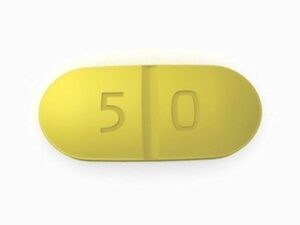


Dulcolax (Bisacodyl) — Patient Information
Dulcolax contains bisacodyl, a medicine used to relieve constipation. It works by stimulating the bowels to help move stool through the intestines. This information is designed to help you use Dulcolax safely and effectively in Australia.
Note: Always read the leaflet that comes with your specific Dulcolax product (tablets and/or suppositories may differ in timing and dosing). If you are unsure which product you have, check the pack label.
1. Basic product information
| Product name | Active ingredient | Common forms | Typical role |
|---|---|---|---|
| Dulcolax | Bisacodyl | Oral tablets (enteric-coated) and rectal suppositories | Short-term relief of constipation |
| Therapeutic class | Stimulant laxative | Can be used when faster bowel action is needed | |
Bisacodyl is commonly used for constipation and sometimes for bowel preparation in certain medical settings. In everyday pharmacy use, it is most often chosen for short-term constipation relief.
2. How Dulcolax works (mechanism of action)
Dulcolax (bisacodyl) is a stimulant laxative. It encourages bowel movement by increasing activity in the colon (large intestine). In simple terms:
- Bisacodyl is converted to its active form in the bowel (especially after passing the stomach).
- It stimulates the bowel lining and nerves, leading to increased intestinal motility.
- It also helps promote fluid movement into the colon, softening stool and making it easier to pass.
Because it actively stimulates the bowel, Dulcolax is often effective when constipation is resistant to milder measures (such as increased fluids, fibre, and gentle bulk-forming products).
3. Pharmacokinetics (what the body does to the medicine)
Pharmacokinetics describes how the medicine is absorbed, broken down, and eliminated. Key points for bisacodyl include:
- Oral tablets: Many bisacodyl tablets are enteric-coated, helping protect the medicine from being broken down in the stomach. This supports delivery to the intestines where it can work.
- Conversion in the gut: Bisacodyl is metabolised in the intestinal wall and/or by gut bacteria into its active metabolites.
- Absorption: Only a small amount is absorbed systemically; most acts locally in the intestinal tract.
- Metabolism and excretion: Absorbed drug and metabolites are processed by the body and excreted primarily through the kidneys (urine) and partly via faeces depending on formulation and circumstances.
Individual responses vary. Factors such as bowel transit time, stool consistency, diet, hydration, and concurrent medications can affect how quickly Dulcolax works.
4. Typical use and indications
Dulcolax is used for short-term relief of constipation. It may be recommended when you need help with bowel movements due to:
- Occasional constipation (including constipation with infrequent bowel motions)
- Constipation associated with changes in routine, travel, diet, or reduced mobility
- “Ready-to-pass” assistance in cases where a faster laxative effect is appropriate
In healthcare settings, bisacodyl may also be used as part of bowel preparation regimens. For most home pharmacy use, follow the product’s instructions on the pack for constipation relief.
Seek medical advice urgently if you have signs of a serious bowel problem (see the safety section below).
5. When and how quickly does it work (timing)
Timing depends on whether you use an oral tablet or a suppository:
| Product type | Typical onset | Practical example |
|---|---|---|
| Oral (tablets) | Often within 6–12 hours (sometimes longer depending on bowel conditions) | Many people take tablets in the evening for morning relief, if advised by the label. |
| Rectal (suppository) | Often within 15–60 minutes | Used when you need faster rectal action. |
If you do not get relief within the expected timeframe, do not keep increasing doses without checking the product instructions or speaking with a pharmacist or doctor.
6. Food interactions and dietary considerations
Food can influence how quickly some laxatives work, particularly oral formulations. For bisacodyl tablets:
- Enteric coating and stomach acid: Bisacodyl tablets are designed to dissolve at the correct location in the gut. However, stomach acidity and certain foods/drinks may affect performance.
- Timing with meals: Avoid taking bisacodyl tablets at the same time as meals unless the product label instructs otherwise. Taking them with or soon after food may change how fast they act.
- Hydration and fibre: Increasing water intake and eating fibre (e.g., fruit, vegetables, wholegrains) can improve stool consistency and support regular bowel habits.
For rectal suppositories, food is less likely to be a direct factor because the medicine is delivered locally.
7. Alcohol and medicine interactions
Bisacodyl does not have a single well-known “direct alcohol interaction” in the way some medicines do. However, constipation itself can be worsened by dehydration, and alcohol can contribute to dehydration in some people.
General alcohol considerations
- Avoid heavy alcohol intake while you are treating constipation, especially if you are prone to dehydration.
- If you become dizzy, weak, or have worsening bowel symptoms, seek advice.
Interactions with other medicines
Laxatives may interact with other medicines indirectly, mainly because of changes in stool frequency and the potential for fluid/electrolyte imbalance with repeated use or high doses.
- Diuretics (“water tablets”) and corticosteroids: Repeated use of stimulant laxatives can contribute to low potassium (hypokalaemia) in susceptible people, especially if combined with other potassium-lowering medicines.
- Digoxin (heart medicine): Low potassium levels may increase sensitivity to digoxin.
- Antiarrhythmics and other heart medicines: Electrolyte changes may increase risk of rhythm problems in those with underlying heart conditions.
- Other laxatives: Combining multiple laxative products without guidance can increase risk of diarrhoea, cramping, and dehydration.
- Medicines that reduce bowel activity (e.g., some opioid pain medicines): Constipation may be persistent; you may need a tailored plan.
If you are taking other medicines—particularly those for the heart, blood pressure, water balance, or pain— speak with a pharmacist to confirm the safest approach.
8. Dosing (how to take Dulcolax)
Dosing depends on your age and on whether you are using oral tablets or a suppository. Use the dose on the pack or leaflet for your specific product. Below is general guidance commonly used for bisacodyl constipation relief; always confirm with your label.
Adults and adolescents (general guidance)
- Oral tablets: Typically used at 10 mg once daily. Some products may specify timing (for example, evening dosing for morning effect).
- Suppositories: Commonly used at 10 mg once daily rectally.
Children
Bisacodyl products have age-specific dosing. Children should only use the dose on the pack, and parents/caregivers should consider professional advice if constipation is recurrent.
- Children under 12 years: Follow the product directions precisely; do not use adult doses.
- Children under 2 years: Ask a healthcare professional before use.
How often / how long
- Use the lowest effective dose.
- Dulcolax is generally for short-term constipation relief. If you need it regularly, arrange medical review to identify the cause.
- If symptoms persist beyond the timeframe in the leaflet, seek advice.
9. Practical use tips (to improve results)
-
Choose the right form:
- Use oral tablets when you can wait several hours for bowel action.
- Use suppositories if you need faster relief.
- Stay hydrated: Drink adequate fluids unless you have been advised to restrict fluids due to a medical condition.
- Consider a bowel routine: Try to sit on the toilet at a consistent time each day, especially after a meal when the bowel’s natural reflexes are more active.
- Avoid repeated “rescue” use: If you often need stimulant laxatives, ask about diet, fibre, or alternative strategies.
- Stop if you develop diarrhoea: Continued dosing can worsen dehydration and cramping.
10. Safety profile and when to seek help
Most people tolerate Dulcolax well when used as directed. However, like all medicines, it may cause side effects. The risk is higher if the product is used too frequently, at higher doses, or for long periods.
Common side effects
- Abdominal cramps or discomfort
- Diarrhoea (especially with higher doses or sensitive individuals)
- Nausea
- Loose stools
Less common but important risks
- Dehydration if diarrhoea occurs
- Electrolyte imbalance (notably low potassium) with prolonged or excessive use
- Worsening constipation if the underlying cause is not addressed
Do not use (or get advice first) if you have
- Severe or persistent abdominal pain
- Unexplained vomiting
- Signs of bowel obstruction (e.g., marked bloating, inability to pass gas)
- Blood in stool or black/tarry stools (unless advised)
- Inflammatory bowel disease flare (e.g., severe ulcerative colitis symptoms) unless directed
- Severe dehydration
When to seek urgent medical attention
- Severe abdominal pain
- Continuous vomiting
- Severe diarrhoea or signs of dehydration (dizziness, fainting, very dry mouth)
- Any concerning symptoms in children
- Constipation lasting longer than expected or recurring frequently
11. Special populations (pregnancy, breastfeeding, and older adults)
If you are pregnant, breastfeeding, elderly, or have significant medical conditions, it is wise to check with a pharmacist. Follow the leaflet guidance closely and seek advice if constipation persists.
- Pregnancy: Many people prefer using constipation measures that are gentle first (fluids, fibre, and bulk-forming products), but bisacodyl may be used short-term if appropriate. Seek advice for persistent constipation.
- Breastfeeding: Localised action in the gut may mean limited systemic exposure; however, follow the product leaflet and seek advice if repeated doses are needed.
- Older adults: Increased sensitivity to dehydration and electrolyte changes means dosing should be conservative and symptoms monitored.
12. Alternatives to Dulcolax (what you can consider)
If you have occasional constipation, the best option depends on the cause, severity, and how quickly you need relief. Alternatives include:
Bulk-forming laxatives
- Often helpful for routine management
- Require adequate water intake
Osmotic laxatives
- Draw water into the bowel to soften stool
- May be gentler for longer periods than stimulant laxatives
Stool softeners
- Can help soften hard stool, useful when straining is difficult
Suppositories and enemas (rectal options)
- May provide faster relief than tablets
- Should be used according to instructions and not repeatedly without advice
For constipation that keeps returning, lifestyle strategies can be particularly beneficial: regular fluid intake, fibre (gradually increased), physical activity, and reviewing medications that can cause constipation.
13. Market and legal context in Australia (pharmacy availability)
In Australia, bisacodyl-containing laxatives are commonly available via pharmacies and may be supplied under appropriate scheduling and labeling rules depending on the product and strength. Availability can vary by formulation (for example, tablets versus suppositories) and pack size.
- Read the label and leaflet: Different strengths and age indications exist.
- Use as directed: Overuse can lead to unwanted effects and mask underlying conditions.
- Pharmacist advice: Pharmacists can help choose the most suitable laxative type for your situation.
If you have not had a bowel motion for several days, or you have recurrent constipation, it’s important to rule out causes that require assessment.
14. Recent guidance and best-practice considerations
Current best-practice advice in constipation care generally emphasises:
- Starting with lifestyle measures (hydration, fibre, mobility, and toileting routine) where appropriate.
- Using laxatives short-term and at the lowest effective dose when needed.
- Avoiding stimulant laxative overuse without medical guidance.
- Escalating to medical review if constipation is persistent, severe, or accompanied by warning signs.
- Considering medication-induced constipation (e.g., opioids, some anticholinergics) and discussing alternatives or adjunct treatments.
For the most up-to-date information for your circumstances, consult your pharmacist or clinician, especially if symptoms are recurrent or you have medical conditions.
15. Delivery and availability (online pharmacy information)
Dulcolax (bisacodyl) is commonly stocked through Australian pharmacies and may be available for online purchase depending on current supply and product listing. Delivery times vary by region and courier service.
- Availability: Stock levels can change, especially for popular pack sizes.
- Dispatch: Orders are typically dispatched within business days when stock is available.
- Packaging: Products are usually supplied in original packaging with a leaflet.
If you have preferences (e.g., tablets versus suppositories) or specific strengths, check the product details before placing an order.
16. FAQ — Dulcolax (Bisacodyl)
1) How long does Dulcolax take to work?
It depends on the form: oral tablets often work within 6–12 hours, while suppositories often work within 15–60 minutes. Always follow the timing instructions on your pack.
2) Can I take Dulcolax with food?
For oral tablets, it’s usually best not to take them at the same time as meals unless the leaflet says otherwise. Food may affect how quickly the enteric-coated tablet works. Check your product directions.
3) Can I drink alcohol while using Dulcolax?
There isn’t a single universally recognised direct interaction, but alcohol can contribute to dehydration, which may worsen constipation. Keep hydration up and avoid excess alcohol while treating constipation.
4) How often can I use Dulcolax?
Use as directed on the pack for short-term relief. If you need it repeatedly or constipation keeps returning, talk to a pharmacist or doctor to address the underlying cause and discuss safer long-term strategies.
5) What should I do if it doesn’t work?
First, re-check you used the correct product form, dose, and timing. If you don’t get relief within the expected timeframe or your symptoms worsen, seek advice rather than increasing doses repeatedly.
6) What if I get diarrhoea or cramping?
Diarrhoea and cramps can occur, especially if the dose is too high for you. Stop using further doses and drink fluids if you have diarrhoea. Seek advice if symptoms are severe, persistent, or you feel unwell.
7) Is Dulcolax safe for children?
Children can only use bisacodyl products at age-appropriate doses. Follow the pack leaflet exactly and do not use adult dosing for children. If constipation is persistent or severe, ask a healthcare professional.
8) When should I see a doctor urgently?
Get urgent medical help if you have severe abdominal pain, vomiting, signs of obstruction, blood in stool, or significant dehydration—particularly in children or frail older adults.
9) Are there constipation causes Dulcolax won’t address?
Yes. Dulcolax helps relieve symptoms but may not treat the underlying reason for constipation (for example, medication side effects, low fibre intake, dehydration, bowel disorders, or reduced mobility). If constipation is recurrent, seek advice.
10) What are good non-medicine steps for constipation?
Common helpful measures include increasing fluid intake, gradually increasing dietary fibre, gentle physical activity, and establishing a regular toilet routine (often after breakfast). These can support bowel regularity and reduce the need for repeated laxative use.