
Flavoxate HCl (Flavoxate Hydrochloride) — Patient Information
Flavoxate HCl (also written as flavoxate hydrochloride) is a medicine used to help relieve symptoms related to an overactive or irritated bladder. It is commonly used for urinary discomfort such as urgency and frequency, and for spasmodic (cramp-like) bladder activity. This page provides patient-friendly information about how it works, how to take it, common precautions, and what to expect.
| Category | What it’s used for |
|---|---|
| Urinary antispasmodic / bladder antispasmodic | Temporary relief of bladder spasm symptoms such as urgency, frequency, and discomfort |
| Common symptoms | Urinary urgency, frequent urination, bladder irritation sensations |
| Active ingredient | Flavoxate hydrochloride (Flavoxate HCl) |
| Availability | May be available through retail pharmacies and online pharmacies depending on local listing |
Basic product information
- Active ingredient: Flavoxate hydrochloride (Flavoxate HCl)
- Type of medicine: Used for bladder spasm/irritation symptoms
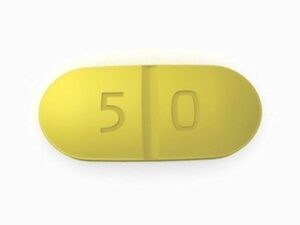
- How it may be supplied: Tablets or similar oral dosage forms (strength and brand names vary)
- Who it suits: People experiencing urinary discomfort consistent with bladder spasm/irritation symptoms
Your product label will include the specific strength (for example, per tablet). If you are unsure, check the pack or ask your pharmacist.
How Flavoxate HCl works (mechanism of action)
Flavoxate HCl helps reduce symptoms caused by bladder muscle spasm and bladder irritability. While different sources describe its effects in slightly different ways, its overall action is to relieve cramping and urgency associated with overactive or irritated bladder activity.
Many urinary symptoms can have multiple causes (for example, infection, prostate issues, overactive bladder, or irritation from certain drinks). Flavoxate HCl targets the bladder spasm/irritation component, which may provide symptom relief.
Pharmacokinetics (what the body does to the medicine)
Pharmacokinetics describes how the body absorbs, distributes, metabolises, and excretes a medicine. For flavoxate, the general pattern is:
- Absorption: Taken by mouth and absorbed from the gastrointestinal tract.
- Distribution: It acts on the urinary tract/bladder and relevant tissues.
- Metabolism: Primarily metabolised in the body (mainly in the liver).
- Excretion: Metabolites are mainly eliminated via the urine.
Exact timing can vary between individuals, and depends on the formulation, dose, hydration, and other factors.
Typical uses and indications
Flavoxate HCl is typically used for symptomatic relief of urinary tract discomfort due to bladder spasm or irritation. It may be considered in conditions where symptoms include:
- Urinary urgency (a sudden strong need to urinate)
- Increased urinary frequency
- Bladder discomfort or irritation
- Spasmodic bladder activity (cramp-like bladder sensations)
Important: Flavoxate HCl helps with bladder spasm/irritation symptoms, but it does not treat the underlying cause of all urinary problems. For example, if your symptoms are due to a urinary tract infection, you may need different treatment.
When to take Flavoxate HCl (timing and routine)
Follow the dosing schedule on your product label or as advised by your pharmacist. In general, oral bladder medicines are taken:
- Regularly through the day to maintain symptom control
- At consistent times for best effect
- For short-term symptom relief unless your clinician recommends otherwise
If you are using Flavoxate HCl as directed for an ongoing pattern of bladder symptoms, discuss duration and follow-up with a healthcare professional—especially if symptoms continue or worsen.
Dosing (general guidance)
The correct dose depends on the strength of your specific product and your individual situation. Below is general information. Always use your pack instructions as the primary reference.
- Adults: Commonly taken in divided doses through the day.
- Children: Dosing for children should only be used if specifically indicated for that age group on the product label and advised appropriately.
- Older adults: Usually the same dosing schedule is used, but extra attention should be paid to side effects and overall health.
Tip: If your pack lists “one tablet” or a specific number of milligrams, keep the schedule consistent and avoid doubling doses if you miss one.
If you miss a dose: Take it when you remember unless it is close to the next dose. Do not take two doses at once to make up for the missed dose.
Food interactions and dietary considerations
Many medicines in this group can be taken with or without food, but individual product instructions may vary. As a practical approach:
- Check the label: Some formulations may be better tolerated with food.
- If stomach upset occurs: Taking the tablet with a meal or snack may help.
- Maintain hydration: Drinking adequate water supports comfortable urinary function.
Certain foods and drinks can irritate the bladder in some people (for example, caffeine-containing drinks, alcohol, and spicy foods). These can worsen urgency and frequency even if flavoxate is helping with spasm-related symptoms.
Alcohol and medicine interactions
Alcohol: Alcohol may irritate the bladder and can worsen urinary urgency and discomfort in some individuals. It may also increase the likelihood of side effects such as dizziness or stomach upset (depending on your overall health and other medicines).
To reduce risk:
- Limit or avoid alcohol while you are treating bladder symptoms, especially if you notice symptoms worsen after drinking.
- Speak to a pharmacist if you consume alcohol regularly or have other health conditions.
Interactions with other medicines
Drug interactions depend on your medication list. Always provide your pharmacist with all medicines you take, including:
- Prescription medicines
- Over-the-counter medicines
- Herbal products and supplements
In general, medicines that affect the bladder or have anticholinergic-type effects may change how urinary symptoms feel and can affect side effect profiles. Your pharmacist can check specific interaction risks for your brand, dose, and other medicines.
Safety profile and side effects
Like all medicines, Flavoxate HCl may cause side effects, although not everyone experiences them. Side effects can range from mild to more serious; if you experience concerning symptoms, seek medical advice promptly.
Common or mild side effects
- Dry mouth or mild changes in oral comfort
- Headache
- Gastrointestinal upset (for example, nausea or stomach discomfort)
- Dizziness (less commonly)
Seek urgent help if you have
- Signs of an allergic reaction such as rash, swelling of the face/lips, difficulty breathing
- Severe or persistent dizziness, fainting, or confusion
- Worsening urinary symptoms with fever, flank/back pain, or feeling very unwell (possible infection or another cause)
Who should take extra care
Talk to your pharmacist before using Flavoxate HCl if you have:
- Known allergies to flavoxate or any ingredients in the product
- Glaucoma or other eye conditions
- Urinary retention or difficulty emptying your bladder
- Significant liver or kidney disease (may affect processing and safety)
- Prostate enlargement with urinary flow problems (discuss suitability)
- You are pregnant, breastfeeding, or trying to conceive (discuss risks/benefits)
Practical use tips for better results
- Track triggers: If your urgency worsens after caffeine, fizzy drinks, or alcohol, reducing triggers may improve overall results.
- Use bladder-friendly habits: Try regular bathroom schedules and avoid holding urine for long periods.
- Hydrate steadily: Aim for adequate daily fluids unless you have been advised to restrict fluids.
- Don’t ignore red flags: Burning urination with fever, blood in urine, or severe back pain may indicate a different condition.
- Give it a fair trial: When used appropriately, symptom relief may be noticeable within the first day or two. If there’s no improvement, review your situation.
When Flavoxate HCl may not be enough
Bladder symptoms can arise from several causes. Flavoxate HCl targets spasm/irritation symptoms, so it may not resolve symptoms caused by:
- Urinary tract infection (UTI)
- Kidney infection
- Bladder stones
- Prostate-related urinary issues
- Interstitial cystitis / painful bladder syndrome
- Overactive bladder with complex triggers
If symptoms persist, recur frequently, or worsen, it is important to seek professional assessment to identify the cause.
Safety considerations: missed doses, stopping, and follow-up
- Stopping: If symptoms improve, you may not need to continue—but follow your pack instructions and pharmacist advice.
- Persistent symptoms: Ongoing urgency/frequency lasting more than a few days should be assessed, particularly if new or worsening symptoms occur.
- Regular monitoring: If you use urinary symptom medicines repeatedly, ask your pharmacist or clinician for a long-term plan.
Alternative options for bladder spasm/urinary urgency symptoms
Depending on the underlying cause of your symptoms, alternatives may include non-medicine strategies or different medication types. Options may vary by availability in Australia and by your symptoms.
Non-medicine options
- Bladder training (timed voiding and gradually increasing intervals)
- Reducing bladder irritants (caffeine, alcohol, carbonated drinks)
- Pelvic floor exercises (especially for urgency/frequency related to pelvic muscle weakness)
Medication alternatives (examples)
- Antimuscarinic medicines used for overactive bladder symptoms (may have different side-effect profiles)
- Beta-3 agonists for overactive bladder (availability depends on product listing and clinician advice)
- Analgesics for symptom discomfort (only where appropriate)
- Antibiotics only if a bacterial infection is diagnosed or strongly suspected
A pharmacist can help you understand which option is most appropriate based on your symptom pattern and medical history.
Flavoxate HCl in the Australian market: practical legal and regulatory context
In Australia, medicines are regulated under the Therapeutic Goods Administration (TGA). Whether a product is available without a prescription depends on its listing (for example, whether it is an OTC product, pharmacy-only medicine, or another category). Online pharmacies must also comply with Australian requirements for dispensing and supply.
Availability can vary by brand, strength, and whether an item is listed for retail sale. If you cannot find your preferred brand, ask your pharmacist for suitable alternatives with similar active ingredients or symptom-targeting use.
Recent guidance and safety updates (general consumer guidance)
Guidance can change over time as new safety information becomes available. For the most up-to-date advice:
- Check the product packaging and consumer medicine information (if provided).
- Ask a pharmacist if you are starting a new medicine or combining it with other treatments.
- If symptoms suggest infection or another serious condition, do not rely on symptom relief alone.
This information page is designed to help you understand flavoxate HCl, but it cannot replace advice tailored to your health.
Delivery and availability from an online pharmacy (Australia)
Online pharmacies can help you access medicines conveniently. Delivery and availability depend on:
- Product listing status (including whether the item is available for online supply)
- Stock levels at the time of ordering
- Shipping destination within Australia
- Possible additional requirements at checkout (such as age or patient information)
When ordering, double-check:
- Active ingredient and strength
- Pack size
- Expiry date (where shown)
- Dosage instructions listed on the pack
FAQ: Flavoxate HCl
1) What is Flavoxate HCl used for?
Flavoxate HCl is used to help relieve bladder spasm and irritation symptoms, such as urinary urgency, increased frequency, and discomfort related to bladder muscle cramping.
2) How fast does it work?
Some people notice symptom improvement within the first day or so, but response varies. If you feel no benefit after a reasonable trial or symptoms worsen, seek advice to confirm the cause.
3) Can I take it with food?
Many people can take it with or without food, but product instructions differ. If you experience nausea or stomach upset, taking it with a meal may improve tolerability.
4) Can I drink alcohol while taking Flavoxate HCl?
It’s generally best to limit alcohol because it can irritate the bladder and worsen urgency/frequency. If you choose to drink, do so cautiously and stop if symptoms worsen.
5) Does Flavoxate HCl treat urinary tract infections (UTIs)?
Flavoxate HCl helps with bladder spasm/irritation symptoms, but it does not treat bacterial infection. If you have signs of UTI—such as fever, back pain, blood in urine, or a burning sensation with feeling unwell—seek medical assessment promptly.
6) What if my symptoms are due to something else?
Bladder symptoms have many causes. If symptoms persist, recur often, or you have red-flag symptoms, you may need testing or different treatment.
7) Are there any important side effects?
Possible side effects include headache, dry mouth, nausea or stomach upset, and occasionally dizziness. Seek urgent help for allergic reaction symptoms or severe/worsening symptoms.
8) Can children take Flavoxate HCl?
Only if the product is labelled for children and dosing is provided on the pack or by a healthcare professional. Always follow age-appropriate guidance.
9) What should I do if I miss a dose?
Take it when you remember unless it is close to the next dose. Do not take a double dose to compensate.
10) When should I stop and get advice?
Stop and seek advice if you develop severe side effects, signs of allergy, or if your urinary symptoms worsen or do not improve. Also seek advice if symptoms suggest infection or another serious condition.
Summary
Flavoxate HCl is an oral medicine used for symptomatic relief of bladder spasm and irritation symptoms. It may help reduce urgency, frequency, and discomfort caused by an overactive or irritated bladder. For best results, take it as directed, manage bladder irritants, and seek prompt medical advice if symptoms suggest a UTI or another underlying cause.