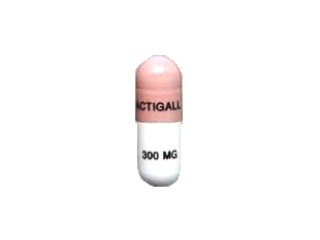

Actigall (Ursodeoxycholic acid) – Patient Guide (Australia)
Actigall is a medicine containing ursodeoxycholic acid (UDCA). It is used to treat certain liver and bile duct conditions by supporting normal bile flow and reducing bile-related damage. This guide explains how Actigall works, how it’s typically used, and what you should know about safety, interactions, and practical use.
1) Basic product information
- Active ingredient: Ursodeoxycholic acid (UDCA)
- Brand: Actigall
- Common form: Capsules (strengths vary by product/market availability)
- What it does: Helps improve bile-related problems in the liver and bile ducts
- Where it’s used: Conditions involving impaired bile flow or bile duct disease, as advised by a healthcare professional
Note: Always check the pack for the specific strength and dosing instructions provided for your product.
2) What Actigall does (mechanism of action)
UDCA is a naturally occurring bile acid. In conditions where bile is thick, bile flow is reduced, or bile duct cells are injured, Actigall may help by:
- Improving bile composition: UDCA replaces more hydrophobic (and potentially more irritating) bile acids, leading to a bile profile that is generally less harmful to bile duct lining.
- Protecting liver and bile duct cells: It can help reduce bile-acid–induced injury in hepatocytes (liver cells) and cholangiocytes (bile duct cells).
- Supporting bile flow (choleresis): UDCA may promote more effective bile secretion, which can improve symptoms related to bile stasis.
- Modulating inflammation and immune activity: In some cholestatic diseases, UDCA may have anti-inflammatory effects that support overall liver function.
- For cholesterol gallstones: It can gradually dissolve certain cholesterol gallstones by altering bile cholesterol saturation.
3) Pharmacokinetics (how the body handles it)
Understanding pharmacokinetics can help you know why dosing schedules and regular blood tests matter.
- Absorption: UDCA is absorbed in the small intestine. Absorption can vary between individuals.
- Distribution: It circulates in the bloodstream and distributes to the liver.
- Metabolism: UDCA undergoes hepatic processing. A portion may be modified by gut bacteria into secondary bile acids.
- Elimination: It is primarily excreted into bile and eliminated through the digestive tract.
- Time to effect: For gallstones or chronic cholestatic conditions, benefits can take weeks to months; treatment is often long-term.
Monitoring: Liver function tests and other markers may be checked periodically to confirm that therapy is working and to adjust management if needed.
4) Typical use in practice
Actigall is used for specific bile-related conditions. It is important to use it only for the approved indications relevant to your diagnosis.
Common situations where UDCA is considered
- Cholestatic liver diseases where bile flow is impaired
- Primary biliary cholangitis (PBC) (an autoimmune disease affecting small bile ducts)
- Certain types of gallstones (typically cholesterol stones) in appropriate patients
Whether Actigall is suitable depends on your exact condition, imaging results (for gallstones), and your liver tests.
5) Timing and how to take Actigall
How you take Actigall can affect comfort and adherence. Follow your prescribing instructions and the instructions on the product label.
Common timing recommendations
- Once or multiple times daily: Doses depend on the indication and your body weight.
- Take regularly: Aim for consistent daily timing.
- With food or after food: Many people find it easiest to take with meals to support routine and reduce stomach discomfort. Your healthcare professional or pharmacist may advise the best approach for you.
Practical tip: If you take multiple doses per day, use a daily reminder to reduce missed doses—especially during long treatment periods.
6) Food interactions (what to know)
There are no major “food only” interactions that are universally expected, but food can influence tolerance and routine.
- Generally compatible with meals: Taking Actigall with or after food may help with comfort.
- Maintain stable routine: Try not to frequently change timing or meals, especially if you’re on long-term therapy.
- If you have restricted diets: For example, if you’re adjusting fat intake or have dietary restrictions for another condition, discuss with your clinician whether any changes might affect your bile-related therapy goals.
Important: The most relevant interaction concerns often involve certain medicines rather than food.
7) Alcohol and medicine interactions
Alcohol
Because Actigall is used for liver/bile conditions, it’s sensible to be cautious with alcohol. Alcohol can stress the liver and may worsen underlying liver disease.
- Ask your clinician: Advice varies depending on your diagnosis and liver test results.
- Limit or avoid: Many people are advised to limit alcohol significantly or avoid it altogether during active liver disease.
Other medicine interactions (key points)
Some medicines can reduce the effectiveness of UDCA by interfering with bile acids or absorption.
- Bile acid sequestrants (often used for high cholesterol), such as cholestyramine or colestipol: these can bind bile acids and may reduce UDCA absorption. Typically, dosing needs separation.
- Antacids and medicines that alter stomach environment: may affect absorption for some medicines. Discuss timing if you use antacids frequently.
- Other liver-metabolism medicines: Always disclose all medicines and supplements, including herbal products, because liver disease can change how drugs are processed.
Action step: Tell your pharmacist about all medicines you take, including over-the-counter products and supplements. They can advise on dose separation where needed.
8) Indications (what it’s used for)
Actigall is indicated for certain bile and liver disorders. Examples include:
- Primary biliary cholangitis (PBC): to improve bile flow and liver biochemistry, and to slow disease progression in appropriate patients.
- Cholesterol gallstones: in selected individuals where gallstones are suitable for medical dissolution (usually small, radiolucent cholesterol stones) and surgery is not preferred or appropriate.
- Other cholestatic conditions: UDCA may be used in specific scenarios based on clinical assessment and local guidance.
Eligibility matters: Not all gallstones dissolve with UDCA. Imaging characteristics determine which stones are suitable.
9) Dosing (general guidance)
Dose is individualised based on diagnosis, body weight, and response. Always follow the exact instructions on your medicine label or as provided by your healthcare professional.
Typical dosing patterns
- Primary biliary cholangitis (PBC): UDCA is commonly dosed based on body weight (often in divided doses).
- Gallstone dissolution: Dosing is also often weight-based and requires long-term treatment to assess response.
Remember: Dose may be adjusted based on liver blood tests and tolerance.
Example of how dosing is often structured
Many UDCA regimens are taken in divided doses across the day. Your label will specify the exact number of capsules and how often to take them.
| Condition (example) | How UDCA is commonly prescribed | What to expect |
|---|---|---|
| Primary biliary cholangitis (PBC) | Often weight-based; divided dosing across the day | Improvement in liver tests may take months; long-term therapy is often required |
| Cholesterol gallstones (selected patients) | Often weight-based; long-term course | Gallstone size reduction/dissolution can take many months; not all stones will respond |
| Other cholestatic conditions (as advised) | Individualised dosing based on diagnosis and response | Monitoring of symptoms and liver function is important |
Important: This table provides general examples. Your clinician’s instructions and your product label take priority.
10) Safety profile (side effects and what to do)
Like all medicines, Actigall can cause side effects. Most people tolerate UDCA well, but the risk and type of side effects can vary by individual health status.
Common or possible side effects
- Gastrointestinal symptoms: diarrhoea, loose stools, abdominal discomfort, nausea
- Headache (reported by some patients)
- Skin reactions: itching or rash can occur, particularly in those with underlying cholestatic symptoms (which can also fluctuate independently)
Serious side effects (seek urgent advice)
Seek prompt medical attention if you experience symptoms such as:
- Signs of a severe allergic reaction: swelling of the face/lips, trouble breathing, or widespread hives
- Severe or persistent worsening of symptoms, such as severe pain or significant jaundice
- Any new symptoms that worry you, especially if they coincide with changes in liver blood tests
When to contact a pharmacist or clinician
- If diarrhoea is persistent or severe
- If itching or fatigue significantly worsen
- If you develop a rash or other unusual symptoms
11) Practical use tips
Actigall is often taken for months or longer, so practical habits can help you get the most from treatment.
- Use a medication routine: Take it at the same times daily to maintain consistent levels.
- Keep track of labs: Attend scheduled blood tests for liver function monitoring.
- Don’t stop suddenly: If you have PBC or chronic cholestatic conditions, stopping UDCA can affect disease control. Discuss before stopping.
- Manage stomach side effects: If you get loose stools, taking with food and staying hydrated may help. If it continues, speak with your pharmacist.
- Stay organised: If your regimen is divided doses, use a pill box or phone reminder.
- Inform all healthcare providers: Let surgeons, gastroenterologists, and pharmacists know you’re taking UDCA—especially before procedures.
12) Missed dose advice
If you miss a dose, take it as soon as you remember unless it is close to the time of the next dose. If it is near the next dose, skip the missed dose and continue your schedule. Do not take a double dose.
If you’re unsure, consult your pharmacist.
13) Alternative options (discuss with your clinician)
Depending on your diagnosis, alternatives may include:
- Other bile-acid–related therapies: For some cholestatic conditions, alternative medicines may be used.
- For cholesterol gallstones: Options can include surgical management (e.g., gallbladder removal) or other non-surgical approaches depending on stone characteristics and patient suitability.
- Symptom management: For itching (pruritus) or digestive symptoms, additional supportive treatments may be considered.
Important: Choice of therapy depends on the underlying cause, severity, imaging findings, and your overall health.
14) Market and legal context for Australia
In Australia, medicines are regulated under the TGA (Therapeutic Goods Administration) and supplied through pharmacies and permitted channels.
- Medicine classification: Actigall/UDCA products may be supplied under specific scheduling and prescription rules depending on strength and formulation, and pharmacy supply practices may vary.
- Pharmacist involvement: Pharmacists may provide counselling, check medicines for interactions, and confirm that the product matches your needs.
- Safety and monitoring: Because UDCA is used for liver/bile disorders, follow-up and monitoring are particularly important.
Recent guidance: In Australia, treatment approaches for conditions like PBC are generally aligned with international and local clinical practice, including use of UDCA as a standard first-line therapy in appropriate patients and ongoing monitoring of response. Always rely on the latest advice from your treating team for your specific condition.
15) Delivery and availability (Australia)
Availability of Actigall can vary depending on stock levels and formulation strength. Many online pharmacies in Australia provide:
- Fast dispatch where stock is available
- Tracked delivery options
- Discreet packaging
- Delivery timeframes that depend on your location (metropolitan vs regional)
Tip: If you need repeat supplies, order early to avoid gaps—especially for long-term therapy.
16) FAQ (Frequently asked questions)
How long does Actigall take to work?
It depends on the condition. For chronic liver/bile disorders, improvement in blood tests and symptoms may take months. For cholesterol gallstone dissolution, results can take many months, and not all gallstones respond.
Can I take Actigall with other medicines?
Many medicines can be taken with UDCA, but some can interfere with bile acid absorption or effectiveness—particularly bile acid sequestrants. Always tell your pharmacist about everything you take (including supplements and herbal products) so they can check interactions and advise on dose timing.
What foods should I avoid?
There are no universally required dietary bans for Actigall. However, maintaining a consistent meal routine can help with tolerability. If you have dietary restrictions for liver disease or cholesterol management, follow the advice provided for your overall health plan.
Is it safe to drink alcohol while taking Actigall?
Caution is recommended because Actigall is used for liver/bile conditions. Alcohol advice varies based on your diagnosis and liver tests—ask your healthcare professional. Limiting or avoiding alcohol is often advised in liver disease.
Will Actigall dissolve my gallstones?
UDCA may dissolve selected cholesterol gallstones in appropriate patients. Outcomes depend on stone type, size, and location, and treatment usually needs to continue for a long period. Your clinician will assess whether your gallstones are suitable.
What should I do if I get diarrhoea?
Mild, temporary loose stools can occur. Take the dose with food and stay hydrated. If diarrhoea is severe, persistent, or accompanied by other worrying symptoms, contact your pharmacist or clinician for advice.
Can I stop Actigall once I feel better?
Often, long-term therapy is needed for bile-related liver diseases. Stopping can lead to worsening. Discuss any changes with your treating team before discontinuing.
What monitoring will I need?
Regular blood tests (such as liver function tests) are commonly used to monitor response and safety. Your clinician will schedule tests based on your condition and treatment stage.
Is Actigall suitable for everyone?
No. Suitability depends on your diagnosis, liver function, gallstone characteristics (if applicable), and your overall health and current medicines. Your pharmacist or clinician can confirm the best option for you.
17) Summary
Actigall (ursodeoxycholic acid) is used to treat specific bile and liver conditions by improving bile composition and supporting bile flow. It’s commonly prescribed for conditions such as primary biliary cholangitis and for selected patients with cholesterol gallstones. Treatment often takes months to show benefits, and regular monitoring of liver tests may be recommended. UDCA is generally well tolerated, but gastrointestinal side effects can occur, and medication interactions—especially with bile acid binders—should be checked.
If you’re unsure about how to take Actigall, how it fits with your other medicines, or what to expect from treatment, speak with your pharmacist or healthcare professional.