
Alfacalcidol (Alfacalcidol) – Patient Information (Australia)
Alfacalcidol is a medicine used to help correct and prevent problems caused by a lack of active vitamin D in the body. In Australia, it is commonly used in conditions where calcium and bone metabolism need support—particularly certain kidney-related disorders, and in people who require vitamin D treatment under medical supervision.
This guide explains how alfacalcidol works, when it’s usually taken, key food and alcohol considerations, possible side effects, and practical tips for safe use. It also includes general information about availability and how this medicine fits within Australian healthcare.
Basic product information
- Generic name: Alfacalcidol
- Common uses: Vitamin D-related bone and calcium disorders
- How it works: Converts to active vitamin D in the body to improve calcium absorption
- Typical form: Oral capsules or tablets (brand and strength may vary)
- Monitoring: Calcium (and often phosphate and vitamin D levels) may be monitored during therapy
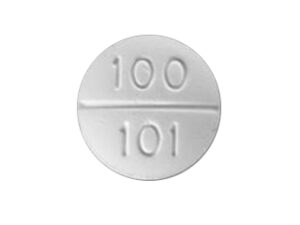
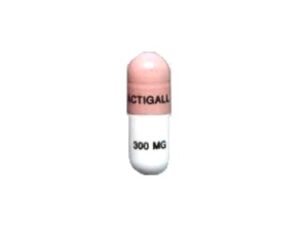
Availability and brand names can differ by manufacturer. Your pharmacist can confirm the exact product strength and appearance.
What is alfacalcidol and how does it work?
Active vitamin D support
Alfacalcidol is a vitamin D analogue designed to be converted by the body into its active form. Unlike inactive forms of vitamin D (which require multiple conversion steps), alfacalcidol is converted in the liver to 1α,25-dihydroxyvitamin D3 (often referred to as calcitriol), the active vitamin D hormone-like compound.
Mechanism of action
Once converted to the active form, alfacalcidol helps regulate:
- Calcium absorption: increases calcium absorption from the gut
- Bone metabolism: supports normal bone mineralisation
- Parathyroid hormone (PTH) levels: helps reduce elevated PTH that can occur in vitamin D deficiency states
- Phosphate balance: influences phosphate handling (particularly in kidney-related conditions)
By improving vitamin D activity, alfacalcidol helps reduce complications linked to low active vitamin D, such as bone pain and bone weakening.
Pharmacokinetics (how your body handles it)
Pharmacokinetics describes how a medicine is absorbed, processed, and eliminated in the body. The key points for alfacalcidol include:
- Conversion: alfacalcidol is converted in the body to its active metabolite (calcitriol).
- Onset: clinical benefits often relate to improved vitamin D activity and subsequent changes in calcium and PTH levels.
- Duration: the active vitamin D effects may persist beyond a single dose due to the active metabolite’s biological action.
- Excretion: like other vitamin D metabolites, elimination occurs primarily via metabolic processing and biliary/renal pathways.
Because individual metabolic differences and kidney function affect vitamin D activation and calcium balance, dosing commonly needs adjustment and monitoring.
Typical uses (indications)
Alfacalcidol is used to treat or prevent conditions involving impaired vitamin D function and associated bone and mineral disorders. In Australia, it may be used for example in:
- Renal osteodystrophy and bone disease related to chronic kidney disease (including reduced vitamin D activation)
- Hypocalcaemia (low blood calcium) linked to impaired vitamin D function
- Secondary hyperparathyroidism where low active vitamin D contributes to high PTH levels
- Vitamin D–responsive bone disorders where active vitamin D support is required
The exact diagnosis and treatment plan should be determined by a healthcare professional based on blood test results (such as calcium, phosphate, PTH, and vitamin D levels) and overall risk factors.
How and when to take alfacalcidol
Timing
Alfacalcidol is typically taken once daily, but some regimens may differ depending on the condition, calcium control, and local practice. Commonly, people take it at the same time each day to maintain consistent levels.
Your pharmacist or healthcare professional can advise the schedule for your specific product strength and condition.
With or without food
Food does not generally have a major impact on alfacalcidol in most patients, and it can usually be taken with or without meals. However, for consistency and to reduce stomach upset if it occurs, many people prefer taking it with food.
Practical tips
- Take at the same time daily to help you remember.
- Use a pill organiser if helpful.
- Keep all scheduled blood tests—calcium and related markers may need monitoring.
- Don’t double up if you miss a dose. Follow the advice you’ve been given.
- Inform your pharmacist about all supplements and medicines you take, especially calcium, magnesium, phosphate binders, and vitamin D products.
Food interactions and lifestyle considerations
Alfacalcidol is closely linked to calcium and vitamin D metabolism, so your total diet and supplements can matter. Key points:
- Calcium intake: Your healthcare team may advise on appropriate dietary calcium or calcium supplements. Too much calcium (especially combined with vitamin D therapy) can raise the risk of hypercalcaemia.
- Vitamin D-containing supplements: Avoid taking additional vitamin D products unless advised, as total vitamin D activity may become excessive.
- High-dose phosphate intake: In some kidney-related conditions, phosphate control is important. Follow personalised dietary advice.
There are no major “strict foods to avoid” for alfacalcidol in most patients, but the safest approach is to:
- Follow your clinician’s advice on calcium and vitamin D intake.
- Be cautious with over-the-counter vitamin D or calcium supplements.
- Maintain consistent eating patterns if your dose is stable.
Alcohol and medicine interactions
Alcohol
Moderate alcohol intake is not usually considered a direct interaction with alfacalcidol. However, alcohol can affect hydration status and overall health behaviours, and heavy alcohol use may contribute to nutritional deficiencies or complications.
If you drink alcohol regularly, consider discussing safe limits with your healthcare provider, particularly if you have kidney disease or are at risk of electrolyte disturbances.
Common medicine interactions
Interactions vary depending on your other conditions and medications. The most important interaction considerations include:
- Other vitamin D or vitamin D analogues (e.g., cholecalciferol, calcitriol): combined use may increase the risk of high calcium levels.
- Calcium supplements: may increase risk of hypercalcaemia and related symptoms.
- Thiazide diuretics (for example, hydrochlorothiazide): can increase calcium levels, raising hypercalcaemia risk when combined with vitamin D therapy.
- Cardiac glycosides (e.g., digoxin): elevated calcium may increase the risk of heart rhythm problems in some patients.
- Anticonvulsants (some medicines for epilepsy): may affect vitamin D metabolism, potentially reducing effect.
- Corticosteroids (e.g., prednisone): can reduce calcium absorption, sometimes requiring adjustments.
- Phosphate binders and kidney-related medicines: may be part of the overall mineral management plan and need coordinated monitoring.
Always provide your pharmacist with an up-to-date list of medicines and supplements so your overall calcium and vitamin D balance can be reviewed.
Dosing guidance (general information)
Dosing of alfacalcidol depends on the condition being treated and the results of blood tests, particularly calcium and PTH. Therefore, the safest dose is the one set for you based on your lab results and kidney function.
Typical dosing patterns
- Adults: commonly taken once daily, with dose adjustments made according to response and blood tests.
- Elderly: similar principles apply, with extra care if kidney function is reduced.
- Children: dosing may be weight-based and is more tightly monitored; follow specialist guidance.
Never exceed the prescribed or advised dose
Vitamin D therapy can cause toxicity if calcium levels become too high. Dose changes should be made by a healthcare professional, usually guided by regular lab tests.
Safety profile and side effects
General safety
The main risk with alfacalcidol is related to its vitamin D activity—particularly the potential for hypercalcaemia (high blood calcium) and hyperphosphataemia (high phosphate) in certain populations.
Possible side effects
Not everyone experiences side effects. Some effects are mild and may improve as the dose is adjusted. Side effects can include:
- High calcium symptoms (may suggest excessive dosing): nausea, vomiting, constipation, abdominal pain, increased thirst, frequent urination, fatigue, weakness, confusion.
- Kidney-related concerns: in severe cases, kidney stones or worsening kidney function may occur.
- Allergic reactions (rare): rash, itching, swelling, or difficulty breathing.
When to seek urgent help
Seek urgent medical attention if you experience symptoms suggestive of significant hypercalcaemia, such as severe confusion, dehydration, persistent vomiting, fainting, severe weakness, or severe abdominal pain.
Long-term considerations
With long-term use, ongoing monitoring helps ensure calcium stays within the target range and supports safe bone outcomes. Your clinician may adjust dosing based on:
- Calcium and phosphate blood results
- PTH levels
- Kidney function and other medical conditions
Practical use tips for safer treatment
- Keep track of your labs: ask what your target ranges are and when your next test is due.
- Don’t start extra supplements without checking: especially calcium, magnesium, or vitamin D products.
- Stay consistent: maintain a steady routine with dosing and follow diet advice regarding calcium/phosphate.
- Hydration matters: drink fluids as advised—particularly if you have kidney disease—to reduce dehydration-related complications.
- Report new symptoms early: early adjustment can prevent problems related to high calcium.
- Check medicine changes: if you start a new medication (for example, diuretics, anticonvulsants, or steroids), let your pharmacist know.
Alternative options
Depending on the underlying condition and lab results, alternative treatments may include other forms of vitamin D and strategies to manage calcium and bone health. Options can vary by patient and diagnosis, but may include:
- Cholecalciferol (vitamin D3) – often used for vitamin D deficiency where activation steps are intact
- Calcitriol – another active vitamin D analogue, sometimes used where rapid active vitamin D is needed
- Ergocalciferol (vitamin D2) – used in some deficiency cases
- Calcium supplementation – used when dietary intake is insufficient or as guided by blood tests
- Bone health therapies – in selected cases, other medications may be considered to manage osteoporosis or fractures
Your clinician can advise on the most appropriate option based on kidney function, current vitamin D activity, calcium/phosphate status, and overall risk.
Alfacalcidol in the Australian market: legal and practical context
In Australia, medicines including vitamin D analogues are regulated through the national medicines framework. Availability, brand selection, and prescribing practices are aligned with Australian health regulations and medicines scheduling.
When browsing online pharmacies in Australia, products may appear under different categories depending on scheduling requirements and the product’s specific formulation. A pharmacist can confirm whether your selected product is currently available, including common pack sizes and strengths.
Because vitamin D analogues can affect calcium balance, Australian healthcare practice commonly emphasises:
- Baseline and ongoing blood tests for safety
- Individualised dosing based on response
- Careful review of supplements and interacting medicines
Note: Advice and monitoring requirements may vary by indication (for example, kidney-related bone disorders vs vitamin D deficiency).
Recent guidance and monitoring considerations (general)
Clinical practice for vitamin D therapy increasingly emphasises “targeted treatment” supported by laboratory monitoring. While specific recommendations can differ between specialties and patient groups, common principles include:
- Monitor calcium levels regularly, particularly soon after dose changes.
- Assess phosphate and PTH in patients with chronic kidney disease or mineral bone disorders.
- Adjust dose promptly if results drift outside target ranges.
- Review the full medication list, including calcium, magnesium, phosphate binders, diuretics, and other vitamin D products.
For the most current clinical approach, your healthcare provider may refer to local specialist guidelines and pathology results.
Delivery and availability (online pharmacy)
Availability can depend on brand, strength, and pack size. Many online pharmacies offer:
- Standard delivery to metro and regional areas (delivery times vary)
- Tracking once your order is dispatched
- Discrete packaging for privacy
To help ensure you receive the correct product, check:
- The brand and strength listed in your order
- The dosage form (capsule/tablet)
- Whether you need repeat supplies and preferred delivery frequency
If a product is temporarily unavailable, pharmacies may offer alternative strengths (subject to availability and advice).
FAQ about alfacalcidol
1) What is alfacalcidol used for?
Alfacalcidol is used to support vitamin D activity and help manage conditions where calcium and bone metabolism are affected—particularly vitamin D–responsive bone disorders and certain kidney-related mineral and bone problems.
2) How long does it take to work?
Response times can vary. Calcium and PTH changes may occur over days to weeks depending on the condition, kidney function, and dose. Blood test results guide whether the dose needs adjustment.
3) Can I take alfacalcidol with food?
In most cases, you can take it with or without food. If it upsets your stomach, taking it with a meal may help. Consistency is beneficial.
4) Should I take calcium or vitamin D supplements too?
Do not add extra supplements unless your clinician or pharmacist has advised it. Adding calcium or other vitamin D products can increase the risk of high calcium levels.
5) What happens if I miss a dose?
If you miss a dose, follow the advice provided with your medicine or by your pharmacist. In general, you should not double up to make up for missed doses. Because dosing may be adjusted based on lab results, it’s important to ask for guidance if you’re unsure.
6) What symptoms could mean my calcium is too high?
Possible symptoms include nausea, constipation, thirst, frequent urination, fatigue, weakness, or confusion. If symptoms are severe or concerning, seek urgent medical help.
7) Are there common drug interactions?
Yes. Interactions can include other vitamin D products, calcium supplements, thiazide diuretics, corticosteroids, anticonvulsants, and certain heart medicines like digoxin. Always check with a pharmacist if you start or stop any medicines.
8) Can I drink alcohol while taking alfacalcidol?
Moderate alcohol intake is not typically a direct interaction, but excessive alcohol may worsen overall health and nutrition. If you have kidney disease or electrolyte issues, discuss safe limits with your healthcare provider.
9) Do I need blood tests?
Often, yes—especially in longer-term use or in conditions such as chronic kidney disease. Calcium (and sometimes phosphate and PTH) helps ensure the medicine is effective and safe.
10) Are there alternatives to alfacalcidol?
Alternatives may include other vitamin D forms (such as cholecalciferol or calcitriol) and calcium supplementation depending on your diagnosis and lab results. Your clinician can advise which option fits your situation.
Summary
Alfacalcidol helps the body produce active vitamin D, supporting calcium absorption and bone health. It is especially relevant in conditions where active vitamin D is reduced or where calcium and PTH regulation are disrupted.
- Take it consistently at the advised time (often once daily).
- Be cautious with additional vitamin D or calcium supplements.
- Attend blood test monitoring to keep calcium in a safe target range.
- Inform your pharmacist about all medicines you take to reduce interaction risks.
If you have questions about your specific product strength, dosing schedule, or suitability for your condition, speak with a pharmacist or healthcare professional.
At-a-glance comparison: related vitamin D approaches
| Option | What it is | Typical role | Main safety focus |
|---|---|---|---|
| Alfacalcidol | Vitamin D analogue converted to active calcitriol | Mineral/bone disorders where active vitamin D support is needed | Hypercalcaemia and phosphate imbalance |
| Calcitriol | Active vitamin D (calcitriol) | Active vitamin D replacement in some kidney-related conditions | Hypercalcaemia |
| Cholecalciferol (Vitamin D3) | Inactive vitamin D supplement | Vitamin D deficiency and general repletion | High vitamin D intake leading to high calcium |