

Levothroid (Levothyroxine) — Patient Guide (Australia)
Levothroid contains levothyroxine, a medicine used to treat and prevent problems caused by low levels of thyroid hormone. It is commonly prescribed to people with hypothyroidism and for specific thyroid-related conditions.
This guide explains what Levothroid does, how it works, how to take it safely, what to watch for with food, alcohol and other medicines, and where to find up-to-date information in Australia.
1) Basic product information
- Medicine: Levothroid
- Active ingredient: Levothyroxine (synthetic T4)
- What it helps with: Replacing missing thyroid hormone and supporting normal metabolism
- Available strengths: Commonly supplied in several strengths (e.g., microgram doses). Your exact strength will be indicated on your pack.
- Form: Oral tablets
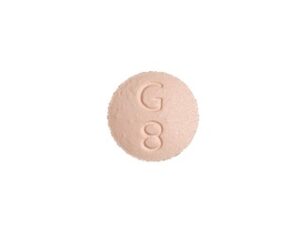
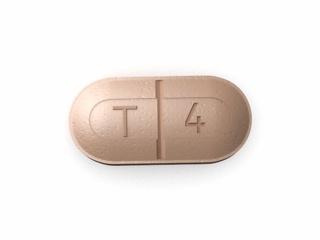
Note: Strengths and tablet appearance vary by brand and pack. Always confirm your dose from the pharmacy label.
2) What is levothyroxine?
Levothyroxine is a man-made form of thyroxine (T4), the main hormone released by the thyroid gland. In the body, T4 is converted into the active hormone triiodothyronine (T3), which helps regulate growth, energy use, temperature control, heart function and many other body processes.
Levothroid provides steady replacement of thyroid hormone so that your body can function normally while thyroid levels stabilise.
3) Mechanism of action (how it works)
Levothyroxine works by:
- Supplying T4 to the bloodstream
- Converting T4 to T3 in tissues (including the liver and kidneys)
- Restoring normal thyroid hormone levels and supporting normal metabolism
- Reducing elevated thyroid-stimulating hormone (TSH) where appropriate, according to the condition being treated
When thyroid hormone levels are restored, many symptoms of hypothyroidism (such as tiredness, weight gain, cold intolerance and constipation) may improve over time.
4) Pharmacokinetics (how the body handles it)
- Absorption: Levothyroxine is absorbed mainly in the small intestine.
- Bioavailability: Can vary depending on food, gut conditions and interactions with other medicines.
- Time to peak levels: Blood levels rise after oral dosing, though exact timing can vary.
- Half-life: Levothyroxine has a long half-life, helping maintain stable levels with daily dosing.
- Metabolism: Primarily metabolised in tissues and liver; T4 is converted to T3 as needed.
- Elimination: Excreted mainly via bile and urine after metabolism.
Why this matters: Because levothyroxine is long-acting and affected by food and interacting medicines, dose changes may take weeks to fully reflect in blood tests. Consistent daily administration is important.
5) Typical use in Australia
Levothroid is used to:
- Treat hypothyroidism (including primary hypothyroidism)
- Support thyroid hormone replacement when the thyroid gland is underactive or absent
- Manage certain thyroid-related conditions where adjusting thyroid hormone levels is part of medical care
It is also used for specific thyroid cancer-related management strategies in some patients; the exact purpose depends on your diagnosis and overall treatment plan.
6) Indications (when Levothroid is used)
Levothroid may be used for the following broad indications (your individual indication will be determined by your clinician):
- Primary hypothyroidism (for example, autoimmune thyroid disease)
- Post-surgical hypothyroidism after thyroid removal
- Congenital hypothyroidism in children (age-appropriate dosing and monitoring are required)
- Thyroid hormone replacement following radioactive iodine or other thyroid interventions
- Thyroid cancer-related uses (to maintain specific TSH targets, depending on risk and clinical context)
If you are unsure why you were prescribed Levothroid, check the information on your medicine label or with your healthcare professional.
7) How to take Levothroid: timing and routine
For best absorption, Levothroid is usually taken:
- Once daily at the same time each day
- On an empty stomach (commonly in the morning)
- With water
Typical approach (common practice):
- Take your tablet with a full glass of water.
- Wait at least 30–60 minutes before eating (follow your medicine information for your specific product).
- For consistent results, avoid switching your routine frequently.
Alternative timing (if morning dosing is difficult):
- Some people take levothyroxine at bedtime provided it is taken at least 3–4 hours after the last meal.
- Your blood test results and your clinician’s plan may guide the best schedule for you.
Important: If you change how you take Levothroid (for example, moving from morning to bedtime, or taking it with breakfast), it can affect absorption and may require blood test monitoring and dose adjustments.
8) Food interactions (what to avoid around doses)
Food can reduce the absorption of levothyroxine. To improve consistency, try to:
- Avoid taking Levothroid with breakfast or within the first hour of eating (unless advised otherwise).
- Be cautious with high-fibre meals soon after dosing, as they may affect absorption in some people.
- Be consistent: the same timing daily helps reduce variations in thyroid blood results.
Common timing rules:
- Keep a gap: Aim for at least 30–60 minutes between taking Levothroid and eating.
- For bedtime dosing: Keep a gap of at least 3–4 hours after your last meal.
Fibre and dietary supplements: Products containing minerals or bulk fibre may interfere with absorption. If you take supplements, consider spacing them away from your Levothroid dose.
9) Alcohol and medicine interactions
Alcohol
Moderate alcohol intake is not usually expected to directly “cancel out” levothyroxine. However, alcohol can indirectly affect health (sleep, liver function, hydration and diet) and may worsen symptoms in some people. If you notice symptom changes after alcohol, discuss them with your healthcare professional.
Safety tip: If you have liver disease or significant alcohol use, seek personalised advice, because thyroid hormone metabolism and overall health may be affected.
Other medicines that may interact
Several medicines and supplements can reduce absorption or change thyroid hormone levels. Common examples include:
- Iron supplements (ferrous salts) and multivitamins containing iron
- Calcium supplements
- Magnesium/aluminium antacids (for heartburn/indigestion)
- Bile acid sequestrants (used for cholesterol)
- Sucralfate (for some stomach conditions)
- Some diabetes medicines and other drugs may require closer monitoring in certain patients
- Amiodarone (for heart rhythm issues) — can affect thyroid function
- Certain seizure medicines and other enzyme-inducing drugs may reduce effectiveness
- Oestrogen therapy (including hormone replacement therapy or some contraceptives) may increase thyroid-binding proteins and affect measured thyroid levels
- Glucocorticoids and other therapies may influence thyroid function tests
Spacing approach (often used):
- If you must take interacting supplements like iron or calcium, many people are advised to separate them from Levothroid by several hours. Exact timing should follow your medicine information and clinical advice.
Always tell your healthcare team about all medicines you take, including herbal products and over-the-counter supplements.
10) Dosing: general information
Levothyroxine dosing is individual. The right dose depends on your age, weight, thyroid condition, and blood test results (especially TSH and sometimes free T4).
Common dosing principles include:
- Adults with primary hypothyroidism: dosing is started carefully and may be adjusted based on thyroid function tests.
- Older adults or people with heart disease: clinicians often start at a lower dose and increase slowly to reduce the risk of heart-related side effects.
- Children: dosing is weight-based and requires close monitoring.
- Pregnancy: thyroid requirements may change quickly; dose adjustment and monitoring may be necessary.
Do not change your dose unless advised by your healthcare professional. If you miss a dose, follow the guidance provided with your medicine or from your healthcare team.
11) Practical use tips for best results
- Be consistent: Take Levothroid at the same time each day.
- Use a simple routine: Keep it near your toothbrush/kettle to reduce missed doses.
- Take with water: Avoid taking it with coffee, milk, or juice.
- Keep spacing from supplements: If you take iron or calcium, separate them from your Levothroid dose.
- Check blood tests: Your TSH (and sometimes free T4) guides dose changes.
- Be careful with brand changes: Different levothyroxine products can have slightly different absorption and dosing profiles. Many clinicians prefer staying with the same brand and strength when possible.
- Track symptoms: If you develop symptoms of too much thyroid hormone (such as palpitations, tremor or anxiety) or too little (such as unusual tiredness or weight gain), seek advice and ask about testing.
12) Safety profile (what to watch for)
Levothyroxine is generally well tolerated when dosed correctly. The main safety concern is taking too much (leading to symptoms of hyperthyroidism) or too little (persistent hypothyroidism).
Potential side effects
Side effects are most likely if the dose is higher than needed. They can include:
- Fast or irregular heartbeat (palpitations)
- Tremor or nervousness
- Heat intolerance, sweating
- Unintended weight loss
- Insomnia
- Headache
- Increased appetite
- Diarrhoea or increased bowel movements
When to seek urgent medical attention
Get urgent medical help if you develop:
- Chest pain, severe shortness of breath or fainting
- Severe palpitations or suspected heart rhythm problems
- Signs of an allergic reaction (swelling of face/lips, rash, difficulty breathing)
Special populations
- Pregnancy: Maintaining appropriate thyroid levels is important for maternal and foetal health; monitoring may be more frequent.
- Heart disease: Dose changes should be approached carefully.
- Older adults: lower starting doses are often used to reduce risk of over-replacement.
- Children: strict adherence to dosing schedule and monitoring is essential.
Breastfeeding: Levothyroxine is generally compatible with breastfeeding when taken as prescribed, but blood tests and clinical guidance are important.
13) What if you miss a dose?
If you miss a dose, follow the advice on the medicine label or provided by your healthcare professional. Because levothyroxine has a long half-life, missing one dose may not cause immediate harm for many people, but repeated missed doses can affect thyroid levels and symptoms.
Tip: If you’re unsure, ask your pharmacist for guidance based on your specific dosing schedule and medical condition.
14) Alternative options
If Levothroid isn’t suitable for you, options may include other brands of levothyroxine or, in some cases, different thyroid hormone preparations. Alternatives could include:
- Other brands of levothyroxine (synthetic T4) — the active ingredient is the same, but absorption can vary slightly
- Combination therapy or different formulations in select cases (decisions depend on clinical status and specialist guidance)
- Special formulations if you have absorption problems (this is determined by your clinician)
Important: Switching between products or formulations should be followed by appropriate blood test monitoring. For many people, the goal is steady and consistent hormone exposure.
15) Recent guidance and monitoring in practice (Australia)
Thyroid hormone replacement therapy commonly involves:
- Regular blood testing (typically TSH, sometimes free T4) after starting or changing dose
- Assessing adherence and timing before assuming the dose is wrong (food and supplement interactions are common causes of “unexpected” results)
- Reviewing interacting medicines and changing factors such as pregnancy, weight changes, and gastrointestinal conditions
In Australia, many clinicians follow established prescribing and monitoring principles, including careful titration and consistency in how levothyroxine is taken. If you’ve had dose changes or persistently abnormal results, ask whether your dosing routine and interacting medicines have been reviewed.
To stay current: Your pharmacist can help you locate the latest product information (e.g., Consumer Medicine Information and Product Information) and explain monitoring schedules.
16) Delivery and availability (Australia)
Levothroid (levothyroxine) is typically available through pharmacies across Australia, including online pharmacy services (subject to supply and eligibility).
- Availability: Levothyroxine is widely used, and stock is generally available, though specific strengths may occasionally be limited.
- Delivery: Delivery times depend on your location and the pharmacy provider’s dispatch process.
- Packaging: Medicines are supplied in original manufacturer packaging for safety and traceability.
Storage: Keep tablets in a cool, dry place away from direct sunlight, and store them according to the instructions on the pack.
17) Market and legal context for Australia
In Australia, medicines containing levothyroxine are regulated under national medicines and pharmacy standards. Online purchase is subject to applicable requirements, including pharmacist involvement, product identification and appropriate supply processes.
Why this matters to you: To help ensure safety, reputable online pharmacies verify that the medicine is appropriate for the intended use, and that the correct product strength and quantity are supplied.
Always check that the medicine you receive matches the product name, strength and form listed on your order and label.
18) FAQ — Common questions about Levothroid
How long does it take for Levothroid to start working?
Some symptoms may improve within a few weeks, but thyroid blood tests often take longer to stabilise after dose changes. If you start Levothroid or adjust your dose, follow your clinician’s recommended timing for repeat tests.
Should I take Levothroid every day?
Levothyroxine is usually taken long-term for ongoing thyroid hormone replacement. Consistency is important for stable blood levels and symptom control.
Can I take Levothroid with coffee or milk?
It’s best to take Levothroid with plain water only. Coffee, milk and other beverages may reduce absorption. If you regularly drink coffee in the morning, separate it from your dose by at least the recommended waiting time before eating/drinking.
What should I do with iron or calcium supplements?
Iron and calcium can reduce levothyroxine absorption. Many people need to separate these by several hours. Ask your pharmacist for a spacing plan based on your supplement schedule and strength of Levothroid.
Can I stop Levothroid once I feel better?
Stopping suddenly can cause thyroid levels to fall again and symptoms to return. If you’re considering stopping, speak with a healthcare professional first.
What if I change brands of levothyroxine?
It may be possible to switch between brands, but absorption and dosing can vary. If a switch occurs, thyroid blood tests may be needed to confirm the dose is still appropriate. Whenever possible, aim for consistent product use.
Is Levothroid safe during pregnancy?
Maintaining thyroid hormone levels is important during pregnancy. Many people need dose adjustments and more frequent blood tests. Discuss pregnancy plans and changes in thyroid testing with your healthcare team promptly.
Can I drink alcohol while taking Levothroid?
Moderate alcohol intake is not typically a direct interaction, but alcohol can affect overall health and symptoms. If you have liver disease or notice symptom changes, seek personalised advice.
What are the signs my dose may be too high or too low?
- Too high (over-replacement): palpitations, tremor, anxiety, heat intolerance, insomnia, unexplained weight loss, diarrhoea.
- Too low (under-replacement): tiredness, constipation, weight gain, cold intolerance, slower heart rate, sluggishness.
If symptoms suggest over- or under-replacement, contact your healthcare professional and ask about checking thyroid function tests.
Where can I find official medicine information?
Look for the Consumer Medicine Information (CMI) and Product Information for Levothroid on the pack or via trusted Australian sources. Your pharmacist can also explain key safety and usage details.
Summary
Levothroid (levothyroxine) replaces thyroid hormone and helps restore normal metabolism. For best results, take it consistently once daily on an empty stomach, allow appropriate time before food, and separate it from interacting supplements such as iron and calcium. If you experience symptoms of too much or too little thyroid hormone, or if your thyroid tests remain off-target, your dose and timing routine may need review. In Australia, staying with a consistent product and monitoring thyroid function helps maintain long-term safety and effectiveness.