
Oxybutynin (for overactive bladder) — Patient Guide (Australia)
Oxybutynin is a medicine used to treat overactive bladder (OAB)—a condition that can cause frequent urination, urgency (a sudden need to urinate), and urge incontinence (leaking urine on the way to the toilet). This guide explains how oxybutynin works, how it is taken, what to expect, important safety considerations, and how it may interact with food, alcohol and other medicines.
This information is designed to be patient-friendly. Always follow the directions on your medicine label and the advice of your health professional. If you have questions about your specific situation, ask your pharmacist or doctor.
Basic product information
| Item | Details |
|---|---|
| Generic name | Oxybutynin |
| Common purpose | Treatment of overactive bladder symptoms |
| How it works | Antimuscarinic / anticholinergic effects on bladder muscle |
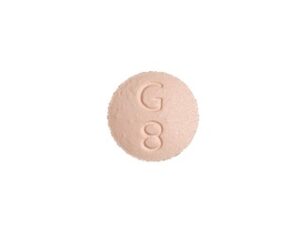
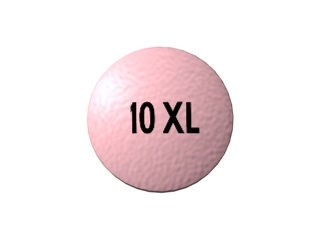
| Typical forms | Immediate-release tablets and modified/extended-release preparations (brand names vary) |
| Where it’s used | Australia (availability depends on product strength and formulation) |
Oxybutynin may be supplied as different formulations. The exact dose and dosing schedule depend on the product you receive (for example, immediate-release vs extended-release).
How oxybutynin works (mechanism of action)
Oxybutynin belongs to a group of medicines called antimuscarinics (also known as anticholinergics). In overactive bladder, the bladder muscle can contract too often or too strongly, leading to urgency and frequent urination.
Oxybutynin blocks muscarinic receptors in the bladder. This helps:
- Reduce involuntary bladder contractions (detrusor overactivity)
- Increase bladder capacity so you may need to urinate less often
- Decrease urgency episodes and urge incontinence
By acting on receptors in the bladder, oxybutynin can also affect other body systems that use similar receptor pathways. This is why side effects such as dry mouth may occur.
Pharmacokinetics (how the body handles oxybutynin)
Pharmacokinetics describes how a medicine is absorbed, distributed, metabolised and eliminated. While exact numbers can vary by formulation and individual factors, the overall pattern is:
- Absorption: Oxybutynin is absorbed after oral dosing.
- Distribution: It spreads throughout the body and can affect both the bladder and other organs. This contributes to both desired and unwanted effects (e.g., dryness).
- Metabolism: Oxybutynin is significantly metabolised by the liver, producing active and inactive metabolites. The amount and activity of metabolites can influence effect and tolerability.
- Elimination: Metabolites are mainly cleared via the kidneys (urinary excretion).
Why formulation matters: Extended-release products are designed to release oxybutynin more slowly, which may help reduce peak-related side effects for some people.
Typical use (indications) in plain language
Oxybutynin is used to manage urinary symptoms related to overactive bladder, including:
- Urgency (a sudden, difficult-to-postpone need to urinate)
- Increased frequency (urinating more often than usual)
- Urge incontinence (leaking urine after feeling urgency)
In some clinical settings, healthcare professionals may also consider oxybutynin for other bladder-related conditions. Your pharmacist or doctor can confirm the specific intended use for your product.
How to take oxybutynin (timing and dosing)
Dosing depends on the formulation and your response. Use the directions provided with your medicine. If you are unsure whether you have an immediate-release or modified-release product, check the label.
Typical timing
- Immediate-release forms: often taken multiple times daily (for example, morning and evening, or morning/afternoon/night), depending on the product strength and prescriber instructions.
- Extended-release / modified-release forms: usually taken once daily, often at the same time each day.
Dose adjustments
Many people start on a lower dose to improve tolerability, then adjust based on benefit and side effects. If you experience troubling dry mouth, constipation, blurred vision, or dizziness, talk to your pharmacist or doctor.
Practical dosing checklist
- Swallow whole: unless your product directions allow splitting/crushing (follow label instructions).
- Be consistent: take at similar times each day.
- Give it time: symptom improvement may occur within days, but full benefit can take longer.
When you might notice effects
Many people notice some reduction in urgency and frequency within the first few days. However, bladder control is complex. Your healthcare team may review symptoms after a short period and adjust the dose if needed.
Tip: Consider tracking for 3–7 days (or as advised) using a simple note: time of urination, urgency episodes, and any leakage. This helps evaluate whether oxybutynin is working for you.
Food interactions (including what to eat and drink)
Food interactions can vary by formulation. In general, oxybutynin can be taken with or without food, but some people find it easier on the stomach when taken with food.
Key practical points:
- Take as directed: follow your product label instructions.
- Stay hydrated: antimuscarinic medicines can reduce salivary flow; drinking water may help comfort.
- Avoid grapefruit only if advised: if your medicine information advises against certain foods or juices, follow that guidance.
If you experience nausea or dizziness after taking oxybutynin, taking it with a meal may help. If symptoms persist, speak to your pharmacist.
Alcohol and medicine interactions
Alcohol
Combining oxybutynin with alcohol may increase side effects such as:
- dizziness or light-headedness
- drowsiness or reduced alertness
- blurred vision
- falls risk, particularly in older adults
It’s generally best to limit alcohol while starting or adjusting oxybutynin. If you choose to drink, do so cautiously and avoid driving or operating machinery if you feel affected.
Other medicines (important interactions)
Oxybutynin has anticholinergic effects. Using it with other medicines that also have anticholinergic properties may increase the chance of side effects such as constipation, dry mouth, and confusion.
Examples of medicine categories that may interact:
- Other anticholinergic medicines (for example, some allergy medications, motion-sickness tablets, and some bladder/urinary drugs)
- Some antidepressants and antipsychotics
- Some pain medicines that may contribute to constipation (depending on the specific medicine)
- Medicines causing drowsiness (sedatives, some sleep medicines, and some antihistamines)
Always check your medication list with your pharmacist. Provide details of all medicines you take, including: over-the-counter products, herbal supplements, and occasional medications.
Safety profile and side effects
Like all medicines, oxybutynin can cause side effects. Not everyone will experience them. Many common side effects relate to its anticholinergic action.
Common side effects
- Dry mouth
- Constipation
- Blurred vision or trouble focusing
- Dizziness
- Headache
- Difficulty urinating (especially in people with urinary retention risk)
- Tiredness in some people
Less common but important effects
- Heat intolerance (reduced sweating). This can be significant in hot weather.
- Confusion or memory issues, particularly in older adults.
- Fast heartbeat (palpitations) in some individuals.
Seek urgent help if
Contact urgent care or seek immediate medical advice if you develop severe allergic symptoms (such as swelling of the face/lips, breathing difficulty), severe confusion, inability to pass urine, or signs of severe dehydration/heat illness.
Who should be extra cautious?
Certain groups may be more sensitive to anticholinergic medicines or may have conditions that can worsen with oxybutynin. Your pharmacist can advise based on your history, but in general, extra care is needed if you have:
- Glaucoma (especially narrow-angle glaucoma)
- Urinary retention or significant difficulty emptying the bladder
- Severe constipation or bowel obstruction
- Myasthenia gravis
- Tachyarrhythmias or significant heart rhythm issues (depending on your situation)
- Older age or a history of confusion/falls
Heat intolerance and dehydration risk can be higher in warm climates, during exercise, or with fever.
Practical use tips (how to get the best results)
Dry mouth management
- Drink small amounts of water regularly.
- Use sugar-free gum or lozenges to stimulate saliva (if suitable for you).
- Maintain good oral hygiene.
Constipation prevention
- Increase dietary fibre (e.g., fruit, vegetables, whole grains) if safe for you.
- Stay hydrated.
- Discuss suitable constipation remedies with your pharmacist if needed.
Bladder training and habits
Medicines often work best alongside bladder lifestyle strategies. Consider:
- Scheduled toileting (using a gradually increasing interval)
- Reducing “just in case” urination that reinforces urgency
- Managing fluid timing (avoiding large volumes close to bedtime)
Safety while adjusting dose
- Avoid driving or hazardous activities if you feel dizzy or have blurred vision.
- Be cautious in hot weather; take cool-down breaks and drink fluids.
Track your symptoms
- Record urgency episodes, leaking episodes, and time spent in the bathroom.
- Note side effects (dry mouth, constipation) so you can discuss trade-offs with your pharmacist/doctor.
Missed dose and what to do
If you miss a dose, take it when you remember unless it is close to your next scheduled dose. Do not double up to make up for a missed dose. If you are unsure, ask your pharmacist.
The safest approach depends on whether your formulation is immediate-release or extended-release. Check the product instructions or seek advice.
Dosing overview (general guidance)
Dosing must be individualised. Below is a general overview commonly seen in clinical practice; your product label may differ. Always follow your specific medicine instructions.
Typical dosing patterns
- Immediate-release: taken several times daily; total daily dose may be increased gradually.
- Extended-release: often once daily; dose adjustments are usually stepwise based on response.
Your healthcare professional may increase or decrease the dose based on:
- Degree of symptom control (urgency/frequency/leakage)
- Side effect severity (dry mouth, constipation, dizziness, blurred vision)
- Other conditions and medicines you are taking
If you have kidney or liver impairment, your clinician may need to adjust dose and monitor you more closely.
Alternative options for overactive bladder
If oxybutynin is not suitable or does not work well for you, there are alternative approaches. Your pharmacist can discuss options, which may include:
Non-medicine options
- Bladder training
- Pelvic floor exercises (often with physiotherapy support)
- Fluid and caffeine adjustments
Other medicine options
Depending on availability and your medical history, alternatives may include:
- Other antimuscarinic medicines (different antimuscarinics can vary in side-effect profile)
- Beta-3 agonists (a different mechanism used in some patients)
If you experience bothersome side effects, switching to an alternative medicine or formulation may improve tolerability. Discuss options rather than stopping abruptly on your own.
Market and legal context in Australia
In Australia, access to medicines depends on their scheduling and the product’s intended use. Oxybutynin is commonly supplied in forms used to manage overactive bladder symptoms under appropriate clinical supervision. Availability for specific brands and strengths can vary across pharmacies and suppliers.
Online pharmacy services in Australia generally require customers to follow regulatory requirements such as identity verification and/or documentation procedures where applicable. The exact process depends on the product schedule and the pharmacy’s operational policies.
If you’re ordering online, ensure the product matches the intended formulation (immediate vs extended-release) and strength described in your medication information.
Recent guidance and clinical considerations
Over time, clinical guidance in Australia and internationally has emphasised:
- Individualising treatment based on symptom severity and side-effect risk
- Considering tolerability, especially in older adults due to anticholinergic burden
- Reviewing response after starting therapy and adjusting if needed
- Exploring non-medicine strategies alongside medicines for best long-term outcomes
Because recommendations can evolve, your pharmacist may discuss the most current approach for managing overactive bladder, including when to consider alternative medicines or referral to a specialist.
Delivery and availability (online pharmacy)
Availability and delivery times can vary depending on the specific brand, strength and formulation, plus stock levels and your location in Australia. Many online pharmacies aim to dispatch orders promptly once processed and verified.
- Check product details: confirm strength and whether the product is immediate-release or modified/extended-release.
- Allow time for delivery: transport times differ between major cities and regional areas.
- Packaging and storage: keep medicines in a cool, dry place and follow storage directions on the label.
If you need your medicine urgently or have specific delivery requirements, contact the pharmacy before ordering.
Safety: storage and handling
- Store at room temperature unless the label says otherwise.
- Keep out of reach of children.
- Do not use after expiry date printed on the pack.
- Return unused medicine according to your pharmacy’s advice or local disposal guidelines.
FAQ (Frequently asked questions)
1) How long does it take oxybutynin to work?
Some improvement in urgency or frequency may occur within the first few days. For others, it may take longer. Symptom tracking for about a week can help you and your pharmacist evaluate whether the medicine is right for you.
2) What is the difference between immediate-release and extended-release oxybutynin?
Immediate-release products typically require more frequent dosing. Extended-release products release the medicine more slowly and are often taken once daily. Side effects may be less noticeable for some people with modified-release formulations, but individual results vary.
3) What are the most common side effects?
The most common include dry mouth, constipation, blurred vision, dizziness, and headache. If side effects are severe or persistent, talk to your pharmacist promptly.
4) Can I drink coffee or tea while taking oxybutynin?
Caffeine can irritate the bladder and worsen urgency for some people. You may not need to avoid caffeine completely, but moderating intake and observing your symptoms is a helpful strategy.
5) Is it safe to drive after taking oxybutynin?
If you feel dizzy or have blurred vision, avoid driving and other hazardous tasks. Some people experience these effects, especially when starting therapy or after dose changes.
6) How can I manage dry mouth?
Keep water nearby, use sugar-free gum/lozenges if suitable, and maintain good dental hygiene. If dry mouth becomes very uncomfortable, ask your pharmacist about adjustment strategies or alternative treatments.
7) What should I do if I get constipation?
Increase fibre and fluids if safe for you, and consider discussing an appropriate constipation remedy with your pharmacist. Severe constipation should be assessed promptly.
8) Can oxybutynin be taken with other medicines?
Oxybutynin can interact with medicines that have anticholinergic or sedating effects. Always check your full list of medicines (including over-the-counter products) with your pharmacist.
9) Should I avoid alcohol?
Alcohol may increase dizziness or drowsiness and raise the risk of falls. It’s best to limit alcohol, particularly when starting or changing your dose.
10) What if I miss a dose?
Take it when you remember unless it’s close to the next dose. Don’t take a double dose. If unsure, consult your pharmacist.
When to seek medical advice
Seek medical advice if your symptoms do not improve after an appropriate trial, if side effects become difficult to manage, or if you develop red-flag symptoms such as severe constipation, inability to urinate, significant confusion, or signs of heat illness.
Your pharmacist is a great first point of contact for advice on safe use, side-effect management, and suitable alternatives.