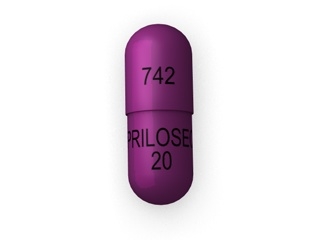
Prilosec (Omeprazole) – Patient-Friendly Guide (Australia)
Prilosec is a brand of omeprazole, a medicine used to reduce stomach acid. It belongs to the medicine group called proton pump inhibitors (PPIs). In Australia, omeprazole is used to treat a range of conditions where excess stomach acid contributes to symptoms such as heartburn, acid reflux, and indigestion.
This guide explains how Prilosec works, when to take it, what to expect, important interactions, and practical tips for safe use. It also covers availability and common questions for people in Australia.
Basic product information
| Feature | Details |
|---|---|
| Medicine name | Prilosec (omeprazole) |
| Medicine type | Proton Pump Inhibitor (PPI) |
| How it works | Reduces acid production in the stomach |
| Common forms | Oral delayed-release capsules and/or tablets (depending on product) |
| Common dosing strengths | Varies by product and condition (e.g., 10 mg, 20 mg, 40 mg) |
| Availability in Australia | Omeprazole products are available through pharmacies; some are listed as non-prescription medicines for certain indications |
How Prilosec works (mechanism of action)
Omeprazole is a proton pump inhibitor. It targets acid-producing “proton pumps” located in the stomach lining. By blocking these pumps, Prilosec can significantly reduce the amount of acid the stomach produces.
Because the medicine works on acid pumps that are active during digestion, timing is important: Prilosec is designed to be taken so it can be activated before the day’s acid production reaches its peak.
- Result: less stomach acid → reduced heartburn and reflux symptoms
- Longer-term effect: helps heal inflammation of the oesophagus in some conditions
- Not an instant antacid: it reduces acid production over time rather than “neutralising” acid instantly
Pharmacokinetics (what the body does with it)
Understanding absorption and timing helps explain why Prilosec is often taken in a particular way. While specific numbers can vary slightly between formulations, the following describes typical behaviour:
- Absorption: Omeprazole is absorbed after the delayed-release coating dissolves. This coating helps protect the medicine from stomach acid so it can reach the bloodstream.
- Onset of acid suppression: Many people notice symptom improvement within a day or two, but maximal acid reduction can take several days of consistent use.
- Peak effect: The strongest acid-lowering effect is usually achieved when taken as directed (often before food).
- Metabolism: Omeprazole is metabolised in the liver, primarily by enzymes of the CYP system (notably CYP2C19).
- Elimination: Metabolites are cleared from the body mainly via the kidneys.
Lifestyle factors and other medicines can influence how quickly omeprazole is processed, which is why interaction checks matter.
Typical uses in Australia
Omeprazole is used to treat symptoms and conditions linked to stomach acid. Common uses include:
- Heartburn and acid reflux (gastro-oesophageal reflux disease, GORD): reduces symptoms such as burning in the chest and sour taste.
- Oesophagitis: inflammation of the oesophagus related to reflux.
- Frequent indigestion (dyspepsia): in selected people, especially where acid-related symptoms occur.
- Zollinger–Ellison syndrome: a rare condition causing excessive stomach acid production.
- Prevention of acid-related injury in certain long-term regimens where risk is higher (as advised by healthcare professionals).
Note: the specific indication and dose may depend on the product strength and whether it is being used for a short course or long-term management. Always follow the directions on the package or as advised by your pharmacist or doctor.
Indications: when Prilosec may be appropriate
You may consider Prilosec (omeprazole) if you experience acid-related symptoms such as:
- Heartburn (burning sensation behind the breastbone)
- Regurgitation or reflux of sour fluid
- Stomach discomfort or indigestion related to acid
- Symptoms that recur frequently or last for weeks
Important: Some symptoms can be caused by conditions other than acid reflux. Seek medical advice promptly if symptoms are severe, persist, or are accompanied by warning signs (see “Safety profile” below).
How to take Prilosec (timing and dosing)
Timing: before food for best effect
Prilosec works best when taken so it can reduce acid secretion before it is produced in response to meals. For most adults, the usual approach is:
- Take once daily: typically 30–60 minutes before a meal, often before breakfast.
- Take consistently: taking it at the same time each day helps keep acid control stable.
- Swallow whole: do not crush or chew enteric-coated/delayed-release forms.
If you are taking the medicine twice daily, your clinician may advise morning and evening doses. Follow your product instructions carefully.
Typical dosing overview
Doses vary by condition and the specific product strength. Below is a general overview commonly used in practice; your pharmacist or doctor may tailor it.
| Condition (general) | Typical dosing pattern (general overview) | Notes |
|---|---|---|
| Frequent heartburn / reflux symptoms | Often once daily (strength depends on product) | May be used for short courses; persistent symptoms require review |
| Reflux with oesophagitis | Often once daily; sometimes higher doses if needed | Follow duration advised; symptoms may take days to settle |
| Zollinger–Ellison syndrome | May require higher and adjusted dosing | Requires specialist monitoring |
Do not exceed the stated dose on your product label. If you miss a dose, take it when you remember unless it is near the time for the next dose. Avoid doubling doses.
How long until it works?
- Some relief: may occur within 24 hours.
- Better control: often improves over several days with consistent daily use.
- Healing (if reflux injury exists): may take longer and requires continued treatment as advised.
If you do not feel better after the recommended trial period, or symptoms return quickly, speak with your pharmacist or doctor for assessment and next steps.
Food interactions and what to eat
Food itself does not usually “react” with omeprazole, but timing relative to meals matters for effect. Taking it after food may reduce the degree of acid suppression during the day’s peak digestion.
Practical food-related tips
- Best time: take before your first meal of the day.
- If mornings are difficult: you can take it before another meal if that’s how your routine allows—aim for the same pre-meal timing daily.
- Consistency beats perfection: do your best to take it regularly; discuss changes with your pharmacist if needed.
For reflux symptoms, lifestyle measures can complement Prilosec, such as avoiding large meals late in the evening and identifying personal trigger foods.
Alcohol and medicine interactions
Omeprazole does not have a common “hard” interaction with alcohol in the way some medicines do. However, alcohol can worsen reflux by relaxing the lower oesophageal sphincter and increasing irritation. For many people, limiting alcohol can reduce symptoms and improve comfort.
Medicines that may interact with omeprazole
Omeprazole can alter stomach acidity, which may influence the absorption or effectiveness of certain medicines. It is also metabolised in the liver. Tell your pharmacist about all medicines you take, including “over-the-counter” products.
- Some antifungals: absorption can be affected (e.g., ketoconazole, itraconazole).
- Some cancer medicines: certain drugs may require careful timing/monitoring.
- HIV medicines: drug levels can be affected in some cases.
- Warfarin (anticoagulant): may require monitoring of INR/bleeding risk after starting or stopping omeprazole.
- Clopidogrel (antiplatelet): interaction risk may exist; clinical advice may be needed.
- Diazepam and other drugs metabolised by liver enzymes: may be affected in some situations.
- Medicines with pH-dependent absorption: acid suppression can change absorption.
Practical advice: Keep a list of your medicines and show it to your pharmacist when purchasing Prilosec, especially if you take multiple medicines, use blood thinners, or have complex medical conditions.
Safety profile: what to know
Most people tolerate omeprazole well. Like all medicines, it can cause side effects in some individuals. If you experience severe symptoms or an allergic reaction, seek urgent medical care.
Common side effects
- Headache
- Nausea or stomach discomfort
- Diarrhoea or constipation
- Bloating or gas
- Dry mouth
Less common but important risks
The following are not everyday occurrences, but they are important considerations—particularly with longer-term use or higher doses.
- Infections: reduced stomach acid may slightly increase susceptibility to some gastrointestinal infections.
- Vitamin and mineral issues: long-term use may be associated with lower magnesium and possibly vitamin B12 changes in susceptible people.
- Bone fractures: some studies have suggested a small increased risk with long-term/high-dose PPI use; risk depends on overall health and age.
- Kidney effects: rare kidney inflammation has been reported with PPIs.
- Severe skin reactions: rare hypersensitivity reactions can occur.
Seek urgent care if you have warning signs
Consult a doctor urgently if any of these occur:
- Vomiting blood or black/tarry stools
- Unexplained weight loss
- Difficulty swallowing or painful swallowing
- Persistent vomiting
- Chest pain, shortness of breath, or symptoms that could indicate heart-related problems
- Symptoms that started suddenly after years of stability
If you’re using Prilosec for more than a short trial period and symptoms keep returning, ask your pharmacist or GP for a review rather than extending treatment on your own.
Practical use tips (getting the most benefit)
- Take it the right way: swallow the capsule/tablet whole and do not crush or chew delayed-release forms.
- Set a routine: choose a time you can repeat daily (commonly before breakfast).
- Don’t stop abruptly after long-term use: some people experience rebound acid symptoms when stopping PPIs. Your pharmacist or doctor can advise a safe step-down plan if needed.
- Combine with reflux habits: smaller meals, avoid eating right before lying down, elevate the head of the bed if advised, and identify trigger foods (such as fatty meals, spicy foods, caffeine, and alcohol for some people).
- Track your symptoms: note timing (after meals, at night) and response over the first week to discuss with your healthcare professional.
Alternative options
If Prilosec (omeprazole) isn’t suitable, doesn’t control symptoms, or isn’t the best fit for your situation, there are other approaches in Australia. Options may include:
- Other PPIs: such as esomeprazole, pantoprazole, and lansoprazole. These work similarly but can differ in potency and individual response.
- H2 receptor antagonists: medicines like famotidine or ranitidine alternatives (availability may vary). These reduce acid but are generally less powerful than PPIs.
- Antacids: for fast, short-term relief of occasional heartburn. These neutralise existing acid but do not prevent acid production.
- Alginate-based products: can form a “raft” to reduce reflux episodes, especially after meals.
- Non-medicine strategies: weight management, dietary adjustments, avoiding late meals, and positional changes at night.
Your pharmacist can help you choose the most appropriate approach based on the frequency and pattern of your symptoms.
Market and legal context in Australia
In Australia, medicines containing omeprazole are regulated under the Australian health system and must be supplied in line with Australian requirements. Depending on the product formulation and strength, omeprazole may be available via pharmacy for certain indications and treatment durations.
Online pharmacy supply is subject to standard verification processes and product eligibility. Availability, pack sizes, and strength may vary between retailers and manufacturers.
Label directions matter: always use the product in accordance with its approved instructions and consumer information.
Recent guidance and ongoing updates
Medical guidance regarding PPI use commonly emphasises:
- Using the lowest effective dose for the shortest effective duration when appropriate.
- Reviewing symptoms if they don’t improve after a short trial period.
- Assessing long-term users for benefits versus risks, including nutritional status and ongoing need.
- Considering potential interactions with medicines that require acid-dependent absorption or liver metabolism considerations.
If you have questions about whether continued PPI use is appropriate for you, speaking with a pharmacist or GP can help ensure safe, effective ongoing management.
Delivery and availability (Australia)
Prilosec (omeprazole) products may be available online through Australian pharmacies, subject to local rules, stock availability, and eligibility checks. Delivery times vary based on location and courier arrangements.
When ordering, you can typically choose:
- Home delivery (most common)
- Click-and-collect or in-store pickup (if offered by the pharmacy)
To avoid treatment disruption, consider ordering before you run out—particularly if you take a medicine daily as part of your reflux plan.
FAQ
1) Is Prilosec the same as omeprazole?
Yes. Prilosec is a brand name of omeprazole. Different brands may contain the same active ingredient but can vary in formulation and pack strength.
2) How fast will I feel better?
Many people notice improvement within a day or two, but full benefit often takes several days of consistent daily use. If symptoms persist beyond the advised trial period, ask your pharmacist or doctor for review.
3) Should I take Prilosec before or after food?
For best results, take it before food—often 30–60 minutes before breakfast. This timing helps the medicine work when your stomach is preparing to produce acid.
4) Can I take Prilosec with antacids?
Often, antacids can be used for occasional breakthrough symptoms alongside PPIs. However, check with your pharmacist—especially if you take other medicines or have kidney issues.
5) What if I miss a dose?
Take it when you remember unless it is close to the next dose. Do not take a double dose to make up for a missed tablet/capsule.
6) Can I drink alcohol while taking Prilosec?
There is no universal “must avoid” rule, but alcohol can worsen reflux and irritation in many people. If you notice flare-ups after alcohol, reducing or avoiding it may improve symptoms.
7) Are there long-term risks with PPIs?
Long-term use can be associated with certain risks (such as nutrient issues and infection susceptibility) in some individuals. Many people still benefit from PPIs when they’re appropriately indicated. The key is to use the lowest effective dose and review whether ongoing treatment is still needed.
8) When should I see a doctor?
Seek prompt medical advice if you have warning signs like trouble swallowing, unintended weight loss, vomiting blood, black/tarry stools, persistent symptoms despite treatment, or symptoms that suggest something other than typical reflux.
9) Can I stop Prilosec suddenly?
Some people experience “rebound” acid symptoms after stopping PPIs, especially if used for a long time. If you have been taking it regularly, ask your pharmacist or doctor about a suitable step-down plan.
10) Who should take extra care?
Extra caution is advised if you are pregnant, breastfeeding, have liver or kidney disease, or take multiple medicines (especially blood thinners or medicines with known interaction risks). A pharmacist can help check your specific situation.
General information only: This page summarises commonly used information about omeprazole for educational purposes. Always follow the directions on the product label and consult a pharmacist or doctor for personalised advice, especially if symptoms are persistent, severe, or associated with warning signs.