
Cytotec (Misoprostol) — Patient-Friendly Guide (Australia)
Cytotec is a medicine containing misoprostol. It is used for specific medical conditions where it helps the body make the cervix more ready for procedures or helps with the control of bleeding related to the uterus. This guide explains what Cytotec is, how it works, how it’s typically used, and what to consider for safety—tailored for readers in Australia.
Important: Misoprostol can cause significant uterine cramping and bleeding. Always follow the instructions provided by your healthcare professional or the prescribing information you receive. This page is for general information and does not replace personalised medical advice.
Quick overview
- Medicine: Cytotec (misoprostol)
- What it’s used for: Selected uterine-related indications, including prevention or treatment of certain complications and procedures (depending on the clinical plan).
- How it works: Mimics a hormone-like substance (prostaglandin E1) that affects the uterus and cervix.
- Common effects: Cramping, vaginal bleeding/spotting, possible nausea or diarrhoea
- Key safety points: Seek urgent medical help for heavy bleeding, severe pain, fever, or signs of infection
Basic product information
| Field | Details |
|---|---|
| Active ingredient | Misoprostol |
| Brand | Cytotec |
| Therapeutic group (general) | Prostaglandin E1 analogue (uterotonic and anti-ulcer effects) |
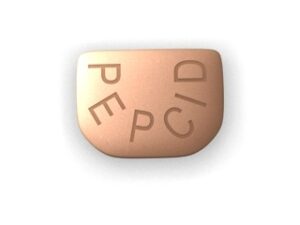
| Forms | Commonly supplied as tablets (strengths may vary by product availability) |
| Typical administration | Oral or vaginal/buccal routes are used in different clinical contexts (follow your specific instructions) |
In Australia, medicine availability can vary by brand, strength, and supply. If you are unable to find Cytotec specifically, your healthcare team may recommend another misoprostol-containing product where appropriate.
How Cytotec works (mechanism of action)
Misoprostol is a synthetic prostaglandin E1 analogue. Prostaglandins are naturally occurring substances that influence smooth muscle.
Primary mechanism: Misoprostol binds to prostaglandin receptors, leading to:
- Uterine muscle contractions (uterotonic effect)
- Cervical ripening and changes in cervical tissue
- In some indications: Reduced risk of certain stomach ulcers by protecting the stomach lining (anti-ulcer effect)
The exact effect you experience depends on the reason you’re taking misoprostol and the timing/dose route used.
Pharmacokinetics (how the body processes misoprostol)
Pharmacokinetics explains how the body absorbs, distributes, metabolises, and eliminates a medicine.
- Absorption: Misoprostol can be absorbed through different routes (oral, vaginal, buccal). The route can affect how quickly and how strongly it acts.
- Activation: Misoprostol is converted to its active metabolite (commonly referred to as misoprostol’s biologically active form, especially in clinical pharmacology references).
- Onset of action: Effects may begin within a few hours, and uterine effects can become more noticeable after dosing—timing varies by route and individual response.
- Distribution: The active forms distribute throughout body tissues, including uterine tissue.
- Metabolism: Primarily through metabolic pathways in the body.
- Elimination: Excretion occurs mainly via the kidneys (urine).
If you have liver or kidney impairment, you should discuss this with a clinician as it may affect how the medicine is processed.
Typical uses in clinical practice
Cytotec (misoprostol) is used for selected uterine and gastrointestinal-related indications. The appropriateness of misoprostol depends on your medical context.
Uterine-related indications
Misoprostol is used in healthcare settings for uterine-related processes, which may include:
- Helping prepare the cervix for procedures (cervical ripening)
- Assisting in management of certain pregnancy-related complications under medical guidance
Stomach/ulcer prevention (anti-ulcer effect)
Misoprostol has anti-ulcer activity. Historically, it has been used to reduce the risk of gastric ulcers in people taking certain medicines (for example, non-steroidal anti-inflammatory drugs). Whether this is relevant to you depends on your medication history and current symptoms.
Note: Always ensure the product and regimen you are using matches your intended indication.
Timing: when effects usually begin
Timing depends on the route and the indication. In general:
- Uterine cramping and bleeding/spotting: Often start within several hours after dosing, but may vary from person to person.
- Maximum effect: Typically occurs as the dosing schedule progresses.
- Monitoring period: Many treatment plans include a specific observation window to check for response and complications.
If your plan includes multiple doses, the schedule should be followed closely. Do not add extra doses without medical advice.
Food interactions
Food effect: For some medicines, food can change absorption and onset. With misoprostol, practical guidance often focuses more on the route and the dosing schedule than on food alone.
General tips:
- If taken orally: Follow your instructions for whether to take with or without food.
- If taken via vaginal/buccal routes: Do not rely on food timing to prevent side effects; follow instructions carefully.
- For nausea: Taking small sips of water and eating light foods may help some people, if permitted by your regimen.
If your instructions specify “take on an empty stomach” or “take with food,” it’s best to follow those directions.
Alcohol and medicine interactions
Alcohol: Alcohol can worsen side effects such as nausea, dizziness, and fatigue and may make it harder to recognise when symptoms are abnormal. It’s generally advised to avoid alcohol while you are taking misoprostol or while you are recovering from expected side effects.
Interactions with other medicines: Misoprostol may interact with other medicines in different ways depending on the indication and your specific medications. Discuss your current medicine list with a clinician or pharmacist, especially if you take:
- NSAIDs (e.g., ibuprofen, naproxen) — may be relevant in ulcer-related indications
- Blood thinning medicines (anticoagulants/antiplatelets) — may increase bleeding risk
- Other uterotonic agents — may increase cramping/uterine effects
- Medicines affecting hormone pathways — may change outcomes in some uterine-related regimens
Always check your full medication list. Even common supplements and herbal products can affect bleeding risk or medication metabolism.
Indications (what conditions it may be used for)
Cytotec’s indications vary depending on local product licensing, clinical guidelines, and the regimen used. Common categories include:
- Uterine-related care (e.g., cervical ripening and management pathways used by clinicians)
- Prevention of gastric ulcers in appropriate patients (particularly those at risk and taking ulcerogenic medications)
Why indication matters: The dose, route, and expected side effects differ by indication. Do not use misoprostol for a different purpose than intended.
Dosing (general guidance; follow your specific instructions)
Dosing regimens for misoprostol can differ widely based on the medical indication, route (oral vs vaginal/buccal), and the planned clinical monitoring. Because regimens are complex and time-sensitive, you must follow the dosing instructions you receive.
That said, here are general principles to help you understand typical planning:
- Multiple-dose schedules: Many uterine-related regimens use repeated doses separated by defined intervals.
- Route-specific dosing: Oral dosing often differs from vaginal/buccal dosing.
- Individual factors: Your medical history (including prior uterine procedures), gestational age (where pregnancy-related), and medical conditions may affect dosing decisions.
- Do not adjust without advice: Changing dose or timing can increase the risk of inadequate response or side effects.
If you’re unsure what you’ve been instructed to do, contact your healthcare provider or pharmacist before taking additional tablets.
Safety profile and side effects
Misoprostol can cause effects related to uterine activity and gastrointestinal function. Many side effects are expected, but some require urgent care.
Common side effects
- Cramping or uterine pain
- Vaginal bleeding or spotting
- Nausea
- Diarrhoea or stomach cramps
- Chills or shivering
- Headache or dizziness
- Fever (may occur transiently as part of the medication effect; persistent fever can be a warning sign)
Serious risks (seek urgent medical attention)
Contact emergency services or urgent medical care if you experience:
- Very heavy bleeding (for example, soaking multiple pads per hour for two or more hours)
- Severe or worsening abdominal pain that does not improve with recommended pain relief
- Fainting, extreme weakness, or signs of shock
- Fever lasting more than 24 hours, or fever with feeling very unwell, foul-smelling discharge, or severe pelvic pain (possible infection)
- Allergic symptoms such as swelling of face/lips, hives, or difficulty breathing
If you think something is wrong, trust your instincts. It’s safer to seek medical advice early.
Warnings and contraindications (general)
Misoprostol may not be suitable for everyone. Caution is needed with:
- Previous uterine surgery or uterine scarring (the risk profile may differ)
- Bleeding disorders or use of anticoagulants
- Severe inflammatory bowel disease or significant GI conditions (for ulcer-related/anti-ulcer use)
- Hypersensitivity to misoprostol or product components
Your healthcare team can determine suitability based on your history.
Practical use tips (make treatment safer and more comfortable)
The following tips support safer, more comfortable use. Always follow your specific dosing instructions.
Plan ahead
- Have support: Consider having someone available (friend, partner, or family) during the dosing window and for follow-up.
- Use appropriate supplies: Keep pads available (avoid tampons/menstrual cups unless your clinician advised it).
- Hydration: Drink water or fluids as tolerated, especially if you experience diarrhoea.
- Comfort: Warm packs may help with cramping.
Medication handling
- Do not crush or modify unless your instructions specifically allow it.
- Check expiry and packaging before use.
- Follow route instructions carefully (oral vs vaginal/buccal instructions must be followed exactly).
Pain control
Many people experience cramping. Pain control should be discussed with a clinician. If an anti-inflammatory pain relief is part of your plan, use it exactly as directed and consider stomach protection if relevant. Avoid taking extra medicines “just in case.”
When to contact a clinician
- Bleeding or pain feels much heavier or more severe than expected for your situation
- You are unsure whether the medicine worked as intended
- You develop fever that persists or you feel increasingly unwell
Alternative options
Depending on the reason misoprostol is being used, alternative options may include different medication regimens or procedure-based care. The best choice depends on your medical circumstances, timing, and access to follow-up.
- Procedural management (where appropriate) may be offered by clinics/hospitals
- Different medication regimens may be used in some clinical pathways
- Supportive care (pain relief, monitoring, and follow-up) may be required regardless of the primary treatment choice
Discuss options with a healthcare professional or a trusted clinic service in Australia to choose the safest plan for you.
Market and legal context for Australia
In Australia, medication availability and regulation can change. Cytotec (misoprostol) is subject to Australian regulatory oversight. The legal availability and intended use depends on how the medicine is supplied (for example, by brand, strength, and whether it is listed for a particular indication) and the prescribing/dispensing pathway used in practice.
For the most up-to-date information relevant to your situation, consider checking:
- Australian medicine safety and regulatory updates
- Local clinic information for uterine-related care and follow-up
- Guidance from healthcare organisations
If you are purchasing from an online pharmacy, ensure the seller operates legitimately and provides products that comply with Australian requirements.
Recent guidance and evolving best practice
Clinical guidance for misoprostol use can evolve as new research and safety data become available. In Australia, healthcare providers rely on nationally relevant recommendations and professional standards, which may include updates on:
- Appropriate patient selection and contraindication screening
- Recommended dosing regimens and route selection
- Safety monitoring, including warning signs and follow-up timing
- Supportive care strategies for pain and gastrointestinal side effects
Your clinician should use the most current guidance available at the time of your care.
Delivery and availability (online pharmacy considerations)
Availability of Cytotec can vary. If you’re ordering online in Australia, it’s helpful to choose a pharmacy that provides clear information about:
- Product details (strength, brand, and active ingredient verification)
- Shipping regions (domestic delivery within Australia)
- Packaging (discreet delivery where offered)
- Storage requirements (typically room temperature unless stated otherwise)
- Handling of returns or faulty stock (where applicable)
When your order arrives, check the packaging for intact seals and verify the expiry date.
FAQ
1) What is Cytotec used for?
Cytotec contains misoprostol. It may be used for specific uterine-related indications (such as cervical ripening or management pathways) and for anti-ulcer protection in selected circumstances. The correct use depends on your clinical situation.
2) How quickly does Cytotec start working?
Uterine-related effects and symptoms such as cramping and bleeding often begin within a few hours, but timing varies by route, dose schedule, and individual factors. Follow the regimen provided for your situation.
3) Is bleeding normal?
Bleeding or spotting is often expected in uterine-related regimens. However, bleeding that is very heavy or accompanied by severe pain, fever, or feeling faint may indicate a complication and requires urgent medical advice.
4) What should I do for cramps and pain?
Warmth (heat packs) and appropriate pain relief can help. Use only pain medicines recommended for you and follow label directions. Seek urgent help if pain is severe, worsening, or not controlled.
5) Can I eat or drink normally?
In many cases, you can eat and drink as tolerated, but follow your specific instructions (some regimens specify food timing). If you experience nausea or diarrhoea, choose light foods and stay hydrated.
6) Can I drink alcohol while using misoprostol?
It’s generally best to avoid alcohol because it can worsen side effects and make symptoms harder to judge. If you have questions, ask a pharmacist or clinician.
7) What if I miss a dose?
Do not guess. Contact your healthcare provider/pharmacist for instructions on how to proceed according to your dosing schedule and indication.
8) What are the danger signs I should watch for?
Seek urgent care if you have very heavy bleeding, severe or worsening pain, fainting, persistent fever (especially with feeling unwell), foul-smelling discharge, or symptoms of allergic reaction.
9) Are there alternatives to Cytotec?
Yes, depending on the indication. Alternatives may include other medication regimens or procedure-based options. A clinician can help choose the safest approach for your circumstances.
10) Where can I find support in Australia?
If you’re managing a health issue involving uterine symptoms, it’s helpful to contact a local GP, sexual health clinic, women’s health service, or hospital emergency department when urgent. If you feel unwell or unsure, seek medical advice promptly.
Remember: Misoprostol can be effective, but it can also cause significant side effects. Following the correct regimen, having appropriate support, and knowing when to seek help are key to staying safe.