

Rabeprazole (Rabeprazole Sodium) – Patient Information (Australia)
Rabeprazole (rabeprazole sodium) is a medicine used to reduce stomach acid. It belongs to a group of medicines called proton pump inhibitors (PPIs). Rabeprazole is commonly used to treat conditions such as reflux (heartburn/GERD), acid-related stomach problems, and ulcers. This guide is designed to be easy to understand and helpful for everyday use.
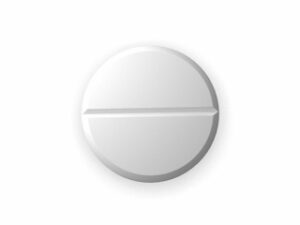
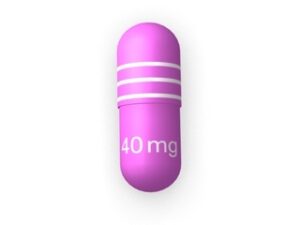
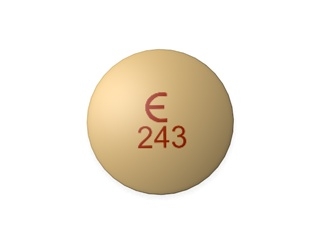
Note: Product appearance, pack sizes and strengths can vary by brand. Always check the label or information leaflet for your specific product.
Quick Facts
- Medicine name: Rabeprazole (rabeprazole sodium)
- Medicine type: Proton Pump Inhibitor (PPI)
- Main action: Reduces the amount of acid your stomach produces
- Common uses: GORD/heartburn, reflux symptoms, ulcers, and conditions needing acid control
- Best results: Usually taken shortly before food (often before breakfast)
Basic Product Information
Rabeprazole sodium is the active ingredient in rabeprazole medicines. PPIs work by turning down acid production in the stomach.
Rabeprazole is typically available in delayed-release tablet or capsule forms (depending on brand). “Delayed-release” means the medicine is designed to dissolve in the intestine rather than in the stomach, helping it work effectively on the acid-producing system.
| Feature | What to know |
|---|---|
| Drug class | Proton Pump Inhibitor (PPI) |
| Common form | Delayed-release tablets/capsules (brand-dependent) |
| Where it works | Acid-producing cells in the stomach |
| How it’s taken | Usually once daily for many reflux indications; sometimes twice daily depending on the condition |
| Onset | Some relief can occur within hours; full effect may take several days for steady control |
Mechanism of Action (How Rabeprazole Works)
Rabeprazole reduces stomach acid by blocking the proton pump in the stomach’s acid-producing cells. Specifically, it inhibits the H+/K+ ATPase enzyme system on the stomach lining.
By turning off this “acid pump,” rabeprazole lowers both:
- Basal acid secretion (acid produced even when you are not eating)
- Stimulated acid secretion (acid produced after meals)
Because PPIs work by binding to active acid pumps, they are most effective when taken before meals, allowing the medicine to be present when the acid pumps are activated.
Pharmacokinetics (How the Body Handles Rabeprazole)
While the exact details can vary, the general pharmacokinetic behaviour of rabeprazole is well described:
- Absorption: Rabeprazole is absorbed after the delayed-release form dissolves.
- Peak levels: Blood levels generally peak within a few hours after a dose.
- Metabolism: Rabeprazole is metabolised mainly in the liver.
- Elimination: Metabolites are eliminated primarily via urine (and some via faeces).
- Duration of effect: Even though rabeprazole may clear relatively quickly, the acid pump inhibition can last longer, which is why once-daily dosing is common.
In people with reduced liver function, rabeprazole levels may be affected; your clinician/pharmacist can advise if dose adjustments or monitoring are needed.
Typical Uses in Australia
Rabeprazole is used for a range of acid-related conditions. Common indications include:
- GORD (Gastro-oesophageal reflux disease): Heartburn, acid reflux, and reflux-related discomfort.
- Symptomatic reflux: Managing symptoms such as burning in the chest and regurgitation.
- Peptic ulcer disease: Including gastric (stomach) and duodenal (first part of the small intestine) ulcers.
- Conditions requiring ongoing acid suppression: e.g., some chronic acid-related disorders as directed.
- Helicobacter pylori (H. pylori) treatment plans: Rabeprazole may be part of combination therapy with antibiotics and other medicines depending on the regimen.
The exact intended use and dosing schedule depend on the diagnosis and your medical history.
How to Take Rabeprazole: Timing and Instructions
Best time to take it
For most reflux and ulcer-related uses, rabeprazole is taken once daily, typically about 30 minutes before a meal—commonly before breakfast.
Taking it before food helps ensure the medicine is in the bloodstream when your stomach begins preparing to produce acid for the meal.
If you miss a dose
- If you remember later the same day, take it when you can unless it’s close to your next dose.
- If it’s nearly time for the next dose, skip the missed one and continue your regular schedule.
- Do not double up to make up for a missed dose.
How to swallow
- Swallow the tablet/capsule whole with water.
- Do not crush or chew delayed-release forms unless your product instructions specifically allow it.
How long until it works?
- Some people notice improvement within hours.
- For many reflux conditions, it may take 2–4 days to feel consistent benefit.
- Maximum symptom control often takes several days, especially for inflammation-related symptoms.
Food Interactions and Eating Habits
Rabeprazole’s effect depends partly on timing relative to meals. While you can generally take it even if your meal timing changes, the best approach is:
- Take before food (often 30 minutes before breakfast).
- If you take it at the same time each day, try to align it with your meal routine.
Eating does not typically “cancel” the medicine, but taking it with or after meals can reduce how effectively it prevents meal-stimulated acid.
If you have trouble eating shortly after taking the dose, speak to a pharmacist for personalised guidance on timing.
Alcohol and Medicine Interactions
Alcohol
Alcohol can worsen reflux symptoms in some people by relaxing the lower oesophageal sphincter and irritating the oesophagus. While there is no single “universal” interaction with rabeprazole, it can make heartburn harder to control.
- If you notice symptoms worsen after drinking, limiting alcohol may improve comfort.
- Avoid excessive alcohol, especially if you have reflux at night.
Important medicine interactions
Rabeprazole may interact with other medicines mainly because PPIs can affect stomach acidity and drug absorption. Interactions can also occur via liver metabolism.
Common interaction areas include:
- Medicines that need stomach acid to absorb well: Reduced acid may affect absorption. Examples can include certain antifungal or antiviral medicines, depending on the drug.
- Drugs metabolised by the liver: Rabeprazole is metabolised in the liver, so some medicines may alter levels.
- Anticoagulants: Some people on blood-thinning medicines may need closer monitoring if changes occur in symptoms or health.
- Other acid reducers (e.g., H2 blockers): These may be used together in some step-down plans, but your pharmacist/doctor can advise.
- Sucralfate: This ulcer-protecting medicine can reduce absorption of some drugs; spacing may be recommended.
To reduce risk, keep an up-to-date list of all medicines, including over-the-counter products and supplements (e.g., iron, magnesium, herbal products), and ask a pharmacist for advice before starting or stopping rabeprazole.
Indications (What Rabeprazole Treats)
Rabeprazole is used to treat acid-related conditions. Indications may include:
- GORD: Reduction of heartburn and reflux symptoms.
- Erosive oesophagitis: Inflammation/erosions of the oesophagus due to reflux.
- Peptic ulcers: Treatment of gastric or duodenal ulcers.
- Zollinger–Ellison syndrome and other rare hypersecretory conditions: Long-term acid control as directed.
- H. pylori infection regimens: As part of combination therapy to eradicate H. pylori (where appropriate).
Your treatment plan (dose and duration) should match your diagnosis and severity.
Dosing (General Guidance for Adults)
Dose depends on the condition being treated, your age, and your individual response. Always follow the directions provided with your specific product. The following is general information for common clinical patterns:
Typical dosing patterns
- Reflux / GORD: Often once daily for a set course (commonly before breakfast).
- Ulcer treatment: Often once daily or occasionally higher frequency depending on the ulcer type and severity.
- H. pylori regimens: Rabeprazole is used with antibiotics and other medicines on a structured schedule.
- Hypersecretory conditions: Dosing may be adjusted based on response.
Duration of use
- Short courses are often used for acute symptoms or specific ulcer healing.
- Some people may require longer-term use under review. Regular reassessment is important for safety and effectiveness.
If your symptoms continue despite taking rabeprazole correctly, you should seek medical advice. Ongoing symptoms can have causes other than acid alone.
Safety Profile: What to Expect and When to Seek Help
Common side effects
Many people tolerate rabeprazole well. Potential side effects may include:
- Headache
- Nausea
- Abdominal pain or discomfort
- Diarrhoea or constipation
- Flatulence (gas)
- In some cases, dizziness
Side effects are often mild and may improve as your body adjusts.
Serious but less common risks
Like other PPIs, rabeprazole has been associated (in some patients, especially with long-term use) with certain risks. These may include:
- Low magnesium (hypomagnesaemia): Can occur after prolonged use; symptoms can include muscle cramps, weakness, or abnormal heart rhythms.
- Vitamin and mineral issues: Long-term acid suppression may affect absorption of some nutrients (e.g., vitamin B12) in susceptible individuals.
- Infections: Reduced stomach acid can increase susceptibility to certain gastrointestinal infections.
- Bone fractures: Observational data suggest a possible association with long-term use, particularly at higher doses.
- Kidney issues: Rare reports of inflammation of kidney structures have been described with PPIs.
These risks are not guaranteed and depend on dose, duration, overall health, and other medicines. If you require rabeprazole for an extended period, it’s sensible to review the need regularly with a healthcare professional.
When to seek urgent help
Stop and seek medical advice urgently if you develop:
- Severe allergic reaction symptoms (e.g., swelling of face/lips, difficulty breathing)
- Vomiting blood or black tarry stools
- Unexplained weight loss, trouble swallowing, or persistent vomiting
- Severe or worsening abdominal pain
- Persistent diarrhoea (especially with fever or blood)
Practical Use Tips (Getting the Best Results)
- Take it consistently: If you’re using rabeprazole daily, try not to vary the timing too much.
- Use the meal-timing trick: 30 minutes before breakfast is a common routine that improves effectiveness.
- Avoid late-night meals: If reflux is worse at night, finish eating a few hours before lying down.
- Consider lifestyle changes: lighter meals, avoiding triggers (spicy foods, fatty foods, caffeine, chocolate, peppermint, and alcohol may affect some people), and raising the head of your bed can help.
- Keep track of symptom response: If your symptoms don’t improve after the expected timeframe, ask a pharmacist or clinician for review.
- Don’t stop abruptly without guidance if used long-term: Some people experience rebound acid symptoms. A healthcare professional can advise a step-down plan if needed.
Alternative Options
If rabeprazole is not suitable or doesn’t control symptoms adequately, there are several alternatives depending on the underlying cause:
Other PPIs
- Omeprazole
- Esomeprazole
- Lansoprazole
- Pantoprazole
Different PPIs can work for different people. Switching within the PPI class is sometimes considered when symptom control is incomplete.
H2 receptor antagonists
- Famotidine (and other H2 blockers)
These reduce acid as well, but PPIs generally provide stronger and longer acid suppression for many reflux conditions.
Antacids and alginates
- Antacids for rapid, short-term relief
- Alginates that form a “raft” barrier to reduce reflux after meals
These can help breakthrough symptoms but may not treat inflammation the way a PPI does.
Market and Legal Context in Australia
In Australia, access to medicines can vary by product and strength, including whether they are supplied without additional prescription requirements (for some brands/strengths) or under pharmacist/doctor direction. Availability may also vary between states and territories and according to the way a product is scheduled.
Online pharmacy suppliers in Australia typically follow local regulations for storage, dispensing, and patient information. Your order should include clear product labelling and consumer medicine information where applicable.
If you are unsure about eligibility for a specific product, consult the pharmacy’s guidance or speak with a pharmacist.
Recent Guidance and General Considerations
Recent clinical guidance for PPI use in general focuses on:
- Using the lowest effective dose for the shortest duration necessary
- Regular review for people using PPIs long term
- Assessing persistent symptoms rather than repeatedly escalating treatment without evaluation
- Checking for possible drug interactions when multiple medicines are involved
- Monitoring risk factors where long-term use is likely (e.g., low magnesium risk, nutrient issues)
It’s also important to consider other causes of symptoms—such as medication-related irritation, infection, or less common conditions—especially if symptoms are severe or not responding as expected.
Delivery, Availability, and What You’ll Receive
Rabeprazole products may be available through Australian online pharmacies in different strengths and pack sizes. Availability can depend on supply, brand choice, and scheduling requirements.
- Delivery: Orders are typically dispatched to Australian addresses with tracking where available.
- Packaging: Medicines are supplied in manufacturer packaging with patient information leaflets (where required).
- Storage: Store at room temperature, away from direct sunlight and moisture.
- Keep out of reach of children: Ensure safe storage at home.
If you have questions about stock, delivery timeframes, or the exact rabeprazole strength and format you’re purchasing, check the product page details or contact the pharmacy.
Frequently Asked Questions (FAQ)
1) Is rabeprazole the same as rabeprazole sodium?
Yes. Rabeprazole sodium is the active ingredient form commonly used in medicines. The product you purchase will list the specific strength and the active ingredient on the label.
2) How quickly will my heartburn improve?
Some people feel improvement within hours. For many reflux conditions, consistent benefit often takes a few days, especially if the oesophagus is inflamed. If you don’t improve within the expected timeframe, ask a pharmacist or clinician to review your plan.
3) Should I take rabeprazole before or after food?
In most cases, take it before food—commonly about 30 minutes before breakfast. This usually improves effectiveness for meal-triggered acid production.
4) Can I take rabeprazole with other medicines?
Many medicines can be taken alongside rabeprazole, but some may interact. It’s best to check all medicines and supplements with a pharmacist, particularly if you take: anticoagulants, antifungals/antivirals, certain supplements, or multiple stomach medicines.
5) What should I do if I’ve been taking rabeprazole for a long time?
It’s a good idea to have periodic reviews to confirm the lowest effective dose and the ongoing need for treatment. Do not stop abruptly without advice, because some people experience rebound acid symptoms.
6) Are there foods I should avoid?
Food triggers vary by person. Common reflux triggers include spicy foods, fatty meals, caffeine, chocolate, peppermint, and alcohol. Keeping a symptom diary can help identify your personal triggers.
7) Is it safe to drink alcohol while using rabeprazole?
There is no single mandatory rule, but alcohol can worsen reflux symptoms and irritation in some people. If you notice it makes your heartburn worse, reducing or avoiding alcohol may improve control.
8) Can I take rabeprazole during pregnancy or breastfeeding?
Safety depends on your individual situation. Consult a pharmacist or clinician for guidance tailored to your circumstances and the stage of pregnancy/breastfeeding.
9) Who should be extra cautious?
Extra caution may be needed if you:
- Have kidney or liver problems
- Have low magnesium in the past
- Take multiple medicines with potential interactions
- Have had severe symptoms such as bleeding or trouble swallowing
A pharmacist can help assess suitability based on your health and medicine list.
10) What if my symptoms don’t improve?
Persistent or worsening symptoms should be reviewed. Sometimes reflux-like symptoms can be caused by other conditions, including medication irritation, infections, or less common disorders. Don’t keep increasing acid suppression without professional advice.
Summary
Rabeprazole (rabeprazole sodium) is a PPI medicine that reduces stomach acid by blocking the stomach’s acid pump. For many people in Australia, it helps control symptoms of GORD and other acid-related problems, particularly when taken correctly before meals. Understanding timing, possible interactions, and safety considerations—especially with longer-term use—can help you get the most benefit with the lowest risk.
If you’d like, share your typical dosing schedule and any other medicines you take (including supplements). A pharmacist can help check for interaction risks and confirm the best timing for your situation.