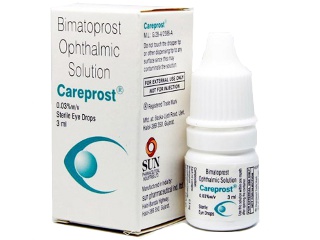
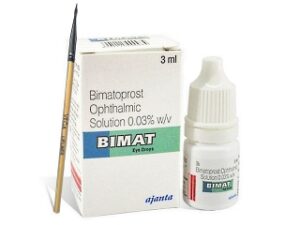
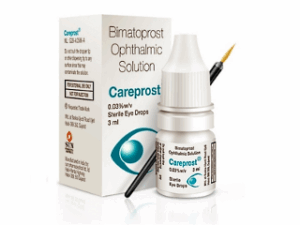
Careprost (Bimatoprost) Eye Drops – Patient Information (Australia)
Careprost contains bimatoprost, a medicine used to reduce eye pressure and/or lower the appearance of certain eyelash concerns in approved situations. If you’ve been prescribed (or advised) Careprost, this guide explains how it works, how it’s used, what to expect, and key safety information to help you use your drops confidently.
Important: Eye medicines should be used exactly as directed by your eye care professional. This page provides general information and is not a substitute for personalised medical advice.
Quick Facts
- Active ingredient: Bimatoprost
- Medicine type: Prostamide (prostaglandin-related) analogue
- Common form: Ophthalmic solution (eye drops)
- How it is used: Usually once daily in the evening (for many indications)
- Main benefits: Helps lower intraocular pressure and may enhance lash length/thickness/noticeable fullness where indicated
- Possible side effects: Redness, itching, dryness, darkening of the eyelids/iris, lash growth
Basic Product Information
| Category | Details |
|---|---|
| Brand | Careprost |
| Active ingredient | Bimatoprost |
| Route | Topical to the eye (ophthalmic use) |
| Typical frequency | Often once daily in the evening |
| Therapeutic areas | Glaucoma/ocular hypertension; eyelash hypotrichosis (where approved) |
How Careprost Works (Mechanism of Action)
Bimatoprost is a prostaglandin-related medicine. In the eye, it helps increase the outflow of fluid (aqueous humour) from inside the eye. This can lead to a reduction in intraocular pressure (IOP).
Lowering eye pressure is important because higher IOP can contribute to damage of the optic nerve in glaucoma and other pressure-related eye conditions.
For eyelash concerns, bimatoprost may stimulate changes in the growth cycle of eyelashes, which can result in longer, thicker, and darker lashes over time.
Pharmacokinetics (What the Body Does With Bimatoprost)
When used as eye drops, bimatoprost acts locally in the eye. After application:
- Absorption: Some of the medicine may be absorbed through the tissues around the eye.
- Distribution: It can reach the eye tissues where it exerts its effect.
- Metabolism: Bimatoprost is processed by the body’s normal metabolic pathways.
- Elimination: The inactive forms are mainly cleared via urine and other elimination routes.
Note: In routine use, only small amounts enter the bloodstream. Systemic exposure is generally low when the medication is used correctly.
Typical Use and Indications
1) Lowering Intraocular Pressure
Careprost may be used to reduce increased eye pressure associated with:
- Glaucoma (often including open-angle glaucoma)
- Ocular hypertension (high eye pressure without diagnosed glaucoma, but with risk factors)
2) Eyelash Hypotrichosis (Where Applicable)
Some bimatoprost products are used for eyelash growth in patients with inadequate lashes. This is typically considered when lashes are shorter/thinner than desired.
Always confirm eligibility: Use for eyelash appearance should match the indication approved and recommended for the specific product and your individual situation.
When to Use It (Timing and Routine)
Most people are advised to use Careprost once daily in the evening. The evening timing can help maintain consistent eye levels throughout the day.
- Choose a consistent time: For example, 8–10 pm daily.
- If you miss a dose: Use it when you remember on the same day if the time is close. If it’s almost time for the next dose, skip the missed dose and continue with your regular schedule.
- Do not double dose: Using extra drops can increase the risk of side effects without improving results.
Allow time to see results: For eye pressure control, effects may appear within days, but long-term control is typically assessed by your eye care professional. For eyelash enhancement, visible changes often take weeks to months.
How to Use Careprost Eye Drops (Practical Tips)
Good technique improves effectiveness and reduces contamination. Follow your prescriber’s instructions and these general tips:
- Wash your hands before touching the bottle or your eyes.
- Shake gently if the product instructions indicate shaking (many ophthalmic solutions do not require shaking; follow the label).
- Open the bottle carefully to avoid touching the dropper tip.
- Prepare the eye: Tilt your head back, look upward, and gently pull down the lower eyelid to form a small pocket.
- Instil the drop: Hold the bottle above the eye and apply 1 drop into the pocket. Avoid letting the dropper touch the eye.
- Close gently: Close your eye and keep it closed for about 1–2 minutes.
- Punctal occlusion (helpful): If comfortable, press lightly on the inner corner of your eye (near the nose) for 1 minute. This can reduce drainage into the tear duct and may lower systemic absorption.
- Wait before other drops: If you use more than one eye medicine, leave at least 5–10 minutes between different drops (or follow your clinician’s instructions).
- Replace the cap tightly. Wash hands again.
Contact lenses
If you wear contact lenses, ask your pharmacist or eye doctor about whether they should be removed before using Careprost. As a general practice:
- Many eye drops contain preservatives that can be absorbed by soft lenses.
- You may be advised to remove lenses before instillation and wait before reinserting.
Food Interactions
No direct food interactions are expected with Careprost because it is used as an eye drop and acts primarily locally. However, if you take other medicines for glaucoma or associated conditions, always check for interactions with those medications.
General health tip: Maintain consistent eating habits and stay hydrated as recommended, especially if you have other conditions or take systemic therapies.
Alcohol and Medicine Interactions
Alcohol
There are usually no specific alcohol restrictions with bimatoprost eye drops. Because systemic absorption is low, alcohol is not typically expected to significantly change its effect. Still, alcohol may worsen general side effects like dizziness in some people when combined with other medicines.
Other medicines (possible interactions)
Careprost’s local use means major interactions are uncommon, but it’s important to consider combinations such as:
- Other glaucoma drops: Many patients use multiple agents. Using them correctly and spaced apart is key.
- Eyedrops with different active ingredients: If you use lubricating drops, apply them separately (often later in the day if you are told so).
- Steroid or anti-inflammatory eye medicines: Inform your eye doctor if you use these, as your overall eye response may be affected.
Tell your pharmacist/doctor about all medicines and eye products you use, including supplements and herbal products.
Dosing (How Much to Take)
Dosing can differ depending on the condition being treated and the product strength. Typical dosing guidance includes:
- Intraocular pressure reduction / glaucoma: Often one drop once daily in the affected eye(s), usually in the evening.
- Eyelash enhancement (where indicated): Often one drop once daily to the treatment line according to product instructions and clinician guidance.
Do not change your dose without professional advice. If you experience irritation, redness, or other persistent symptoms, contact your eye care professional—do not stop suddenly unless instructed.
Safety Profile: Side Effects and Warnings
Like all medicines, Careprost can cause side effects. Many are mild and may improve as your eyes adjust.
Common side effects
- Redness of the eye
- Itching or irritation
- Dry eyes or a gritty feeling
- Watery eyes
- Changes to eyelids (e.g., darkening or increased hair growth)
- Eyelash changes: longer, thicker, darker lashes
Less common but important side effects
- Darkening of the iris (may be gradual; more noticeable in light-coloured eyes)
- Eye pain or worsening irritation
- Blurred vision shortly after instillation
- Swelling around the eyes
- Headache or general discomfort (not usually severe)
When to seek urgent advice
Contact your eye care professional promptly or seek urgent care if you experience:
- Severe eye pain
- Significant vision changes
- Marked swelling of the eye or eyelids
- Severe redness that doesn’t improve
- Signs of allergy (hives, facial swelling, trouble breathing)
Special precautions
- Previous eye surgery or inflammation: Discuss your history with your clinician.
- Contact lenses: Follow advice on whether to remove lenses.
- Eyelid skin sensitivity: Be careful with the drop and avoid spreading to surrounding skin.
Careprost Use Tips for Better Comfort and Results
- Start with a consistent routine: Same time each evening improves adherence.
- Minimise contamination: Don’t touch the dropper tip to the eye/eyelid.
- Use punctal occlusion: Light pressure at the inner corner for about a minute can reduce drainage and irritation.
- Manage dryness: Lubricating drops may be recommended; use them with adequate spacing.
- Watch for pigment changes: You may notice eyelid/iris changes—usually not harmful, but it should be discussed with your eye doctor.
- Tell your eye doctor if you wear makeup: Some irritation may increase with rubbing; avoid getting product in the eyes.
Alternative Options
There are several other treatments for glaucoma/ocular hypertension or eyelash enhancement, depending on the indication. Your eye care professional can help select based on effectiveness, side effects, and your medical history.
For eye pressure (glaucoma/ocular hypertension)
- Prostaglandin analogues (similar mechanism class)
- Beta-blockers (reduce fluid production)
- Alpha agonists (reduce fluid production and improve drainage)
- Carbonic anhydrase inhibitors (reduce fluid production)
- Rho-kinase inhibitors (increase outflow)
For eyelash enhancement
- Other bimatoprost-related products may be available depending on brand availability and approvals.
- Non-medicine options include lash serums with different actives, eyelash extensions, or cosmetic approaches.
Important: If you switch products, confirm dosing frequency and whether the treated area differs. Do not substitute without checking the active ingredient and concentration.
Market and Legal Context for Australia
In Australia, eye medicines are regulated under the Therapeutic Goods Administration (TGA) framework. Availability depends on whether the product is listed or registered, the approved indications, and local supply arrangements.
For online pharmacies, products should be supplied in line with Australian regulatory requirements, including appropriate labelling and consumer information. If you’re ordering Careprost online, ensure you choose a reputable supplier and check:
- The product is clearly labelled with the active ingredient (bimatoprost) and strength
- Packaging includes clear instructions and expiry information
- Shipping and handling comply with cold/temperature requirements (if any)
Recent guidance: Australian eye-care practice continues to emphasise safe use, correct drop technique, regular monitoring of eye pressure, and prompt review if side effects occur. Eye-care professionals also commonly remind patients that glaucoma management typically involves ongoing monitoring rather than “one-off” use.
Delivery and Availability (Online Pharmacy)
Availability can vary depending on brand supply and pharmacy stock. When ordering online in Australia, typical delivery expectations are:
- Dispatch times: Often within 24–48 hours on business days (varies by pharmacy)
- Delivery service: Standard parcel delivery or express options may be available
- Packaging: Medicines are usually shipped in protective packaging to reduce breakage
Storage: Follow the storage instructions on the carton. Many eye drops are stored at room temperature, but always confirm on your specific product label.
Frequently Asked Questions (FAQ)
1) How long does Careprost take to work?
For eye pressure reduction, some effect may be seen within days, but your clinician will assess long-term control using scheduled eye checks. For eyelash enhancement (where indicated), visible changes often take several weeks and continue improving over time.
2) Can I use Careprost twice daily instead of once?
Do not change your dosing frequency unless your eye care professional instructs you. More frequent dosing may increase side effects without better control.
3) What should I do if I miss a dose?
If you remember later the same day, use it as soon as practical. If it’s close to your next dose, skip the missed dose and resume your usual schedule.
4) Will Careprost cause my eyes to look red?
Eye redness is a common side effect and may occur especially in the early weeks. If redness becomes severe, persistent, or painful, contact your eye doctor.
5) Is darkening of the iris or eyelid permanent?
Some pigment changes can be long-lasting. They are generally not harmful, but they should be discussed with your eye care professional—especially if you notice new or rapid changes.
6) Can I wear contact lenses while using Careprost?
Contact lens use should follow product guidance. Many clinicians recommend removing lenses before applying drops and waiting before reinserting, particularly if the drops contain preservatives.
7) Can I use other eye drops at the same time?
Yes, many patients use multiple therapies. Apply them with adequate spacing (often 5–10 minutes) and use Careprost as directed.
8) What happens if I stop using Careprost?
Stopping may lead to rising eye pressure and worsening of the underlying condition over time. Discuss any plans to stop with your eye care professional.
9) Are there any food restrictions?
No specific food interactions are expected with bimatoprost eye drops.
10) Are there alcohol interactions?
No specific alcohol restriction is typically required for Careprost. However, alcohol can affect comfort or safety if you become dizzy or unwell from other conditions or medications.
11) How should I store the bottle?
Store according to the packaging instructions. Keep the bottle closed, protect from contamination, and check the expiry date.
Summary
Careprost (bimatoprost) is an eye drop that helps improve fluid drainage and reduce intraocular pressure, supporting long-term management of glaucoma or ocular hypertension. In eligible patients, it may also improve the look of eyelash hypotrichosis. With consistent once-daily evening use, careful drop technique, and regular eye monitoring, many people achieve effective results.
If you have questions about your specific regimen, side effects, or whether Careprost is suitable for your situation, speak with your pharmacist or eye care professional.