Ezetimibe (Australia) – Patient-Friendly Guide
Ezetimibe is a cholesterol-lowering medicine commonly used in Australia to help reduce levels of LDL cholesterol (“bad cholesterol”) in the blood. It can be used on its own in some people, or more often in combination with other cholesterol medicines such as statins, depending on individual risk factors and treatment goals.
This guide explains what ezetimibe is, how it works, how it behaves in the body, how and when it is taken, and what to consider for safety and interactions. Always follow the directions provided by your healthcare professional and the product label.
Basic product information
| Topic | Information |
|---|---|
| Generic name | Ezetimibe |
| Common brand examples* | May vary by supplier (commonly available as ezetimibe tablets) |
| Medicine type | Cholesterol absorption inhibitor |
| Main purpose | Reduces LDL cholesterol by limiting cholesterol uptake in the intestine |
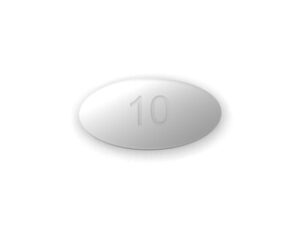
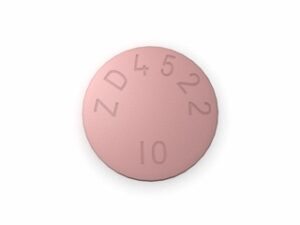
| Common strengths | Often 10 mg tablets (availability can vary) |
| How it is taken | Usually once daily by mouth |
*Brand availability can differ between pharmacies. Your pharmacist can confirm the product you will receive.
What is ezetimibe used for?
Ezetimibe is used to treat high cholesterol and reduce the risk related to atherosclerotic cardiovascular disease (ASCVD) by improving blood lipid levels.
Typical goals include:
- Lowering LDL cholesterol
- Improving overall lipid profile
- Reducing lipid-related cardiovascular risk in appropriate patients
Your clinician may consider ezetimibe if:
- You require additional LDL lowering beyond lifestyle changes.
- You cannot tolerate a statin or need an alternative/add-on approach.
- You have a higher cardiovascular risk profile and require treatment optimisation.
Mechanism of action (how it works)
Ezetimibe works in the small intestine. It inhibits the NPC1L1 transporter, a key protein responsible for the absorption of cholesterol (and related plant sterols) from food and bile into the body.
By blocking this cholesterol uptake pathway, ezetimibe reduces the cholesterol delivered to the liver. In response, the liver increases clearance of cholesterol from the bloodstream, helping lower LDL cholesterol levels.
Key points:
- Acts mainly in the gut (intestinal absorption).
- Does not primarily work by reducing cholesterol production (that is mainly what statins do).
- Can be combined with statins for an additive effect.
Pharmacokinetics (how the medicine is absorbed and processed)
Understanding pharmacokinetics can help explain timing and why certain interactions matter.
- Absorption: Ezetimibe is absorbed from the intestine after oral administration.
- Metabolism: It is extensively metabolised in the intestinal wall and liver to its active metabolite, ezetimibe-glucuronide.
- Distribution: The active metabolite circulates and contributes to the medicine’s cholesterol-lowering effect.
- Elimination: Primarily excreted via the bile into the gastrointestinal tract, and some is eliminated through urine.
- Half-life: The effective half-life supports once-daily dosing for many patients.
Individual responses vary. Your clinician may adjust the treatment plan based on lipid results, tolerability, and other health conditions.
Indications (when ezetimibe is appropriate)
Indications can vary depending on local prescribing practices and individual clinical circumstances. In general, ezetimibe is used for:
- Primary hypercholesterolaemia (including familial hypercholesterolaemia) to lower LDL cholesterol.
- Mixed hyperlipidaemia as part of lipid-lowering therapy.
- Adjunct therapy when diet alone is insufficient and further LDL reduction is required.
- Combination therapy with statins to achieve treatment targets when a statin alone does not adequately lower LDL.
Your doctor will consider your overall cardiovascular risk, previous lipid history, and suitability of other medicines before choosing ezetimibe.
Dosing and how to take ezetimibe
Typical adult dosing is often:
- 10 mg once daily by mouth (commonly used standard dose).
How to take:
- Take the tablet at the same time each day to help you remember.
- Swallow with water.
- Use it consistently—lipid changes typically develop over days to weeks, and the medicine works best when taken regularly.
If you miss a dose:
- Take it when you remember on the same day.
- If it is almost time for the next dose, skip the missed dose.
- Do not take two doses to make up for a missed dose.
Monitoring: Your clinician may order blood tests (lipid profile) after starting therapy and periodically thereafter to confirm you are reaching your target levels.
Timing: does it matter what time of day you take it?
Ezetimibe is usually taken once daily, and many people can take it at any time of day. Consistency is more important than the exact hour.
- If you take other lipid medicines (such as a statin), align ezetimibe timing with your existing routine if it helps adherence.
- If you take medications that can interact with cholesterol absorption processes (for example, bile acid sequestrants), timing may matter—see the “Food and medicine interactions” section for details.
Food interactions (including taking with meals)
Ezetimibe may be taken with or without food. Food does not typically require special scheduling for most patients.
However, your overall diet (particularly the types and amounts of fats and cholesterol) still affects blood lipids. For best outcomes, continue to follow dietary advice provided by your healthcare team.
General dietary tips:
- Choose healthier fats (e.g., unsaturated fats) when possible.
- Increase fibre intake as advised (e.g., vegetables, legumes, whole grains).
- Reduce intake of saturated and trans fats.
Alcohol and medicine interactions
Ezetimibe itself is not strongly associated with alcohol interactions in the way some medicines are. Still, alcohol can affect cardiovascular risk and liver health, and it can influence lipid levels in some people.
Practical considerations:
- If you drink alcohol, keep within the low-risk drinking guidelines recommended for adults in Australia.
- Limit heavy or binge drinking, especially if you also take other cholesterol medicines such as statins.
- If you have liver disease or previously abnormal liver function tests, discuss alcohol use with your clinician.
If you are taking a statin alongside ezetimibe, your healthcare professional may monitor liver function more closely depending on your overall risk and history.
Medicine interactions (important for safety)
Interactions can affect how well ezetimibe works or increase the risk of side effects. Tell your pharmacist about all medicines you use, including over-the-counter products, vitamins, herbal supplements, and “natural” cholesterol products.
1) Bile acid sequestrants (cholesterol-binding resins)
Medicines that bind bile acids in the gut can reduce the absorption of ezetimibe if taken together.
- Typical approach: separate ezetimibe and bile acid sequestrants by several hours (your pharmacist can advise the best spacing based on your exact products).
- Follow the scheduling instructions on the prescription/label and your pharmacist’s advice.
2) Cyclosporine
Ezetimibe can interact with cyclosporine, potentially increasing exposure to one or both medicines. This may require monitoring and dose adjustments.
- Action: inform your doctor and pharmacist if you take cyclosporine.
3) Other lipid medicines
Ezetimibe is often intentionally combined with statins or other lipid-lowering therapies to achieve better LDL lowering. Your clinician will weigh benefits and risks for your specific situation.
- Combination therapy may increase the chance of muscle-related side effects associated with statins (where a statin is used).
- Report any new muscle pain, weakness, or dark urine promptly.
4) Herbal and supplement products
There is limited information on interactions between ezetimibe and many herbal supplements. Some products marketed for cholesterol control may influence liver function or alter absorption of other medicines.
- Action: check with your pharmacist before starting new supplements.
Safety profile: common side effects and what to watch for
Most people tolerate ezetimibe well. Side effects are often mild and may improve with time.
Commonly reported side effects
- Headache
- Gastrointestinal symptoms (such as abdominal discomfort, diarrhoea, or nausea)
- Fatigue
Less common but important effects
- Elevated liver enzymes: particularly when used with a statin, liver function may be monitored.
- Muscle symptoms: more relevant when combined with statins—report muscle pain or weakness promptly.
- Allergic reactions: seek urgent medical care for swelling of the face/lips, difficulty breathing, or widespread rash.
When to get urgent help
Stop and seek urgent medical advice if you develop:
- Signs of a serious allergy (trouble breathing, facial swelling, severe rash)
- Severe or persistent muscle pain/weakness, especially with fever or dark urine
- Yellowing of the skin/eyes (jaundice), severe right-upper abdominal pain, or marked nausea/vomiting
Practical use tips for better results
Cholesterol medicines work best alongside lifestyle measures. Here are practical steps that often make treatment more successful:
- Keep a daily routine: choose a consistent time and link it to a habit (breakfast or brushing your teeth).
- Take it every day: LDL reduction depends on ongoing use.
- Track your labs: ask when you’ll next have a lipid panel and other relevant tests.
- Continue lifestyle changes: dietary adjustments, physical activity, smoking cessation, and weight management support long-term benefit.
- Know your other medicines: keep an up-to-date list for pharmacists and doctors.
- Report symptoms early: especially muscle pain/weakness or signs of liver problems.
How long does it take to work?
Many people see measurable changes in cholesterol levels after starting treatment, with lipid improvements generally assessed over several weeks. Your clinician may schedule a blood test after an appropriate period to evaluate effectiveness and adjust therapy if needed.
Alternative options
If ezetimibe is not suitable or additional LDL lowering is required, clinicians may consider other treatment approaches. Alternatives can include:
Other cholesterol-lowering medicines
- Statins (e.g., atorvastatin, rosuvastatin, simvastatin) – reduce cholesterol production in the liver.
- PCSK9 inhibitors – injectable medicines that lower LDL significantly for appropriate patients.
- Bempedoic acid (where available/appropriate) – a different pathway for LDL lowering.
- Fibrates – mainly used to help triglycerides and sometimes HDL.
- Omega-3 fatty acids – may help some patients with elevated triglycerides (depending on product and formulation).
Non-medicine and combined approaches
- Dietary changes (e.g., Mediterranean-style eating)
- Regular physical activity
- Weight management when appropriate
- Managing conditions that influence lipids (e.g., diabetes control)
The best option depends on your lipid pattern, cardiovascular risk, other medical conditions, and your tolerance of medicines.
Market and legal context for Australia (general information)
In Australia, the supply of medicines is regulated to protect patient safety and support appropriate use. How a medicine is provided (for example, through community pharmacies and prescription pathways or other regulatory categories) depends on the product’s scheduling and approved indications.
Ezetimibe is an established cholesterol medicine with widely used clinical roles. Your pharmacist can provide information about availability, brand options, and how the product you choose is packaged and labelled.
For the most accurate information about product availability and any current restrictions, check with a pharmacy or refer to official Australian medicine resources.
Recent guidance and clinical practice considerations
Clinical guidance for lipid management continues to evolve based on new evidence and updates to national and international recommendations. In practice, ezetimibe is commonly considered:
- When additional LDL lowering is needed beyond statin therapy.
- When statin intolerance is present (under clinical supervision).
- As part of broader cardiovascular risk reduction, including lifestyle modification.
Your clinician will individualise therapy using your lipid results, medical history, and overall cardiovascular risk profile.
Note: Guidance may include monitoring strategies such as checking liver enzymes (particularly when combined with statins) and repeating lipid tests to confirm treatment targets.
Delivery and availability (Australia)
Ezetimibe may be available from community pharmacies and online pharmacies that operate in accordance with Australian regulations. Availability can vary by brand and tablet strength.
- Stock confirmation: online pharmacy listings may show current availability.
- Delivery areas: most pharmacies deliver across metropolitan and regional Australia; delivery times depend on location and courier services.
- Packaging: medicines are typically supplied in manufacturer-approved packaging with patient information.
- Tracking: many deliveries include tracking updates.
If a product is temporarily out of stock, your pharmacy may offer an alternative brand or advise when restocking is expected.
Frequently Asked Questions (FAQ)
1) Can I take ezetimibe with food?
Yes. Ezetimibe is generally taken with or without food. Choose a routine time that helps you remember.
2) Is ezetimibe a statin?
No. Ezetimibe works by reducing cholesterol absorption in the intestine. Statins work mainly by reducing cholesterol production in the liver. Ezetimibe and statins are sometimes used together.
3) What cholesterol does ezetimibe lower most?
Ezetimibe primarily lowers LDL cholesterol. It may also provide smaller changes to other lipid fractions such as non-HDL cholesterol depending on your baseline levels and overall treatment plan.
4) How soon will my cholesterol improve?
Cholesterol changes can begin within days to weeks, but a formal evaluation is often done after several weeks with repeat blood tests.
5) Should I avoid any specific foods?
There are no specific foods that you must completely avoid solely due to ezetimibe. However, diet is still important for achieving lipid goals. Your healthcare professional may recommend heart-healthy dietary patterns and limits on saturated fat.
6) Can I drink alcohol while taking ezetimibe?
Moderate alcohol is not usually a direct ezetimibe interaction issue. Still, alcohol can affect cardiovascular and liver health. If you also take a statin or have liver concerns, discuss alcohol with your clinician.
7) What if I miss a dose?
Take it when you remember on the same day. If it’s nearly time for your next dose, skip the missed dose. Do not double up.
8) Does ezetimibe cause muscle problems?
Muscle-related side effects are more commonly associated with statins. Ezetimibe alone can still occasionally be linked to muscle symptoms, particularly when combined with a statin. Seek medical advice if you experience new muscle pain, weakness, or dark urine.
9) Are there liver-related side effects?
Liver enzyme elevations have been reported, especially in combination with statins. If you develop symptoms such as yellowing of the skin/eyes, severe abdominal pain, or unusual fatigue, contact a healthcare professional promptly.
10) What can I do to maximise benefits?
Take the tablet daily, keep lifestyle changes consistent (diet, activity, weight, smoking cessation if relevant), and follow up with recommended lipid testing.
Summary
Ezetimibe is a cholesterol-lowering medicine that reduces intestinal absorption of cholesterol by blocking the NPC1L1 transporter. It is typically taken once daily and can be used as monotherapy or alongside other lipid medicines to help achieve LDL cholesterol targets. Most people tolerate ezetimibe well, but it’s important to be aware of potential interactions—particularly with bile acid sequestrants and certain medicines—and to report any concerning symptoms such as muscle problems or signs of liver issues.
For personalised advice about whether ezetimibe is suitable for you, medication timing, and how to manage interactions with your current medicines, speak with a pharmacist or your healthcare professional.