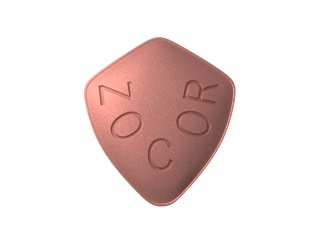

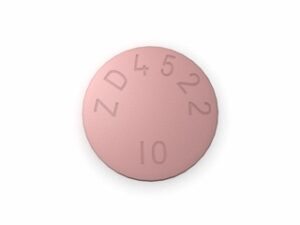
Zocor (Simvastatin) – Patient Information (Australia)
Zocor contains simvastatin, a cholesterol-lowering medicine used to reduce the risk of heart disease and related complications. This guide is written to help you understand how simvastatin works, how to take it, what to watch for, and how it fits into a broader heart-healthy lifestyle.
| Product name | Zocor |
|---|---|
| Active ingredient | Simvastatin |
| Medicine type | Statin (HMG-CoA reductase inhibitor) |
| Common purpose | Lower LDL (“bad”) cholesterol; help reduce cardiovascular risk |
| How it’s taken | Typically once daily (often in the evening) |
| Food effect | Usually can be taken with or without food; consistency is important |
Key points to remember
- Simvastatin helps reduce cholesterol made by the liver.
- It may lower the risk of heart attack and stroke in suitable people.
- Many people take it once daily, often at night, because of cholesterol production timing.
- Some medicines and grapefruit can significantly increase the risk of muscle side effects.
- Report unusual muscle pain, weakness, fever, or dark urine promptly.
- Check liver tests when advised by your clinician; avoid heavy alcohol intake.
How Zocor works (mechanism of action)
Simvastatin belongs to a group of medicines called statins, which reduce cholesterol synthesis in the liver. It works by inhibiting HMG-CoA reductase, the key enzyme involved in cholesterol production.
By decreasing liver cholesterol production, simvastatin:
- Increases LDL receptor activity, helping remove LDL (“bad”) cholesterol from the blood.
- May modestly reduce triglycerides and increase HDL (“good”) cholesterol.
- Contributes to stabilising plaque in blood vessels, which can lower cardiovascular risk.
Pharmacokinetics (how the body handles it)
Understanding pharmacokinetics can help explain why timing and interactions matter.
- Absorption: Simvastatin is absorbed from the gut; its effectiveness depends on liver conversion to its active form.
- Prodrug nature: Simvastatin is converted in the body (particularly in the liver) to an active metabolite.
- Metabolism: It is metabolised largely by the liver enzyme system CYP3A4. Medicines that inhibit CYP3A4 can raise simvastatin levels.
- Half-life: The “active” effects relate to the metabolites, not only the parent drug. That’s one reason why recommended dosing strategies (often evening dosing) are used.
- Excretion: Metabolites are eliminated mainly via the bile and faeces.
What it’s used for (typical use and indications)
Common goals
Zocor is used to manage blood fats (lipids) and to reduce cardiovascular risk. It is usually part of a long-term plan that includes diet, exercise, weight management, and stopping smoking where relevant.
Indications (who it may be used for)
Indications can vary based on local product information and clinical assessment. Typical uses include:
- Primary hypercholesterolaemia (including heterozygous familial hypercholesterolaemia), to lower LDL cholesterol.
- Mixed dyslipidaemia, especially when elevated LDL and/or triglycerides are present.
- Homozygous familial hypercholesterolaemia (often in specialist care settings).
- Prevention of cardiovascular events (for example, in people at increased risk such as those with known coronary artery disease).
How to take Zocor (timing and dosing principles)
Always follow the dosing instructions provided by your healthcare professional. The information below describes typical dosing approaches used for simvastatin.
Typical timing
- Often once daily in the evening, because cholesterol production in the body follows a daily pattern.
- If your routine makes evening dosing difficult, many people can still take it at another consistent time—however, talk with your clinician or pharmacist for advice tailored to you.
Typical starting and maintenance dose (general guidance)
Doses vary by condition, cholesterol levels, age, kidney function, and interaction risk (especially with CYP3A4 inhibitors). Common tablet strengths include 5 mg, 10 mg, 20 mg, 40 mg and in some markets 80 mg tablets exist but may require special caution.
General principles:
- Lower starting doses may be chosen if you are older, have kidney impairment, or are taking interacting medicines.
- Dose adjustments are usually based on cholesterol blood test results.
- Dose increases are typically done gradually and with monitoring.
If you miss a dose
- Take it when you remember on the same day if it’s close to the scheduled time.
- If it’s nearly time for the next dose, skip the missed dose.
- Do not take a double dose.
If you’re unsure, ask your pharmacist for guidance based on your schedule.
Food interactions and dietary considerations
Food: Simvastatin can generally be taken with or without food. The most important thing is to take it consistently every day.
Grapefruit and grapefruit juice (important):
- Grapefruit can increase simvastatin levels by affecting drug-metabolising enzymes.
- This can raise the risk of muscle-related side effects (including rare severe cases).
- Many clinicians advise avoiding grapefruit while using simvastatin.
Alcohol: Moderate alcohol may be acceptable for some people, but heavy intake can increase liver strain and can worsen safety in people with liver risk factors. See the section below for guidance.
Alcohol and medicine interactions
Alcohol
- If you drink alcohol regularly or heavily, discuss it with your clinician before starting or continuing simvastatin.
- Avoid or reduce heavy alcohol intake, especially if you have a history of liver disease or elevated liver enzymes.
- Seek medical advice if you develop symptoms that could indicate liver problems, such as persistent nausea, upper abdominal discomfort, unusual fatigue, dark urine, or yellowing of the skin/eyes.
Important medicine interactions (why they matter)
Simvastatin is metabolised by CYP3A4. Medicines that inhibit CYP3A4 can increase simvastatin exposure and increase the risk of: muscle pain, tenderness, weakness and (rarely) rhabdomyolysis.
Examples of medicines that may interact (not exhaustive):
- Strong CYP3A4 inhibitors (significant interaction risk), such as some antifungals and certain antibiotics.
- HIV medicines that affect CYP3A4 pathways.
- Some macrolide antibiotics.
- Verapamil and diltiazem (calcium channel blockers) may increase statin levels.
- Amiodarone (antiarrhythmic) can increase muscle side-effect risk when combined with certain statins.
- Fibrates (for example, gemfibrozil or fenofibrate) may raise muscle risk when combined.
- Niacin (where used) can increase risk of adverse muscle effects in combination therapy.
- Other lipid-lowering agents may be used together in select cases with careful dosing and monitoring.
Warfarin and blood thinning medicines
- If you take warfarin or another anticoagulant, simvastatin may affect bleeding risk through changes in monitoring parameters (such as INR).
- Close monitoring may be required when starting, stopping, or changing simvastatin dose.
Checklist before starting or changing dose
- Tell your pharmacist or clinician about all medicines, including antibiotics, antifungals, heart medicines, and any “as-needed” medications.
- Mention supplements too (especially high-dose products that may affect metabolism).
- Be cautious with “new starts” or dose changes while on simvastatin.
Safety profile and when to seek help
Common side effects
Many people tolerate simvastatin well. Possible side effects include:
- Headache
- Gastrointestinal symptoms (e.g., nausea, constipation or diarrhoea)
- Muscle aches or mild muscle discomfort in some individuals
- Changes in liver blood tests (detected on routine monitoring)
Serious risks (seek medical advice promptly)
While uncommon, these are important to recognise early:
- Muscle injury: unexplained muscle pain, tenderness, weakness, or cramping—especially if accompanied by fever or feeling very unwell. Dark or tea-coloured urine can be a warning sign.
- Severe allergic reaction: swelling of the face/lips, breathing difficulty, or rash with facial swelling.
- Liver problems: yellowing of eyes/skin, persistent upper right abdominal pain, severe fatigue, dark urine.
Who may have a higher risk of muscle side effects?
- Older age
- Kidney impairment
- Uncontrolled hypothyroidism
- High doses of simvastatin
- Concurrent use of interacting medicines
- Recent major surgery, trauma, or serious illness
Monitoring
- Liver enzymes: may be checked before starting and as clinically indicated.
- Cholesterol/lipids: blood tests are used to confirm response after starting or dose changes.
- Muscle symptoms: clinical assessment may be needed if you develop symptoms suggestive of muscle injury.
Pregnancy and breastfeeding
Statins are generally not recommended during pregnancy. If you are pregnant, planning pregnancy, or breastfeeding, discuss this with your healthcare professional promptly. If pregnancy occurs while taking simvastatin, seek medical advice as soon as possible to discuss the safest next steps.
Practical use tips for best results
- Be consistent: take your dose at the same time each day.
- Track progress: cholesterol levels are monitored periodically to confirm benefit.
- Don’t ignore muscle symptoms: report them early, especially if severe or associated with fever or dark urine.
- Check new medications: whenever you’re prescribed something new (including antibiotics and antifungals), ask your pharmacist about interaction risk with simvastatin.
- Stay lifestyle-focused: statins work best alongside diet changes (e.g., reducing saturated fats), regular exercise, and weight management.
- Consider smoking cessation: it significantly improves cardiovascular risk even when cholesterol is controlled.
Alternative options to Zocor (simvastatin)
If simvastatin is not suitable due to side effects, interactions, or cholesterol goals, there are other lipid-lowering options. Options include:
Other statins
- Atorvastatin
- Rosuvastatin
- Pravastatin
- Fluvastatin
Non-statin options
- Ezetimibe (reduces cholesterol absorption)
- Bile acid sequestrants
- PCSK9 inhibitors (for selected high-risk patients)
- Other triglyceride-focused options (e.g., fibrates) depending on your lipid profile
The best alternative depends on your cholesterol pattern, cardiovascular risk, kidney/liver health, and the medicines you already take. Discuss options with your clinician.
Australia: market and legal context
In Australia, simvastatin products are widely used for cholesterol management and cardiovascular risk reduction. Statins are regulated medicines and are supplied through Australian healthcare channels. Access is typically guided by assessment of cardiovascular risk, lipid results, and interaction safety review.
Product availability and pack sizes can vary by supplier, and pharmacy pricing or eligibility may depend on PBS/health program criteria where applicable. Your pharmacist can help check availability and the most suitable option.
Recent guidance (high-level, patient-focused)
Clinical guidance for statin therapy continues to emphasise:
- Individualised cardiovascular risk assessment.
- Monitoring for side effects, particularly muscle symptoms.
- Careful attention to drug–drug interactions (including grapefruit and CYP3A4 inhibitors).
- Ongoing lifestyle measures (diet, activity, smoking cessation).
Recommendations may evolve as new evidence emerges. Follow the plan provided by your clinician and pharmacist, and ask about any updates relevant to you.
Delivery and availability (online pharmacy information)
Availability of Zocor tablets may depend on stock levels and the required strength or pack size. When ordering online, you may be prompted to select a specific strength. Delivery times vary across Australia and depend on courier service areas.
- Check stock status: some strengths may be limited temporarily.
- Order early: especially if you need a particular strength for dose continuity.
- Preserve packaging: keep the original box and label for reference.
- Storage: store at room temperature and protect from moisture and heat, unless your product label states otherwise.
If you need help choosing between strengths or alternatives, contact our pharmacy team.
Frequently Asked Questions (FAQ)
1) When should I take Zocor?
Zocor (simvastatin) is commonly taken once daily in the evening. This matches the body’s natural cholesterol production rhythm. Take it at the same time each day, and follow your clinician’s instructions.
2) Can I take it with food?
Yes. Simvastatin can usually be taken with or without food. Choose what suits you and keep your routine consistent.
3) What should I do if I miss a dose?
If you remember soon after, take it. If it’s almost time for the next dose, skip the missed dose. Do not take a double dose.
4) Are there foods or drinks I should avoid?
Many people are advised to avoid grapefruit and grapefruit juice because it can raise simvastatin levels and increase the risk of muscle side effects. Discuss alcohol intake with your healthcare professional, particularly if you drink heavily or have liver concerns.
5) What muscle symptoms are concerning?
Report unexplained muscle pain, weakness, tenderness, or cramps, especially if severe or associated with fever or dark urine. Early advice can help prevent complications.
6) Will I feel different after starting Zocor?
Many people feel no immediate change. The benefit is usually seen through blood test improvements and longer-term cardiovascular risk reduction. Keep taking it as directed unless your clinician advises otherwise.
7) How soon will my cholesterol improve?
Cholesterol effects can begin within a few weeks. Lipid levels are often rechecked about 4 to 12 weeks after starting or adjusting dose (based on your clinician’s plan).
8) Can I take Zocor with other cholesterol medicines?
Sometimes, combinations are used, but interaction risks vary. Always check with your pharmacist or clinician before combining with fibrates, niacin, or other lipid-lowering medicines.
9) Is simvastatin safe for everyone?
Most people tolerate statins, but safety depends on your health profile and other medicines. Tell your clinician/pharmacist about liver disease, kidney problems, thyroid issues, and your current medicine list.
10) What if I take other medicines like antibiotics or antifungals?
Some antibiotics and antifungals can significantly increase simvastatin levels. Let your pharmacist know you’re taking simvastatin before starting any new medicine.
Important patient reminder
This information is intended to support understanding and safe use of Zocor (simvastatin). It does not replace personalised advice. If you have questions about your dose, interactions, side effects, or whether simvastatin is suitable for your situation, speak with a pharmacist or clinician.