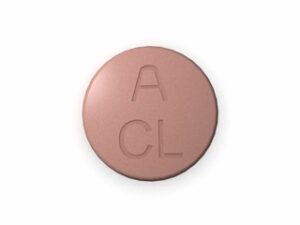
Cartia XT (Diltiazem HCl) – Patient Information
Cartia XT is a brand of diltiazem hydrochloride (HCl) in an extended‑release (XT) form. It is used to help manage certain heart rhythm and blood pressure conditions. This page explains how Cartia XT works, how it is taken, common interactions, safety considerations, and practical tips to support everyday use in Australia.
Basic product information
| Feature | What it means for you |
|---|---|
| Active ingredient | Diltiazem hydrochloride (HCl) |
| Brand | Cartia XT |
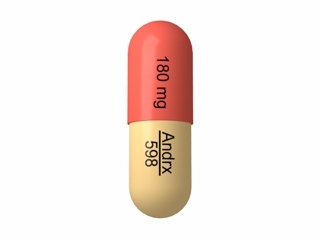
| Dosage form | Extended‑release capsules/tablets (XT formulation) |
| Typical dosing frequency | Often once daily (varies by strength and condition) |
| Therapeutic group | Calcium channel blocker (non‑dihydropyridine class) |
| Main intended benefits | Helps control heart rate and reduce angina symptoms; may help manage some blood pressure and rhythm conditions |
How Cartia XT works (mechanism of action)
Diltiazem is a calcium channel blocker. It works mainly by affecting calcium movement in the heart and blood vessels:
- Slows conduction through the AV node (the electrical “junction” between the atria and ventricles), which can help control heart rate in certain rhythm conditions.
- Relaxes blood vessels by reducing calcium entry into smooth muscle cells. This can lower blood pressure and improve blood flow.
- Reduces the heart’s workload by lowering heart rate and improving oxygen supply/demand balance, which can relieve angina (chest pain).
Extended‑release (XT) means the medicine is released gradually over the day, helping provide steadier effect compared with immediate‑release forms.
Pharmacokinetics: how your body handles Cartia XT
Pharmacokinetics describes how the body absorbs, distributes, metabolises, and eliminates a medicine.
- Absorption: Cartia XT is designed for gradual absorption. Effects typically build to steady levels over several days of regular use.
- Onset: You may notice symptom relief within hours, but full steady effects generally develop with continued dosing.
- Peak and duration: With extended‑release formulations, peak concentrations occur later than immediate‑release diltiazem, supporting once‑daily dosing for many patients.
- Metabolism: Diltiazem is primarily metabolised in the liver (notably via CYP3A4 pathways).
- Elimination: Metabolites and some unchanged drug are cleared mainly through urinary and biliary routes.
Why this matters: Because diltiazem is metabolised by liver enzymes and affects heart conduction, dose adjustments may be considered in people with liver impairment and those taking interacting medicines.
Typical uses (indications)
Cartia XT is commonly used to treat:
- Angina pectoris (chest pain due to reduced oxygen supply to heart muscle)
- Hypertension (high blood pressure), in certain patients
- Heart rhythm problems where rate control is needed (for example, some forms of supraventricular tachycardias or rate control in specific atrial rhythm conditions, as clinically appropriate)
Your exact indication depends on your diagnosis, overall cardiovascular history, and other medicines you take.
Timing and how to take Cartia XT
Follow your dosing schedule consistently. Many patients take Cartia XT at the same time each day.
When to take it
- Choose a time that you can maintain (e.g., morning or evening), unless your clinician has advised otherwise.
- If you miss a dose, take it when you remember unless it is close to the next dose. Do not double up.
How to swallow
- Swallow tablets/capsules whole as directed.
- Do not crush, chew, or split extended‑release forms, because it can alter drug release and increase side effects.
Monitoring during treatment
Your healthcare team may monitor:
- Blood pressure
- Heart rate and rhythm
- Electrocardiogram (ECG) where needed
- Liver function if clinically relevant
Food interactions
For many extended‑release formulations, food may have less impact than with immediate‑release forms, but interactions can still occur.
- General guidance: You can usually take diltiazem with or without food, but try to keep a consistent routine.
- Grapefruit and grapefruit juice: may increase diltiazem levels due to CYP3A4 inhibition. Consider avoiding grapefruit while taking Cartia XT, unless your clinician advises otherwise.
If you notice increased dizziness, flushing, or slowed heart rate after meals or when your eating pattern changes, contact your healthcare provider.
Alcohol interactions
Alcohol can increase blood pressure lowering effects and may worsen side effects such as dizziness or light-headedness.
- Moderation is important.
- Avoid or limit alcohol if you experience fainting, significant dizziness, or unusually slow heart rate.
- Be cautious when driving or using machinery, particularly after drinking.
Medicine interactions: important combinations to discuss
Diltiazem can interact with other medicines through effects on heart conduction and via liver enzyme pathways (especially CYP3A4). Some interactions may raise diltiazem levels, while others may increase or add to heart‑rate lowering effects.
Common interaction themes
- Other heart rate–slowing medicines: combining with beta‑blockers or other AV‑node slowing drugs can increase the risk of bradycardia (slow heart rate) or heart block.
- Blood pressure–lowering medicines: may increase risk of low blood pressure.
- Drugs that affect CYP3A4: may increase or decrease diltiazem exposure.
- Medicines that affect conduction/arrhythmia: may require careful dose adjustment and monitoring.
Examples of medicines that may interact (not exhaustive)
- Beta‑blockers (e.g., metoprolol, bisoprolol)
- Antiarrhythmics (e.g., amiodarone, flecainide, digoxin—digoxin requires special attention for drug level changes)
- Some antibiotics/antifungals (e.g., macrolides or azole antifungals) that can raise diltiazem levels
- Some antidepressants and other medicines processed by liver enzymes
- Statins metabolised by relevant pathways may require dose consideration (your pharmacist can advise based on your specific statin)
- Anti-epileptics that can alter enzyme activity
Always tell your pharmacist or doctor about all medicines you use, including over‑the‑counter products and supplements (for example, herbal products and “heart health” supplements).
Dosing: how Cartia XT is commonly used
Because Cartia XT strengths and dosing schedules can vary, your prescriber will set the dose best suited to your condition and response. In general, diltiazem is titrated carefully to achieve benefit while reducing side effects.
General dosing principles
- Start low and adjust gradually, especially in older adults or those with heart conduction problems.
- Once‑daily dosing is common for XT formulations.
- Do not change your dose without medical advice.
Practical example (for illustration only)
Many patients begin at a lower strength and may be increased based on blood pressure, heart rate, angina control, and tolerability. Your exact regimen should be confirmed from your carton label and clinician instructions.
If you have missed doses or are unsure what to do, speak with your pharmacist rather than guessing—especially if you take other heart medicines.
Safety profile: what to expect and when to seek help
Like all medicines, Cartia XT can cause side effects. Many are mild and improve as your body adjusts. However, some symptoms may signal a serious problem.
Common side effects
- Headache
- Flushing or warmth
- Dizziness or light‑headedness
- Swelling of ankles/feet (peripheral oedema)
- Fatigue
- Constipation (occasionally)
Less common but important risks
- Slow heart rate (bradycardia)
- Low blood pressure (hypotension)
- Heart block or slowed conduction, particularly if combined with other rate‑slowing medicines
- Worsening heart failure symptoms in susceptible patients
- Liver enzyme abnormalities (rare; seek advice if you develop jaundice or unusual dark urine)
Seek urgent medical help if you experience
- Fainting or near‑fainting
- Severe dizziness or confusion
- Chest pain that is severe, new, or worsening
- Breathlessness at rest, sudden weight gain, or severe swelling
- Very slow pulse (especially with weakness or symptoms)
- Signs of an allergic reaction (swelling of face/lips, hives, difficulty breathing)
Practical use tips for everyday life
- Measure your pulse and blood pressure if you have been advised. Keep notes for your clinician.
- Stand up slowly to reduce dizziness, especially after starting or increasing your dose.
- Keep timing consistent—extended‑release medicines work best when taken reliably.
- Use a medication checklist to ensure you’ve not missed doses.
- Be cautious with new medicines: before starting cold/flu products, ask your pharmacist about decongestants or other ingredients that may affect heart rate or blood pressure.
- Do not stop suddenly: if you need to discontinue, discuss a plan with your healthcare team—especially if you take diltiazem for angina control or rate management.
Driving and operating machinery: Dizziness or light‑headedness can occur. Use caution until you know how Cartia XT affects you.
Who should use Cartia XT with extra care?
Cartia XT may require closer monitoring or dose adjustments in people with:
- Existing conduction abnormalities (e.g., AV block)
- Very slow heart rate
- Low blood pressure
- Heart failure or reduced heart function (your clinician will consider suitability)
- Liver impairment (diltiazem levels may rise)
- Older age or multiple co‑morbidities (side effects can be more noticeable)
If you have any of these conditions, ensure your clinician knows your full medical history and current medicines.
Alternative options (if Cartia XT isn’t suitable)
There may be other treatment options depending on your diagnosis. Common alternatives include:
For angina and blood pressure
- Other calcium channel blockers (e.g., amlodipine, nifedipine—differing effects on heart rate and blood vessels)
- Beta‑blockers (reduce heart rate and workload)
- Other antihypertensives (ACE inhibitors, ARBs, thiazide diuretics) based on your overall profile
- Nitrates for symptom relief in some patients
For rhythm/rate control
- Beta‑blockers
- Other rhythm‑control or rate‑control medicines depending on ECG findings and underlying cause
- Non‑drug options in selected cases (your cardiologist may discuss procedures)
Your pharmacist or doctor can explain which alternatives are most appropriate for your specific condition and what interactions to watch for.
Australia: market and legal context (plain language)
In Australia, access to medicines like Cartia XT is governed by Australian health regulations and pharmacy laws. Medicines may be categorised for supply depending on strength and prescribing requirements.
- Supply requirements: Many cardiovascular medicines require appropriate clinical assessment and may be supplied only under suitable prescribing arrangements and pharmacy governance.
- Safety monitoring: Pharmacists help check interactions, dosing suitability, and safe use based on your medication list and history.
- Quality standards: Medicines sold in Australia must comply with the Therapeutic Goods Administration (TGA) requirements.
For up-to-date information on access and safety, your pharmacist can confirm the status of your product and guide you on how to use it appropriately.
Recent guidance and clinical updates (general)
Clinical practice for calcium channel blockers may be updated periodically based on new research, safety monitoring data, and consensus guidelines. In recent years, the consistent themes for diltiazem and similar medicines have included:
- Careful monitoring of heart rate and ECG parameters when starting or adjusting dose
- Attention to drug–drug interactions, particularly with CYP3A4‑affecting medicines
- Individualised dosing for older adults, people with liver impairment, and those on multiple cardiovascular drugs
- Patient education on recognising symptoms of bradycardia, hypotension, and heart failure worsening
Your healthcare provider may also review whether you need periodic checks (for example, blood pressure, pulse, and ECG where clinically appropriate).
Delivery and availability (online pharmacy)
Cartia XT may be available through online pharmacies across Australia, depending on stock availability and product status.
- Availability: Stock levels can change. If the specific strength is temporarily unavailable, many pharmacies can suggest alternatives or restock options.
- Packaging: Medicines are typically dispatched in secure packaging to protect tablets/capsules and comply with storage requirements.
- Delivery: Delivery times vary by location and courier service. You can often track your order once dispatched.
- Cold chain: Cartia XT generally does not require refrigeration unless stated for a particular product/brand packaging—always confirm storage instructions on the carton.
If you’re ordering multiple items, ask about consolidated shipping and whether a partial dispatch is possible when items are backordered.
FAQ – Frequently asked questions
1) Is Cartia XT the same as regular (immediate‑release) diltiazem?
No. Cartia XT is an extended‑release formulation. It is designed to release medication gradually. You should not substitute without checking with a pharmacist, because dosing and side effect profiles can differ.
2) How long does it take to work?
Some people notice symptom improvement within hours, especially for angina control. However, extended‑release formulations typically reach steady effects over several days. If you do not feel any benefit after an appropriate adjustment period, discuss with your healthcare provider rather than increasing the dose yourself.
3) Can I stop Cartia XT if I feel better?
Do not stop suddenly without medical advice. Stopping may lead to a return of symptoms (such as angina) or changes in heart rate control.
4) What should I do if I miss a dose?
Take it as soon as you remember unless it is close to the next dose. Do not double up. If you’re unsure, ask your pharmacist for advice tailored to your dosing schedule.
5) Can I take Cartia XT with grapefruit juice?
It’s generally advisable to avoid grapefruit products because they may increase diltiazem levels. If you currently use grapefruit, talk to your pharmacist about the safest approach.
6) Are there foods I should avoid?
Beyond grapefruit, most people can take Cartia XT with or without food. Keep your routine consistent. If you develop new side effects after diet changes, let your pharmacist know.
7) What are warning signs of too much diltiazem?
Concerning symptoms include fainting, severe dizziness, very slow pulse, significant shortness of breath, or worsening swelling. Seek urgent medical help if these occur.
8) Can I drink alcohol while taking Cartia XT?
You can generally use alcohol in moderation, but it may increase dizziness or cause low blood pressure in some people. If you experience symptoms after alcohol, reduce intake or avoid it and seek advice.
9) What medicines should I be especially careful with?
Be cautious with other medicines that slow heart rate or affect heart conduction, and with medicines that interact through liver enzymes (notably CYP3A4). Always share your complete medication list with your pharmacist.
10) Does Cartia XT interact with common cold/flu tablets?
Some cold medicines contain ingredients that may raise heart rate or blood pressure (for example, decongestants). Check with your pharmacist before using over‑the‑counter cold/flu products.
Important: This information is provided to help you understand Cartia XT. Individual suitability, dose, and monitoring depend on your health status and other medicines. If you have concerns about side effects, interactions, or missed doses, speak with a qualified healthcare professional.