

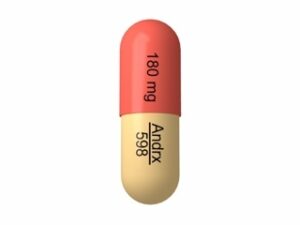
Candesartan (Australia): Patient-Friendly Guide
Candesartan is a commonly used medicine in Australia for treating high blood pressure and certain heart conditions. This guide explains what candesartan does, how it works in the body, typical uses, timing, interactions, safety considerations, and practical tips to help you use it confidently.
Important: Always read the consumer medicine information (CMI) provided with your specific product and follow the instructions from your healthcare professional.
At a Glance
- Medicine: Candesartan
- Drug class: Angiotensin II receptor blocker (ARB)
- Common uses: High blood pressure (hypertension), heart failure, and protection for some high-risk patients
- How it’s taken: Usually once daily; may be taken with or without food
- Key safety themes: Kidney function and potassium monitoring, dehydration risk, pregnancy avoidance
Basic Product Information
| Category | Details |
|---|---|
| Generic name | Candesartan |
| Medicine type | ARB (Angiotensin II receptor blocker) |
| Therapeutic areas | Cardiovascular: blood pressure and heart conditions |
| Typical dosing frequency | Usually once daily (some plans may vary) |
| Common strength forms | Tablets (strengths vary by brand) |
| Food | Generally no clinically meaningful interaction; can be taken with or without food |
Mechanism of Action (How Candesartan Works)
Candesartan blocks the effects of angiotensin II, a hormone that narrows blood vessels and increases blood pressure. By blocking angiotensin II at its receptor, candesartan helps to:
- Relax blood vessels, lowering blood pressure
- Reduce strain on the heart, improving how effectively the heart pumps in conditions like heart failure
- Support kidney circulation in some cardiovascular scenarios (while still requiring monitoring of kidney function)
Unlike medicines that reduce angiotensin-converting enzyme (ACE), ARBs like candesartan generally do not cause the same type of persistent cough commonly associated with ACE inhibitors (though individual responses can vary).
Pharmacokinetics (What the Body Does to the Medicine)
Understanding pharmacokinetics can help you know what to expect in terms of onset and duration. Candesartan is absorbed after taking an oral dose and then distributed throughout the body.
- Absorption: Typically well absorbed after oral administration.
- Distribution: It is distributed into tissues and acts on its target receptors.
- Metabolism: Candesartan is processed partly through hepatic pathways; significant activity relates to the parent compound.
- Elimination: It is eliminated via both renal and non-renal routes.
- Half-life: The duration of action supports once-daily dosing for many people.
Your dose and monitoring plan may differ if you have kidney impairment or other medical conditions.
Typical Use in Australia
Candesartan is prescribed for cardiovascular conditions such as:
Common Indications
- Hypertension (high blood pressure): Helps reduce blood pressure and lower cardiovascular risk.
- Heart failure: Used in selected patients to improve outcomes and reduce strain on the heart.
- Cardiovascular risk management in selected patients: May be used when there is a need to block angiotensin II effects due to existing cardiovascular disease or risk profile (as advised by your clinician).
The exact reason for your treatment depends on your medical history, symptoms, blood pressure readings, and test results.
How and When to Take Candesartan (Timing)
Most people take candesartan once daily. It can be taken:
- With or without food
- At any time of day, but choose a time you can stick to consistently
Practical timing tips:
- If you feel light-headed at first, consider taking it in the evening (unless your clinician advises otherwise).
- Take it at the same time each day to maintain steady effect.
- If you miss a dose, take it when you remember unless it is close to the next dose—then skip and resume your schedule. Avoid doubling doses.
Food Interactions
Candesartan can generally be taken with or without food. Food is not expected to have a clinically important effect on its overall action for most people.
If you have a sensitive stomach or are starting therapy and notice dizziness or nausea, try taking it at a consistent time and consider taking it with a small meal.
Alcohol Interactions and Safety
Alcohol can further lower blood pressure and increase the chance of dizziness, light-headedness, or fainting, especially when starting treatment or after dose increases.
- Limit alcohol until you know how candesartan affects you.
- Be extra cautious if you already feel dizzy, are dehydrated, or have low blood pressure.
- If you plan to drink alcohol, consider talking to your healthcare professional about your safe limits.
Medicine Interactions (What to Tell Your Pharmacist)
Candesartan can interact with other medicines—particularly those affecting kidney function, potassium levels, or blood pressure. Always check with a pharmacist if you are taking additional medications, including over-the-counter products.
Common Interaction Areas
- Potassium supplements or potassium-containing salt substitutes: May increase potassium too much, which can be dangerous.
- Potassium-sparing diuretics: Such as spironolactone or eplerenone, may increase potassium.
- NSAIDs (anti-inflammatory pain medicines): Examples include ibuprofen, naproxen, and diclofenac. In some situations they can affect kidney function and reduce the blood pressure benefit of ARBs, particularly in older people, dehydration, or existing kidney disease.
- Other blood pressure-lowering medicines: Using together may cause blood pressure to drop too far in some people.
- Lithium: ARBs may increase lithium levels; close monitoring may be needed if lithium is used.
Tell your healthcare professional about all medicines you take, including:
- Prescription medicines
- Over-the-counter pain relief and cold/flu remedies
- Herbal products (for example, those that affect blood pressure or kidney function)
- Supplements such as potassium, high-dose vitamin products, or “natural” diuretics
Safety Profile (Who Should Be Extra Careful)
Like all medicines, candesartan has potential side effects and safety considerations. Most people tolerate it well, but certain groups require extra monitoring.
Important Safety Warnings
- Pregnancy: ARBs are generally not recommended during pregnancy and can be harmful to an unborn baby. If pregnancy is possible, discuss contraception and pregnancy planning with your healthcare professional.
- Kidney disease: Kidney function should be monitored, especially when starting or increasing dose.
- High potassium (hyperkalaemia): Potassium levels may rise; monitoring is important.
- Dehydration or low blood pressure: People who are dehydrated may be more prone to dizziness or kidney-related issues.
Common Side Effects
Not everyone experiences side effects. Those that can occur include:
- Dizziness or light-headedness (often early in treatment or after dose changes)
- Low blood pressure symptoms (feeling faint, unusual weakness)
- Headache
- Fatigue
Less Common but Important Effects
- Kidney function changes: More likely if you are dehydrated, have kidney disease, or take medicines that affect kidneys.
- High potassium: May not cause symptoms, but can be detected on blood tests.
- Allergic reactions: Seek urgent help if you develop facial swelling, breathing difficulty, or widespread rash.
When to Seek Urgent Medical Advice
Contact urgent care or seek emergency help if you experience:
- Fainting or severe dizziness
- Signs of an allergic reaction (swelling of face/lips/tongue, difficulty breathing)
- Severe or persistent weakness, palpitations, or unusual symptoms that could indicate electrolyte problems
- Severely reduced urine output or sudden illness with dehydration
Practical Use Tips (How to Get the Best Results)
- Keep blood pressure records: Home readings can help your clinician adjust treatment effectively.
- Attend blood tests: Kidney function and potassium are often checked after starting and after dose changes.
- Stay hydrated: Especially during hot weather or if you’re unwell with vomiting/diarrhoea.
- Change slowly: Many side effects settle after your body adapts, but dose adjustments should be clinician-guided.
- Don’t double up: If you miss a dose, resume the usual schedule rather than taking extra.
Recent Guidance & Clinical Monitoring (General Overview)
In Australia, clinical practice typically emphasises careful monitoring when using ARBs like candesartan, particularly:
- Before and after dose changes: Kidney function (creatinine/eGFR) and potassium are commonly assessed.
- During illness: If you become significantly dehydrated (e.g., gastroenteritis), clinicians may advise temporarily adjusting medicines that affect the renin–angiotensin system. Follow your healthcare professional’s “sick day” plan.
- Regular cardiovascular follow-up: Blood pressure targets and heart failure symptoms are reassessed over time.
Recommendations can vary by individual risk factors. Your healthcare professional may tailor monitoring frequency and targets.
Dosing (General Information)
Dose depends on the reason for treatment, your kidney function, blood pressure, and how you respond to therapy. Below is general guidance. Your specific tablet strength and schedule will be determined by your clinician.
Typical Dosing Patterns
- Hypertension: Often started at a lower dose and adjusted based on blood pressure response.
- Heart failure / certain cardiovascular conditions: Usually started low and titrated, with monitoring of kidney function and potassium.
Do not change your dose without clinician advice. If you have kidney impairment, dose and monitoring may require adjustment.
Missed Dose
- If you miss a dose, take it as soon as you remember.
- If it is almost time for the next dose, skip the missed dose.
- Do not take two doses at once to make up for the missed dose.
Alternative Options (If Candesartan Isn’t Suitable)
There are several treatment options for blood pressure and related heart conditions. Which is appropriate depends on your medical history, side effects, and how well medicines control your readings.
Medication Alternatives
- Other ARBs: Such as losartan, valsartan, or telmisartan.
- ACE inhibitors: Such as enalapril or lisinopril (may be considered if ARB not suitable, though cough risk differs).
- Calcium channel blockers: Such as amlodipine or diltiazem for blood pressure control.
- Diuretics: Thiazide-like diuretics or loop diuretics in selected patients.
- Beta blockers and other heart medicines: Common in heart failure management depending on type and severity.
If you experience side effects or inadequate control, discuss options with your healthcare professional. Switching within the same class or to a different class may be considered.
Market & Legal Context in Australia (Overview)
Medicines in Australia are regulated under the Therapeutic Goods Administration (TGA). Candesartan is an established prescription medicine. Online pharmacy availability can vary based on supply chains, manufacturer stock, and state/territory requirements.
When ordering online, ensure you:
- Choose a reputable provider that operates within Australian regulatory requirements
- Provide accurate personal details required for dispensing
- Check delivery timeframes and temperature/storage requirements listed for your product
Guidance and product information may be updated over time. For the most current information, refer to official Australian medicine resources.
Delivery and Availability (What to Expect Online)
Availability of candesartan products can vary by brand and strength. When ordering online, typical considerations include:
- Stock levels: Some strengths may be more widely available than others.
- Dispensing time: Orders may require verification and preparation.
- Shipping time: Delivery estimates depend on your location within Australia.
- Packaging: Medicines are usually supplied in manufacturer packaging; keep it for future reference.
If your preferred strength is temporarily unavailable, many online pharmacies can contact you about alternatives (such as different brands with the same strength) or provide expected restock dates.
FAQ: Candesartan
1. What is candesartan used for?
Candesartan is used to treat high blood pressure and certain heart conditions such as heart failure or other cardiovascular risk scenarios where blocking angiotensin II is beneficial.
2. How long does it take to work?
Blood pressure may start to improve within days, but full effect can take longer. Heart-related benefits may occur over weeks to months. Your clinician may adjust your dose based on readings and monitoring results.
3. Can I take candesartan with food?
Yes. Candesartan can generally be taken with or without food.
4. Should I drink alcohol while taking candesartan?
Alcohol can make dizziness or blood pressure dropping more likely. Keep intake modest, avoid heavy drinking initially, and be cautious if you feel light-headed.
5. What blood tests are needed?
Kidney function and potassium levels are commonly monitored—especially after starting treatment or changing dose. This helps ensure safety and effectiveness.
6. What side effects should I watch for?
Commonly: dizziness, light-headedness, headache, or fatigue. Seek urgent advice for symptoms suggesting an allergic reaction, severe fainting, or signs of serious electrolyte problems.
7. Can I take pain relievers like ibuprofen?
NSAIDs such as ibuprofen may increase risk of kidney problems in some people taking ARBs, especially if you’re dehydrated. Ask your pharmacist for safer options and discuss your specific situation.
8. What if I’m sick with vomiting or diarrhoea?
Dehydration can increase the risk of kidney-related side effects with medicines affecting the renin–angiotensin system. Follow your clinician’s “sick day” instructions. If you don’t have one, contact your healthcare professional for advice.
9. Is candesartan safe for people with kidney disease?
It may be used in some patients with kidney disease, but monitoring is essential. Dose and monitoring frequency will depend on your eGFR and potassium level.
10. Are there alternatives if I can’t tolerate candesartan?
Yes. Options may include other ARBs, ACE inhibitors, calcium channel blockers, diuretics, and additional heart medicines depending on your condition. Talk to your clinician before switching.
Summary
Candesartan is an ARB medicine used widely in Australia to manage hypertension and selected heart conditions. By blocking angiotensin II, it helps lower blood pressure and reduce stress on the heart. It’s typically taken once daily and can be taken with or without food. Safety monitoring—particularly kidney function and potassium levels—is an important part of care, especially after starting or increasing dose. If you’re ever unsure about interactions or side effects, speak with a pharmacist or healthcare professional for personalised advice.