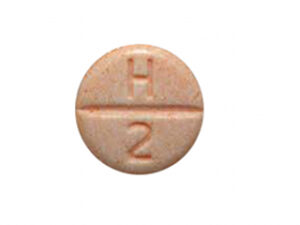



Calan (Verapamil) — Patient Information (Australia)
Calan contains verapamil, a medicine used to treat certain heart and circulation conditions and to prevent some types of chest pain and headache. This page explains how verapamil works, how it is typically used, key safety information, and practical tips for taking it. It also includes information relevant to the Australian market.
Always follow the instructions provided by your healthcare professional and read the consumer medicines information (CMI) that comes with your medicine.
Quick Facts
- Active ingredient: Verapamil
- Common brand name: Calan
- Medicine group: Calcium-channel blocker (non-dihydropyridine)
- Typical uses: Angina (chest pain), certain rhythm problems, and prevention of some forms of migraine (depending on local indications and product form)
- How it’s taken: Usually by mouth, with the dose and formulation tailored to your condition
- Key safety points: Can slow heart rate and affect heart conduction; caution with certain medicines and alcohol
Basic Product Information
| Feature | Details |
|---|---|
| Generic name | Verapamil |
| Brand | Calan |
| Medicine type | Calcium-channel blocker (verapamil; “non-dihydropyridine”) |
| Common dosage forms | Oral tablets/capsules including immediate-release and modified-release forms (product strength and brand may vary) |
| How it’s metabolised | Primarily in the liver (CYP enzymes); excreted largely via kidneys |
| Major risks | Low blood pressure, slow heart rate, heart block; interactions with other medicines |
Note on formulations: Calan may be supplied in different release types (for example, immediate-release versus sustained/modified-release). These forms are not always interchangeable, so it’s important to use the exact product and schedule you were given.
How Verapamil Works (Mechanism of Action)
Verapamil belongs to the class of medicines called calcium-channel blockers. It works mainly by:
- Reducing calcium entry into heart muscle and certain blood vessel smooth muscle cells.
- Slowing electrical conduction through the heart’s conduction system (especially the atrioventricular node). This can help with certain rhythm disturbances.
- Relaxing blood vessels, which can help lower blood pressure and reduce the heart’s workload.
- Decreasing heart’s oxygen demand, which can help prevent or reduce angina (chest pain).
Because verapamil can slow the heart rate and affect the heart’s electrical system, it may not be suitable for everyone.
Pharmacokinetics (How the Body Processes It)
Pharmacokinetics describes what the body does with a medicine—absorption, distribution, metabolism, and elimination.
- Absorption: Verapamil is absorbed after oral dosing, but absorption can vary with formulation and individual factors.
- Peak effect: Depending on immediate-release versus modified-release products, peak blood levels occur at different times.
- Protein binding: Verapamil is moderately to highly bound to plasma proteins.
- Metabolism: It is metabolised primarily in the liver via CYP enzymes. A major active metabolite contributes to overall effect.
- Half-life: Verapamil’s elimination half-life varies, and it may be longer in some situations (for example, liver impairment).
- Elimination: The medicine and its metabolites are excreted largely via the kidneys.
Why this matters: People with liver impairment may have higher medicine levels for longer, increasing the risk of side effects. Kidney function issues can also influence overall medication handling, though the liver is a key factor for verapamil metabolism.
Typical Uses and Indications
Verapamil is used for a range of cardiovascular and related conditions. The most common indications include:
- Angina (chest pain): Helps prevent chest pain caused by reduced oxygen supply to the heart.
- Some cardiac rhythm problems: Particularly certain types of supraventricular arrhythmias where slowing conduction is beneficial.
- Hypertension (high blood pressure): In some situations, verapamil may be used to help control blood pressure.
- Prevention of migraine: In some people, verapamil is used to help reduce the frequency of migraine attacks (depending on product form and local clinical guidance).
Important: The exact approved indications depend on the specific product formulation and local regulatory information. Your clinician can confirm whether it’s appropriate for your diagnosis.
When to Take Calan (Timing and How to Use It)
How you take Calan depends on the formulation and your prescribed dose schedule.
- Follow your dosing schedule exactly: Do not increase or decrease your dose without advice.
- Take at consistent times: This helps maintain steady medicine levels and more predictable effects.
- With or without food: Many people can take verapamil with food to reduce stomach upset, though food effects can vary by formulation (see “Food Interactions” below).
- Swallow whole (if modified-release): If your product is sustained/modified-release, do not crush or chew unless the packaging/CMI specifically allows it.
If you miss a dose:
- Take it when you remember unless it is close to your next dose.
- If it’s almost time for the next dose, skip the missed dose.
- Do not take a double dose to “catch up.”
If you take too much: Seek urgent medical help. Overdose can cause dangerously low heart rate, low blood pressure, dizziness, fainting, and heart rhythm problems.
Food Interactions (Including Grapefruit and Other Drinks)
Food and drink can affect verapamil levels and effects.
- Grapefruit / grapefruit juice: Grapefruit can increase verapamil levels in some people. Avoid grapefruit products unless your pharmacist advises otherwise.
- General approach: Try to keep your diet and drink patterns consistent. If you want to change your intake of fruit juices or alcohol, check first.
Modified-release products: Some formulations may be more sensitive to changes in absorption. If you switch products or brands, ask your pharmacist about any changes in timing or meal advice.
Alcohol and Medicine Interactions
Combining verapamil with alcohol may increase the likelihood of side effects such as:
- Dizziness or light-headedness
- Low blood pressure
- Fainting in some people
Practical advice:
- Keep alcohol intake modest and avoid binge drinking.
- Be cautious when standing up after drinking.
- If you notice unusual dizziness or weakness, avoid alcohol and seek advice.
Other medicine interactions: Verapamil has multiple drug interaction risks, mainly through its metabolism and effects on heart conduction. Before starting, stopping, or changing doses of other medicines, confirm with a pharmacist or doctor—especially if you use any of the following:
- Other heart medicines that slow heart rate or affect conduction (for example, certain beta-blockers or other antiarrhythmics).
- Digoxin (levels may be affected).
- Some antiarrhythmics and anti-blood clot medicines (interaction depends on the exact product).
- Medicines that affect liver enzymes (CYP inhibitors/inducers), including some antibiotics, antifungals, antivirals, and antidepressants.
- Some seizure medicines or herbal supplements that may alter metabolism.
- Other blood pressure medicines (risk of additive low blood pressure).
- Statins (some can interact via metabolism).
Always check labels and update your medication list at each appointment.
Dosing: What’s Typical and How Doses Are Adjusted
Dosing varies by condition, age, formulation, and how you respond to treatment. Only take the dose prescribed for you.
- Starting dose: Usually begins at a lower dose to assess tolerance.
- Maintenance dose: May increase gradually to achieve symptom control while minimising side effects.
- Modified-release versus immediate-release: Different dosing schedules apply. Do not switch between release types without guidance.
- Older adults: Dose adjustment may be needed due to changes in body function and higher sensitivity to heart rate/blood pressure effects.
- Liver impairment: Often requires lower doses and closer monitoring.
- Drug interactions: If combined with interacting medicines, the verapamil dose may need adjustment.
Monitoring needs: Your clinician may check:
- Heart rate (pulse) and rhythm
- Blood pressure
- ECG (electrocardiogram) when appropriate
- Any symptoms of dizziness, fainting, or worsening shortness of breath
If you’re unsure which formulation you have (for example, sustained/modified-release), look for the brand and strength details on the packaging or ask your pharmacist.
Safety Profile: Who Needs Extra Caution
Verapamil can be very effective when used appropriately, but it has potential risks. Seek urgent medical help if you experience severe symptoms such as:
- Fainting or near-fainting
- Severe dizziness
- Very slow heart rate or a markedly irregular heartbeat
- Severe shortness of breath, chest pain, or swelling that rapidly worsens
Common side effects may include:
- Constipation (not uncommon with verapamil)
- Headache or dizziness
- Swelling of ankles/feet (peripheral oedema)
- Flushing or feeling warm
- Nausea
Less common but important risks:
- Low blood pressure (hypotension)
- Slow heart rate (bradycardia)
- Heart block or worsening conduction problems
- Worsening heart failure in susceptible individuals
- Liver problems (rare; seek advice if symptoms like unusual fatigue, dark urine, or yellowing of the eyes/skin occur)
Who may need extra caution:
- People with heart block, significant conduction abnormalities, or very low heart rate
- People with certain forms of heart failure or reduced heart pumping function
- People with liver disease
- People taking multiple heart-related medicines due to interaction risk
Pregnancy and breastfeeding: If you are pregnant, planning pregnancy, or breastfeeding, discuss risks and benefits with your healthcare provider. They can advise whether verapamil is suitable for your situation.
Practical Use Tips (Making Treatment Easier)
- Track your pulse and symptoms: If you’re prone to dizziness or feel “too slow,” monitor your pulse and report changes promptly.
- Manage constipation: Increase fluids and fibre as appropriate. If constipation is persistent, ask your pharmacist about options safe for you.
- Stay consistent with the formulation: Don’t switch brands or release types without confirming with your pharmacist.
- Carry a medication list: Include the strength and dosing schedule, and bring it to appointments.
- Watch for swelling: Ankle swelling can occur. Report significant or worsening swelling to your clinician.
- Be cautious when standing: If you feel light-headed, rise slowly from sitting/lying positions.
Alternative Options (If Verapamil Isn’t Suitable)
If verapamil is not appropriate due to side effects, interactions, or response, clinicians may consider alternatives. The best option depends on your diagnosis.
- Other calcium-channel blockers: Depending on your condition, another class member (for example, diltiazem or dihydropyridine agents) may be used.
- Beta-blockers: Often considered for angina and certain rhythm issues, especially when verapamil is not tolerated.
- Antianginal medicines: Nitrates or other agents may be used for chest pain prevention/treatment.
- Rhythm-specific approaches: Depending on the arrhythmia type, different antiarrhythmic strategies may be selected.
- Migraine prevention options: For migraine, other preventive medicines may be considered if verapamil does not suit you.
Important: Alternatives may have different risks and interaction profiles. Discuss options with your healthcare professional rather than substituting yourself.
Market and Legal Context for Australia (High-Level)
In Australia, medicines are regulated to support safe supply and quality. Access to verapamil-containing products typically occurs through pharmacy dispensing and follows Australian medicine scheduling and prescribing rules.
- Pharmacy supply: Calan (verapamil) is generally supplied through community pharmacies.
- Safety information: Australian packaging and Consumer Medicine Information (CMI) provide guidance on use, side effects, and interactions.
- Responsible use: Pharmacists help ensure the medicine is suitable for the individual based on their medication list and health history.
Recent guidance: Ongoing updates may occur through Australian medicines safety channels (for example, alerts about product quality, changes in availability, or updated interaction cautions). Always rely on the CMI and the latest advice from your healthcare professional for the most current information.
Delivery and Availability (Online Pharmacy Overview)
Availability and delivery may vary depending on stock levels, formulation strength (immediate-release vs modified-release), and supply schedules.
- What you may be able to order: Verapamil brands and strengths available through approved pharmacy supply chains.
- How delivery works: Typically delivered to your address using standard or express shipping options offered by the pharmacy.
- Packaging: Medicines are generally supplied in original manufacturer packaging where possible.
- Stock updates: If a specific strength/form is unavailable, you may be offered alternatives after pharmacist review.
Tip: If you have a particular strength or release type, include these details when placing an order to reduce delays.
FAQ — Calan (Verapamil)
1) What is Calan used for?
Calan (verapamil) is commonly used for conditions such as angina (chest pain prevention), certain cardiac rhythm problems, and sometimes for blood pressure control and migraine prevention, depending on the product and clinical situation.
2) How long does it take to work?
Some effects may be felt soon after starting, especially for chest pain or rhythm control. Full benefits can take days to weeks, depending on the condition being treated and the formulation used. If you don’t notice expected improvement, discuss this with your clinician rather than adjusting the dose yourself.
3) Can I stop taking Calan if I feel better?
No—don’t stop suddenly unless your healthcare professional advises you. Stopping may lead to return of symptoms and may increase risk in some conditions.
4) What should I do if I miss a dose?
Take it when you remember unless it is close to your next dose. If it’s near the next dose, skip the missed dose. Do not double up.
5) Is it safe to drink alcohol while taking verapamil?
Alcohol may increase dizziness and lower blood pressure. Keep alcohol intake modest and monitor how you feel. If you experience light-headedness or fainting, avoid alcohol and seek medical advice.
6) Does grapefruit affect verapamil?
Yes. Grapefruit and grapefruit juice can increase verapamil levels in some people, raising the risk of side effects. It’s generally best to avoid grapefruit while taking verapamil unless your pharmacist advises otherwise.
7) What medicines should I avoid combining with verapamil?
Some medicines interact with verapamil, especially those that affect heart rate/conduction or liver metabolism. Tell your pharmacist about all medicines you use, including prescription medicines, over-the-counter products, and herbal supplements.
8) Why do I get constipation?
Constipation is a known effect of verapamil for some people. Staying hydrated, eating fibre, and maintaining regular activity can help. If it persists, ask your pharmacist about safe options.
9) What symptoms mean I should get urgent help?
Seek urgent medical attention if you faint, have severe dizziness, experience very slow or irregular heartbeat, severe shortness of breath, or worsening chest pain.
10) Can older adults take Calan?
Many older adults can take verapamil, but they may be more sensitive to low blood pressure or slow heart rate. Dosing and monitoring often need to be more cautious—follow professional guidance closely.
When to Speak to a Pharmacist or Doctor
Contact a healthcare professional if:
- You have new or worsening dizziness, fainting, unusual fatigue, or breathlessness.
- You notice slow heart rate, palpitations, or symptoms suggesting an abnormal rhythm.
- You are starting a new medicine (including antibiotics, antifungals, antidepressants, or seizure medicines) or supplements.
- You require advice about managing common side effects such as constipation or swollen ankles.
Remember: Proper use depends on the exact formulation and your health history. Your pharmacist can help check interactions and ensure you’re taking Calan correctly.