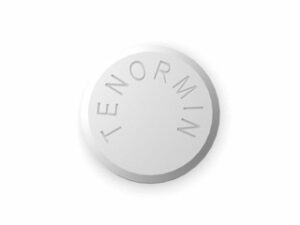
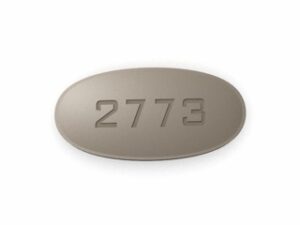

Bystolic (Nebivolol) – Patient-Friendly Medicine Information (Australia)
Bystolic contains nebivolol, a medicine used to help control blood pressure and to treat certain heart-related conditions. This guide explains how nebivolol works, how it is usually taken, what to expect, and important safety considerations for people in Australia.
Quick Facts
- Active ingredient: Nebivolol
- Medicine type: Beta-blocker (cardioselective) with nitric-oxide–mediated effects
- Main uses: High blood pressure (hypertension) and heart failure (in some patients)
- Common dosing: Often once daily (varies by condition and patient factors)
- Typical effects: Slower heart rate, reduced blood pressure, and improved workload on the heart
Basic Product Information
Bystolic is a brand of nebivolol. Nebivolol belongs to a group of medicines called beta-blockers. In addition to blocking beta receptors in the heart, nebivolol also supports blood vessel relaxation through effects involving nitric oxide.
In Australia, availability and prescribing details may vary by product presentation and patient circumstances. Always check the package or consult your pharmacist for the specific strengths you have.
How Nebivolol Works (Mechanism of Action)
Nebivolol works in two complementary ways:
- Cardioselective beta-blockade: It blocks beta-1 receptors primarily in the heart. This helps reduce heart rate and the force of contraction, which lowers the heart’s oxygen demand.
- Vasodilation (blood vessel relaxing) effect: Nebivolol promotes nitric-oxide–related pathways, helping blood vessels relax. This can improve circulation and contribute to lowering blood pressure.
Together, these effects help lower blood pressure and can support heart function, especially in chronic heart failure treatment plans.
Pharmacokinetics (How the Body Processes the Medicine)
Pharmacokinetics describes absorption, distribution, metabolism, and elimination of a medicine. For nebivolol, key points include:
- Onset: Blood pressure and heart rate effects typically develop within hours after a dose. Full benefits for blood pressure control may take days to weeks with consistent daily use.
- Absorption: Nebivolol is absorbed from the gastrointestinal tract and is subject to variability between individuals.
- Metabolism: Nebivolol is metabolised mainly in the liver. Genetic differences in metabolism (and other liver-related factors) can influence exposure in some people.
- Elimination: The medicine and its metabolites are eliminated primarily via the kidneys (urine) and, to a lesser extent, via other routes.
- Half-life: Nebivolol has a duration that supports once-daily dosing for many patients.
Your pharmacist can advise on how these features may apply to you, especially if you have liver or kidney problems.
Typical Uses in Australia
Nebivolol is used for:
- Hypertension (high blood pressure): Helps reduce blood pressure and cardiovascular risk over time.
- Chronic heart failure: Often used as part of a comprehensive treatment approach for eligible patients.
Your treatment plan may also include other medicines (for example, diuretics, ACE inhibitors, angiotensin receptor blockers, or other heart medicines).
Indications (When the Medicine Is Used)
Nebivolol is indicated for:
- Essential hypertension (adults and certain approved populations, depending on local product information).
- Chronic heart failure in selected patients, typically with stable symptoms and a treatment plan agreed by your treating clinician.
Dosing: What’s Typical and How to Take It
Dosing depends on the condition being treated, your age, heart rate, blood pressure, and other medical factors. Below are general dosing patterns; always follow the instructions provided for your specific product.
For High Blood Pressure (Hypertension)
- Common approach: Once daily dosing.
- Dose adjustments: Your clinician may increase the dose gradually or add other blood pressure medicines if needed.
For Chronic Heart Failure
- General approach: Treatment usually starts low and is increased slowly (titration).
- Monitoring: Heart rate, blood pressure, symptoms, and tolerance are monitored regularly during dose changes.
Timing (Morning vs Evening)
Many people take nebivolol once daily at a consistent time. Some prefer the morning; others may prefer evening if that better fits their routine or reduces side effects. The most important factor is consistency.
If You Miss a Dose
- Take it when you remember if it’s close to your usual time.
- If it’s near the next dose, skip the missed dose and take your next dose at the normal time.
- Do not double up to make up for a missed dose.
Food Interactions: Can You Take It With Meals?
Nebivolol can typically be taken with or without food, but follow the directions on your product label or as advised by your pharmacist. If a clinician recommends taking it one way, keep that schedule consistent.
If you experience stomach discomfort, taking the tablet with food may help.
Alcohol Interactions
Alcohol may increase the blood-pressure–lowering effects of beta-blockers and can worsen dizziness or light-headedness. If you drink alcohol:
- Start with small amounts to see how you respond.
- Avoid binge drinking, especially when you first start or when your dose changes.
- Be cautious when standing up quickly (postural hypotension).
Medicine Interactions (Important Safety Information)
Several medicines can interact with nebivolol by affecting heart rate, blood pressure, or how the body metabolises the drug. Tell your pharmacist about all medicines you take, including over-the-counter products and supplements.
Common Interaction Types
- Other medicines that slow heart rate: e.g., certain heart rhythm medicines or calcium channel blockers that slow the heart (such as verapamil or diltiazem).
- Blood pressure medicines: can increase the chance of dizziness or low blood pressure.
- Antiarrhythmics: may alter heart rhythm control when combined with beta-blockers.
- CYP metabolism inhibitors/inducers: some medicines can change nebivolol levels in the body, potentially affecting effectiveness or side effects. (Your pharmacist can check specific medicines for you.)
- Diabetes medicines: beta-blockers may mask warning signs of low blood sugar (like fast heartbeat). This is especially relevant for insulin or sulfonylureas.
- Non-steroidal anti-inflammatory drugs (NSAIDs): long-term or high-dose use may affect blood pressure control in some people.
Herbal and Supplement Considerations
Herbal products and supplements can also interact. Examples include products marketed for “heart support,” “blood pressure,” or “stress/anxiety.” Ask your pharmacist before starting new supplements.
Safety Profile: Possible Side Effects and What to Watch For
Like all medicines, nebivolol can cause side effects. Not everyone experiences them. Side effects may be more noticeable when starting treatment or after dose increases.
Common Side Effects
- Dizziness or light-headedness
- Fatigue or tiredness
- Slow heart rate (bradycardia)
- Low blood pressure, sometimes especially when standing (postural hypotension)
- Headache
- Swelling (fluid retention) in some cases, particularly in heart failure patients
Less Common but Important Effects
- Breathing difficulties in susceptible people (beta-blockers may affect airflow in some individuals with airway disease)
- Sleep disturbances or unusual dreams
- Cold hands or feet
- Gastrointestinal upset (nausea, abdominal discomfort)
Seek Urgent Medical Help If You Experience
- Severe dizziness or fainting
- Chest pain, severe shortness of breath, or symptoms of worsening heart failure
- Allergic reaction symptoms (swelling of face/lips, rash, wheezing)
Special Cautions
- Very slow heart rate or certain heart conduction problems may require careful monitoring.
- Asthma or certain breathing conditions: although nebivolol is more cardioselective than some older beta-blockers, caution is still important.
- Diabetes: beta-blockers may hide some low blood sugar symptoms.
- Peripheral circulation issues (e.g., Raynaud’s): may worsen in some people.
Practical Use Tips (How to Get the Best Results)
- Take it at the same time each day to maintain steady effect.
- Monitor blood pressure and pulse (if your clinician advised you). Note symptoms such as dizziness, fatigue, or unusual breathlessness.
- Stand up slowly, especially when starting or when doses change.
- Do not stop suddenly without advice. Stopping beta-blockers abruptly can cause worsening symptoms in some patients. If stopping is needed, it is usually done gradually.
- Keep follow-up appointments. Dose titration (particularly for heart failure) often requires regular checks.
- Stay hydrated and be cautious during hot weather, as low blood pressure symptoms can be more likely.
Alternative Options (If Nebivolol Isn’t Suitable)
If nebivolol is not appropriate due to side effects, interactions, or individual response, other treatment options may be considered. Alternatives depend on what you are treating (hypertension vs heart failure) and your health profile.
For High Blood Pressure
- Other beta-blockers (choice depends on cardioselectivity and patient needs)
- ACE inhibitors
- ARBs (angiotensin receptor blockers)
- Calcium channel blockers
- Diuretics (water tablets)
For Chronic Heart Failure
- Specific beta-blockers used in heart failure (not all beta-blockers are the same)
- Other heart failure medicines as part of guideline-based combination therapy
Your pharmacist can help discuss questions to ask your clinician and how switching medicines might be done safely.
Market and Legal Context in Australia
In Australia, medicines are regulated through the TGA (Therapeutic Goods Administration). Product availability, packaging, and the precise approved uses are based on Australian regulatory requirements.
On an online pharmacy, you may be asked to confirm your details and medication needs in line with Australian rules and pharmacy standards. Always ensure you are purchasing a genuine product from a reputable supplier and that it matches the strength you have been advised to use.
Recent Guidance and Monitoring Considerations
Clinical guidance for hypertension and heart failure continues to evolve as new evidence emerges. Key ongoing themes include:
- Individualised treatment: choice of blood pressure or heart failure medicines is based on patient characteristics and comorbidities.
- Regular monitoring: blood pressure, heart rate, kidney function, and tolerance are commonly reviewed.
- Cardiovascular risk focus: treatment aims not only to lower numbers but also to reduce cardiovascular events.
- Medication safety: careful review of interactions (especially medicines affecting heart rhythm and blood pressure).
Your pharmacist can provide general advice on what monitoring is typically recommended for people taking beta-blockers.
Delivery and Availability (Online Pharmacy Information)
Bystolic (nebivolol) may be available in different strengths depending on stock and product supply. Delivery time can vary based on location, dispatch cut-off times, and courier schedules within Australia.
- Check stock status: Some strengths may have variable availability.
- Delivery estimates: You can usually view estimated delivery times during checkout.
- Packaging: Medicines are typically shipped in protective packaging to help prevent damage in transit.
- Cold chain: Nebivolol tablets generally do not require cold storage, but always follow the storage instructions on the label.
Storage Instructions
- Store at room temperature unless the label specifies otherwise.
- Keep in the original package to protect from moisture and light.
- Keep out of reach of children.
- Check the expiry date on the pack.
FAQ About Bystolic (Nebivolol)
1) What is Bystolic used for?
Bystolic (nebivolol) is used to treat high blood pressure and chronic heart failure in selected patients.
2) How quickly will I feel effects?
Some effects on heart rate and blood pressure may be noticed within hours, but the full benefit for blood pressure usually takes days to weeks of regular use.
3) Should I take it in the morning or at night?
Many people take it once daily at a consistent time. Choose the time that best supports your routine and helps you avoid side effects like dizziness. If you are unsure, ask your pharmacist.
4) Can I take nebivolol with food?
Nebivolol can typically be taken with or without food. Follow the instructions on your pack or those provided by your healthcare professional.
5) What if I drink alcohol?
Alcohol may increase the chance of dizziness or low blood pressure. If you drink, start slowly and avoid heavy drinking—especially when starting treatment or after a dose change.
6) Can nebivolol be taken with other heart medications?
Some combinations require extra caution because they can further slow the heart rate or lower blood pressure. Always check your full medicine list with your pharmacist.
7) Does nebivolol affect asthma?
Nebivolol is relatively cardioselective, but it can still affect breathing in susceptible people. If you have asthma or breathing problems, discuss this before starting and report any worsening symptoms promptly.
8) Will nebivolol make me feel tired?
Fatigue can occur, particularly early in treatment or after dose increases. Many people find it improves over time, but persistent or severe tiredness should be discussed with your pharmacist or clinician.
9) Can I stop taking Bystolic suddenly?
Generally, beta-blockers should not be stopped abruptly without medical guidance. If you need to stop, it is usually done gradually to reduce the risk of rebound symptoms.
10) What should I do if I miss a dose?
If you miss a dose, take it when you remember unless it’s close to your next dose. Do not double the dose.
Summary: Key Points to Remember
- Bystolic (nebivolol) is a beta-blocker used for hypertension and chronic heart failure.
- It reduces heart rate and helps blood vessels relax, lowering blood pressure.
- Often taken once daily; choose a consistent time.
- Be cautious with alcohol and with medicines that affect heart rate or blood pressure.
- Report concerning symptoms (fainting, severe dizziness, breathing problems, or allergic reactions).
Information Table (At-a-Glance)
| Category | What to Know |
|---|---|
| Active ingredient | Nebivolol |
| Medicine class | Cardioselective beta-blocker with vasodilatory effects |
| Common uses | High blood pressure; chronic heart failure in selected patients |
| Typical dosing | Often once daily; heart failure may require slow titration |
| Food | Generally with or without food (follow pack instructions) |
| Alcohol | May increase dizziness/low blood pressure; use caution |
| Common side effects | Dizziness, fatigue, slow heart rate, low blood pressure |
| When to seek help | Fainting, severe dizziness, breathing problems, severe allergic symptoms |
This page provides general information about Bystolic (nebivolol). If you have questions about whether nebivolol is suitable for you, how it should be taken, or how it may interact with your current medicines, speak with a pharmacist.