
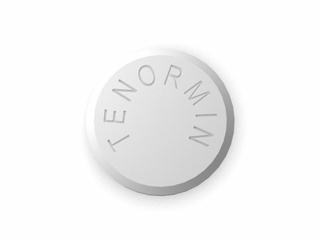

Tenormin (Atenolol) – Patient-Friendly Information
Tenormin is a brand of atenolol, a medicine from the beta-blocker family used to treat several cardiovascular conditions. It works by helping the heart beat more slowly and with less force, which can lower blood pressure, reduce strain on the heart, and help control certain heart rhythm problems.
This page provides practical, patient-friendly information about how Tenormin works, how it is used, how to take it safely, and what interactions and precautions to consider—tailored for people in Australia.
Basic Product Information
| Item | Details |
|---|---|
| Brand name | Tenormin |
| Active ingredient | Atenolol |
| Medicine class | Beta-blocker (selective beta-1 blocker) |
| Common strengths | Available in various tablet strengths (exact strength depends on product and market listing) |
| How it’s supplied | Oral tablets |
| Typical dosing schedule | Often once daily (some situations may require different schedules) |
How Tenormin Works (Mechanism of Action)
Atenolol is a beta-1 selective beta-blocker. It primarily affects receptors in the heart (beta-1 receptors), leading to:
- Lower heart rate (slower pulse)
- Reduced force of contraction, which lowers the heart’s workload
- Decreased conduction through the heart, which can help stabilise some abnormal rhythms
- Lower blood pressure over time, partly by reducing cardiac output
By lowering the heart’s workload, Tenormin can help relieve symptoms and reduce the risk of cardiovascular complications in appropriate conditions.
Pharmacokinetics (How the Body Handles Atenolol)
Understanding pharmacokinetics can help explain timing, side effects, and why dosing may differ between people.
Absorption
- Atenolol is absorbed from the gastrointestinal tract, with absorption that may vary between individuals.
- It is not “highly dependent” on food for absorption, but food can affect how quickly it appears in the bloodstream.
Distribution
- Atenolol is distributed throughout the body, including the cardiovascular system.
- It is not extensively metabolised by the liver compared with some other beta-blockers.
Metabolism and Excretion
- Most of the dose is eliminated via the kidneys (renal excretion).
- This means dose adjustments may be needed if you have kidney impairment.
Half-life and duration of action
- Atenolol has a relatively long duration, which is one reason it’s often taken once daily.
- However, the exact effect duration can vary based on kidney function and individual factors.
Typical Uses and Indications
Tenormin (atenolol) is used for a range of cardiovascular indications. The most common include:
Cardiovascular indications
- Hypertension (high blood pressure)
- Angina pectoris (chest pain due to reduced blood supply to the heart muscle)
- Management of certain heart rhythm problems where slowing the heart rate can be beneficial
- After a heart attack in selected cases to support cardiovascular protection (depending on overall treatment plan)
Your prescriber may use Tenormin in specific circumstances based on your medical history, symptoms, and other medicines.
When to Take Tenormin (Timing and Routine)
Many people take atenolol once daily. The goal is to keep a consistent effect throughout the day. Choose a routine that you can maintain.
General timing tips
- Take at the same time each day to maintain steady blood levels.
- Morning or evening: either may suit you; the best time is the one that fits your schedule and minimises side effects (such as tiredness).
- If dizziness occurs, taking it at night may help—discuss with a clinician.
If you miss a dose
If you forget a dose, take it when you remember unless it is close to the next scheduled dose. Do not take a double dose to make up for a missed tablet.
If you’re unsure, check with your pharmacist for advice specific to your dose and timing.
Food Interactions (Can You Take It With Meals?)
Atenolol can generally be taken with or without food. Food may slightly affect the speed at which atenolol reaches peak levels, but it usually does not dramatically change the overall effect.
- If you find the medicine upsets your stomach, taking it with food can improve comfort.
- If you’re switching between taking with meals and on an empty stomach, try to keep a consistent approach.
Alcohol and Medicine Interactions
Alcohol may increase the likelihood of side effects such as dizziness, light-headedness, and low blood pressure, especially when starting or adjusting the dose.
Practical guidance
- Limit alcohol if you experience dizziness or faintness.
- Be cautious when standing up quickly (especially if you’ve just started Tenormin).
- Avoid heavy drinking and monitor how you feel.
Important point
Alcohol can also worsen angina symptoms in some people by affecting blood pressure and heart strain. If you notice increased chest discomfort after drinking, discuss this promptly with a healthcare professional.
Medicine Interactions to Consider
Interactions can occur when medicines affect each other’s effects, absorption, or heart rhythm. Always share your current medication list—including non-prescription medicines and supplements—with a pharmacist or clinician.
Medicines that may increase slowing of the heart
- Other medicines that slow heart rate (for example, some rhythm-control medicines or certain calcium channel blockers)
- Medicines that can affect cardiac conduction may increase the risk of bradycardia (slow pulse) or heart block
Blood pressure medicines
- When combined with other antihypertensive medicines, the blood pressure-lowering effect may be stronger.
- This can be beneficial, but it may also increase dizziness or fainting in some people.
Diabetes medicines
- Beta-blockers can sometimes mask warning symptoms of low blood sugar, such as a racing heartbeat.
- Be more alert for other signs of hypoglycaemia (sweating, confusion, shakiness) and monitor glucose as advised.
Non-steroidal anti-inflammatory drugs (NSAIDs)
- Frequent NSAID use (for example, ibuprofen or naproxen) may reduce the blood pressure-lowering effect for some people.
- If you take NSAIDs regularly, discuss your plan with a clinician.
Other medicines to discuss
Certain antidepressants, antipsychotics, or other medicines affecting heart rhythm may be relevant. Don’t assume that “non-cardiac” medicines are safe—confirm with your pharmacist.
Dosing: What is a Typical Dose?
Dose varies by indication, age, and kidney function. A clinician will choose the most appropriate dose for your condition. The information below is general and should not replace individual advice.
Common dosing patterns (general guidance)
- Hypertension: commonly once daily, with adjustments based on response
- Angina: dosing may be titrated to achieve symptom control and an appropriate heart rate
- Heart rhythm management: may require careful monitoring and sometimes dose adjustments
- Kidney impairment: dose may need reduction due to renal excretion
Titration and monitoring
- Starting doses may be lower and increased gradually.
- Clinicians often monitor blood pressure, heart rate, symptoms, and sometimes heart rhythm tests.
Do not stop suddenly
Stopping beta-blockers abruptly can be risky, particularly in people with angina or heart disease. If discontinuation is needed, it is usually done by gradual dose reduction under medical guidance.
Safety Profile: Side Effects and Warnings
Like all medicines, Tenormin can cause side effects. Not everyone experiences them. Many are mild and improve as your body adjusts.
Common side effects
- Fatigue or tiredness
- Dizziness, especially when standing up quickly
- Slow heart rate (bradycardia)
- Cold hands or feet
- Sleep disturbances in some people
Less common but important
- Worsening of heart failure symptoms in people with underlying heart failure (shortness of breath, swelling)
- Shortness of breath or breathing issues in susceptible people (discuss if you have asthma or COPD)
- Low blood pressure causing faintness
- Changes in mood (rare) or unusual dreams
Seek urgent help if
- Severe dizziness, fainting, or very slow pulse
- Severe shortness of breath, chest pain, or signs of allergic reaction (swelling of face/lips, hives)
Who should be extra cautious?
- People with slow heart rate, certain conduction problems, or a history of heart block
- People with asthma or significant breathing disorders—beta-blockers may require careful selection and monitoring
- People with diabetes—watch for symptoms of low blood sugar
- People with kidney impairment—dose adjustment may be required
- Older adults—may be more prone to dizziness and falls
Practical Use Tips for Daily Life
These tips can help you use Tenormin safely and comfortably.
- Monitor your pulse and blood pressure if advised by your clinician, especially after dose changes.
- Stand up slowly to reduce dizziness.
- Keep hydrated unless you’ve been told to restrict fluids.
- Carry a medication list (or use a smartphone app) so you’re prepared for emergencies.
- Don’t mix tablets from different strengths—double-check the strength and instructions on the label.
- Inform clinicians before procedures or new prescriptions, including dental care.
Driving and using machinery
Some people feel dizzy or more tired when starting or increasing atenolol. Until you know how Tenormin affects you, use caution when driving, cycling, or operating machinery—especially at the start of treatment.
Alternative Options (If Tenormin Isn’t Suitable)
If Tenormin (atenolol) isn’t appropriate due to side effects, interaction concerns, or individual preferences, clinicians may consider other treatment approaches. Options may include:
Other beta-blockers
- Other beta-blockers with different dosing schedules or characteristics (e.g., metoprolol, bisoprolol, carvedilol—depending on availability and suitability)
Non-beta-blocker options
- For hypertension and angina, there are multiple classes such as ACE inhibitors, angiotensin receptor blockers (ARBs), calcium channel blockers, and other cardiovascular medicines—chosen based on your condition.
The “best alternative” depends on why you’re taking Tenormin and your health profile. Discuss options with your pharmacist or healthcare professional.
Market and Legal Context in Australia
In Australia, prescription medicines are regulated and provided through appropriate channels to ensure safe use. Availability, brand presentation, and exact listing can vary by supplier and state/territory regulations.
When buying medicines online in Australia, reputable sellers provide clear product details, supply within legal frameworks, and support safe medication use. Always check:
- The product name and active ingredient match what your treatment plan requires
- Expiry date and batch details (where provided)
- Storage instructions (some products may require protection from moisture or heat)
- Return and support policies
Recent Guidance and Ongoing Considerations
Clinical guidance can evolve as new evidence emerges. In general, beta-blockers remain an established option for conditions such as hypertension and angina, and they may have a role after certain cardiac events. Clinicians may update monitoring approaches based on your symptoms, heart rate targets, and other medicines you use.
If you’re starting Tenormin or your dose is changing, it’s especially important to have follow-up and to report any side effects such as unusual fatigue, dizziness, or breathing changes.
Delivery, Availability, and Storage (Australia)
Availability
Tenormin (atenolol) is commonly stocked in Australia through pharmacy supply channels. Availability can depend on strength, pack size, and supplier listing.
Delivery
Online pharmacy delivery options typically vary by location. Reputable suppliers may offer standard and express shipping with tracking. Delivery time can be influenced by public holidays and regional factors.
Storage
- Store tablets at room temperature unless the label instructs otherwise.
- Keep in the original package to protect from moisture and light.
- Keep out of reach of children.
- Check expiry date on the packaging before use.
FAQ: Tenormin (Atenolol)
1. What is Tenormin used for?
Tenormin (atenolol) is used for conditions such as hypertension (high blood pressure), angina, and certain heart rhythm problems. The exact indication depends on your personal medical circumstances.
2. How quickly does Tenormin work?
Some effects may be noticed within hours (for example, reduced heart rate). Blood pressure improvements often take longer—commonly days to weeks—depending on your response and dose.
3. Can I take Tenormin with food?
Yes, atenolol can usually be taken with or without food. Consistency is helpful. If it upsets your stomach, taking it with food may improve comfort.
4. Will Tenormin make me tired?
Fatigue is a common side effect, especially when you start treatment or after a dose increase. Many people find it improves over time, but contact a clinician if it’s severe or persistent.
5. Can I drink alcohol while taking Tenormin?
Light to moderate alcohol may be tolerated by some people, but alcohol can worsen dizziness or low blood pressure. If you feel light-headed, reduce alcohol and seek advice if symptoms continue.
6. What if I miss a dose?
Take it when you remember unless it’s close to your next dose. Do not take a double dose to compensate. If unsure, ask a pharmacist.
7. Is it safe to stop Tenormin suddenly?
Generally, beta-blockers should not be stopped abruptly. Stopping suddenly may lead to worsening angina or other cardiovascular issues. If discontinuation is needed, doses are usually reduced gradually with guidance.
8. Can Tenormin affect breathing if I have asthma or COPD?
Atenolol is beta-1 selective, but caution is still needed in asthma or COPD. Some people can experience breathing difficulties. Discuss your lung history before starting or changing dose.
9. Does Tenormin interact with diabetes medicines?
It can sometimes mask warning signs of low blood sugar, particularly a fast heartbeat. People with diabetes should monitor glucose closely and be aware of symptoms like sweating, confusion, and shakiness.
10. Are there any alternatives to Tenormin?
Yes. Depending on the condition being treated, clinicians may consider other beta-blockers or different medicine classes. The best choice depends on your symptoms, heart rhythm, blood pressure readings, and other medical conditions.
Before You Start or Change Your Dose
If you have any of the following, speak with a pharmacist or clinician before starting Tenormin or if you plan to change the dose:
- Slow heart rate, fainting episodes, or known heart conduction problems
- Asthma, wheezing, or COPD
- Kidney disease
- Diabetes or frequent hypoglycaemia
- Any new symptoms after starting therapy
With correct use and monitoring, Tenormin can be an effective part of managing cardiovascular conditions. If you have questions about how it fits with your current medicines or lifestyle, your pharmacist can provide personalised information.