
Aldactone (Spironolactone) – Patient-Friendly Guide
Aldactone is a brand of spironolactone, a medicine commonly used in Australia for several conditions involving fluid balance, hormones (particularly aldosterone), and heart function. This guide explains what Aldactone does, how it works in the body, how it’s usually taken, important safety considerations, and practical tips to help you use it confidently.
1) Basic product information
Generic name: Spironolactone
Brand example: Aldactone
Medicine type: Potassium-sparing diuretic (also an aldosterone antagonist)
Common strengths (varies by product): e.g., 25 mg, 50 mg (check your specific pack)
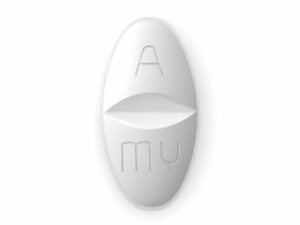
How it’s supplied: Tablets (availability can vary by manufacturer and strength)
2) Mechanism of action (how Aldactone works)
Spironolactone works mainly by blocking the effects of aldosterone, a hormone that helps your kidneys regulate salt (sodium) and water balance. Aldosterone also influences how much potassium your body retains.
- Aldosterone blockade: Spironolactone acts as an antagonist at aldosterone receptors.
- Diuretic effect: It helps your body excrete extra sodium and water, reducing fluid retention.
- Potassium-sparing: Unlike many “water tablets,” spironolactone tends to increase potassium levels (or at least reduce the risk of potassium loss) because it reduces aldosterone-driven potassium excretion.
- Hormonal effects: It can also influence androgen-related pathways, which is why it is sometimes used for hormone-related skin conditions under appropriate care.
3) Pharmacokinetics (what happens to the medicine in the body)
Pharmacokinetics describes absorption, distribution, metabolism, and elimination. While individual responses vary, the following points are useful for understanding timing and effects:
- Absorption: Spironolactone is absorbed after oral dosing.
- Metabolism: It is extensively metabolised in the liver to active metabolites (including canrenone).
- Onset: Diuretic effects may begin within hours, but full benefits for fluid retention can take several days.
- Duration: Effects can last longer than the immediate absorption phase due to active metabolites.
- Elimination: Metabolites are eliminated primarily via urine and other routes.
If you’re starting Aldactone or adjusting your dose, it’s normal for early changes (e.g., reduced swelling or improved symptoms) to develop gradually.
4) Typical uses (indications)
In Australia, spironolactone is used for a variety of clinical situations. Your exact suitability depends on your medical history and current medications.
Common indications include:
- Heart failure (certain types): To help manage fluid overload and support treatment regimens where appropriate.
- Hypertension (high blood pressure): In selected cases, often when other strategies are insufficient or for specific patient profiles.
- Fluid retention (oedema/ascites): Particularly when related to conditions like liver disease (as clinically determined).
- Primary hyperaldosteronism: To help reduce aldosterone effects (often as part of management prior to definitive care).
- Polycystic ovary syndrome (PCOS) and androgen-related conditions: Sometimes considered for acne or hirsutism under appropriate assessment.
- Off-label use for some dermatologic/hormonal concerns: Some people use it for acne/hormonal symptoms based on clinician assessment.
5) How and when to take Aldactone (timing and consistency)
Consistency matters with many medicines that affect salt and fluid balance. Always follow the dosing instructions provided with your medication and any clinician guidance. If you miss a dose, use the general “missed dose” principles on the product information and contact a pharmacist if unsure.
Practical timing tips
- Take at the same time daily: This can help maintain steadier blood levels.
- With food or after meals: Many people find taking tablets with meals reduces stomach upset (see food interactions below).
- Evening dosing: Because it can affect urination, some people prefer taking it earlier in the day (often morning), especially when starting treatment. If your prescriber recommends split dosing, they may suggest a morning/evening schedule.
- Monitor response: Swelling and blood pressure effects may take days. Keep track of symptoms and daily weight if relevant.
6) Food interactions and lifestyle considerations
Spironolactone has few direct “food-drug” interactions in the way some antibiotics do, but your dietary potassium and salt intake matter a lot.
Key nutrition points
- Do not use salt substitutes freely: Many salt substitutes contain potassium. Because spironolactone can raise potassium, salt substitutes may increase the risk of high potassium.
- Be cautious with very high-potassium diets: Examples can include large amounts of bananas, orange juice, dried fruit, or “high potassium” meal replacements. Don’t make major dietary changes without advice.
- Fluid balance: Follow any fluid advice you receive, especially if you have heart failure or kidney issues.
- Alcohol intake: See alcohol section below.
Taking with food
Taking spironolactone with food may improve tolerance for some people. If your tablet causes nausea or stomach discomfort, try taking it with a meal.
7) Alcohol and medicine interactions
Alcohol doesn’t typically have a single universal “spironolactone interaction,” but it can affect blood pressure, hydration, and liver function— which can indirectly change safety.
General guidance
- Blood pressure effects: Alcohol may lower blood pressure and can worsen dizziness or light-headedness—particularly if you already feel unsteady.
- Dehydration risk: Alcohol can contribute to dehydration in some people, which may affect kidney function.
- Liver considerations: If you have liver-related fluid retention, alcohol may worsen underlying liver problems.
If you’re unsure how alcohol affects your situation, ask a pharmacist or clinician. Using it in moderation and staying hydrated is often advised, but personal risk varies.
8) Dosing and administration (what dosing usually looks like)
Dosing depends on the condition being treated, kidney function, potassium levels, and other medicines. Common dose patterns include:
| Condition (examples) | Typical approach (general) | Key monitoring considerations |
|---|---|---|
| Heart failure / fluid retention | Often started at a lower dose and adjusted gradually based on response. | Potassium and kidney function (eGFR/creatinine), blood pressure, symptoms (oedema, breathlessness). |
| Hypertension | May be used alone or with other blood pressure medicines; titration is common. | Blood pressure, electrolytes, especially potassium. |
| Oedema/ascites (selected conditions) | May be adjusted to achieve desired fluid control while avoiding excessive dehydration. | Weight changes, blood pressure, potassium, kidney function. |
| Hormone-related conditions (e.g., androgenic acne/hirsutism) | Usually a stabilisation period is needed; response may take weeks. | Potassium (still important), menstrual/hormonal effects as relevant. |
Important: The information above is educational and cannot replace the exact dose plan for your health. Your doctor or pharmacist will consider your kidney function and potassium level before deciding on dose and frequency.
When dose adjustments are most likely
- After blood test results (potassium and kidney markers) come back
- When symptoms change (e.g., swelling decreases or blood pressure drops)
- When interacting medicines are added or stopped
- During illness (e.g., vomiting or diarrhoea) affecting hydration and kidney function
9) Safety profile and warnings
Aldactone (spironolactone) is generally well tolerated when used appropriately, but it has important safety considerations—especially around potassium and kidney function.
Major safety risks
- High potassium (hyperkalaemia): This is one of the most significant risks. Symptoms can include muscle weakness, unusual fatigue, tingling sensations, or heart rhythm changes (in severe cases). Risk is higher if you have kidney impairment or take certain interacting medications.
- Kidney function changes: Dehydration or illness can affect kidney handling of electrolytes.
- Low blood pressure / dizziness: Especially at start or when combined with other blood pressure medicines.
- Hormonal side effects: In some people, spironolactone can cause breast tenderness or enlargement, and can affect libido.
Common side effects
- Increased urination (especially at the beginning)
- Stomach upset, nausea
- Dizziness or light-headedness
- Headache
- Breast tenderness
- Menstrual changes
Seek urgent help if you experience
- Fainting, severe dizziness, or chest pain
- Palpitations or an irregular heartbeat
- Severe weakness or symptoms suggestive of dangerously high potassium
- Severe allergic reactions such as swelling of the face/lips or difficulty breathing
Who needs extra caution
- People with kidney disease
- People with a history of high potassium
- Older adults, particularly if they are more prone to dehydration or have multiple medicines
- People taking medicines that affect potassium or kidney function
- People with liver-related fluid retention and co-existing health conditions
10) Practical use tips (how to take it safely day-to-day)
The best results with spironolactone usually come from a combination of correct dosing, consistent timing, and appropriate monitoring.
Monitoring and check-ups
- Blood tests: Your clinician may check potassium and kidney function before starting and periodically during treatment. Follow their schedule.
- Blood pressure: If you are treating hypertension or have heart failure, monitor symptoms and, if advised, home blood pressure.
- Track weight if relevant: In fluid retention, daily weight trends can help indicate response and guide adjustments with clinician advice.
Medication management
- Review all medicines: Include over-the-counter medicines and supplements.
- Avoid potassium supplements unless advised: Only take additional potassium if your clinician recommends it.
- Be careful with “electrolyte drinks”: Some contain potassium and may increase risk.
During illness (sick-day approach)
If you have vomiting or diarrhoea, you may become dehydrated, which can affect kidney function and potassium balance. If you become acutely unwell, contact a pharmacist or clinician for advice on whether you should continue your regular medicines.
11) Medicine interactions (including alcohol where relevant)
Interactions are especially important with spironolactone because of the risk of elevated potassium and changes in kidney function. Always provide your pharmacist with a complete list of medicines.
Common interaction categories
- Other potassium-raising medicines: Such as potassium supplements or some salt substitutes (often contain potassium).
- ACE inhibitors / ARBs: Used for blood pressure and heart conditions can also raise potassium.
- Other diuretics: Depending on the type, risk of electrolyte changes differs (some increase potassium, some lower it).
- Non-steroidal anti-inflammatory drugs (NSAIDs): e.g., ibuprofen, naproxen—can affect kidneys in some circumstances, potentially increasing risk of kidney-related electrolyte problems when combined with diuretics.
- Heparin (certain forms): Some blood thinners can raise potassium.
- Trimethoprim-containing medicines: Can raise potassium.
- Digoxin (if used): Electrolyte shifts may affect safety.
Herbal and “natural” products
Some herbal products and supplements may influence kidney function or potassium balance. Bring a list of supplements to your pharmacist for checking.
12) Alternative options (what else may be considered)
Alternatives depend on why spironolactone has been recommended. Options may include other diuretics, different blood pressure medicines, or other treatments for hormone-related skin symptoms.
Possible alternatives (depending on condition)
- For fluid retention and diuresis: Other classes of diuretics may be used, sometimes with different electrolyte effects.
- For blood pressure: Common alternatives include ACE inhibitors, ARBs, calcium channel blockers, and thiazide-type diuretics, selected based on your overall risk profile.
- For hormone-related acne/hirsutism: Alternative hormonal strategies or topical treatments may be options depending on your assessment.
Don’t switch or stop spironolactone without advice—dose changes can affect fluid balance and electrolyte safety.
13) Market and legal context for Australia (what to expect)
In Australia, medicines are classified according to regulatory requirements. Many products containing spironolactone are dispensed under Australian medicines rules. Availability can vary by strength and brand. Online pharmacies typically guide you through purchasing requirements and may provide counselling prompts based on your medication profile.
In general, regulatory processes aim to support safe supply, including screening for suitability, checking interactions, and ensuring appropriate patient information.
Recent guidance and monitoring trends (general)
Over recent years, clinical practice has emphasised:
- Electrolyte monitoring: Particularly potassium and kidney function for people at higher risk.
- Safer prescribing with combination therapy: Ensuring careful review when spironolactone is used alongside other potassium-affecting medicines.
- Patient education: Encouraging adherence and recognition of warning symptoms (e.g., dizziness, palpitations, weakness).
Your pharmacist can help interpret monitoring schedules and explain what each blood test means in practical terms.
14) Delivery and availability in Australia
Online pharmacies may deliver Aldactone to eligible locations across Australia depending on stock status and courier coverage. Delivery times can vary based on region, the time of day an order is placed, and whether the specific strength is in stock.
What to check when ordering
- Strength and pack size: Confirm the mg strength before paying.
- Stock status: Some strengths or brands may have variable supply.
- Cold chain: Generally not required for tablets, but check the product page for any special instructions.
- Delivery estimates: Look for an estimated delivery window at checkout.
If you’re travelling or need ongoing treatment, consider allowing extra time for delivery and ensure you don’t run out.
15) FAQ about Aldactone (Spironolactone)
How quickly will Aldactone work?
Some people notice changes within the first day, particularly for fluid-related symptoms. However, full effects on fluid retention or blood pressure can take several days, especially after dose changes.
Will Aldactone make me pee more?
It can. Increased urination is more noticeable when starting or after dose increases. If it disrupts your sleep, you may ask a pharmacist about whether morning dosing is more suitable for you.
Why do I need blood tests while taking Aldactone?
Because spironolactone can raise potassium and may affect kidney function in some people, blood tests help ensure levels remain safe and guide dose adjustments.
Can I take ibuprofen or other pain relief with Aldactone?
NSAIDs like ibuprofen may increase kidney-related risk in some situations when used with diuretics. Speak with a pharmacist about safer options for pain relief based on your health conditions and other medicines.
What foods should I avoid?
Avoid using potassium-containing salt substitutes unless your clinician has specifically advised it. If you eat a very high-potassium diet, discuss it with a pharmacist—especially if you have kidney problems.
Is it okay to drink alcohol?
Many people can drink alcohol in moderation, but alcohol may worsen dizziness or affect hydration and liver function. If you have heart failure, liver issues, or feel light-headed, it’s wise to limit alcohol and seek advice.
What should I do if I miss a dose?
Take it as soon as you remember if it’s close to the scheduled time. If it’s nearly time for the next dose, skip the missed dose and continue as normal. If you’re unsure, ask a pharmacist for guidance.
Can Aldactone cause hormonal side effects?
Yes, spironolactone can cause breast tenderness or changes, and can affect menstrual patterns and libido in some individuals. Tell your clinician if side effects are bothersome or persistent.
When should I seek urgent medical help?
Seek urgent help for symptoms like fainting, severe dizziness, chest pain, palpitations, or signs of dangerously high potassium (e.g., severe weakness, marked tingling, or unusual muscle symptoms).
Are there people who should not take spironolactone?
Suitability depends on your condition and risk factors, especially kidney function and potassium levels. Your pharmacist can help you check whether spironolactone is likely to be safe for you based on your medicines and health history.
Bottom line
Aldactone (spironolactone) is a potassium-sparing diuretic that blocks aldosterone to support fluid balance and treat conditions such as heart failure, certain types of fluid retention, and some hormone-related problems. Because it can raise potassium and affect kidney function, safe use relies on the right dose, consistent timing, avoiding potassium-containing supplements without advice, and following recommended blood test monitoring.
For the safest experience, review your full medication list with a pharmacist, ask about monitoring schedules, and contact a healthcare professional if you develop warning symptoms or become acutely unwell.