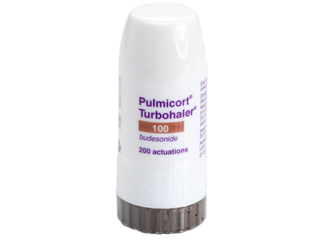
Pulmicort (Budesonide) – Patient Information (Australia)
Pulmicort contains budesonide, a corticosteroid medicine used to reduce inflammation in the airways and help control asthma and other breathing conditions. It works by lowering swelling and irritation in the lungs, helping you breathe more comfortably and reducing the risk of flare-ups.
This guide is written for patients in Australia. It explains what Pulmicort is, how it works, how it is typically used, and what to consider for safety and interactions.
Quick overview
| Topic | Summary |
|---|---|
| Active ingredient | Budesonide |
| Medicine class | Inhaled corticosteroid (ICS) / corticosteroid |
| Main role | Reduces airway inflammation |
| Common forms | Inhalation (via inhaler), and budesonide nebuliser products (depending on brand/strength) |
| Typical use | Long-term control of asthma; sometimes used for other inflammatory airway conditions |
| Onset | Some improvement can be noticed within days; maximum benefit may take 1–2 weeks (or longer for some patients) |
| Key practical tip | Rinse your mouth after inhaling to reduce thrush risk |
Basic product information
Pulmicort (budesonide) is a corticosteroid that targets inflammation in the lungs. It is commonly used for asthma control and may be prescribed as part of an asthma action plan.
Important note: Pulmicort comes in different presentations (for example, inhalers or nebuliser solutions) and strengths. Always use the exact device and dose instructed for your product.
How Pulmicort works (mechanism of action)
Budesonide is a corticosteroid. When inhaled, it reduces inflammation directly in the airways. It helps:
- Decrease airway swelling and irritation
- Lower mucus production that can block airflow
- Reduce inflammatory cell activity involved in asthma flare-ups
- Improve airway responsiveness over time
Because it targets the underlying inflammation, Pulmicort is intended for control rather than immediate relief of acute attacks.
Pharmacokinetics (how the medicine moves through the body)
Understanding pharmacokinetics helps explain why inhaled budesonide is effective and generally well-tolerated.
- Absorption: After inhalation, budesonide deposits in the lungs and is absorbed through lung tissue and, to some extent, swallowed and absorbed via the gut.
- Distribution: Budesonide distributes into tissues; it binds to plasma proteins.
- Metabolism: Budesonide is extensively metabolised mainly in the liver (by CYP enzymes). This helps limit systemic exposure compared with some other corticosteroids.
- Elimination: Metabolites are eliminated primarily through the kidneys and urine.
- Systemic effects: With correct inhaler technique and mouth rinsing, systemic side effects are typically lower than with oral steroids, although long-term high doses can still cause effects in some people.
Practical takeaway: Inhaled budesonide acts mostly where it is needed—inside the lungs—while being broken down by the body after absorption.
What Pulmicort is used for (indications)
Pulmicort is used to treat or prevent symptoms related to airway inflammation, including:
- Asthma – for long-term control to reduce frequency and severity of symptoms and flare-ups
- Other inflammatory airway conditions – depending on the product and local clinical guidance (for example, some nebulised budesonide uses in specialist contexts)
Whether Pulmicort is appropriate depends on your age, symptoms, previous treatments, and how severe your asthma (or other condition) is.
When and how to take it (timing and routine)
Pulmicort works best when used consistently. It is usually taken as a scheduled dose, even when you feel well.
- Timing: Many patients use it once or twice daily, depending on the prescribed regimen and product form.
- Consistency: Try to take each dose at similar times each day.
- Missed dose: If you miss a dose, take it when you remember unless it is near the time of the next dose. Do not double up unless your clinician has advised it.
- Maximum benefit: While some improvement may be noticed within days, the full anti-inflammatory effect may take 1–2 weeks (sometimes longer).
Not for immediate relief: Pulmicort is not a substitute for a reliever (often a blue inhaler, such as a short-acting beta agonist) during sudden symptoms or an asthma attack.
Dosing (general guidance)
Dosing varies by:
- The specific product (inhaler vs nebuliser)
- Your age
- Asthma severity and symptom control
- Other medicines you may be taking
Follow the dosing instructions provided with your exact Pulmicort product. Do not switch between devices or strengths without checking with your pharmacist or doctor.
Common dosing patterns (general):
- Adults and adolescents: Often once or twice daily depending on control needs and the chosen strength
- Children: Doses may differ and are age- and formulation-dependent
If you want, tell us the exact product name and strength you have (for example, the strength printed on the box), and we can help explain typical usage patterns for that specific presentation.
Food interactions
Because Pulmicort is inhaled, food interactions are usually minimal. There is generally no specific requirement to take it with or without food.
- After inhalation: It is still recommended to rinse your mouth and spit after each dose to help prevent throat irritation and oral thrush.
- Swallowed residue: Some medication may be swallowed after inhalation; this usually does not require dietary changes.
Tip: If you find your dose causes a bitter taste or throat discomfort, rinsing and a drink of water after your dose may help.
Alcohol and medicine interactions
Most of the time, moderate alcohol intake does not directly “interact” with budesonide. However, interactions can occur through other medicines and through effects on liver enzymes.
Alcohol
- Alcohol and inhaled budesonide: No specific alcohol contraindication is commonly expected for inhaled budesonide.
- Asthma considerations: Alcohol can trigger symptoms in some people, especially if you have asthma sensitivity, reflux, or underlying triggers.
Medicine interactions (important)
Budesonide is metabolised by liver enzymes (CYP450, particularly CYP3A4). Medicines that affect these enzymes may change budesonide exposure.
- Strong CYP3A4 inhibitors (can increase budesonide levels): examples may include some antifungals (e.g., ketoconazole) and certain antibiotics (e.g., clarithromycin). This can increase the risk of steroid-related side effects.
- Moderate inhibitors may also increase levels in some cases.
- Other asthma medicines: Using Pulmicort alongside relievers and, if required, long-acting bronchodilators is common. Your clinician will balance benefits and risks.
Always tell your pharmacist about all medicines you take, including:
- Tablets and inhalers
- Herbal products and supplements
- Recent courses of antibiotics/antifungals
If you start a new medicine (especially an antifungal or antibiotic), check whether your budesonide dose needs review.
Safety profile and side effects
Like all medicines, Pulmicort can cause side effects. Most are mild and related to local effects in the mouth/throat, especially if mouth rinsing is missed.
Common side effects
- Hoarseness or voice changes
- Sore throat or irritation
- Oral thrush (oral candidiasis) – more likely if you don’t rinse your mouth
- Cough after inhalation
- Headache in some patients
Less common but important side effects
- Wheezing or breathing difficulty immediately after inhalation (could indicate technique/device issues or hypersensitivity)
- Systemic corticosteroid effects at higher doses or with prolonged use (for example, reduced bone density, cataracts, growth effects in children, adrenal suppression—rare when used at appropriate inhaled doses, but risk rises with high exposure)
Seek urgent medical help if
- You develop severe allergic symptoms (swelling of the face/lips, difficulty breathing, rash)
- Your breathing rapidly worsens despite your asthma plan
- You have signs of serious infection (high fever, severe illness) or persistent thrush that doesn’t improve
How to reduce side effects
- Use correct inhaler/nebuliser technique
- Rinse and spit after each dose
- Use the lowest effective dose for good control
- Have your inhaler technique checked regularly
Practical use tips (getting the most from Pulmicort)
1) Use the correct technique
Technique strongly affects lung deposition and how much medicine reaches your airways.
- If you use an inhaler, coordinate actuation with inhalation if required, or use a spacer if recommended.
- If you use a nebuliser, ensure correct setup, clean parts, and adequate airflow/compounding as directed for your product.
Tip: Ask your pharmacist to demonstrate technique. Many patients improve control with small technique adjustments.
2) Rinse your mouth (very important)
After using Pulmicort:
- Rinse your mouth with water
- Spit the water out
- Do not swallow the rinse water
3) Keep track of your control
To judge whether Pulmicort is working, monitor:
- Daytime symptoms
- Night-time waking due to asthma
- How often you need your reliever
- Exacerbations/flare-ups
4) Never stop suddenly without advice
Stopping an anti-inflammatory controller abruptly can worsen asthma control for some people. Your clinician can guide step-down when appropriate.
5) Manage device hygiene
If using a nebuliser:
- Clean and dry equipment after each use
- Follow product instructions for storage and replacement of parts
- Consider periodic servicing according to manufacturer guidance
Alternative options
If Pulmicort isn’t suitable, there are other treatments depending on your condition, age, and severity.
Alternative inhaled corticosteroids
- Fluticasone
- Beclometasone
- Mometasone
Combination inhalers
Some people require both an inhaled steroid and a long-acting bronchodilator (controller combination). Examples may include:
- Inhaled corticosteroid + long-acting beta agonist (ICS/LABA)
- Other guideline-based combinations depending on patient needs
Reliever medicines
For sudden symptoms, relievers are used separately from Pulmicort.
- Often short-acting bronchodilators (e.g., salbutamol)
Choosing an alternative: The best option depends on your symptom pattern, lung function, device preference, and previous response.
Market and legal context in Australia
In Australia, medicines are regulated under the Therapeutic Goods Administration (TGA). Asthma medicines including inhaled corticosteroids are widely available, but availability, restrictions, and packaging requirements may vary by product type.
In an online pharmacy setting, you may see information about:
- Product listing, strengths, and presentation
- Device compatibility (spacer/nebuliser requirements)
- Clinical guidance and safe use warnings
Always confirm that you are buying the exact Pulmicort presentation and strength you intend to use.
Recent guidance and clinical considerations
Asthma management evolves as evidence improves. In Australia, clinicians commonly follow asthma step-care approaches, emphasising:
- Regular review of control (symptoms, reliever use, exacerbations)
- Inhaler technique check and adherence support
- Step up/step down based on symptom control and risk
- Prevention of steroid side effects through proper mouth rinsing, correct dosing, and lowest effective dose
For budesonide specifically, the emphasis remains on appropriate controller use, correct device technique, and monitoring for local effects like thrush.
Delivery and availability (online pharmacy)
Availability can vary by state, product presentation, and stock levels. When ordering from an Australian online pharmacy, you may typically expect:
- Secure dispatch in protective packaging
- Tracking for delivery where offered
- Clear product labelling with strength and form
- Storage guidance provided on the pack
Storage: Follow the instructions on the carton or leaflet. Many inhaler products should be kept at room temperature; nebuliser solutions and disposables may have specific storage or expiry requirements.
FAQ
1) Is Pulmicort a reliever or a preventer?
Pulmicort is a controller/preventer medicine. It helps reduce inflammation and prevent symptoms over time. It is not designed for immediate relief during an acute asthma attack.
2) How long does it take to work?
Some patients notice improvement within a few days. However, the full anti-inflammatory benefit often takes 1–2 weeks (or longer) of regular use.
3) What should I do if I get thrush?
Symptoms may include white patches in the mouth, soreness, or a persistent bad taste. If you suspect thrush, contact a healthcare professional. Ensure you rinse and spit after each dose. They may recommend antifungal treatment if necessary.
4) Can I stop Pulmicort once I feel better?
Do not stop suddenly unless your clinician advises it. Asthma can worsen when anti-inflammatory therapy is withdrawn. Many people require ongoing treatment, or a gradual step-down plan.
5) Will alcohol affect my Pulmicort?
There is generally no direct alcohol interaction with inhaled budesonide. However, alcohol can worsen asthma symptoms in some people. If you notice a pattern, discuss it with your pharmacist or doctor.
6) Are there important drug interactions?
Yes. Medicines that inhibit liver enzymes (especially CYP3A4) can increase budesonide levels, potentially raising side-effect risk. Tell your pharmacist about all medicines, including antifungals and antibiotics.
7) Do I need to take it with food?
Usually no. Food interactions are typically minimal. Your key routine is mouth rinsing after inhalation.
8) What if I miss a dose?
Take it when you remember, unless it’s close to the next dose. Do not double up unless instructed by a healthcare professional.
9) Is it safe to use in children?
Inhaled budesonide is used in paediatric asthma care when appropriate. Dosing is age- and product-specific. Regular follow-up helps ensure correct dose and to monitor growth and side effects when relevant.
10) How do I know my inhaler technique is correct?
Technique errors are common. Ask a pharmacist or clinician to watch you use your device. Using a spacer (for suitable inhalers) can improve delivery and reduce throat deposition.
Summary
Pulmicort (budesonide) is an inhaled corticosteroid that reduces inflammation in the airways to help control asthma and prevent flare-ups. It is best used as a consistent daily controller medicine, not for sudden symptom relief. Correct technique, consistent use, and rinsing your mouth after each dose are key to effectiveness and reducing side effects such as thrush.
If you have questions about your specific Pulmicort presentation, dosing schedule, or how it fits into your asthma action plan, consult your pharmacist or healthcare professional.