
Advair Diskus (Salmeterol + Fluticasone) — Patient Guide (Australia)
Advair Diskus is a combination inhaler used to help control long-term breathing problems. It contains: salmeterol (a long-acting bronchodilator) and fluticasone (an inhaled corticosteroid). Together, these medicines improve airflow and reduce airway inflammation.
This guide is written to be patient-friendly and focuses on how Advair Diskus works, when and how to use it, what to watch for, and important safety information. Always follow the instructions provided by your healthcare professional.
Quick Product Information
- Medicine: Advair Diskus
- Active ingredients: Salmeterol + Fluticasone
- Type: Inhaled combination therapy for maintenance of asthma/COPD
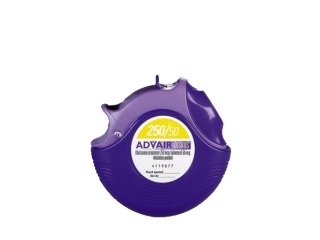
- Device: Breath-actuated dry powder inhaler (Diskus)
- Common purpose: Long-term symptom control and reduced flare-ups (exacerbations)
Note: Advair Diskus is available in different strength combinations. The exact dosing strength you use depends on your condition and clinical plan. Your pharmacist can confirm the strength on your device.
How Advair Diskus Works (Mechanism of Action)
Advair Diskus combines two medicines that target different aspects of airway disease:
- Salmeterol (long-acting beta-2 agonist, LABA): Opens the airways by relaxing smooth muscle in the lungs. This helps relieve breathlessness and wheezing. Because it is long-acting, it provides symptom control over about 12 hours in many patients.
- Fluticasone (inhaled corticosteroid, ICS): Reduces inflammation in the airways. This helps decrease airway swelling and mucus production, which can lower the frequency and severity of asthma symptoms and COPD flare-ups.
Why both matter: In asthma, inflammation and bronchospasm occur together. In COPD, airway inflammation also contributes to symptoms. The combination helps provide both immediate bronchodilation (from salmeterol) and ongoing anti-inflammatory control (from fluticasone).
What It’s Used For (Indications)
Advair Diskus is used for long-term management of:
- Asthma: Maintenance treatment in people who require combination therapy with an inhaled corticosteroid plus a long-acting beta-2 agonist.
- COPD (Chronic Obstructive Pulmonary Disease): Maintenance treatment for airflow limitation in appropriate patients, typically when symptoms persist despite standard therapy.
Your clinician will determine whether Advair Diskus is appropriate based on your diagnosis, symptom pattern, lung function, and past response to inhalers.
Typical Use and Timing
Advair Diskus is generally used as a regular maintenance inhaler rather than for quick relief of sudden symptoms.
- Common dosing schedule: twice daily (roughly morning and evening, about 12 hours apart).
- Consistency is important: For best control, use it every day as directed, even when you feel well.
- Not a rescue inhaler: It usually does not work fast enough for sudden attacks. A separate reliever inhaler (e.g., a short-acting beta-2 agonist) may be prescribed for acute symptoms.
When will I feel better? Some bronchodilation benefits may be noticed sooner, but the anti-inflammatory effect from fluticasone may take days to weeks. If symptoms persist or worsen, contact your healthcare provider rather than increasing doses on your own.
Dosing (General Guidance)
Dosing depends on your condition, severity, and the specific strength available on your Advair Diskus device. Your pharmacist and healthcare professional can confirm the correct strength and number of inhalations per dose.
- Typical regimen: often one inhalation twice daily with a prescribed strength.
- Do not change the prescribed dose: Adjustments should be made only with clinical guidance.
Missed dose: If you miss a dose, take it when you remember unless it is close to the time of your next dose. Avoid taking double doses to make up for a missed one.
How to Use Advair Diskus (Practical Tips)
Advair Diskus is a dry powder inhaler. Good inhaler technique is one of the most important factors for effective treatment. If you’re unsure, ask your pharmacist or clinician to demonstrate.
- Prepare: Open the Diskus by sliding the lever until it clicks.
- Exhale away from the device: Breathe out fully (not into the inhaler).
- Inhale quickly and deeply: Place the mouthpiece to your lips and inhale forcefully.
- Hold breath: Hold your breath for about 10 seconds (or as comfortably as possible).
- Close: Close the Diskus and check the dose counter.
After using it:
- Rinse and spit: After each dose, rinse your mouth with water and spit it out (do not swallow). This helps reduce oral thrush and hoarseness.
- Check technique regularly: If symptoms change, technique is often the first thing to reassess.
Keep track of your supply: The Diskus has a dose counter. Running low can lead to interruptions in control.
Pharmacokinetics (How the Body Handles the Medicines)
Understanding pharmacokinetics can help explain why timing and technique matter. While exact figures may vary between patients and device settings, the general behaviour of the components is as follows:
- Absorption: Fluticasone and salmeterol are delivered to the lungs by inhalation. Most therapeutic effect comes from local action in the airways, not from high systemic levels.
-
Onset and duration:
- Salmeterol: provides bronchodilation over approximately 12 hours, supporting a twice-daily schedule.
- Fluticasone: works more slowly; improvements typically build over days to weeks as inflammation decreases.
- Metabolism: Both components are processed by the liver, primarily via the CYP450 enzyme system (commonly CYP3A4). This is important because interacting medicines can raise drug levels.
- Elimination: Metabolites are excreted mainly through the body’s normal clearance pathways (predominantly via bile and faeces for many corticosteroid metabolites; specific pathways vary).
Because the medicine is inhaled, systemic exposure is lower than with oral corticosteroids, but higher doses and certain drug interactions can still increase risk of side effects.
Food Interactions
Food interactions are generally unlikely with inhaled Advair Diskus because the medicine is absorbed primarily through the lungs. However, general health guidance applies:
- Take your dose at the recommended times; food timing does not usually affect inhaler performance.
- If you experience stomach upset with associated medicines (e.g., other drugs you use alongside Advair Diskus), discuss this with your pharmacist.
Alcohol Interactions
Alcohol is not typically known to directly affect the inhaled components of Advair Diskus. However, alcohol may still indirectly affect breathing and safety:
- Breathing control: Alcohol can worsen sleep-related breathing and may affect coordination—especially if you use other medicines that cause sedation.
- Medication interactions: Some people take antibiotics, antifungals, or other medicines that interact with CYP3A4; alcohol use can also affect the risk profile of those medicines.
If you plan to drink alcohol, keep it moderate and avoid mixing with sedating medicines unless your clinician advises it is safe.
Medicine Interactions (Including Important Warnings)
Some medicines can increase or decrease Advair Diskus levels or increase side effects. The key interaction concerns relate to:
- CYP3A4 inhibitors: Drugs that inhibit CYP3A4 can increase fluticasone exposure.
- Other beta-agonists: Using multiple bronchodilators may increase effects on the heart rate and potassium levels.
- Electrolyte-impacting medicines: Certain diuretics and systemic steroids may affect potassium, and combined effects can be clinically relevant.
Examples of interaction categories to discuss with your pharmacist:
- Strong CYP3A4 inhibitors (may significantly increase steroid exposure): e.g., some HIV medicines and certain antifungals (specific choices depend on local prescribing).
- Moderate CYP3A4 inhibitors (may still raise risk depending on dose and duration).
- Beta-blockers (including some eye drops) can reduce the effect of salmeterol. If you use a beta-blocker, you should get personalised advice.
- Diuretics (especially “loop” or “thiazide” types) or high-dose systemic steroids may increase the chance of low potassium.
- Other LABAs or frequent short-acting beta-2 agonists can increase side effects and may signal inadequate control—seek review rather than “stacking” inhalers.
Always tell your healthcare provider about all medicines you take, including: prescription medicines, over-the-counter products, herbal supplements, and eye drops.
Safety Profile (What to Watch For)
Like all medicines, Advair Diskus can cause side effects. Many are mild and improve over time, especially with correct inhaler technique. The safety profile includes expected effects from inhaled corticosteroids and beta-agonists.
Common side effects
- Hoarseness or throat irritation
- Sore throat
- Oral thrush (candidiasis) — less likely if you rinse and spit after use
- Headache
- Muscle cramps or mild tremor
Effects that require prompt medical advice
- Worsening breathing or increased need for reliever inhaler
- Chest pain, palpitations, fast or irregular heartbeat
- Severe dizziness or fainting
- Signs of infection (e.g., fever, worsening cough with coloured sputum) that feel beyond your usual pattern
- Allergic reactions such as swelling of the face/lips, hives, or difficulty breathing
Serious but uncommon risks
- Systemic corticosteroid effects (risk rises with higher inhaled doses, prolonged use, or strong interacting medicines). These may include effects on growth in children, bone density, skin thinning, cataracts, or adrenal suppression—your clinician will monitor risk factors.
- Beta-agonist-related effects such as low potassium (particularly with high doses or certain interacting medicines).
- Paradoxical bronchospasm (rare): sudden worsening of wheeze immediately after inhalation.
If you ever experience severe symptoms such as significant breathing difficulty, seek urgent medical care.
Guidance for Asthma and COPD Control (Including Recent-Practice Points)
Modern asthma and COPD management increasingly emphasises:
- Regular controller use for maintenance (not “as needed” only).
- Inhaler technique reviews at routine visits, because technique errors are a common cause of poor control.
- Written action plans for asthma, where appropriate, to guide when to step up treatment and when to seek urgent help.
- Monitoring symptoms and exacerbations: an increasing reliance on reliever medicine often indicates that control is slipping.
For asthma specifically, guidelines in many countries encourage reviewing treatment if asthma remains uncontrolled. Some patients may be switched to alternative strategies depending on severity and risk factors. Your clinician can advise what is most appropriate for you.
Alternative Options
Depending on your diagnosis and severity, there are several other inhaler strategies available in Australia, such as:
- ICS-only inhalers for some asthma patients.
- Other ICS/LABA combinations (different devices and strengths).
- ICS/LABA plus additional bronchodilators in COPD or more complex asthma regimens.
- Nebulised therapies for specific situations (e.g., some patients who cannot use inhalers effectively).
If you’re considering alternatives, ask your pharmacist to compare: device type (Diskus vs metered-dose inhaler vs breath-actuated inhaler), strength options, dosing frequency, and side effect profile.
Australia: Market and Legal Context (Patient-Friendly Overview)
In Australia, inhaled medicines like Advair Diskus are commonly supplied under community pharmacy systems. Availability, brand options, and eligibility can vary. Your pharmacist can advise on:
- Appropriate product strength for your condition
- Substitutions (when allowed) and how to ensure you receive the correct inhaler
- How to order refills to avoid treatment interruption
Pharmacy supply is regulated and varies by product classification and local prescribing policies. If you have questions about eligibility, supply timing, or repeat schedules, speak with your pharmacist.
Recent practical guidance themes you may hear from Australian clinicians include:
- Ensure correct inhaler technique.
- Use the controller inhaler regularly for control.
- Seek prompt medical review when symptoms worsen or you need reliever more often.
- Review risk factors for medication side effects, including drug interactions.
Delivery and Availability
Online pharmacies in Australia typically aim to provide safe and timely delivery of eligible medicines. Availability may depend on stock levels and the specific strength/pack size you need.
- Check strength and pack details: Advair Diskus comes in different inhaler strengths.
- Ordering considerations: Plan ahead for refills so you do not run out.
- Delivery timeframes: Delivery speed depends on your location and the pharmacy’s dispatch schedule.
- Packaging: Medicines are usually delivered in tamper-evident packaging.
If you need your inhaler sooner due to worsening symptoms, contact the pharmacy support team to ask about dispatch priorities.
Comparing Strengths (Example Overview)
The exact strength numbers on Advair Diskus vary by product. Below is an example template of what you might see on the label. Use this section to understand how to verify you received the correct strength.
| What to check on the box/device | Why it matters |
|---|---|
| Fluticasone strength (ICS) | Helps determine the anti-inflammatory dose (important for control and side-effect risk). |
| Salmeterol strength (LABA) | Helps determine bronchodilation coverage and dosing suitability. |
| Dosing instructions (e.g., “1 inhalation twice daily”) | Ensures you take it at the correct frequency for maintenance control. |
| Dose counter | Helps track remaining doses to avoid running out. |
Food, Alcohol, and Lifestyle Notes
Food
- Food is generally not expected to change inhaler effectiveness significantly.
- Rinse and spit after using fluticasone to reduce mouth side effects.
Alcohol
- Alcohol is usually not a direct interaction with inhaled salmeterol/fluticasone.
- If you drink alcohol, be mindful of overall breathing health and other medicines that can cause drowsiness or interact with your treatment plan.
Lifestyle tips
- Smoking cessation: If you smoke, quitting is one of the most effective steps for improving COPD and asthma control.
- Trigger management: Avoid known triggers (dust, pollen, smoke, strong fragrances) where possible.
- Vaccinations: Discuss flu and pneumococcal vaccination with your healthcare provider, especially for COPD.
FAQ — Advair Diskus for Patients (Australia)
1) Is Advair Diskus a reliever or a preventer?
Advair Diskus is a maintenance (preventer/controller) inhaler. It is not typically used for sudden symptom relief. For acute symptoms, you may be prescribed a separate reliever inhaler.
2) Why do I need to take it every day if I feel okay?
Asthma and COPD inflammation can continue even when symptoms are not obvious. Regular controller use helps maintain airway stability and reduce flare-ups.
3) How soon will it start working?
Some improvement from salmeterol may be felt sooner, but the anti-inflammatory benefits of fluticasone often take days to weeks. If you don’t see improvement or symptoms worsen, seek advice.
4) What should I do if my symptoms get worse?
Use your reliever inhaler as directed for acute symptoms and contact your healthcare provider promptly. Increased reliever use can be a sign your maintenance plan needs review.
5) Can I stop Advair Diskus once I’m better?
Do not stop or change your dose without medical advice. Stopping suddenly may lead to loss of control. If step-down is appropriate, it should be supervised by your clinician.
6) How do I prevent thrush?
Rinse your mouth with water and spit it out after every dose. Using a spacer is not applicable to Diskus (it’s a dry powder inhaler), so mouth rinsing is especially important.
7) Are there interactions with other medicines?
Yes. Medicines that affect liver enzymes (especially CYP3A4 inhibitors) can increase fluticasone exposure. Tell your pharmacist about all medicines and supplements you take, including antifungals and HIV medicines.
8) Can I take it with food?
Food is not usually a significant factor for inhaled fluticasone and salmeterol, but take your dose at the times advised for best symptom control.
9) Can I drink alcohol while using Advair Diskus?
Alcohol is not commonly a direct interaction with the inhaled components. However, your overall health, symptom control, and other medicines you use may influence how safe alcohol is for you.
10) What if I miss a dose?
Take it as soon as you remember unless it is almost time for your next dose. Do not take double doses.
When to Seek Urgent Help
Seek urgent medical care if you have severe breathing difficulty, significant chest pain, blue lips/face, or if your reliever inhaler is not helping. These can be signs of a serious asthma/COPD exacerbation or another urgent condition.
Summary
Advair Diskus (salmeterol + fluticasone) combines a long-acting bronchodilator with an inhaled anti-inflammatory corticosteroid. Used regularly, it helps maintain breathing control, reduces inflammation, and can lower the risk of flare-ups in asthma and COPD. For best results, use the inhaler correctly twice daily (or as advised), rinse and spit after each dose, and review your treatment plan promptly if symptoms change.