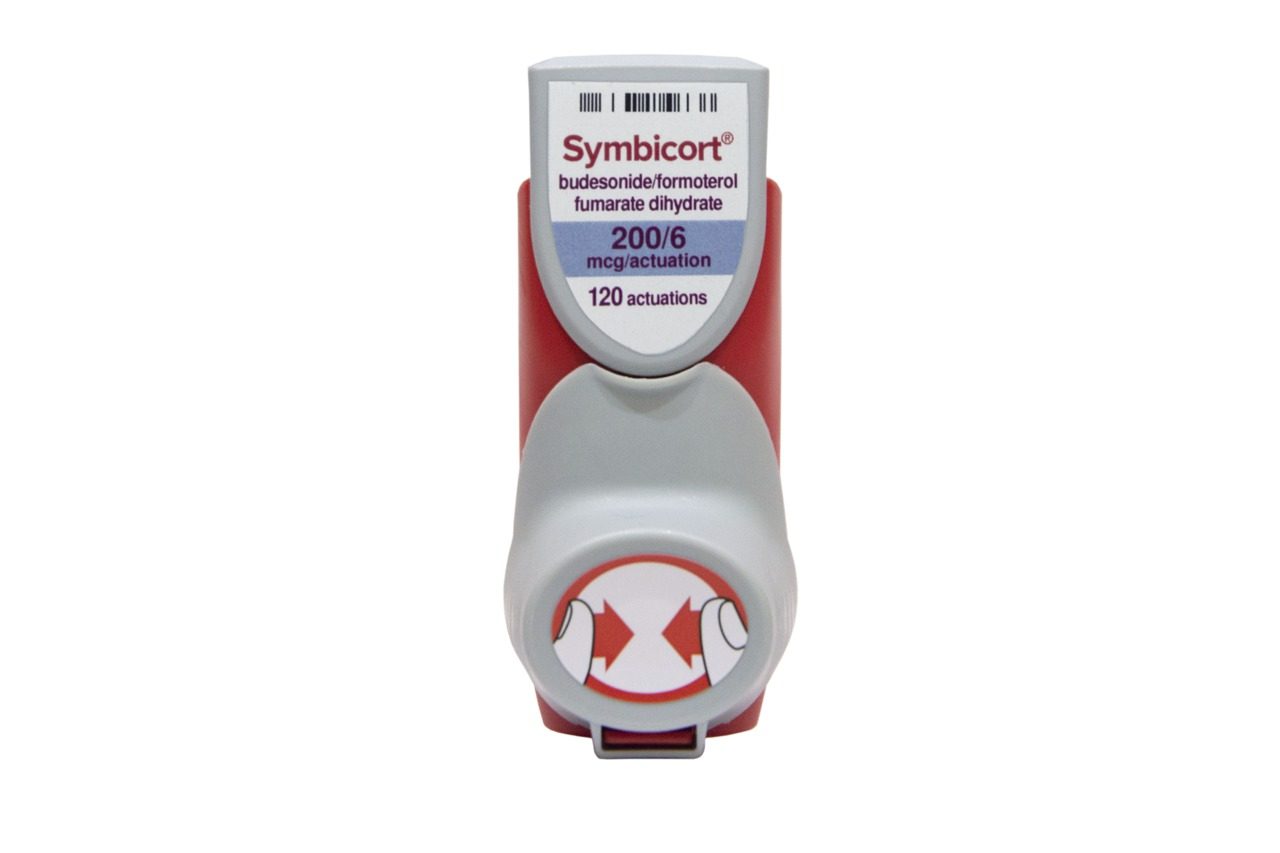
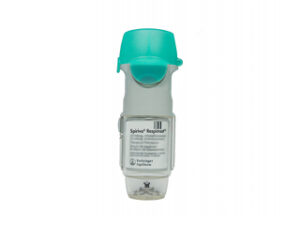
Symbicort (Powder) – Budesonide / Formoterol Fumarate Dihydrate
Symbicort is a combination inhaler containing two medicines: budesonide (a corticosteroid) and formoterol fumarate dihydrate (a fast-acting long-acting beta2-agonist). It is used to help control symptoms of asthma and certain forms of chronic obstructive pulmonary disease (COPD).
This page provides patient-friendly information about how Symbicort works, when and how it is typically used, important safety considerations, and practical tips. Always follow the instructions provided with your product and your healthcare professional’s advice.
Basic product information
| Product name | Active ingredients | Medicine type | Common use |
|---|---|---|---|
| Symbicort (Powder Form) | Budesonide + Formoterol fumarate dihydrate | Inhaled controller (steroid) + bronchodilator (beta2-agonist) | Asthma control and symptom relief; some COPD symptoms |
What the two medicines do together:
- Budesonide reduces inflammation in the airways.
- Formoterol helps open the airways by relaxing smooth muscle, improving airflow.
- Together, they help reduce symptoms, improve breathing, and lower the risk of flare-ups.
How Symbicort works (mechanism of action)
Budesonide (inhaled corticosteroid)
Budesonide is an anti-inflammatory medicine. In asthma and some COPD situations, airway lining becomes swollen and reactive. Budesonide:
- reduces airway inflammation
- helps decrease mucus production linked to inflammation
- reduces airway hyper-responsiveness (tendency to narrow)
Formoterol (long-acting beta2-agonist)
Formoterol stimulates beta2 receptors in airway smooth muscle, leading to:
- bronchodilation (airways widen)
- improved airflow and reduced breathing difficulty
- relief from symptoms such as wheeze, coughing, and tightness in the chest
Important: Although formoterol can act quickly, budesonide’s anti-inflammatory benefits develop over time. Regular use as directed is crucial for long-term control.
Pharmacokinetics (how the body handles the medicines)
Because Symbicort is inhaled, much of the medicine is deposited in the lungs, with some swallowed after inhalation.
- Absorption: Inhaled budesonide and formoterol are absorbed through the lungs. Swallowed drug may also be absorbed from the gastrointestinal tract.
- Distribution: Both components distribute into tissues; they are protein-bound (particularly in the blood).
- Metabolism: Budesonide is primarily metabolised in the liver (via CYP enzymes). Formoterol also undergoes metabolism, mainly through hepatic pathways.
- Excretion: Metabolites are removed mainly via the kidneys (urine) and to a lesser extent via bile/faeces.
Clinical relevance: Systemic effects are generally lower with inhaled therapy than with oral corticosteroids, but higher doses, incorrect inhaler technique, or frequent use can increase the chance of side effects.
Typical use and timing
Symbicort is commonly used for:
- Asthma management (for day-to-day control and to reduce risk of flare-ups, depending on the regimen)
- COPD management (in appropriate patients as advised by a clinician)
Timing basics:
- Symbicort is often prescribed as two doses daily for maintenance.
- If your regimen includes using inhalations for symptom relief as well, your plan may differ. Follow your personal instructions.
- Try to take doses at roughly the same times each day for consistent control.
Do not: stop Symbicort suddenly without medical advice, and do not exceed your recommended dose frequency.
Indications (when Symbicort is used)
In Australia, Symbicort is used in clinical practice for conditions such as:
- Asthma – to control persistent asthma and reduce exacerbations in patients who need both an inhaled steroid and a bronchodilator.
- COPD – to help improve breathing and reduce symptoms in selected patients with COPD, particularly when symptoms persist despite other treatments.
Note: Which specific strength and exact regimen is suitable depends on your diagnosis, symptom pattern, lung function, and other medications.
Dosing (general guidance)
Because dosing can vary by the inhaler strength and the treatment plan (including whether a single device is used for both maintenance and symptom relief), your healthcare professional’s instructions are the most important source of dosing information.
General inhaler use principles
- Use the dose as directed (for example, morning and evening, or other scheduled times).
- If you have been given a written action plan, follow it during flare-ups.
- If you miss a dose, take it when you remember unless it’s close to the next dose—then skip the missed dose and resume your routine.
Correct dose and inhaler strength
Symbicort comes in different strengths (commonly written as micrograms of budesonide and micrograms of formoterol per dose). Your prescribed strength affects how many inhalations you need and how frequently you use it.
Always check the label on your specific product.
Food interactions
In general, Symbicort has minimal food-related interactions because the medication is delivered via the lungs.
- There are usually no specific dietary restrictions when using Symbicort.
- If your dose is swallowed partially after inhalation, this does not usually require special timing with meals.
Tip: Rinse your mouth after use (and spit out) to reduce the risk of mouth/throat irritation and oral thrush.
Alcohol and medicine interactions
Alcohol
There is no universally established direct alcohol-drug interaction specific to Symbicort, but alcohol may affect your asthma/COPD symptoms indirectly by:
- triggering reflux in some people (which can worsen breathing)
- affecting sleep quality and adherence to treatment
- increasing risk of dehydration or poor symptom control in some circumstances
If you choose to drink alcohol, consider moderating intake and monitor your breathing. Seek medical advice if you notice symptom worsening after alcohol.
Common medicine interactions to be aware of
Certain medicines may interact with either budesonide or formoterol. Tell your healthcare professional about all medicines you use, including over-the-counter products and herbal supplements.
- Beta-blockers (including some eye drops): can reduce the effect of formoterol and may worsen breathing in susceptible people.
- CYP3A4 inhibitors: can increase budesonide levels in the body (examples include some antifungals and certain antibiotics). This may increase the chance of steroid-related side effects.
- Other bronchodilators and sympathomimetic medicines: may increase cardiovascular side effects (e.g., palpitations) when used together.
- Diuretics (“water tablets”) and some other medicines that lower potassium: can increase the risk of low potassium, which may be relevant if you use higher doses of beta2-agonists.
- Oral corticosteroids: may increase overall steroid exposure if used frequently during exacerbations.
Do not start or stop interacting medicines without advice. If you are unsure, ask a pharmacist to check interactions for your current medicine list.
Safety profile and side effects
Like all medicines, Symbicort can cause side effects. Many people tolerate it well, especially with correct inhaler technique.
Common side effects
- Throat irritation or hoarseness
- Oral thrush (a fungal infection in the mouth) — risk is reduced by rinsing your mouth after inhaling
- Headache
- Muscle cramps or mild shakiness
- Palpitations (a “fluttering” sensation) in some people
Less common but more serious side effects
Seek medical advice promptly if you experience:
- Severe allergic reaction (swelling of face/lips, rash, difficulty breathing)
- Worsening breathing soon after inhalation (possible paradoxical bronchospasm)
- Significant tremor or chest pain
- Fast or irregular heartbeat that persists
- Symptoms of high steroid exposure if used at higher doses over time (e.g., unusual bruising, slow wound healing)
When to get urgent help
Call emergency services or seek urgent medical care if you have:
- severe breathlessness not improving with your prescribed rescue plan
- blue lips/face, inability to speak in full sentences, or signs of respiratory distress
- severe chest pain or fainting
Long-term safety considerations
- Inhaled steroids can cause effects such as voice changes and thrush, but these are generally preventable.
- Regular reviews help ensure you’re on the lowest effective dose for your asthma/COPD control.
- People with existing risk factors may require monitoring (e.g., bone health, eye health for cataracts/glaucoma) depending on dose and duration.
Practical use tips (getting the best benefit)
The effectiveness of Symbicort depends heavily on correct inhaler technique and adherence.
Step-by-step technique reminders (general guidance)
- Check your inhaler type: Symbicort powder inhalers require a specific technique to load a dose and inhale the powder effectively.
- Exhale away from the device before inhaling the dose (so you don’t blow moisture into the mechanism).
- Inhale strongly and steadily through the mouth to draw the powder into your lungs.
- Hold your breath briefly (if you can) to allow deposition in the airways.
- Close/lock the device as instructed and store it properly.
Tip: If you’re not sure you’re using the inhaler correctly, ask a pharmacist or nurse to observe your technique. This can significantly improve outcomes.
Aftercare to reduce side effects
- Rinse your mouth with water after each dose and spit it out.
- If you use a spacer (if applicable to your specific device and regimen—some dry powder inhalers are not used with spacers), follow product instructions.
Symptom tracking and adherence
- Keep track of how often you need symptom relief (if your plan includes additional doses for symptoms).
- If you frequently need more relief than expected, your asthma/COPD may not be fully controlled.
- Regular asthma reviews and COPD reviews are important to adjust therapy safely.
When Symbicort may not be enough
Symbicort is designed for control and prevention of flare-ups, not for every type of emergency. In some cases, your action plan may include other medicines.
- If symptoms suddenly worsen, use your prescribed plan and seek medical advice if not improving.
- Don’t delay care if you are experiencing severe symptoms.
Alternative options (what else may be used)
Depending on your diagnosis, severity, and individual risk factors, alternatives may include:
- Other inhaled corticosteroids (ICS) alone (for selected asthma patients).
- ICS/LABA combinations (other steroid + long-acting bronchodilator options).
- Other bronchodilators for COPD (e.g., LAMA or LABA combinations).
- Leukotriene receptor antagonists (some asthma patients).
- Biologic therapies in severe asthma with specific biomarkers (specialist-led).
Your pharmacist or clinician can help match the most suitable option based on your response and preferences, including inhaler device type (dry powder vs metered dose) and dosing frequency.
Market and legal context for Australia
In Australia, inhaled medicines for asthma and COPD are supplied under established regulatory standards and clinical guidelines. Symbicort is an inhaled product widely used in healthcare settings, and patients are supported by:
- National and international clinical guidance adapted for Australian practice
- Pharmacist-led support for inhaler technique and adherence
- Regulatory medicine quality standards overseen by Australian authorities
How guidance is typically applied: Clinicians generally aim for the lowest effective dose, regular review, and a written action plan for asthma where appropriate.
Recent guidance (general overview)
Across many countries (including Australia), recent asthma and COPD guidance trends emphasise:
- Using inhaled corticosteroids consistently to reduce exacerbations
- Regular review of symptoms, inhaler technique, and adherence
- Stepping therapy up or down based on control (not on day-to-day fluctuation alone)
- Reducing over-reliance on symptom-only therapy and focusing on long-term control
Symbicort’s dual-action nature (anti-inflammatory + bronchodilator) aligns with these principles. Your clinician may adjust the regimen based on your symptom pattern and risk of flare-ups.
Delivery and availability
Symbicort (Powder) availability can vary by strength and pack size. When ordering online in Australia, delivery timelines depend on stock status and your location.
- Availability: Common strengths may be readily stocked; if a specific strength is not available, you may see an estimated restock time.
- Delivery: Standard delivery times and courier options are typically shown during checkout.
- Cold chain: Usually not required for inhaler powders, but storage requirements on the pack should be followed.
Storage: Keep the inhaler as directed on the packaging (typically at room temperature and protected from moisture). Do not use after the expiry date.
FAQ
1) Is Symbicort a “reliever” or a “preventer”?
Symbicort is both: it contains a controller (budesonide) and a bronchodilator (formoterol) that can provide symptom relief. The exact way it’s used (maintenance only vs maintenance plus relief) depends on the regimen prescribed for you.
2) How quickly does Symbicort work?
Formoterol can begin working relatively quickly to ease breathing. However, the full benefits of budesonide in reducing inflammation generally build over days to weeks with regular use.
3) Should I rinse my mouth after using Symbicort?
Yes. Rinse your mouth with water and spit it out after each dose to reduce the risk of oral thrush and hoarseness.
4) Can I use Symbicort if I’m feeling short of breath right now?
Use Symbicort exactly as instructed in your treatment plan. If your plan includes using it for symptoms, follow the stated instructions. If you have an emergency rescue plan, use it as directed. Seek urgent care if symptoms are severe or not improving.
5) What if I miss a dose?
If you miss a dose, take it when you remember unless it is close to the next dose. Then skip the missed dose and resume your usual schedule. Do not double up unless your clinician has told you to.
6) Are there foods or drinks I should avoid?
There are typically no special food restrictions with Symbicort. If alcohol worsens your asthma/COPD symptoms for you personally, consider limiting intake and monitoring symptoms.
7) Can I take other medicines alongside Symbicort?
Many medicines can be taken safely with Symbicort, but interactions can occur—especially with certain heart medicines (beta-blockers), some antifungals/antibiotics (CYP-related medicines), and medicines that affect potassium. Check with a pharmacist if you have any concerns.
8) What are signs that I need medical review?
Arrange a review if you:
- notice symptoms more often
- need extra symptom relief frequently (if part of your plan)
- wake at night due to breathing problems
- have increasing use of inhalers due to worsening control
9) Is Symbicort suitable for everyone with asthma or COPD?
Not necessarily. Suitability depends on your diagnosis, severity, previous treatment response, other medical conditions, and your inhaler technique. Your clinician will choose the most appropriate option and dosing strength.
10) How can I prevent side effects?
Common strategies include correct inhaler technique, rinsing your mouth after use, using the lowest effective dose, and having regular medicine reviews.
Disclaimer: This information is general and designed to support patient understanding. It does not replace the advice of a healthcare professional. If you have questions about your specific dosing regimen or side effects, please consult a pharmacist or clinician.