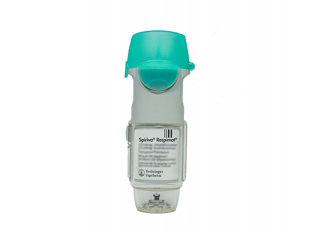
Spiriva (Tiotropium Bromide) – Patient-Friendly Guide (Australia)
Spiriva is a long-acting inhaled medicine containing tiotropium bromide. It belongs to a group of medicines called antimuscarinics (also known as anticholinergic bronchodilators). Spiriva is used to help keep the airways open and make breathing easier for people with chronic lung conditions.
This guide explains how Spiriva works, how it’s typically used, what to expect, and important safety information. It is written for people in Australia and focuses on practical use and common questions found in community pharmacies.
Quick product information
| Category | Details |
|---|---|
| Medicine | Spiriva (tiotropium bromide) |
| Type | Inhaled long-acting antimuscarinic bronchodilator (LAMA) |
| Main use | Chronic obstructive pulmonary disease (COPD). Some Spiriva formulations may also be used in asthma under specific circumstances. |
| How it’s taken | By inhalation using the specific device provided with the product |
| Typical dosing frequency | Usually once daily (depending on the exact product/strength) |
| Onset | Breathing improvement is usually noticed within minutes, with fuller benefit over regular use |
| Key benefit | Helps prevent symptoms and reduce airflow limitation over time |
How Spiriva works (mechanism of action)
Tiotropium is an antimuscarinic medicine. In the lungs, natural signals (mainly muscarinic receptors) help control airway tone. In COPD and some other chronic airway diseases, these signals can contribute to airway narrowing.
Spiriva blocks muscarinic receptors in the airways—especially the M3 receptor—leading to bronchodilation (widening of the airways). Because tiotropium dissociates slowly from the receptor, its effects can last for around 24 hours with once-daily use.
- Bronchodilation: relaxes airway muscles
- Reduced air trapping: can improve breathing and exercise tolerance
- Symptom control: helps reduce daily breathlessness and maintenance symptoms
Pharmacokinetics (how the body handles it)
When you inhale tiotropium, it is delivered directly to the lungs. A portion reaches systemic circulation, but overall exposure is lower than with oral medicines.
- Absorption: Inhaled tiotropium acts mainly in the lungs; absorption into the bloodstream occurs after deposition in the airways.
- Distribution: Tiotropium is distributed throughout the body; it binds to muscarinic receptors.
- Metabolism: Tiotropium is not extensively metabolised. A major pathway involves enzymatic processing to metabolites.
- Elimination: Tiotropium is mainly eliminated via the kidneys. This is important for people with reduced kidney function.
- Half-life: The apparent half-life is long enough to support once-daily dosing.
Why this matters: If you have kidney problems, your prescriber may choose a careful approach and monitor you for side effects.
What Spiriva is used for (indications)
In Australia, Spiriva is commonly used for:
- COPD (chronic obstructive pulmonary disease): to help prevent symptoms and reduce breathlessness associated with long-term airflow limitation.
- Asthma (in certain patients): some tiotropium products may be used as an add-on inhaled therapy in specific adults/adolescents when symptoms remain uncontrolled on standard treatment. The exact eligibility depends on the product and your clinical assessment.
Important: Spiriva is designed for maintenance (long-term daily control). It is not intended to replace your fast-acting “reliever” inhaler during sudden attacks.
Typical dosing and timing
Spiriva dosing depends on the exact formulation and device you have been given. Many Spiriva products are taken , but always follow the specific instructions included with your device.
Common timing patterns
- Once daily: take it at the same time each day if possible.
- Morning or evening: choose a time you can consistently remember.
- If you miss a dose: take it when you remember unless it’s close to the next dose. Do not take a double dose.
How to take it (practical inhalation tips)
Proper inhaler technique is crucial. Incorrect technique can reduce how much medicine reaches your lungs.
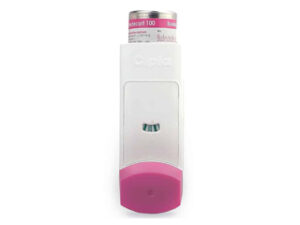
- Use the correct device: Spiriva comes in different inhaler formats. Do not substitute devices.
- Follow step-by-step instructions from the product leaflet.
- Breathe out fully first (away from the inhaler), then seal your mouthpiece and inhale as instructed.
- Inhale steadily so the powder/aerosol is delivered effectively.
- Hold your breath for the recommended seconds (if your leaflet advises), then breathe out slowly.
- Rinse and spit if advised for your device/product (for many inhaled medicines this reduces throat irritation).
Tip: Many people benefit from having a pharmacist or clinician check inhaler technique—sometimes even small adjustments make a big difference.
Food interactions
Because Spiriva is administered by inhalation, food interactions are generally not expected to be significant. Unlike oral medicines, inhaled tiotropium largely acts locally in the lungs.
- With or without food: you can usually take Spiriva without regard to meals.
- However: if you experience nausea, throat irritation, or coughing around dosing time, try taking it at a time when you are comfortable and not immediately after heavy meals.
If you’re unsure, check the product information for your specific Spiriva inhaler and speak with a pharmacist.
Alcohol and medicine interactions
Alcohol does not typically have a direct pharmacological interaction with tiotropium. However, alcohol can worsen breathing for some people and may affect dehydration, sleep, or symptom perception.
- General advice: moderate alcohol and avoid drinking during periods when your breathing is unstable.
- Be cautious if alcohol triggers coughing or breathlessness for you.
Other medicines interactions (most relevant)
Some interactions are related to anticholinergic effects or to the presence of similar “same class” medicines.
- Other antimuscarinics (including inhaled LAMAs): using multiple antimuscarinic bronchodilators together may increase side effects (e.g., dry mouth, constipation, urinary retention). Your treatment plan should avoid unnecessary duplication.
- Other medicines with anticholinergic properties (for example, some allergy medications, older medicines for bladder issues, or certain sleep/anxiety medicines): may increase the chance of anticholinergic side effects.
- Glaucoma considerations: if you have narrow-angle glaucoma, talk to your clinician—anticholinergic medicines can rarely worsen eye conditions if mist reaches the eyes.
- Urinary retention risk: if you have prostate enlargement or difficulty urinating, discuss your risk—tiotropium may rarely contribute to urinary symptoms.
Always tell your pharmacist about all medicines you use (including over-the-counter products and herbal supplements) so they can check for compatibility with your COPD/asthma regimen.
Safety profile: who should be careful and what to watch for
Most people tolerate Spiriva well, particularly when used correctly. However, like all medicines, it can cause side effects. Some side effects are mild and temporary, while others require medical attention.
Common or expected side effects
- Dry mouth
- Sore throat or mild throat irritation
- Cough or hoarseness
- Constipation or changes in bowel habits (less common)
- Headache (in some people)
Serious side effects (seek medical help urgently)
Stop using the medicine and seek urgent medical advice if you experience:
- Signs of an allergic reaction: swelling of face/lips/tongue, severe rash, wheezing, or trouble breathing beyond your usual symptoms.
- Eye pain or sudden vision changes: especially if you have glaucoma and you suspect medicine entered your eyes.
- Difficulty urinating or severe urinary retention.
- Severe worsening of breathing soon after using the inhaler (unexpected bronchospasm).
Special cautions
- Kidney impairment: because tiotropium is mainly cleared by the kidneys, reduced kidney function may increase exposure. Your prescriber may adjust the approach and monitor you.
- Narrow-angle glaucoma: avoid exposure of the medicine mist/powder to the eyes.
- Prostatic enlargement or bladder outlet obstruction: discuss risks if you have urinary difficulties.
- Heart rhythm conditions: Spiriva is not usually a direct cause of serious rhythm issues, but any new cardiac symptoms should be discussed with your clinician.
Practical use tips for best results
Build consistency
- Use Spiriva every day as directed—even when you feel better.
- Breathlessness control often improves with consistent maintenance therapy.
Check inhaler technique regularly
- If your symptoms worsen or you aren’t getting the expected benefit, technique may be the issue.
- Have your inhaler technique reviewed at least once a year or sooner if you change devices.
Know your reliever plan
- Keep your fast-acting reliever (often a short-acting bronchodilator) available for sudden symptoms.
- If you need your reliever frequently or symptoms suddenly worsen, seek medical advice promptly.
Prevent throat irritation
- Inhale properly and avoid “scraping” air into the mouth.
- If you experience hoarseness, discuss with your pharmacist. Sometimes adjusting technique helps.
Alternative options (what else may be considered)
Because COPD and asthma treatments are individual, alternatives depend on your diagnosis, symptom severity, and current regimen. Options commonly considered include:
For COPD
- Other long-acting bronchodilators:
- LABAs (long-acting beta2-agonists)
- Other LAMAs (different long-acting antimuscarinics)
- Combination inhalers:
- LAMA/LABA combinations
- LAMA/LABA/ICS combinations in selected patients (ICS = inhaled corticosteroid)
- Short-acting relievers for rescue (as advised by your clinician)
For asthma (where appropriate)
- Inhaled corticosteroids (usually the cornerstone)
- LABAs as add-on in some people
- Other controller inhalers depending on severity and response
If Spiriva isn’t giving adequate control or causes troublesome side effects, your clinician may consider switching within the same medicine class or adjusting your overall inhaler strategy.
Market and legal context for Australia
In Australia, medicines are regulated under the Therapeutic Goods Administration (TGA). Product availability, labelling, and usage conditions are defined by the TGA-approved information for each specific inhaler.
Spiriva products are supplied through community pharmacies and other authorised channels. The exact status (including how it is supplied and who can prescribe/dispense it) depends on the formulation and Australian regulatory classification.
Australian COPD and asthma management generally follows evidence-based clinical pathways and guidelines. In recent years, there has been a strong focus on:
- Optimising inhaler technique
- Using the right maintenance therapy for symptom burden and exacerbation risk
- Reviewing treatment regularly rather than “set and forget”
Recent guidance and monitoring (practical overview)
While individual advice changes over time, many Australian clinical approaches emphasise:
- Regular review of inhaler effectiveness (symptoms, reliever use, exacerbations).
- Checking technique whenever control is inadequate.
- Adherence support: ensuring you understand when and how to use the inhaler correctly.
- Exacerbation planning for COPD: knowing what to do when symptoms flare.
If your breathing worsens despite maintenance therapy, contact your healthcare professional. Spiriva is part of a broader management plan that may include vaccination, pulmonary rehabilitation, smoking cessation support, and appropriate inhaler combinations.
Delivery, availability, and packaging
Spiriva is widely available in Australia through authorised pharmacy distribution networks. Availability can vary by specific strength and inhaler device type.
- Online pharmacy delivery: delivery options typically include standard and express shipping depending on location.
- Cold chain: generally not required for tiotropium inhalers.
- Packaging: inhalers are supplied in sealed packaging with a consumer medicine information leaflet.
What to do when you receive it: check the device name and strength match what you expected, then read the instructions for your exact inhaler format. If you’re unsure, a pharmacist can help confirm your device and technique.
FAQ
1) Is Spiriva a reliever inhaler?
No. Spiriva is a long-acting maintenance inhaler. It helps control symptoms over time. For sudden breathlessness, you should use your fast-acting reliever as advised in your treatment plan.
2) How soon will Spiriva start working?
Many people notice some improvement within minutes after inhalation. Full benefit is usually achieved with regular daily use as part of long-term COPD management.
3) Can I use Spiriva if I have asthma?
Some tiotropium products may be used in selected asthma patients as an add-on controller therapy. Eligibility depends on your age, symptoms, and current regimen. Discuss with your clinician or pharmacist if you’re unsure which formulation is appropriate.
4) What if I forget a dose?
Take it when you remember unless it’s close to your next scheduled dose. Do not take two doses at once to “catch up.”
5) Does food affect Spiriva?
Generally, no. Because it’s inhaled, significant food interactions are not expected.
6) What should I do if I get a dry mouth?
Dry mouth is a known antimuscarinic effect. Sip water, maintain good oral hygiene, and let your pharmacist know if it becomes bothersome. If severe or persistent, discuss treatment review.
7) Can Spiriva cause constipation?
Constipation can occur in some people. If you experience worsening constipation, dehydration, or severe abdominal discomfort, seek advice from your pharmacist or clinician.
8) Is it safe with kidney problems?
Because tiotropium is primarily eliminated by the kidneys, people with reduced kidney function should use it with appropriate clinical guidance. If you have kidney impairment, ask your healthcare professional how this applies to you.
9) Can I drive or operate machinery?
Spiriva itself is not usually associated with sedation. If you feel unwell, dizzy, or breathless, avoid driving until you feel safe. If you notice unusual side effects, discuss them with your pharmacist.
10) What if the medicine accidentally gets in my eyes?
If mist/powder contacts the eyes, it may rarely trigger eye symptoms in sensitive people. Seek urgent medical care if you experience eye pain, blurred vision, or sudden worsening of vision.
11) What are common reasons Spiriva might not help?
Common issues include incorrect inhaler technique, not using it consistently, or needing an adjusted maintenance plan (for example, adding or changing controller medicines). If you’re not improving, ask your pharmacist to review inhaler technique and check your overall regimen.
When to seek medical advice
Contact your healthcare professional promptly if you experience:
- Worsening breathlessness compared with your usual pattern
- Increased need for your reliever inhaler
- Frequent coughing, wheezing, or chest tightness not responding as expected
- Any signs of allergy or serious side effects (especially eye pain/vision changes or difficulty urinating)
Spiriva can be an important part of long-term lung symptom control. With correct use and regular review, many people experience meaningful improvements in breathing and day-to-day comfort.