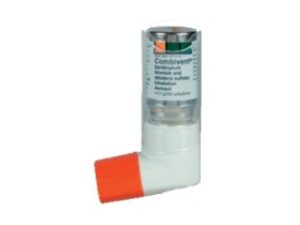
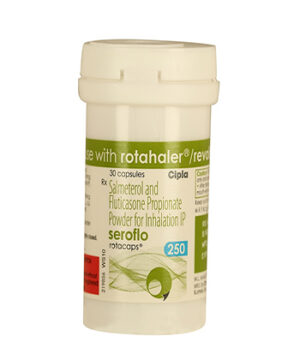
Fluticasone + Salmeterol (Fluticasone + Salmeterol) – Patient Information (Australia)
Fluticasone + Salmeterol is a combination inhaled medicine used to help control ongoing respiratory conditions where airways become narrow and inflamed. It combines: fluticasone (a corticosteroid that reduces inflammation) and salmeterol (a long-acting bronchodilator that helps keep airways open).
This page is written to be patient-friendly and practical for people in Australia. It explains how the medicine works, how to use it properly, typical dosing considerations, safety information, and frequently asked questions.
Basic product information
- Medicine name: Fluticasone + Salmeterol (often written as fluticasone + salmeterol)
- Type: Combination inhaler (inhaled corticosteroid + long-acting beta2-agonist)
- Common uses: Long-term control of asthma and chronic obstructive pulmonary disease (COPD) where indicated
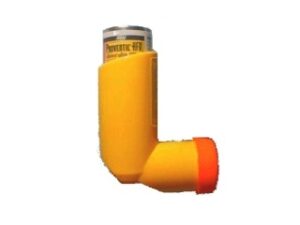
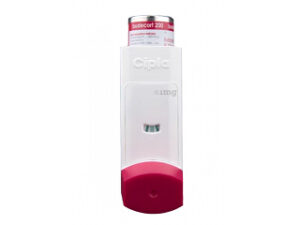
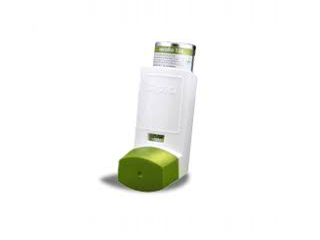
- How it is taken: Inhalation (usually via a metered-dose inhaler or dry powder inhaler, depending on brand and device)
- Key components: Fluticasone (anti-inflammatory) + Salmeterol (bronchodilation)
In Australia, brand names and device types may vary (for example, pressurised inhalers or dry powder inhalers). Your exact strength, device, and dosing schedule depend on your condition and inhaler type.
What it’s used for (indications)
Fluticasone + Salmeterol is used for long-term control to reduce symptoms and flare-ups.
- Asthma: Helps control persistent asthma symptoms and reduces the risk of asthma attacks (exacerbations) when symptoms are not adequately controlled with lower-step therapy.
- COPD: May be used for patients with COPD to improve symptoms and reduce exacerbation risk in appropriate groups, depending on severity and prior treatment history.
It is important to note: This combination is generally not meant for quick relief of sudden breathlessness. A separate reliever (often a short-acting bronchodilator) is typically used for fast symptom relief.
How it works (mechanism of action)
This medicine works in two complementary ways:
-
Fluticasone (inhaled corticosteroid):
Reduces inflammation in the airways. Over time, it helps decrease swelling, irritation, and mucus production. This leads to fewer symptoms and fewer flare-ups. -
Salmeterol (long-acting beta2-agonist):
Relaxes smooth muscle in the airways, helping bronchodilate (open airways) and improving airflow. Its effect typically lasts about 12 hours, supporting regular symptom control.
Together, the inhaled steroid targets the underlying inflammatory process, while the bronchodilator improves airflow and helps you feel better more steadily between doses.
Pharmacokinetics (how the body handles it)
Because it is inhaled, a significant portion of the medicine acts directly in the lungs. Systemic absorption can still occur, but levels are generally lower than with oral steroid therapy.
- Absorption: Fluticasone and salmeterol are absorbed through the lungs to some extent; some of the dose may be swallowed after inhalation and then absorbed through the gastrointestinal tract.
- Distribution: Both components can distribute through the bloodstream; fluticasone is highly protein-bound.
- Metabolism: Fluticasone is mainly metabolised in the liver via CYP3A4. Salmeterol also undergoes metabolism (CYP-related processes).
- Elimination: Metabolites are excreted primarily through bile/faeces (and some renal clearance may occur). The active effects are mainly sustained by the inhaled route rather than long-lasting circulating drug levels.
In practice, what matters most for patients is that timely and correct inhaler technique supports effective lung delivery, while drug interactions that affect CYP3A4 can increase steroid exposure.
Typical use and timing
Fluticasone + salmeterol is designed for regular use to control symptoms over time.
- Usually taken: Twice daily (commonly morning and evening)
- Consistent timing matters: Try to take doses at roughly 12-hour intervals
- When you may feel better: Some improvement may occur quickly, but inflammation control may take days to weeks
- Do not stop suddenly without guidance: Asthma control can worsen if the controller medicine is stopped or doses are missed
How quickly does it work?
- Bronchodilation (salmeterol): Often provides symptom relief within hours of inhalation.
- Anti-inflammatory effect (fluticasone): Typically improves control over days to weeks.
Dosing guidance (adult and adolescent considerations)
Dosing depends on the condition, the strength of the inhaler, your current level of control, and whether you are using a pressurised inhaler or dry powder device.
Because product strengths and schedules can differ between brands, always follow the instructions provided with your specific device.
| Condition | Typical controller pattern | Notes for patients |
|---|---|---|
| Asthma (long-term control) | Usually twice daily | Your clinician may adjust dose based on symptom control and frequency of flare-ups. |
| COPD (maintenance therapy in appropriate cases) | Usually twice daily | Used to help reduce symptoms and exacerbations where indicated. |
Practical dosing reminders
- Use the exact number of puffs specified for your inhaler.
- Do not “double up” missed doses unless your healthcare professional has advised this.
- If you regularly miss doses, it may help to review your routine and inhaler technique.
Food interactions
There are no common direct food interactions expected with inhaled fluticasone + salmeterol because the medicine is delivered to the lungs. However, a few practical points can still help:
- Swallowing small amounts after inhalation may occur. Taking your inhaler at a consistent time (with or without food) is generally fine.
- Oral health is important: Rinsing your mouth after inhalation can reduce the risk of mouth/throat side effects like thrush.
If you take other medicines (including antifungals or antivirals), review potential interactions with a pharmacist.
Alcohol and medicine interactions
Alcohol
Moderate alcohol is not known to have a major direct interaction with inhaled fluticasone + salmeterol. However, alcohol may worsen breathing comfort in some people and can affect adherence.
If alcohol triggers coughing or breathing symptoms, discuss strategies with your healthcare team.
Important medicine interactions
Interactions are mainly relevant to how the body metabolises fluticasone and salmeterol. Some drugs can increase corticosteroid levels, raising the risk of systemic side effects.
-
CYP3A4 inhibitors (major interaction concern): Examples include certain antifungals (e.g., ketoconazole, itraconazole) and some antibiotics/antivirals used for infections.
Effect: May increase fluticasone exposure. -
CYP3A4 inducers (may reduce effect): Some medicines used for epilepsy or infections can lower steroid levels.
Effect: May reduce controller effectiveness. - Other bronchodilators / beta2-agonists: Overlapping therapy may increase side effects such as tremor or palpitations.
- Beta-blockers: Some beta-blockers can affect beta2 receptors and may complicate asthma/COPD control (especially non-selective agents).
- Diuretics and electrolyte effects: Medicines that affect potassium (such as certain diuretics) can increase the risk of low potassium when combined with beta2-agonists.
If you are unsure whether a medicine interacts, ask your pharmacist. It is helpful to keep a list of all regular medicines, including “as-needed” inhalers, tablets, and herbal products.
Safety profile: side effects and when to seek help
Most people tolerate fluticasone + salmeterol well when used correctly. Side effects depend on dose, technique, and personal risk factors.
Common side effects
- Throat irritation or hoarseness
- Oral thrush (candidiasis) (white patches in mouth, soreness)
- Headache
- Tremor or mild shakiness (from salmeterol)
- Palpitations (awareness of heartbeat)
- Muscle cramps (less common)
Less common but important risks
- Systemic steroid effects (usually with higher doses or prolonged use): Possible effects include reduced bone density, cataracts, skin thinning, or adrenal suppression in certain situations.
- Cardiovascular effects: Rapid heartbeat or rhythm changes (uncommon, but important).
- Worsening asthma/COPD symptoms: Incorrect technique or missed doses may lead to poor control.
Seek urgent medical attention if
- You experience severe trouble breathing, inability to speak full sentences, or symptoms that rapidly worsen.
- There are signs of severe allergic reaction (swelling of face/lips, hives, difficulty breathing).
- You have chest pain, fainting, or a very fast/irregular heartbeat.
If your reliever inhaler use increases because symptoms are not controlled, you should arrange a review of your asthma/COPD plan.
Practical use tips (how to get the best benefit)
Proper inhaler technique strongly affects how much medicine reaches the lungs. If you are unsure of your technique, ask a pharmacist or nurse for a demonstration.
General tips (apply to most devices)
- Rinse your mouth and spit after each dose to reduce the risk of thrush and hoarseness.
- Use correct timing: Some devices require starting to inhale before or as you release the dose—follow your device instructions.
- Check the dose counter (if your device has one) to avoid running out.
- Keep your inhaler clean according to manufacturer instructions.
- If using a spacer (more common with pressurised inhalers), follow spacer-specific guidance. Spacers can improve delivery and reduce mouth side effects for some people.
What to do if you miss a dose
- If you miss a dose, take it when you remember unless it’s close to your next scheduled dose.
- Do not take extra doses to “catch up” unless advised by your clinician/pharmacist.
How to know if your inhaler is working
- Less wheeze and chest tightness
- Reduced need for reliever medication
- Fewer night-time symptoms
- Fewer flare-ups
Alternative options
Alternatives depend on your diagnosis (asthma vs COPD), severity, and prior response. Options may include:
- Different inhaled corticosteroid (ICS) + LABA combinations: Other long-acting bronchodilator pairings may be used instead of salmeterol.
- ICS alone: For some people with asthma, a lower step therapy may be suitable.
- Triple therapy for COPD (or certain asthma regimens): Some patients may use an inhaler with an additional bronchodilator (e.g., LAMA).
- Non-inhaled add-ons (selected cases): Depending on your condition, clinicians may consider other controller medications.
If your symptoms persist, do not simply switch devices on your own—ask for a structured review. Sometimes persistent symptoms are due to inhaler technique, trigger exposure, or incorrect dosing rather than “the wrong medicine.”
Market and legal context in Australia
In Australia, medicines containing inhaled fluticasone and salmeterol are regulated and supplied under national medicines and pharmacy frameworks. Inhaler therapies are commonly managed through healthcare professionals and incorporated into individual asthma/COPD management plans.
- Quality and regulation: Medicines are supplied in accordance with Australian regulatory requirements.
- How patients obtain them: Availability is typically via pharmacy channels, with guidance from clinicians where needed for appropriate use and dose selection.
- Patient education focus: Australian asthma and COPD management emphasises correct inhaler technique, adherence, and regular review.
Local formularies and guidelines may influence which combination and which strength is preferred for specific groups.
Recent guidance and common clinical practice themes
Guidance in Australia commonly emphasises:
- Stepwise asthma management: Controller therapy should be adjusted based on symptoms and exacerbation history.
- Inhaler technique checks: Incorrect technique is a frequent cause of poor control; regular technique review is encouraged.
- Regular controller use: Long-acting medicines work best when taken consistently as prescribed.
- Monitoring side effects: Mouth rinsing and periodic assessments help reduce inhaled steroid complications.
- Personalised asthma action plans: Patients are encouraged to have an action plan for worsening symptoms.
If you’re unsure whether your current dose is “right,” a review can help determine if treatment needs stepping up, stepping down, or a device change.
Delivery and availability (Australia)
Availability may vary by brand and device type. Many Australian online pharmacies can deliver inhaler medicines within Australia where permitted.
- Stock: Common strengths are often kept, but specific devices may require ordering.
- Delivery: Delivery times depend on location and shipping schedules.
- Storage: Store inhalers as directed on the pack (typically at room temperature; protect from excessive heat).
Before ordering, confirm the exact inhaler type and strength you use (including whether it is a pressurised inhaler or a dry powder device).
Storage and care
- Keep your inhaler in its protective casing if supplied.
- Do not puncture or dispose of the inhaler in fire (for pressurised canisters).
- Check the device for damage or reduced performance.
- Replace the device if it is past expiry or if you suspect it is not delivering properly.
FAQ – Fluticasone + Salmeterol
1) Is fluticasone + salmeterol the “reliever” inhaler?
No. Fluticasone + salmeterol is a controller medicine. It helps with long-term control. A separate reliever is usually used for sudden symptoms.
2) How long will it take to start working?
Some effects may be noticeable within hours due to the bronchodilator component. However, better control of airway inflammation and reduced flare-ups often take days to weeks.
3) What if I still feel breathless?
Breathlessness may mean your asthma/COPD is not well controlled, your inhaler technique needs review, or triggers are affecting you. Use your reliever as directed in your action plan and seek review if symptoms persist or worsen.
4) How should I use it correctly?
Technique depends on the device. General principles include coordinating breathing with actuation (for pressurised inhalers) or inhaling forcefully (for dry powder devices), then rinsing your mouth after the dose.
5) Can I stop once I feel better?
If you stop too early, symptoms and inflammation can return. Any step-down plan should be made with a clinician/pharmacist based on your control history.
6) Does food affect it?
Food is not usually a major factor for inhaled fluticasone + salmeterol. You can take it at consistent times that fit your routine.
7) Can I drink alcohol?
Moderate alcohol is generally not known to directly interact with inhaled fluticasone + salmeterol, but alcohol may worsen symptoms for some people.
8) Are there interactions with other medicines?
Yes. Medicines that affect CYP3A4 metabolism (some antifungals and antivirals) can increase fluticasone exposure. Always check interactions with a pharmacist, especially if you start a new medicine.
9) Will it cause thrush?
It can increase the risk of oral thrush. Rinsing your mouth and spitting after each dose reduces this risk. If you develop symptoms of thrush, seek advice.
10) What should I do if my heart is racing or I feel shaky after using it?
Mild shakiness or palpitations can occur. If symptoms are severe, persistent, or accompanied by chest pain or fainting, seek urgent medical attention.
Summary
Fluticasone + Salmeterol is an inhaled controller medicine that combines an anti-inflammatory corticosteroid with a long-acting bronchodilator. When used consistently and with correct inhaler technique, it helps improve breathing, reduce day-to-day symptoms, and lower the risk of flare-ups in appropriate patients with asthma or COPD.
- Use regularly and at the correct times
- Rinse your mouth after each dose
- Use a separate reliever for sudden symptoms
- Review technique and control if symptoms persist
If you have any concerns about side effects, interactions, or whether this is the right inhaler for you, speak with a pharmacist or healthcare professional.