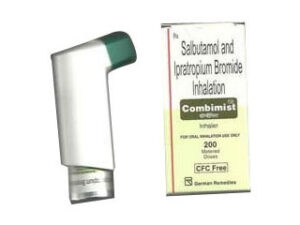
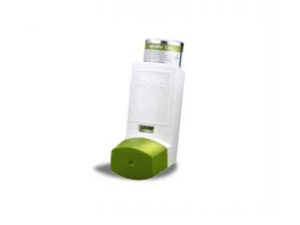
Combivent (Levosalbutamol / Ipratropium bromide) — Patient Guide (Australia)
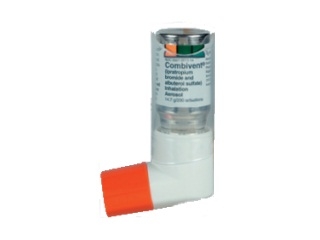
Combivent is a combination inhaled medicine used to treat symptoms of chronic lung conditions, most commonly chronic obstructive pulmonary disease (COPD). It contains two active ingredients that work together to help open the airways and make breathing easier.
This guide explains what Combivent does, how it works in the body, when and how to use it, and important safety and interaction information for people in Australia.
Quick overview
- Brand name: Combivent
- Active ingredients: Levosalbutamol (beta2-agonist) + Ipratropium bromide (antimuscarinic)
- Form: Inhaled medicine (commonly via a pressurised metered-dose inhaler)
- Main use: Relief of breathlessness and airway narrowing in COPD
- How it helps: Relax airway muscles and reduce bronchospasm
What is Combivent?
Combivent is an inhaled medicine combining:
- Levosalbutamol: helps widen the airways by acting on beta2-receptors in the lung muscles.
- Ipratropium bromide: helps prevent airway constriction by blocking muscarinic (M3) receptors.
Because both ingredients act through different pathways, the combination can improve symptoms more than either medicine alone for many people.
Indications (what it’s used for)
In Australia, Combivent is commonly used for:
- COPD (particularly when symptoms persist despite regular background therapy)
- Relieving airflow limitation symptoms such as wheeze, tightness in the chest, and shortness of breath due to bronchospasm
Important: If you have asthma (instead of COPD), the appropriate inhaler choice may be different. Always follow the plan provided by your healthcare professional and the product instructions.
How Combivent works (mechanism of action)
Levosalbutamol (beta2-agonist)
- Stimulates beta2-receptors in airway smooth muscle.
- Activates a cascade that leads to relaxation of airway muscles.
- Results in bronchodilation—widening the airways to reduce breathlessness.
Ipratropium bromide (antimuscarinic)
- Blocks muscarinic receptors in the lungs (especially M3).
- Reduces the effect of acetylcholine, which normally promotes airway narrowing.
- Leads to further bronchodilation and reduced bronchospasm.
Why the combination can be helpful
Using both a fast-acting bronchodilator (levosalbutamol) and a separate pathway bronchodilator (ipratropium) can help improve symptoms—especially when a single agent is not enough.
When does Combivent start to work? (timing)
Because it is inhaled, Combivent begins working quickly:
- Onset: usually within minutes after inhalation
- Peak effect: commonly within the first hour
- Duration: effects typically last several hours, but exact timing varies by person and technique
Practical tip: Regular technique matters. A common reason inhaled bronchodilators feel “less effective” is incorrect inhaler use or poor coordination (especially if using a pressurised inhaler).
Typical use and how often
Combivent is generally used to manage symptoms such as breathlessness or wheezing. The exact schedule depends on your overall COPD plan and symptom pattern.
Common scenarios:
- For breakthrough symptoms: taken when you feel your breathing is becoming tight or difficult.
- As part of regular symptom control: used on a set schedule if advised by your healthcare professional.
Do not change your dose: If symptoms worsen, you may need adjustment to your overall COPD management plan rather than increasing inhaler doses without guidance.
Dosing guidance (general information)
Dosing differs depending on the specific Combivent presentation and individual circumstances. Always follow the instructions on the medicine pack and any plan provided by your healthcare professional.
General principles:
- Use the lowest effective dose that controls symptoms.
- If your symptoms are not controlled, discuss with a clinician rather than repeatedly increasing inhaler use.
- Keep track of how often you need your reliever/combination inhaler. Frequent use may indicate inadequate control.
Missed doses: If you miss a scheduled dose, take it when you remember unless it is close to the next dose. Do not take extra doses to make up for a missed dose.
Pharmacokinetics (how the body handles Combivent)
Pharmacokinetics describes what happens to medicines after you take them.
After inhalation
- Absorption: Some of the inhaled dose reaches the lungs; the rest may deposit in the mouth/throat and be swallowed.
- Onset: Because it is inhaled, lung delivery helps produce a faster bronchodilator effect.
- Distribution: Both components act locally in the airways, with some systemic absorption.
Metabolism and elimination
- Metabolism: Components are processed by the body through normal metabolic pathways.
- Excretion: Elimination occurs via the kidneys and/or through other routes depending on the component.
Kidney and liver considerations: People with kidney impairment may require extra caution with many medicines. Always seek advice if you have kidney disease or other significant conditions.
Food interactions
Combivent is inhaled, so food interactions are generally not expected to be clinically significant.
Still, practical considerations include:
- If you feel nauseated or your throat feels irritated, use your inhaler when you are comfortable (for example, after a small snack rather than on a very full stomach).
- Some people notice the sensation of medicine lingering in the mouth; rinsing after use may help reduce throat irritation (see practical tips below).
Alcohol interactions
There are no widely recognised direct alcohol interactions specific to Combivent. However, alcohol can indirectly affect breathing in some people by:
- Worsening dehydration or sleep quality
- Reducing awareness of early symptom changes
- Increasing the risk of medication side effects such as palpitations in susceptible individuals
Advice: If you drink alcohol, do so in moderation and monitor how your breathing and heart rate feel. If you notice increased breathlessness, dizziness, or palpitations after alcohol, discuss this with your pharmacist or doctor.
Medicine interactions (important)
Like all bronchodilators and inhaled medicines, Combivent may interact with other treatments. The most important interactions relate to the beta2-agonist and antimuscarinic effects.
Potential interaction groups
- Other beta-agonists (including some reliever inhalers): may increase risk of side effects such as tremor and palpitations.
- Other anticholinergic medicines (some bladder medicines, certain allergy/“drying” medicines): may increase dry mouth, constipation, or urinary retention in susceptible people.
- Beta-blockers (for example, some medicines used for blood pressure or heart conditions): may reduce the effect of beta2-agonists. Cardio-selective beta-blockers may be treated differently—always check with a clinician.
- Diuretics (water tablets) and some medicines that lower potassium: may increase the risk of rhythm changes in people who are vulnerable, especially if used alongside bronchodilators. This is more relevant when potassium is low.
- Other medicines that affect heart rhythm: can complicate safe use if you have an underlying cardiac condition.
Tell your pharmacist if you take:
- Any heart rhythm medicines
- Medicines for glaucoma (especially if you use eye drops and have specific precautions)
- Medicines for urinary retention or prostate enlargement
- Regular inhalers or nebuliser treatments (so the team can avoid duplication)
Safety profile and side effects
Combivent is generally well tolerated when used correctly, but like all medicines it can cause side effects.
Common side effects
- Tremor or shaking
- Headache
- Nervousness or feeling “on edge”
- Dry mouth or throat irritation (more typical of antimuscarinic effects)
- Palpitations (awareness of heartbeat) in some people
- Cough or mild throat discomfort after inhalation
Less common but important side effects
- Fast heart rate (tachycardia)
- Muscle cramps or weakness (can be related to electrolyte changes in some cases)
- Raised eye pressure risk in people with certain eye conditions if mist reaches the eyes
- Urinary retention in people predisposed to difficulty passing urine
When to seek urgent help
Seek urgent medical attention if you experience:
- Sudden worsening of breathing not relieved by your usual plan
- Chest pain, fainting, or severe palpitations
- Signs of allergy such as swelling of the face/lips, hives, or difficulty breathing
- Severe dizziness or confusion
Practical use tips (to get the best results)
Inhaler technique can make a big difference. Consider the following tips:
1) Use correct technique
- Stand or sit upright.
- Exhale fully before starting.
- Place the mouthpiece in your mouth and seal your lips.
- Press the canister at the start of a slow, deep inhalation.
- Hold your breath for several seconds (if you can) to allow medicine to deposit in the lungs.
- Breathe out slowly.
If you use a spacer, it can improve delivery and reduce throat deposition for some people. Ask your pharmacist which spacer (if any) is suitable for your inhaler type.
2) Rinse and gargle (where appropriate)
After use, rinsing the mouth or gargling with water may reduce mouth/throat irritation. Spit out the water—do not swallow if it irritates you.
3) Check your inhaler regularly
- Keep track of dose counts if your device has one.
- If the inhaler is dropped or not functioning, check with a pharmacist.
4) Watch symptom patterns
- If you need Combivent more often than usual, your COPD may be worsening.
- Keep a simple log (date/time/how many puffs/how well it worked) to help your clinician adjust your plan.
Missed technique, common reasons it feels “not enough”
- Inhaler timing issues: pressing the canister too late or not inhaling deeply.
- Not holding breath: medicine may pass out of the airways before depositing.
- Cold canister / poor priming: ensure you follow the pack instructions for preparation.
- Duplicate medicines: using another similar bronchodilator unknowingly.
Alternative options (other medicines and treatment approaches)
Depending on your COPD severity, symptom frequency, and past response, clinicians may consider other inhaler options. These can include:
Bronchodilators
- Short-acting beta2-agonists (SABA) (reliever medicines)
- Short-acting antimuscarinics (SAMA)
- Long-acting bronchodilators (LABA and/or LAMA) for maintenance therapy
- Triple therapy (LABA + LAMA + inhaled corticosteroid) in selected cases
Non-medicine support
- Pulmonary rehabilitation
- Smoking cessation support
- Vaccinations (flu, pneumococcal—per national guidance)
- Breathing techniques and activity pacing
If you are unsure whether Combivent is the best fit for you, a pharmacist can help review your current inhalers and the way you use them.
Market and legal context for Australia
In Australia, medicines are regulated by the Therapeutic Goods Administration (TGA). Inhaled medicines for respiratory conditions may be supplied under pharmacy and prescribing requirements, depending on the specific product and strengths.
Availability and supply can vary by:
- Whether the product is classified as Prescription Only Medicine or otherwise
- Packaging size and presentation
- Storage requirements
Always use the product exactly as described on the label and in your healthcare plan.
Recent guidance and clinical context (COPD management)
For COPD, treatment is typically stepwise and guided by symptom burden and exacerbation risk. Modern COPD care often focuses on:
- Optimising inhaler technique
- Using maintenance long-acting therapy for day-to-day symptom control when appropriate
- Providing fast relief for acute breathlessness
- Reviewing treatment after exacerbations
Combivent may be used as part of symptom relief and can complement maintenance options. Your clinician may review your regimen if you experience frequent flare-ups, infections, or increasing breathlessness.
Delivery and availability (online pharmacy information)
Online pharmacies in Australia typically offer inhaled medicines including Combivent, subject to stock availability and ordering rules. Delivery timelines can vary based on:
- Your location (metro vs regional)
- Courier schedules and cut-off times
- Stock levels at the warehouse
Packaging and storage: Keep the inhaler in a dry place at room temperature as directed on the pack. Check the expiry date before use.
Product information (at a glance)
| Feature | What to know |
|---|---|
| Medicine name | Combivent (levosalbutamol / ipratropium bromide) |
| Type | Inhaled bronchodilator combination |
| Main benefits | Relieves bronchospasm and improves airflow in COPD |
| How it works | Beta2-agonist + antimuscarinic |
| Typical onset | Usually within minutes after inhalation |
| Common side effects | Tremor, headache, dry mouth, palpitations |
| Food interactions | Generally none expected |
| Alcohol | No widely recognised direct interaction, but may worsen symptoms or side effects |
Frequently Asked Questions (FAQ)
1) Is Combivent a reliever or a maintenance inhaler?
Combivent is used to relieve breathing symptoms in COPD by opening the airways. Whether it is used as a regular scheduled medicine or for symptoms “as needed” depends on your individual treatment plan.
2) How many puffs should I take?
Dosing depends on the product presentation and your clinical plan. Follow the instructions on your pack and those provided in your treatment plan. If you are unsure, ask your pharmacist to review the correct dosing schedule with you.
3) What should I do if it doesn’t seem to work?
If Combivent isn’t helping, consider inhaler technique first (coordination, breath timing, and use of a spacer if recommended). Also review whether you may need adjustment to your overall COPD treatment. If symptoms are severe or rapidly worsening, seek urgent medical advice.
4) Can I use Combivent with other inhalers?
Many COPD regimens include multiple inhalers. However, using more than one bronchodilator can increase the risk of side effects. Tell your pharmacist about all inhalers and nebuliser medicines you use so they can help check for overlap and timing.
5) Can I use Combivent if I also have heart disease?
People with certain heart conditions may be more sensitive to the effects of beta2-agonists (such as palpitations or fast heart rate). Discuss your medical history with your clinician and seek advice if you notice new or worsening symptoms after starting Combivent.
6) Will it affect my blood pressure or blood sugar?
Inhaled bronchodilators can have systemic effects in some people. If you have diabetes or blood pressure concerns, monitor as advised by your clinician and report any unexpected changes.
7) Can I take Combivent with alcohol?
No specific direct interaction is commonly highlighted, but alcohol may worsen breathlessness or increase side effects in some people. If you choose to drink, do so moderately and monitor your breathing and heart rate.
8) Are there special precautions for glaucoma or urinary problems?
Yes. Because ipratropium can cause anticholinergic-type effects, people with certain eye conditions (such as narrow-angle glaucoma) or urinary retention issues should be cautious. Avoid getting mist into your eyes and seek advice if you have these conditions.
9) Should I rinse my mouth after using it?
Rinsing and gargling can help reduce throat irritation and reduce residue. This is especially helpful if you experience dry mouth, hoarseness, or irritation after inhalation.
10) What if I accidentally take too much?
Taking too much may increase side effects such as tremor, palpitations, headache, and fast heart rate. If you think you have taken more than intended or you feel unwell, contact your local poison information service or seek urgent medical help.
Summary
Combivent (levosalbutamol / ipratropium bromide) is an inhaled bronchodilator combination used to improve symptoms of COPD. By working through two different mechanisms—beta2-agonist bronchodilation and antimuscarinic airway relaxation—it can help reduce wheeze and breathlessness quickly after inhalation.
For best results, focus on correct inhaler technique, track how often you need your inhaler, and seek medical advice if symptoms worsen or you need it more frequently than usual.