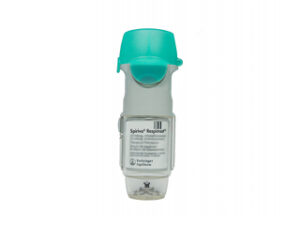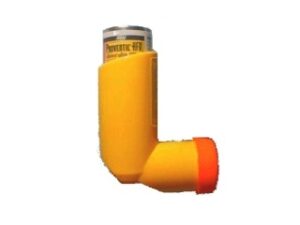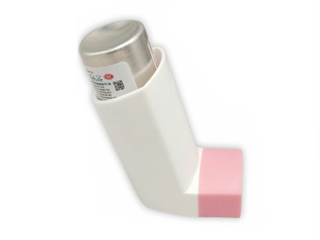

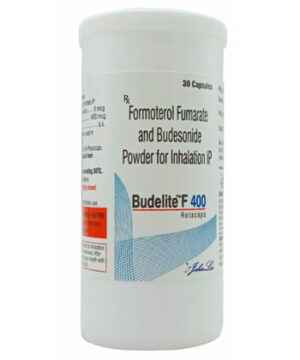
Budesonide Formoterol Inhaler (Australia)
Budesonide formoterol inhaler is a prescription asthma and COPD controller and reliever medicine that combines: budesonide (an inhaled corticosteroid) and formoterol (a fast-acting long-acting bronchodilator). It helps reduce airway inflammation and improve breathing by relaxing the muscles around the airways.
This page is written for general information to help you understand how the inhaler works, how it’s typically used, and what to watch for. Always follow the directions provided with your medicine and by your healthcare professional.
Basic product information
- Medicine name: Budesonide / formoterol inhaler
- Common uses: Asthma (including maintenance and reliever approaches) and COPD (where appropriate)
- Active ingredients: Budesonide + Formoterol
- Form: Inhaler (device type may vary by brand)
- How it works: Anti-inflammatory (budesonide) + bronchodilation (formoterol)
In Australia, budesonide/formoterol is supplied in different strengths depending on the inhaler brand and device. The label will show the strength per actuation (puff). Examples include formulations such as 100/6 micrograms or 200/6 micrograms (exact strengths vary by brand).
How it works (mechanism of action)
Airway narrowing in asthma and COPD is driven by both inflammation and bronchoconstriction (tightening of the airway muscles). Budesonide and formoterol address these processes in different ways.
Budesonide (inhaled corticosteroid)
- Reduces inflammation in the airways
- Helps decrease swelling, mucus production, and airway hyper-responsiveness
- Improves long-term symptom control and reduces flare-ups over time
Formoterol (long-acting beta2 agonist)
- Relaxes airway smooth muscle via beta2 receptor stimulation
- Helps relieve breathlessness by widening the airways
- Has a relatively fast onset compared with many other LABAs
Because formoterol works quickly and budesonide provides ongoing anti-inflammatory benefit, the combination inhaler supports both day-to-day control and rapid relief depending on the treatment plan.
Pharmacokinetics (how the body handles it)
After inhalation, medicine is deposited in the airways. A portion is absorbed through the lungs and a portion may be swallowed and later processed through the gastrointestinal tract.
Absorption
- Inhaled delivery: Drug reaches the lungs directly, which helps target the airways
- Swallowed fraction: Some medicine may be swallowed during inhalation and absorbed from the gut
Distribution
- Active substances are distributed through the body, but inhaled therapy focuses exposure in the lungs
Metabolism
- Budesonide is mainly metabolised by the liver (primarily via CYP3A4 pathways)
- Metabolism reduces systemic exposure of the active drug
Elimination
- Metabolites are primarily eliminated via the kidneys and through bile/faeces depending on the compound
- The overall duration of effect relates to drug activity at the airway receptors and ongoing anti-inflammatory changes
Individual absorption and response can vary depending on inhaler technique, device type, and severity of disease. If you’re not sure you’re using the inhaler correctly, ask a pharmacist or nurse for a technique check.
Typical use: asthma and COPD
Budesonide/formoterol may be used for:
- Asthma: as controller therapy and, in some treatment approaches, also for symptom relief
- COPD: to help reduce symptoms and improve airflow in selected patients
The exact role of the inhaler (e.g., “maintenance only” versus “maintenance and reliever”) depends on your asthma action plan and the specific product regimen prescribed for you.
Timing: when to take it
Timing is best guided by your personalised action plan. However, these are common patterns:
- Maintenance (controller) dosing: Often taken twice daily (morning and evening)
- Reliever use (where advised): Formoterol’s rapid onset may allow use for symptoms at the time they occur, based on your plan
- Consistency matters: Inhaled corticosteroid benefit is greatest when taken regularly
If you miss a dose, take it when you remember unless it’s close to the next dose. Do not take extra puffs to “catch up” unless your clinician has instructed you to do so.
Food interactions
Food interactions are generally not a major concern for inhaled budesonide/formoterol. Because the medicine is delivered to the lungs, systemic effects are lower than many oral medicines.
That said, if any fraction is swallowed, your stomach contents can slightly influence absorption, but this is usually not clinically significant. To avoid variability, many people simply take doses at the same time daily.
Alcohol and medicine interactions
Alcohol
Moderate alcohol intake is not known to directly interact strongly with inhaled budesonide/formoterol. However, alcohol may worsen asthma symptoms for some people by triggering reflux, affecting breathing, or reducing medication adherence.
Avoid excessive alcohol if you notice that it worsens breathlessness or triggers coughing. Always seek advice if you have concerns about alcohol use.
Medicine interactions
Some medicines may influence the breakdown of budesonide or the heart/blood pressure effects of formoterol. Important interaction categories include:
- CYP3A4 inhibitors (can increase budesonide levels): examples may include some antifungals and certain antibiotics
- Other bronchodilators (especially other beta2 agonists): may increase side effects if overlapped
- Beta-blockers: non-selective beta-blockers can reduce the effectiveness of beta2 agonists and may provoke bronchospasm
- Diuretics and medicines that lower potassium: can increase the risk of low potassium with beta2 agonists (monitoring may be needed)
- Other medicines that affect rhythm: some cardiac medicines may interact with formoterol’s cardiovascular effects
Always tell your pharmacist or doctor about all medicines you take, including over-the-counter products and herbal supplements. Because inhaled budesonide/formoterol is commonly used long term, reviewing interactions is especially valuable.
Indications: who it’s for
Budesonide/formoterol inhalers are indicated for conditions where both inflammation control and bronchodilation are needed, such as:
- Asthma where symptoms persist despite treatment, or as part of a combination regimen
- COPD in appropriate patients to relieve symptoms and support airflow
Suitability depends on your diagnosis, symptom pattern, exacerbation history, lung function, and other treatments. Only use the inhaler type and strength that match your plan.
Dosing: how much to use
Dosing varies depending on:
- Your condition (asthma vs COPD)
- Your severity and control
- The inhaler strength (micrograms per actuation)
- The specific regimen (maintenance only vs maintenance and reliever strategy)
Always follow the dose written on your label or action plan. Below is general guidance to help you understand how dosing is commonly structured.
General dosing patterns (not a substitute for your plan)
- Maintenance (controller): commonly 1–2 inhalations twice daily depending on strength and control
- Symptom reliever (in some asthma strategies): may be used for symptoms according to the asthma plan, with limits on total daily inhalations
If your inhaler is prescribed under an asthma “maintenance and reliever” approach, your clinician will provide: exact maximum daily use and when to seek urgent help. Using more than recommended can increase risk of side effects.
If you’re unsure about your dose
- Check the dose printed on the pharmacy label
- Confirm with your pharmacist if the regimen is unclear
- Ask for an inhaler technique demonstration
Safety profile: common side effects and warning signs
Most people tolerate budesonide/formoterol well when used correctly. Side effects vary by dose and individual sensitivity.
Common side effects
- Hoarseness or throat irritation
- Oral thrush (candidiasis)—more likely with inhaled corticosteroids
- Headache
- Heart pounding (palpitations) or mild tremor
- Nervousness or restlessness in some people
- Cough or throat clearing after inhalation
Serious warning signs (seek urgent medical care)
- Severe worsening breathing or sudden deterioration
- Chest pain, fainting, or severe irregular heartbeat
- Swelling of the face/lips, rash, or signs of allergy
- Signs of significant infection (e.g., fever with worsening symptoms), especially if thrush occurs repeatedly
Long-term steroid considerations
Inhaled corticosteroids have less systemic effect than oral steroids, but higher doses or long-term use can increase risk of: reduced bone density, eye problems (e.g., cataracts or glaucoma), and adrenal suppression in some cases. Your healthcare provider will use the lowest effective dose and monitor when necessary.
When to be extra careful
- Heart rhythm problems or significant heart disease
- History of low potassium
- Diabetes (beta2 agonists can affect blood glucose in some patients)
- Active infections in the mouth or throat
Practical use tips (inhaler technique)
Correct inhaler technique is essential for the medicine to reach the lungs and work effectively. If you’re using the inhaler differently than intended, you may get reduced benefit and more side effects in the mouth or throat.
Key tips
- Use regularly as directed: don’t skip controller doses because symptoms feel better
- Rinse and spit after each dose: helps reduce thrush and hoarseness (especially for inhaled corticosteroids)
- Check your inhaler dose counter: replace when empty as per device instructions
- Keep inhaler instructions handy: different devices (metered dose vs dry powder vs breath-actuated) require different steps
Steps overview (general)
Because inhaler devices vary, follow the specific instructions for your device. In general, most inhalers involve:
- Preparing the device as described
- Exhaling gently before placing the mouthpiece
- Starting a slow, deep inhalation while actuating (for some device types)
- Holding your breath briefly to let medication deposit
- Closing and checking your technique for the next dose
If you have trouble, ask your pharmacist to observe your technique. This can make a big difference to asthma control.
What to expect: onset and symptom improvement
- Formoterol: helps quickly with breathlessness for many people (often within minutes)
- Budesonide: improves inflammation over days to weeks
- Full benefit: may take time; consistent use is important
If you’re using the reliever frequently, it may be a sign your asthma is not well controlled and your treatment plan may need adjustment. Follow your asthma action plan and consult your healthcare professional.
Alternative options
Depending on your condition and severity, healthcare providers may consider alternative inhaler options. These could include:
For asthma
- Inhaled corticosteroid alone (controller)
- Combination inhalers with a different LABA
- Reliever bronchodilators (e.g., short-acting beta2 agonists) for some plans
- Biologic therapies for severe asthma (specialist-led)
For COPD
- Long-acting bronchodilators such as LAMA and/or LABA
- Triple therapy options (often specialist guided)
- Inhaled corticosteroid-containing regimens in selected patients
The “best” option depends on symptoms, lung function, exacerbations, side-effect tolerance, and personal preference with inhaler devices. If you’re considering switching, do so with guidance rather than stopping suddenly.
Market and legal context in Australia
In Australia, asthma and COPD medicines are supplied according to the relevant category and local pharmacy rules. Budesonide/formoterol inhalers are regulated medicines and are typically dispensed with appropriate patient information.
Online pharmacies in Australia follow standard privacy and consumer safety requirements, including secure checkout, identification processes where applicable, and access to medication information to support safe use. Always check the product details on the website for the specific inhaler brand and strength.
This information page is intended to assist with understanding the medicine. It does not replace advice from your healthcare professional.
Recent guidance (what’s commonly recommended)
Australian clinical guidance for asthma typically emphasises:
- Using inhaled corticosteroids as the foundation of asthma control
- Reducing exacerbations by optimising maintenance therapy
- In selected patients, using strategies that include rapid-acting inhaled bronchodilation combined with ongoing anti-inflammatory treatment
For COPD, guidance commonly focuses on:
- Regular bronchodilator therapy based on symptoms and airflow limitation
- Using inhaled corticosteroids in appropriate subgroups when benefits outweigh risks
- Preventing exacerbations via overall management plans, including smoking cessation and vaccinations
Treatment plans should be tailored to the individual. If your symptoms change, your medicine regimen may need adjustment.
Delivery and availability (Australia)
Budesonide/formoterol inhalers are widely used, and availability is generally good via Australian pharmacies. Online purchase options commonly include:
- Home delivery with tracking (standard or express depending on the pharmacy)
- Concession or pharmacy program eligibility where applicable
- Brand and strength selection (ensure you select the exact product strength specified in your plan)
Delivery times vary by location and stock status. If your inhaler is an essential controller medicine, consider ordering early to avoid interruptions.
How to store and care for your inhaler
- Store at room temperature and protect from heat and direct sunlight
- Keep the device dry and clean
- Do not puncture or burn the inhaler even if it appears empty (for pressurised devices)
- Check the expiry date on the packaging
If your inhaler seems to deliver less medicine or feels different, consult your pharmacist. A device may require replacement or technique review.
FAQ
1) Is budesonide/formoterol a steroid?
Yes. Budesonide is an inhaled corticosteroid. Inhaled steroids act mainly in the lungs and typically have lower whole-body effects than oral steroids, but they still require correct dosing and technique.
2) Is formoterol a reliever?
Formoterol provides rapid bronchodilation. Depending on your asthma action plan, your budesonide/formoterol inhaler may be used for symptoms (a “maintenance and reliever” strategy). Otherwise, it may be maintenance only.
3) What should I do if my symptoms get worse?
Follow your personalised asthma/COPD action plan. If symptoms worsen quickly, you’re struggling to breathe, or you need reliever medicine far more than usual, seek urgent medical advice.
4) How soon will it start working?
Many people feel bronchodilation from formoterol within minutes. Anti-inflammatory benefits from budesonide may take days to weeks for full effect.
5) Can I stop the inhaler when I feel better?
Do not stop suddenly without medical advice. Controller medicine helps prevent flare-ups. Stopping may lead to worsening symptoms later.
6) Will I get thrush?
Some people can develop oral thrush, particularly with higher doses or poor rinsing after inhalation. Rinse your mouth and spit after each use to reduce risk. Report persistent sore mouth, white patches, or painful swallowing.
7) Can I use it with other inhalers?
Often yes, depending on your treatment plan. But overlap with other beta2 agonists or inhaled steroid products should be reviewed to avoid excessive dosing. Ask your pharmacist to confirm your routine.
8) Does it interact with antibiotics or antifungals?
Some medicines can affect how budesonide is metabolised (for example, certain antifungals and antibiotics that inhibit liver enzymes). Tell your pharmacist about any new medicines so they can check for interactions.
9) Can I drink alcohol while using it?
There’s no well-known direct interaction for most people, but alcohol can worsen breathing or reduce adherence for some. If you notice alcohol triggers symptoms, limit or avoid it and discuss with your healthcare professional.
10) What if I forget a dose?
Take it when you remember unless it’s close to the next scheduled dose. If unsure, ask your pharmacist. Do not take extra puffs unless your action plan says to.
Quick reference table
| Topic | What it means for this inhaler |
|---|---|
| Medicine type | Combination inhaler: inhaled corticosteroid + bronchodilator |
| Main goals | Reduce inflammation (budesonide) and open airways (formoterol) |
| How fast it helps | Formoterol may help quickly; budesonide works over days to weeks |
| Typical routine | Often twice daily for maintenance; reliever use depends on your plan |
| Food effects | Usually minimal. Take doses at consistent times for best results |
| Alcohol | Not a strong direct interaction for most people, but alcohol can worsen symptoms in some |
| Key precautions | Correct technique, rinse and spit, avoid exceeding recommended puffs, watch for side effects |
Summary: Budesonide/formoterol inhaler helps control airway inflammation and improve airflow by combining budesonide with formoterol. With correct technique and consistent use, many people achieve better breathing and fewer flare-ups. If your symptoms are not controlled, ask your pharmacist or healthcare professional to review your inhaler technique and treatment plan.