Mobic (Meloxicam) – Patient-Friendly Guide (Australia)
Mobic is the brand name of meloxicam, a type of medicine known as a non-steroidal anti-inflammatory drug (NSAID). It is used to relieve pain and inflammation in a range of conditions, commonly affecting the muscles and joints.
This guide is designed to help you understand how Mobic works, how it’s typically used, what to watch for, and how it may interact with food, alcohol and other medicines. If you have questions about whether Mobic is suitable for you, talk to a pharmacist or doctor.
Quick product information
| Feature | What to know |
|---|---|
| Generic name | Meloxicam |
| Brand | Mobic |
| Medicine type | NSAID (anti-inflammatory pain relief) |
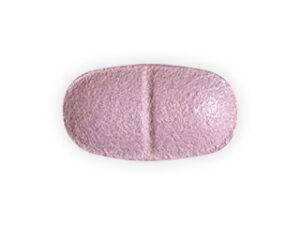
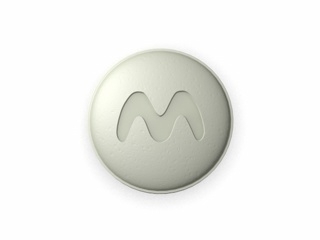
| Common forms | Tablets (strengths vary by product); follow your specific pack instructions |
| Common uses | Osteoarthritis, rheumatoid arthritis, ankylosing spondylitis, and other painful inflammatory conditions as directed |
| Typical dosing frequency | Once daily is common for adults (dose depends on condition and risk) |
| Key cautions | Stomach irritation/ulcer risk, kidney effects, cardiovascular risk, interactions with other medicines |
How Mobic works (mechanism of action)
Inflammation and pain are partly driven by chemicals called prostaglandins. Your body produces these through enzymes known as COX-1 and COX-2.
Meloxicam reduces prostaglandin production by inhibiting COX enzymes. This can lead to:
- Reduced pain and tenderness
- Reduced swelling and stiffness
- Improved mobility in joint conditions
Important: Mobic reduces symptoms (pain and inflammation) but does not cure the underlying cause of many chronic conditions such as osteoarthritis.
Pharmacokinetics (how the body handles meloxicam)
Pharmacokinetics describes what happens to a medicine after you take it. While individual responses vary, the general patterns for meloxicam include:
- Absorption: Meloxicam is absorbed after oral administration. Peak levels in the blood typically occur within several hours (often about 4–5 hours, depending on the formulation).
- Distribution: It circulates in the bloodstream and can reach sites of inflammation, including joint tissues.
- Metabolism: The medicine is mainly processed by the liver.
- Elimination: Meloxicam is removed from the body through a combination of kidney and biliary (including gut) pathways.
- Half-life: The drug stays in the body long enough to allow once-daily dosing for many people (the elimination half-life is roughly in the ~15–20 hour range, varying by patient).
Why this matters for you: Because it persists in the body, taking extra doses or combining with other NSAIDs can increase risk without improving benefit.
What Mobic is used for (indications)
Mobic is used for pain and inflammation associated with conditions including:
- Osteoarthritis (degenerative joint disease)
- Rheumatoid arthritis
- Ankylosing spondylitis
Sometimes clinicians may use meloxicam for other inflammatory and painful conditions where an NSAID is considered appropriate. Your specific use should match the instructions on your product information and advice from a healthcare professional.
Typical dosing and timing
Follow your pack label and clinician/pharmacist instructions. Doses can differ depending on the condition, age, kidney function, gastrointestinal risk, and other medicines.
Adults – common approach
- Once daily dosing is common for adults.
- For many NSAID conditions, the lowest effective dose for the shortest duration is recommended.
Maximum daily dose: For meloxicam tablets in adults, a commonly referenced maximum is 15 mg once daily for most indications. However, your safe dose may be lower—especially if you have kidney problems, are older, or have higher risk of stomach bleeding.
Timing tips
- Choose a consistent time each day to help you remember.
- If you get stomach discomfort, consider taking it with food (see the food section below).
- Do not take it late at night if it interferes with sleep or causes heartburn for you.
If you miss a dose
If you miss a dose, take it when you remember unless it is close to the time for the next dose. Do not take a double dose.
How to take Mobic (practical use tips)
- Take with a glass of water.
- Use with food if needed to reduce stomach upset.
- Avoid combining NSAIDs (for example, ibuprofen, naproxen, diclofenac) unless specifically advised—this increases risk of stomach bleeding and kidney injury.
- Hydration matters: Ensure you drink enough fluids, particularly if you’re unwell, sweating heavily, or have reduced appetite.
- Monitor symptoms: If pain improves, continue for the directed period. If there’s no improvement, speak to your pharmacist or doctor rather than escalating doses.
Duration: Use the lowest effective dose for the shortest necessary time. Chronic conditions may require longer treatment under supervision.
Food interactions: taking Mobic with meals
Meloxicam can be taken with or without food. However, NSAIDs can irritate the stomach lining, so taking Mobic with food may reduce the chance of:
- Heartburn
- Nausea
- Stomach pain
- Gastric irritation
Practical approach:
- If you’ve previously had stomach issues with NSAIDs, take Mobic with food.
- If you’re sensitive to reflux, avoid taking it right before lying down.
Alcohol and food together can further increase stomach irritation risk (see below).
Alcohol interactions
Alcohol can increase the risk of gastrointestinal bleeding and stomach irritation when used with NSAIDs. For safety, it’s generally recommended to:
- Avoid alcohol or keep it to minimal amounts while taking Mobic
- Be especially cautious if you have a history of ulcers or GI bleeding
Seek urgent medical help if you experience signs of bleeding such as vomiting blood, black/tarry stools, or severe abdominal pain.
Medicine interactions (important safety considerations)
Many medicines can interact with meloxicam. Some interactions increase bleeding risk, others affect kidney function, and others raise cardiovascular risk. Always inform your pharmacist or doctor about all medicines you take, including non-prescription products and supplements.
NSAIDs and aspirin
- Do not combine with other NSAIDs (e.g., ibuprofen, naproxen, diclofenac) unless advised.
- Avoid using additional aspirin for pain relief unless a clinician recommends it (low-dose aspirin for heart protection has special considerations).
Blood thinners and anti-platelet medicines
NSAIDs can increase bleeding risk when taken with:
- Warfarin and other vitamin K antagonists
- Direct oral anticoagulants (e.g., apixaban, rivaroxaban, dabigatran—depending on your regimen)
- Clopidogrel
- Other antiplatelet therapies
Other medicines that may increase kidney risk
Meloxicam can affect kidney blood flow. Risk can increase with:
- ACE inhibitors (e.g., perindopril, enalapril)
- ARBs (e.g., losartan, valsartan)
- Diuretics (e.g., hydrochlorothiazide, furosemide)
This is sometimes referred to as the “kidney stress” combination. If you are on these medicines, your healthcare professional may monitor kidney function and electrolytes, and advise on fluid intake.
Diuretics and dehydration
If you’re on a diuretic, you’re at higher risk if you become dehydrated (for example, during vomiting, diarrhoea, or heat exposure). In these situations, NSAIDs may be more risky.
Lithium
- Meloxicam may increase lithium levels, raising risk of lithium toxicity. Monitoring is usually required if taken together.
Methotrexate
- Meloxicam may increase methotrexate levels, potentially increasing side effects. Dose and monitoring are important, particularly for higher methotrexate regimens.
Selective serotonin reuptake inhibitors (SSRIs) and other antidepressants
- Combining with NSAIDs may raise risk of GI bleeding.
Corticosteroids
- Concomitant use can increase stomach ulcer/bleeding risk.
Cholestyramine
- Cholestyramine can affect meloxicam absorption, potentially altering its effectiveness. Your pharmacist can advise timing if needed.
Herbal and supplement considerations
Some supplements may affect bleeding risk or stomach irritation. Examples can include fish oil at high doses, ginkgo, and other products. Discuss supplements with your pharmacist.
Safety profile: who needs extra caution?
Like all medicines, Mobic can cause side effects. Many people tolerate it well, but the risks are higher in certain situations.
Common side effects
- Indigestion, heartburn
- Nausea
- Stomach pain
- Mild dizziness
Serious risks (seek urgent care)
Stop and seek urgent medical assistance if you experience:
- Signs of stomach or intestinal bleeding (vomiting blood, black/tarry stools, coughing up blood, unusual weakness)
- Severe allergic reactions (swelling of face/lips, wheezing, hives, difficulty breathing)
- Signs of kidney problems (reduced urination, sudden swelling, persistent nausea)
- Severe skin reactions (blistering rash, peeling skin)
- Chest pain, shortness of breath, weakness on one side, or sudden severe headache (possible cardiovascular event)
Higher-risk groups
Extra caution is needed if you:
- Are older (risk of stomach bleeding and kidney effects can be higher)
- Have a history of ulcers or GI bleeding
- Have kidney disease or reduced kidney function
- Have heart disease, high blood pressure, or high cardiovascular risk
- Have asthma that worsens with aspirin/NSAIDs
- Take medicines that increase bleeding risk (anticoagulants, antiplatelets, corticosteroids, SSRIs)
Pregnancy and breastfeeding (general guidance)
NSAIDs are generally not recommended during late pregnancy. If you are pregnant, planning pregnancy, or breastfeeding, discuss with a healthcare professional before using Mobic.
Recent guidance & clinical considerations in Australia
In Australia, NSAID use is commonly guided by principles of:
- Lowest effective dose for the shortest time compatible with symptom control
- Careful assessment of GI, kidney and cardiovascular risk
- Medication review when patients are on multiple medicines (especially anticoagulants, blood pressure meds, diuretics, corticosteroids and SSRIs)
Pharmacists also routinely check for duplication (two NSAIDs at once), allergies, and significant contraindications. If you have had stomach ulcers, kidney problems, heart disease, or prior adverse reactions to NSAIDs, ask specifically about safer pain-relief options.
Note: Guidance can evolve. For the most current advice, consult your healthcare professional or refer to the most up-to-date information on medicine labels and official resources.
Alternative options for pain and inflammation
Depending on your diagnosis, risk factors, and prior response, options may include:
Other NSAIDs
- Ibuprofen, naproxen, diclofenac (each has its own risk profile)
Non-NSAID pain relief
- Paracetamol (acetaminophen) for pain relief (less anti-inflammatory effect)
- Topical options such as topical NSAIDs (for some joint pains, particularly osteoarthritis of superficial joints)
Non-medicine strategies
- Physiotherapy, stretching and strengthening programs
- Heat/cold therapy
- Weight management (for osteoarthritis)
- Activity modification and ergonomic changes
Your pharmacist or doctor can help you choose the safest option, especially if you are at higher risk of stomach bleeding or kidney complications.
Delivery and availability in Australia
Availability of Mobic can vary depending on pack size and strength. Many online pharmacies provide delivery across Australia subject to state/territory regulations, prescriber requirements (if applicable), and stock availability.
- Before ordering: confirm the strength and form match what you need
- Packaging: store tablets in their original packaging
- Delivery: delivery timeframes depend on location and courier options
- Cold-chain: meloxicam tablets generally do not require refrigeration
If you require help choosing the correct product, strengths, or dosing schedule, our team can guide you on the information provided on the label and in product documentation.
Storage and disposal
- Store below 25°C (unless your pack label states otherwise).
- Keep out of reach of children.
- Protect from moisture where possible.
- Do not use after expiry date.
For disposal, follow local pharmacy take-back or community guidance. If no program is available, ask your pharmacist about safe disposal options.
Frequently asked questions (FAQ)
1) Is Mobic the same as ibuprofen?
No. Both are NSAIDs, but they are different medicines. Mobic contains meloxicam, while ibuprofen is a different NSAID with a different dosing schedule and risk profile. Do not take two NSAIDs together unless specifically advised.
2) How long does Mobic take to work?
Many people notice some symptom relief within the first day, but the full benefit may take several days depending on the condition and inflammation level. If there is no improvement after a reasonable time as advised by your clinician/pharmacist, seek advice rather than increasing the dose.
3) Can I take Mobic with food?
Yes. Taking it with food can reduce stomach upset. If your stomach feels sensitive, food is usually a good idea.
4) Can I drink alcohol while taking Mobic?
It’s generally best to avoid or minimise alcohol. Alcohol increases the risk of stomach irritation and bleeding when combined with NSAIDs. If you choose to drink, keep it minimal and be alert for any symptoms of bleeding or stomach problems.
5) What should I avoid while on Mobic?
Avoid:
- Other NSAIDs (e.g., ibuprofen, naproxen, diclofenac)
- Additional aspirin for pain relief (unless prescribed for another reason)
- Excess alcohol
6) What if I have reflux or a history of ulcers?
You may still be able to use meloxicam, but it requires careful consideration. Inform your pharmacist/doctor about past ulcers, GI bleeding, and current medicines. They may advise protective treatments or alternative pain relief strategies.
7) Can Mobic affect kidney function?
Yes. NSAIDs can reduce blood flow to the kidneys, particularly in people who are dehydrated, have kidney disease, or take certain blood pressure medicines and diuretics. Seek advice promptly if you notice reduced urination, swelling, or unusual fatigue.
8) Can Mobic be taken with antidepressants like SSRIs?
Some antidepressants (especially SSRIs) may increase GI bleeding risk when combined with NSAIDs. Your pharmacist can check the specific medicines you’re taking and advise on monitoring and safer options.
9) Are there alternatives if Mobic doesn’t suit me?
Yes. Alternatives include other pain relief strategies such as paracetamol, topical treatments, physiotherapy, and sometimes other medicine options. The safest choice depends on your condition and risk factors.
10) When should I stop taking Mobic and get medical help?
Stop and seek urgent help for possible allergic reactions, signs of GI bleeding (black stools, vomiting blood), severe skin reactions, symptoms suggesting kidney problems (marked reduction in urine, swelling), or serious cardiovascular symptoms (chest pain, shortness of breath, weakness on one side).
Important reminder
Mobic (meloxicam) can be an effective option for reducing pain and inflammation, but it may not be suitable for everyone. If you have any concerns—particularly related to stomach ulcers, kidney issues, heart disease, asthma triggered by NSAIDs, or interactions with other medicines—talk to a healthcare professional before starting or continuing treatment.