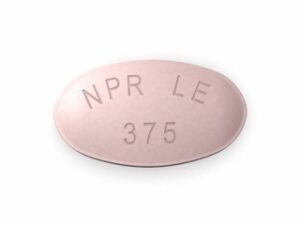



Cyclosporine (for Immunosuppression) — Patient Information (Australia)
Cyclosporine is a medicine used to reduce or control the activity of the immune system. It helps prevent or treat conditions where the immune system is overactive, and it is also widely used to protect transplanted organs from rejection. In Australia, cyclosporine is supplied under specific brand names and forms (commonly capsules or oral solution, depending on the product).
This page explains how cyclosporine works, how it’s typically used, what to expect, and key safety and interaction information to help you use your medicine safely and effectively.
Basic product information
- Generic name: Cyclosporine
- Medicine type: Immunosuppressant (calcineurin inhibitor)
- Common forms: Capsules and oral solution (availability varies by brand and prescriber requirements)
- Available in Australia: Yes—distributed through Australian healthcare channels and pharmacies
Note: Different brands may have different dosing strengths and instructions. Always check your specific package label and follow the directions provided with your medicine.
How cyclosporine works (mechanism of action)
Cyclosporine works by inhibiting calcineurin, a key signalling pathway in immune cells (T-lymphocytes). By blocking this pathway, cyclosporine reduces the production of inflammatory immune chemicals (including cytokines such as interleukin-2), leading to:
- Lower immune activity that would otherwise target your body’s tissues or a transplanted organ
- Reduced risk of organ rejection after transplant
- Improved control of certain autoimmune or inflammatory conditions
Because it suppresses immune function, cyclosporine can increase vulnerability to infections and may affect kidney function. Your clinician will monitor you closely.
Pharmacokinetics (absorption, distribution, metabolism, and elimination)
Understanding how cyclosporine behaves in the body can help explain why consistent dosing and monitoring are important.
Absorption
- Cyclosporine is absorbed through the gut, but absorption can vary between people and between doses.
- Food and gastrointestinal factors can influence absorption depending on the specific formulation.
Distribution
- Cyclosporine distributes widely throughout the body, including into tissues.
- It binds to blood components and tissues, contributing to its prolonged action.
Metabolism
- Cyclosporine is mainly metabolised in the liver by enzymes in the CYP3A family.
- Many medicines can increase or decrease cyclosporine levels by affecting these pathways.
Elimination
- Cyclosporine is eliminated primarily via the bile and stool.
- Its clearance may be affected by liver function, age, other medications, and illness.
Why monitoring may be recommended: Because blood levels can vary and because effects and side effects can be closely linked to exposure, healthcare professionals may use blood tests to guide dose adjustments in some settings.
Typical use and timing
Cyclosporine is used for several immune-related conditions. Many regimens are taken twice daily, typically about 12 hours apart, but the exact schedule depends on the specific indication and formulation.
Typical timing approach
- Take at the same times each day to maintain stable levels.
- Try to keep consistent with your usual meal routine.
- If you miss a dose, follow the guidance on your medicine label or the instructions you’ve been given by your healthcare professional.
Consistency matters: Do not switch between different cyclosporine brands or formulations without medical advice, as bioavailability may differ.
Food interactions and what to expect
Food can affect how cyclosporine is absorbed. For many patients, clinicians advise either:
- Taking cyclosporine consistently with or without food, or
- Following instructions that specify a particular meal relationship for your formulation.
Because the details can vary, check your product instructions. If your doctor or pharmacist has advised a specific approach (for example, with a consistent meal pattern), follow it closely.
Foods and lifestyle considerations
- Grapefruit and grapefruit juice may affect cyclosporine metabolism and increase levels in some people due to CYP3A inhibition.
- High-fat meals may alter absorption in certain formulations.
If you’re unsure, ask a pharmacist for guidance tailored to your brand and schedule.
Alcohol and medicine interactions
Cyclosporine can interact with medicines that affect liver enzymes and transport proteins. Alcohol use is not usually listed as a direct interaction in every product guide, but heavy or frequent alcohol intake can contribute to liver stress and may increase the risk of side effects.
Practical advice
- Limit alcohol and avoid binge drinking.
- Tell your healthcare professional about your alcohol intake, especially if you have liver problems.
- Avoid starting new drinks or supplements that could affect liver enzymes without checking first.
Always check combinations
Particularly important interactions include medicines that:
- Increase cyclosporine levels (higher risk of toxicity such as kidney problems)
- Decrease cyclosporine levels (higher risk of rejection or loss of disease control)
Because interaction risk depends on your exact medicines, it’s important to review your current list with a pharmacist or healthcare professional.
Medicine interactions (common categories)
Cyclosporine can interact with many prescription and over-the-counter medicines, herbal products, and supplements. The effect can be to raise or lower cyclosporine levels.
Examples of interaction categories
- Antifungals (e.g., azole antifungals) — may increase cyclosporine levels
- Antibiotics (certain macrolides, for example) — may increase levels
- Anticonvulsants (some enzyme inducers) — may reduce levels
- HIV medicines (some antivirals) — can affect cyclosporine levels
- Calcium channel blockers — may alter levels
- Statins — increased risk of muscle-related side effects may occur when combined
- NSAIDs (e.g., ibuprofen/naproxen) — can raise risk of kidney strain in some patients
- Herbal products, especially St John’s wort — can reduce cyclosporine effectiveness
Always review your medication list before starting, stopping, or changing dosage of any medicine.
Indications (what cyclosporine is used for)
Cyclosporine is used in a range of clinical settings. Depending on your diagnosis and the specific product, it may be used to:
- Prevent organ rejection in transplant recipients
- Treat certain autoimmune/inflammatory conditions, such as:
- Severe forms of some inflammatory eye diseases
- Severe skin conditions in selected cases
- Manage other immune-mediated disorders as determined by clinical guidelines
The exact indication and dosing plan depend on your diagnosis, your other medications, and your monitoring results (especially kidney function and blood pressure).
Dosing (general guidance)
Dosing of cyclosporine is individualised. Factors that influence dose include your condition, kidney function, liver function, age, other medications, and—when used—blood level targets.
Important dosing principles
- Follow your specific dose instructions exactly.
- Do not stop suddenly unless advised by a clinician.
- Keep consistent with the timing and relationship to meals.
- If you need dose changes, they should be guided by clinical response and monitoring.
What the “typical” schedule may look like
Many cyclosporine regimens are taken two times daily (morning and evening). Some patients require different schedules based on the formulation and treatment plan.
Monitoring may include:
- Blood pressure checks
- Blood tests for kidney function (creatinine/eGFR)
- Blood potassium and magnesium (depending on regimen)
- Liver function tests
- Blood cyclosporine levels when appropriate
Safety profile (what to watch for)
Cyclosporine can be very effective, but it has potential side effects. Some side effects relate to immune suppression, while others reflect effects on kidneys, blood pressure, or metabolism.
Common or important side effects
- Increased infection risk (because the immune system is suppressed)
- Kidney effects (possible increased creatinine or reduced kidney function)
- High blood pressure
- Flushing, headache, or tremor
- Increased hair growth and gum overgrowth (more noticeable in some patients with longer-term use)
- Gastrointestinal upset (nausea, abdominal discomfort)
- Changes to potassium or other blood markers may occur
Serious symptoms—seek medical advice urgently
- Signs of infection such as fever, chills, persistent sore throat, or unusual cough
- Severe or persistent shortness of breath, chest pain, or fainting
- Significant swelling, reduced urine output, or sudden weight gain
- Severe headache, confusion, weakness, or vision changes
Pregnancy and breastfeeding considerations
Cyclosporine may be used in certain situations where benefits outweigh risks, but pregnancy and breastfeeding require individualised advice. If you are pregnant, trying to conceive, or breastfeeding, discuss risks and monitoring with a healthcare professional.
Long-term risks
With prolonged immune suppression, risks may include some types of infections and, rarely, certain cancers. Your healthcare professional may recommend cancer screening and vaccination plans suitable for your level of immune suppression.
Practical use tips for patients
- Take it the same way every day: same times and same meal routine.
- Use consistent brand/formulation: avoid switching without advice.
- Keep a medication list: include dose and timing; show it to every clinician.
- Attend monitoring appointments: kidney function and blood pressure monitoring are essential.
- Hydration: maintain adequate fluid intake unless you’ve been told to restrict fluids.
- Oral care (if applicable): gum overgrowth can be mitigated with regular dental hygiene; ask your dentist about tailored care.
- Avoid grapefruit: and ask before using supplements or herbal products.
If you miss a dose
Follow the instructions provided with your specific product or advice from your healthcare professional. In general, do not take double doses to make up for a missed one unless explicitly instructed.
Alternative options (discuss with your healthcare professional)
Depending on the condition being treated, alternative immunosuppressive or anti-inflammatory medicines may be considered. Alternatives may include different classes of medications with different monitoring and side effect profiles.
Common categories of alternatives
- Other calcineurin inhibitors (used in certain settings)
- Other immunosuppressants (for example, antimetabolites or biologic medicines depending on diagnosis)
- Non-immunosuppressive options in some inflammatory conditions where appropriate
Your prescriber will choose based on your diagnosis, comorbidities (such as kidney disease or hypertension), infection risk, and how you tolerate medications.
Market and legal context for Australia
In Australia, the supply of medicines is regulated to ensure safe use. The exact category and dispensing requirements for cyclosporine depend on the product form and brand. Medicines may require evaluation by a healthcare professional and are subject to pharmacy dispensing rules.
Good to know:
- Your pharmacy may request medication details to ensure compatibility and safety.
- You may be asked about current medicines, allergies, kidney/liver conditions, and vaccination plans.
- Clear labelling is provided to support correct dosing and administration.
Guidance and product information can evolve as new evidence and safety updates become available.
Recent guidance and monitoring emphasis
Ongoing medical guidance continues to emphasise:
- Individualised dosing and careful assessment of risks versus benefits
- Regular monitoring of kidney function and blood pressure
- Attention to drug interactions, especially those involving liver enzyme pathways
- Adherence and consistency with timing and formulation to reduce variability in absorption
- Infection prevention planning, including vaccination guidance tailored to immune status
Your healthcare team may adjust your treatment based on monitoring results and the presence of side effects.
Delivery and availability (Australia)
Cyclosporine availability may vary by brand, formulation (capsules vs oral solution), and strength. Online pharmacies typically coordinate supply through licensed wholesale channels. Delivery timeframes depend on stock status, your location, and courier service availability.
What you can expect
- Stock checks before dispatch where required
- Secure packaging to protect medicines in transit
- Clear labelling aligned with Australian dispensing standards
- Tracking information in many cases
If the specific brand or formulation you need is temporarily unavailable, your pharmacy may discuss alternatives with appropriate clinical checks.
FAQ — Frequently asked questions
1) Is cyclosporine the same for everyone?
No. Dose and timing are individualised based on your condition, response, and monitoring results (including kidney function and blood pressure). Different brands or formulations may also have different absorption characteristics.
2) Why do I need frequent blood tests?
Cyclosporine levels and effects can vary. Blood tests help monitor kidney function, detect side effects early, and (in some cases) check drug exposure to keep treatment safe and effective.
3) Can I take cyclosporine with food?
Food can influence absorption. Many patients are advised to take cyclosporine in a consistent way regarding meals. Follow the instructions on your product label or the plan provided by your healthcare professional.
4) What should I avoid while taking cyclosporine?
Common recommendations include avoiding grapefruit products and checking before using herbal supplements (especially St John’s wort). Also, avoid starting new medicines—prescription or over-the-counter—without interaction checks.
5) Can I drink alcohol?
Moderation is advised. Alcohol can affect liver health and may increase side effect risks, especially with heavy use. If you have liver problems, ask your pharmacist or clinician for personalised guidance.
6) What infections should I watch for?
Contact your healthcare professional promptly if you develop fever, persistent sore throat, unusual cough, painful urination, or other signs of infection. Because cyclosporine suppresses immune function, infections may present differently.
7) What if I miss a dose?
Check the instructions provided with your medicine. In general, do not take double doses. Your pharmacist can advise what to do based on your dosing schedule and how long it has been since the missed dose.
8) Are vaccinations safe?
Vaccination needs depend on your immune status and the type of vaccine. Live vaccines may be unsuitable for some people on immunosuppression. Discuss vaccination plans with your healthcare professional.
9) Are there alternatives if I can’t tolerate cyclosporine?
There may be alternative treatments depending on your condition. Discuss options with your prescriber—switching should be planned carefully to maintain disease control while managing side effects.
10) When should I seek urgent medical help?
Seek urgent advice if you experience severe symptoms such as reduced urine output, significant swelling, severe breathlessness, chest pain, confusion, or signs of serious infection (particularly fever). If you’re unsure, contact your healthcare provider or local urgent care.
Summary
Cyclosporine is an immunosuppressant medicine used to treat immune-mediated conditions and to help prevent organ rejection in transplant patients. It works by inhibiting calcineurin and reducing T-cell activation. Because its absorption can vary and because it can affect kidney function and blood pressure, careful dosing, consistent meal/timing habits, and regular monitoring are important. Always check medicine and food interactions—especially with products that affect liver enzymes—and seek medical advice if you develop symptoms of infection or experience concerning side effects.
For the safest use: keep your medication routine consistent, attend monitoring appointments, and consult a pharmacist or healthcare professional before adding new medicines, supplements, or herbal products.