
Cleocin (Clindamycin) — Patient-Friendly Medicine Information (Australia)
Cleocin is a brand name for clindamycin, an antibiotic medicine used to treat certain bacterial infections. This guide explains how Cleocin works, how it’s typically used, what to expect, and important safety information for people in Australia.
1) Basic product information
Active ingredient: Clindamycin (commonly available as clindamycin hydrochloride for oral products; strength and form vary by product and country listing).
Medicine class: Antibiotic — lincosamide class.
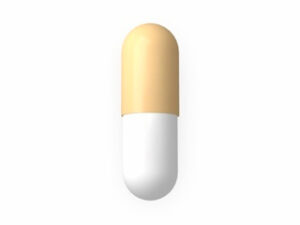
Common forms: Cleocin is commonly seen as oral capsules/solution in many markets; additional formulations may be available depending on product supply (for example, topical forms in other contexts). Availability can vary between pharmacies in Australia.
What it treats: Certain infections caused by susceptible bacteria (for example, some dental, skin, and respiratory infections), including some serious anaerobic infections.
2) Mechanism of action (how Cleocin works)
Clindamycin works by stopping bacteria from making essential proteins. It binds to the bacterial ribosome (the 50S subunit), which inhibits bacterial protein synthesis. This action can prevent bacterial growth and, depending on the organism and conditions, may help the body clear the infection.
Why it can be useful
- Effective against many anaerobic bacteria (bacteria that thrive without oxygen), which is important in some dental and intra‑abdominal infections.
- May be used for Gram‑positive infections when the bacteria are susceptible.
- Often chosen when other antibiotics are unsuitable due to allergy, resistance patterns, or clinical reasons.
3) Pharmacokinetics (how your body handles clindamycin)
Pharmacokinetics describes absorption, distribution, metabolism, and elimination. Individual responses can vary based on the infection, age, kidney and liver function, and other medicines.
| Process | What generally happens |
|---|---|
| Absorption | Oral clindamycin is generally absorbed through the gastrointestinal tract. Food can influence the timing of peak blood levels, though many people tolerate it well with or without meals. |
| Distribution | Clindamycin distributes into many tissues. It can reach sites relevant to infection and is also able to cross certain biological barriers to varying degrees. |
| Metabolism | The medicine is processed by the liver into metabolites. People with liver impairment may require extra caution and monitoring. |
| Elimination | Clindamycin and its metabolites are eliminated mainly via the liver/bile system and later through the body’s excretory pathways. Kidney impairment may not remove the medicine as directly, so monitoring is still important if you have any organ impairment. |
| Half-life (duration) | Elimination occurs over several hours; dosing schedules are designed to maintain effective levels throughout the day. |
Practical takeaway: The dose and schedule are chosen to keep antibiotic levels within a therapeutic range. Missing doses can reduce effectiveness and increase the risk of treatment failure.
4) Typical use and indications
Cleocin (clindamycin) is used for bacterial infections where the likely organisms are susceptible. It is not effective against viral infections like common cold or flu.
Common indications (examples)
- Skin and soft-tissue infections caused by susceptible bacteria.
- Dental infections, including some infections involving anaerobic bacteria.
- Infections of the respiratory tract when susceptible bacteria are involved (as determined by clinical assessment and local guidance).
- Anaerobic infections (in certain clinical situations), including infections where anaerobes are likely.
- Sometimes used in more serious or complicated infections depending on organism susceptibility and clinical judgement.
Not for everything
Cleocin is most appropriate when bacterial causes are likely and when susceptibility supports its use. Using antibiotics unnecessarily can increase resistance and raise the risk of adverse effects, including antibiotic-associated diarrhoea.
5) Timing — how to take Cleocin
Follow the instructions provided by your healthcare professional and the medicine label. Dosing schedules for clindamycin often involve taking doses several times per day, depending on the prescribed regimen.
General timing tips
- Take at evenly spaced intervals to maintain steady antibiotic levels.
- Complete the full course even if you feel better early.
- If you miss a dose, take it when you remember unless it’s close to the next dose. Do not double up.
- Use a reminder (phone alarm, calendar) if you have a multi‑dose schedule.
Hydration and comfort
Staying hydrated and taking the medicine with a glass of water may help reduce irritation for some people, particularly if tablets or capsules cause discomfort.
6) Food interactions
Food interactions with clindamycin are generally not considered severely restrictive, and many people can take it with or without meals. However, the timing with food may affect how quickly it reaches peak levels.
Practical approach
- If you experience nausea or stomach upset, taking Cleocin with food may improve comfort.
- If you’re instructed to take it on an empty stomach for a specific reason, follow that direction.
- Avoid taking it with large amounts of antacids or other medications unless your pharmacist confirms it is appropriate for your exact product and regimen.
Tip: Consistency matters—try to take each dose in a similar way each day (either always with meals or always as directed).
7) Alcohol and medicine interactions
Alcohol
It’s generally advisable to limit or avoid alcohol while taking antibiotics, especially if you feel unwell. Alcohol can worsen side effects such as nausea, dizziness, and stomach discomfort. While clindamycin does not have a classic “disulfiram-like” reaction with alcohol for many patients, mixing alcohol with medication can still increase the risk of harm indirectly.
Other medicine interactions (important examples)
Interactions can occur with other medicines. The most important interactions depend on what you take regularly. Below are common categories to discuss with a pharmacist or clinician.
- Neuromuscular blocking agents (used in anaesthesia) — antibiotic effects may potentially influence neuromuscular transmission.
- Medicines that affect intestinal flora — other antibiotics or agents that alter gut bacteria may compound the risk of antibiotic-associated diarrhoea.
- Medicines for diarrhoea — avoid using anti‑diarrhoeal medicines without advice if you develop severe symptoms, particularly blood or fever.
- Warfarin and other anticoagulants — some antibiotics can affect clotting control in certain individuals. If you’re on anticoagulants, monitoring may be required.
- Gastrointestinal irritants — other medicines causing nausea or stomach upset may increase discomfort.
Always check: Tell your pharmacist about your full list of medicines (including over‑the‑counter products, herbal supplements, vitamins, and occasional medicines). This helps ensure safe use for your personal situation.
8) Dosing overview
Dosing depends on the type and severity of infection, the susceptible organisms suspected, your age, and whether you have kidney or liver impairment. Different clindamycin products and strengths may have different instructions.
Typical adult dosing patterns (general information)
In many treatment settings, clindamycin oral dosing is given multiple times per day. The exact dose and frequency should be confirmed for your specific medicine strength and indication.
| Patient group | How dosing is generally approached |
|---|---|
| Adults | Dosing is commonly divided into several daily administrations to maintain effective levels. Dose varies with severity and infection type. |
| Older adults | Similar principles apply, but clinicians may consider overall health, liver function, hydration, and side‑effect risk. |
| Children | Dosing is typically weight-based or age-based according to product and guideline recommendations. Always use the measured paediatric dose form/instruction. |
| Liver impairment | Extra caution may be needed because clindamycin is metabolised by the liver. Your prescriber may adjust dose or monitor closely. |
| Kidney impairment | Clindamycin handling may not be identical to purely kidney‑cleared drugs, but overall monitoring is still important. |
How long is treatment usually continued?
Courses vary depending on the infection. Some skin or dental infections may require shorter courses, while more complicated infections can require longer treatment. Do not stop early just because symptoms improve.
Missed dose
If you miss a dose, take it when you remember unless it is close to the next dose. If it’s close, skip the missed dose and continue your normal schedule. Do not double up.
9) Safety profile — side effects and when to seek help
Like all antibiotics, clindamycin can cause side effects. Many people experience mild effects, but some reactions require urgent medical attention. Always seek medical advice promptly if you are concerned.
Common side effects
- Nausea
- Vomiting
- Abdominal pain or cramping
- Diarrhoea
- Headache
- Changes in taste (sometimes)
- Rash or mild skin irritation (sometimes)
Serious warning: antibiotic-associated diarrhoea
Antibiotics, including clindamycin, can sometimes cause severe diarrhoea due to overgrowth of certain bacteria in the gut. This can occur during treatment or after finishing.
Get urgent medical care if you develop any of the following:
- Watery diarrhoea that is severe or persistent
- Blood or mucus in stool
- Fever, significant abdominal tenderness, or feeling very unwell
- Signs of dehydration (dizziness, reduced urination, dry mouth)
Allergy and hypersensitivity
Stop the medicine and seek urgent help if you have signs of a serious allergic reaction, such as:
- Swelling of the face, lips, tongue, or throat
- Difficulty breathing or wheezing
- Widespread rash with blistering or skin peeling
- Severe dizziness or fainting
Other precautions
- If you have a history of colitis or severe antibiotic-associated diarrhoea, discuss this before starting clindamycin.
- If you develop unusual bruising, yellowing of the skin/eyes, dark urine, or severe fatigue, contact a clinician promptly (possible liver-related effects can rarely occur).
- If you’re pregnant, planning pregnancy, or breastfeeding, discuss the risks and benefits with a healthcare professional.
When to contact a pharmacist
Contact a pharmacist promptly if you’re experiencing bothersome side effects, uncertain dosing, or symptoms that are not improving. If symptoms worsen rapidly, seek urgent medical attention.
10) Practical use tips (to get the best outcome)
- Start on time: Begin the course as directed and keep to the schedule.
- Don’t share antibiotics: Only use clindamycin for the condition it was intended for.
- Hydrate and monitor bowel symptoms: Mild changes can happen, but severe diarrhoea should be assessed.
- Be alert for worsening infection: If fever rises, pain intensifies, or swelling spreads, seek medical advice.
- Keep a list of medicines: This helps pharmacists identify interactions.
- Take care with oral comfort: If tablets irritate your throat or stomach, take with a full glass of water and consider food if allowed for your product.
- Finish the course: Stopping early can allow bacteria to persist and can lead to recurrence or resistance.
What to expect during treatment
Many infections begin improving within a few days, but some take longer. If there’s no improvement or symptoms worsen after a reasonable period, contact your healthcare professional for reassessment.
11) Alternative options
Alternatives depend on the infection type, suspected bacteria, allergy history, local resistance patterns, and your medical history. A pharmacist or clinician can explain which options may be suitable.
Possible antibiotic alternatives (examples)
- Penicillins (when appropriate and if no allergy)
- Cephalosporins (when appropriate)
- Macrolides (for some respiratory or skin infections)
- Other anti-anaerobic agents in specific clinical settings
Non-antibiotic measures can also be important for certain conditions (for example, dental care, drainage of abscesses, wound care, or supportive treatment). Antibiotics treat bacterial infection, but some problems require local procedures.
If you’re allergic to clindamycin or it’s not suitable, ask a pharmacist about options that match your infection and safety profile.
12) Market and legal context for Australia
In Australia, prescription medicines and antimicrobial use are regulated to support safe supply and appropriate use. Antibiotics such as clindamycin are generally classified under Australian medicines scheduling rules. Availability through an online pharmacy typically requires compliance with Australian requirements, including identity verification and medication eligibility checks.
Important: Always use antibiotics only as directed by a qualified healthcare professional. Unnecessary or incorrect use can contribute to antibiotic resistance and can increase the risk of serious side effects.
Antimicrobial stewardship in Australia
Australian health services emphasise appropriate antibiotic selection, correct dose, and completion of treatment only when needed. This includes efforts to reduce antibiotic resistance and ensure medicines are used effectively.
13) Recent guidance and antimicrobial stewardship (what to remember)
Guidance for antibiotic choice can vary by local resistance patterns and the clinical scenario. In general:
- Antibiotics should be used when there is a strong likelihood of bacterial infection.
- Local protocols may guide first-line versus alternative agents.
- If cultures or diagnostic tests are available, treatment may be refined to target specific bacteria.
- People are encouraged to report side effects (especially diarrhoea) promptly.
If your symptoms don’t improve, don’t simply continue antibiotics indefinitely—ask for review so treatment can be optimised.
14) Delivery and availability (online pharmacy)
Online pharmacies in Australia typically work to provide timely access to medicines while complying with regulatory requirements. Stock availability can vary, particularly for certain strengths or formulations.
What to expect when ordering
- Product and strength confirmation: Ensure you select the correct product and strength (capsule/solution amount) matching the intended regimen.
- Packaging and labelling: Medicines should arrive in original packaging with clear instructions.
- Delivery timeframes: Delivery depends on your location and courier service availability. Delivery estimates are usually shown at checkout.
- Storage: Store according to the label—commonly at room temperature and away from moisture and heat.
Contact us for assistance
If you have questions about availability, product strength, or how to interpret a label, contact a pharmacist or customer service team before placing your order.
15) FAQ
Is Cleocin (clindamycin) effective for all infections?
No. Cleocin is an antibiotic for bacterial infections caused by susceptible organisms. It won’t treat viral illnesses like colds or flu.
Can I take clindamycin with food?
Many people can take clindamycin with or without food. If you get nausea, taking it with meals may be more comfortable. Follow your specific product instructions.
What happens if I miss a dose?
Take it when you remember unless it’s close to the next dose. Don’t double the dose to make up for it. If you’re unsure, ask a pharmacist.
How soon should I feel better?
Some improvement may occur within a few days, but it depends on the infection and severity. If you don’t improve or symptoms worsen, seek medical advice.
Why is diarrhoea a concern with clindamycin?
Antibiotics can disrupt normal gut bacteria. In some cases, this can lead to severe diarrhoea due to overgrowth of harmful bacteria. If diarrhoea is severe, persistent, or includes blood or fever, seek urgent medical care.
Is it safe to drink alcohol while taking Cleocin?
It’s best to avoid or limit alcohol while you’re unwell and on antibiotics, as it may worsen side effects like nausea and dehydration. If you want advice for your situation, consult a pharmacist.
What medicines should I be careful with?
Interaction risk depends on your exact medicines and conditions. Tell your pharmacist about all medicines you take, including anticoagulants (such as warfarin), and any medicines for diarrhoea.
Can I stop taking Cleocin once I feel better?
Generally, you should complete the course as advised. Stopping early may allow bacteria to survive and can lead to recurrence or resistance.
What should I do if I suspect an allergic reaction?
Seek urgent medical attention if you develop signs of a serious allergic reaction (swelling of face/lips/tongue, trouble breathing, widespread blistering rash).
Are there alternatives to clindamycin?
Yes. Alternative antibiotics or non-antibiotic measures may be considered depending on the infection and your medical history, including allergy status. A pharmacist or clinician can help determine the safest option.