
Augmentin (Amoxicillin / Clavulanate) – Patient Information (Australia)
Augmentin is a commonly used antibiotic medicine that combines two active ingredients: amoxicillin and clavulanate (clavulanic acid). It is used to treat certain bacterial infections and is available in several strengths and formulations in Australia.
This guide is designed to help you understand what Augmentin does, how it works in the body, how it’s typically taken, and important safety considerations—so you can use it confidently and responsibly.
1) Basic product information
| Feature | Details |
|---|---|
| Brand name | Augmentin |
| Active ingredients | Amoxicillin / Clavulanate (amoxicillin + clavulanic acid) |
| Antibiotic type | Penicillin-class antibiotic with beta-lactamase inhibitor |
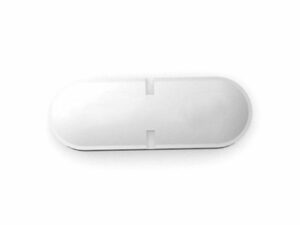
| Common forms (may vary by pack) | Tablets, chewable tablets, sachets (dry mix), oral suspension (in some brands/markets) |
| Typical clinical uses | Respiratory, ear, sinus, skin/soft tissue, dental, and certain other infections caused by susceptible bacteria |
Note: Strengths and formulations can vary (for example, different ratios of amoxicillin to clavulanate). Always use the exact product and strength you were given.
2) How Augmentin works (mechanism of action)
Augmentin combines two complementary medicines:
- Amoxicillin: A penicillin antibiotic that kills bacteria by interfering with how they build their cell walls.
- Clavulanate: A beta-lactamase inhibitor that helps protect amoxicillin from bacterial enzymes (beta-lactamases) that would otherwise break down the antibiotic.
Bottom line: The clavulanate component expands the range of bacteria that amoxicillin can effectively treat—particularly some organisms that would be resistant to amoxicillin alone.
3) Pharmacokinetics (how it moves through the body)
Pharmacokinetics describes what the body does to a medicine: absorption, distribution, metabolism, and elimination.
- Absorption: Amoxicillin and clavulanate are absorbed after oral dosing. Taking Augmentin with food can improve tolerability and may enhance absorption.
- Distribution: Amoxicillin and clavulanate distribute into body tissues and fluids. They can reach infected areas where susceptible bacteria are present.
- Metabolism: Clavulanate is metabolised in the body.
- Elimination: Both components are primarily cleared by the kidneys. People with reduced kidney function may require dose adjustments.
Clinical implication: Staying well-hydrated and taking the medicine as directed supports effective levels in the body. If you have kidney disease or reduced kidney function, tell your healthcare professional before starting.
4) Typical use in practice
Augmentin is used to treat susceptible bacterial infections where the infection is likely caused by bacteria that amoxicillin/clavulanate can cover.
Common real-world reasons it may be prescribed include:
- Ear, nose and throat (ENT) infections (e.g., some sinus infections, ear infections)
- Dental infections (e.g., some abscesses or severe dental infections)
- Skin and soft tissue infections (e.g., cellulitis in selected cases)
- Respiratory tract infections (e.g., certain lower respiratory infections)
- Urinary tract infections (in selected situations where the causative bacteria are likely susceptible)
Important: Antibiotics do not treat viral infections (such as colds and influenza). If symptoms are viral, Augmentin will not help.
5) Indications (what it treats)
In Australia, Augmentin is indicated for infections caused by susceptible organisms, commonly including:
- Infections of the upper respiratory tract, such as sinusitis and otitis media, when bacterial causes are suspected
- Infections of the lower respiratory tract, including exacerbations of chronic bronchitis and some pneumonias where bacterial pathogens are suspected
- Skin and soft tissue infections (e.g., infected wounds, cellulitis)
- Dental infections and infections in the jaw region
- Bone and joint infections in selected cases, according to clinical judgement
- Other localised infections where amoxicillin/clavulanate is considered appropriate
Susceptibility matters: Bacteria vary in resistance. If symptoms don’t improve as expected, clinicians may review the diagnosis, consider culture tests, or switch antibiotics.
6) Dosing: understanding common schedules
Dosing depends on several factors, including the type and severity of infection, your age, weight (for children), kidney function, and the specific product strength/ratio.
Typical dosing frequency: Many Augmentin regimens are taken twice daily or three times daily depending on the formulation.
General guidance for adults (not a substitute for individual instructions):
- Common adult regimens may be administered twice daily for many infections.
- Some formulations are taken three times daily.
- Duration varies: some infections may need only a few days, while others require longer courses.
For children: Doses are usually weight-based and depend on the exact formulation. It’s particularly important to confirm the concentration of suspensions and the measurement method.
Never self-adjust: Taking too little may fail to clear infection; taking too much can increase side effects. If you miss a dose, follow the guidance on your pack or from your healthcare professional.
7) Timing: when and how to take Augmentin
Consistency is key. If your regimen is twice daily, try to take doses about 12 hours apart. If it’s three times daily, aim for about 8 hours apart.
Take with food to reduce the risk of stomach upset—especially if you’re prone to nausea or diarrhoea.
- With a meal: helps improve tolerability.
- Without a meal: may still work for some people, but may increase gastrointestinal side effects.
Finish the course: Even if you feel better, stopping early can allow surviving bacteria to regrow.
8) Food interactions and what to eat
Augmentin has no specific “food-drug” interaction where certain foods must be avoided. However, food can affect how well you tolerate the medicine.
- Take with meals (or at the start of a meal) if possible.
- Stay hydrated—especially if you experience mild diarrhoea.
- If stomach upset occurs, ask your pharmacist about strategies such as taking with food and splitting the timing within the dosing window (as appropriate).
Probiotics? Some people use probiotics to help reduce antibiotic-associated diarrhoea, but evidence varies. If you consider probiotics, discuss with a pharmacist—especially if you’re immunocompromised or have severe illness.
9) Alcohol and medicine interactions
Alcohol
Moderate alcohol is not always strictly prohibited with antibiotics, but alcohol can worsen side effects such as:
- Nausea
- Stomach irritation
- Dizziness
- Diarrhoea
Practical advice: For best tolerability and recovery, it’s generally sensible to limit or avoid alcohol while you’re taking Augmentin—particularly if you’re feeling unwell.
Other medicine interactions (important)
Several medicines can interact with antibiotics or affect side effect risk. Tell your healthcare professional or pharmacist about all medicines you take, including:
- Blood thinners (anticoagulants) such as warfarin: antibiotics can increase bleeding risk in some cases; monitoring may be needed.
- Allopurinol: may increase likelihood of rash in some patients when combined with amoxicillin.
- Oral contraceptives: most antibiotics do not reliably reduce effectiveness, but gastrointestinal upset (vomiting/diarrhoea) can. If you vomit or have severe diarrhoea, consider additional contraception and follow local guidance.
- Other medicines affecting the kidneys: can influence clearance—especially relevant for people with kidney disease.
Allergy and cross-reactions: If you’ve previously had an allergic reaction to penicillins, cephalosporins, or have a history of severe drug allergy, you should seek medical advice before using Augmentin.
10) Safety profile: common and serious side effects
Like all medicines, Augmentin can cause side effects. Many people experience none or only mild effects. The most important reactions to recognise are allergy and severe diarrhoea.
Common side effects
- Diarrhoea (often mild; can sometimes be significant)
- Nausea and vomiting
- Indigestion or stomach upset
- Skin rash (mild rashes can occur)
- Headache
Seek urgent help if you notice
- Signs of an allergic reaction:
- Facial swelling, lip or throat swelling
- Difficulty breathing or wheezing
- Hives or widespread rash
- Severe or persistent diarrhoea, especially watery stools, blood/mucus, fever, or abdominal cramps (could indicate a serious bowel condition)
- Severe skin reactions (rapidly worsening rash, blistering, skin peeling, mouth sores)
- Yellowing of the skin/eyes or dark urine (possible liver effects, especially with prolonged use)
Who should take extra care
- People with a penicillin allergy or previous severe beta-lactam reaction
- People with kidney impairment (may need dose adjustment)
- History of antibiotic-associated diarrhoea or bowel conditions
- Older adults who may be more susceptible to side effects and dehydration
11) Practical use tips (to get the best outcome)
- Take it at the same times daily to maintain steady medicine levels.
- Take with food to reduce stomach upset.
- Use accurate dosing tools for liquid forms (dose syringe/cup, not kitchen measures).
- Complete the course unless advised otherwise by a clinician.
- Monitor symptoms: improvement is often seen within a few days; if not, seek advice.
- Watch for side effects: stop and seek urgent help for signs of allergy or severe diarrhoea.
Missed dose reminder: If you miss a dose, take it when you remember unless it’s close to the next dose. Do not double doses. Follow the product instructions or ask your pharmacist.
12) Alternative options (depending on the infection and resistance)
Because infections vary and antibiotic resistance patterns change, alternatives to Augmentin may include other antibiotics or supportive treatments. A pharmacist or clinician can help select the most appropriate option.
Possible alternatives (examples, not exhaustive) may include:
- Amoxicillin alone (if beta-lactamase resistance is unlikely)
- Cephalosporins in certain infections (only if suitable and not contraindicated by allergy history)
- Macrolides such as azithromycin or clarithromycin for specific situations (depending on local guidelines and the likely bacteria)
- Doxycycline for selected bacterial infections (where appropriate)
- Topical or local therapies for certain skin or eye infections (when antibiotics are indicated)
Key point: Alternatives depend on diagnosis, severity, age, allergy history, kidney function, and antibiotic susceptibility. Choosing an alternative without professional guidance may lead to treatment failure.
13) Market and legal context for Australia
In Australia, antibiotics are regulated and must be used responsibly to support effective treatment and reduce antibiotic resistance. Availability, dispensing arrangements, and requirements can vary by formulation, schedule and pharmacy practice.
Antibiotic stewardship: Health authorities emphasise using antibiotics only when bacterial infection is likely and selecting the most appropriate agent and duration. This helps reduce the spread of resistant bacteria and improves outcomes for patients.
Quality and supply: Online pharmacies operate within Australian regulatory frameworks and typically require identification of the correct product, strength, and patient details to dispense safely. Always ensure you order the exact medicine and strength you intend to use.
Recent guidance and trends: Australian antimicrobial stewardship programs encourage:
- Careful diagnostic assessment (confirm whether infection is likely bacterial)
- Avoiding unnecessary antibiotic use for viral illnesses
- Reviewing therapy if there’s no improvement
- Using appropriate dosing and duration to reduce resistance risk
14) Delivery and availability (online pharmacy considerations)
Augmentin is widely stocked by pharmacies, but specific strengths and forms may sell out at times. Delivery availability can vary by location and courier schedules.
What to expect when ordering online:
- Product selection: confirm the brand and strength/ratio (e.g., tablet strength or powder/suspension format).
- Packaging: check expiry date and storage requirements (some liquid mixes require refrigeration—follow the pack instructions).
- Delivery timing: estimated delivery is typically provided during checkout; rural/regional areas may require longer transit.
- Signature/ID: some orders may require adult signature or verification.
Cold chain? Some formulations may have special storage. If you’re purchasing a suspension or a dry mix that requires reconstitution, check the product instructions and ask the pharmacy if storage conditions are needed for delivery.
15) FAQ – Augmentin (Amoxicillin / Clavulanate)
1) What is Augmentin used for?
Augmentin is used for infections caused by susceptible bacteria. It’s often considered for certain ear, sinus, dental, skin/soft tissue, and respiratory infections, among others, depending on clinical assessment.
2) How long does it take to start working?
Many people notice symptom improvement within 48–72 hours. If you’re not improving or symptoms worsen, seek advice from a healthcare professional.
3) Should I take Augmentin with food?
Yes—taking Augmentin with food is generally recommended to help reduce stomach upset and improve tolerability.
4) Can I stop once I feel better?
It’s important to finish the full course unless advised otherwise. Stopping early can increase the risk of relapse and may contribute to antibiotic resistance.
5) What if I miss a dose?
Take it when you remember unless it’s nearly time for your next dose. Don’t double up. Refer to the pack directions or ask your pharmacist for advice.
6) What if I get diarrhoea?
Mild diarrhoea can occur with antibiotics. Stay hydrated. Seek urgent medical advice if diarrhoea is severe, persistent, watery, contains blood/mucus, or is associated with fever and abdominal pain.
7) Is Augmentin safe for children?
Augmentin can be used in children when appropriate, but dosing depends on the child’s weight and the exact formulation. Use only the strength and instructions provided for paediatric use.
8) Can I drink alcohol while taking Augmentin?
Alcohol may worsen side effects like nausea and diarrhoea and could slow recovery. Limiting or avoiding alcohol while you’re unwell is usually the best approach.
9) Does Augmentin affect contraception?
Antibiotics are not generally proven to reduce the effectiveness of oral contraception. However, vomiting or severe diarrhoea can reduce absorption. If you have significant gastrointestinal upset, use additional contraception and follow local guidance.
10) What should I do if I have an allergy?
If you’ve had a previous penicillin allergy or signs of allergic reaction (hives, swelling, difficulty breathing), seek medical advice before using Augmentin. If symptoms are severe, seek urgent emergency help.
Summary
Augmentin (amoxicillin/clavulanate) is a broad-spectrum antibiotic combination designed to treat infections caused by susceptible bacteria—especially where beta-lactamase–producing organisms may be involved. It works by combining amoxicillin with clavulanate, improving effectiveness against certain resistant bacteria.
For best results, take the medicine as directed, typically with food, complete the course, and seek help urgently for allergy symptoms or severe diarrhoea. If you’re unsure about dosing, interactions, or side effects, consult a pharmacist or healthcare professional.
Disclaimer: This information is intended for general patient education and does not replace advice from a healthcare professional. Always follow the instructions provided with your specific Augmentin product and seek medical advice for concerns or worsening symptoms.