Keflex (Cephalexin) — Patient-Friendly Guide (Australia)
Keflex is a brand name medicine containing cephalexin, a cephalosporin antibiotic used to treat certain bacterial infections. This guide explains how Keflex works, when it’s used, typical dosing schedules, safety considerations, interactions, and practical tips to help you use it effectively.
Important: Antibiotics only work against bacterial infections. They do not treat colds, flu, or most sore throats caused by viruses.
Key Product Information
- Medicine: Keflex (cephalexin)
- Medicine type: Antibiotic (cephalosporin)
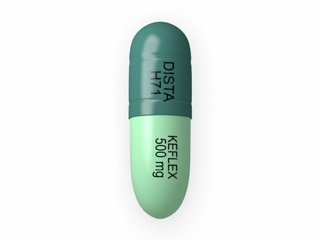
- How it is taken: Usually by mouth (capsules/tablets or liquid form depending on availability)
- Common dosing frequency: Often 6-hourly (four times daily) or as otherwise directed for your situation
- What it treats: Selected bacterial infections such as skin and urinary tract infections
How Keflex Works (Mechanism of Action)
Cephalexin works by interfering with the way bacteria build their cell walls. Specifically, it binds to penicillin-binding proteins (PBPs), which are essential for forming and maintaining the bacterial cell wall.
When cell wall formation is disrupted, bacteria become weakened and are unable to grow and multiply effectively. Over time, this helps the body clear the infection.
Note: Not all bacteria are susceptible to cephalexin. Your prescriber or pharmacist may choose it based on the most likely bacteria and local antibiotic guidance.
Pharmacokinetics (Absorption, Distribution, Metabolism & Excretion)
Understanding how cephalexin behaves in the body can help you take it correctly.
- Absorption: Cephalexin is generally absorbed after oral dosing. Taking it consistently helps maintain effective levels.
- Peak levels: Blood levels typically rise within a few hours after a dose.
- Distribution: It distributes into body fluids and tissues, including areas relevant to common infections.
- Metabolism: Cephalexin is largely not extensively metabolised in the body.
- Excretion: It is mainly eliminated by the kidneys via urine.
Kidney function matters: If you have reduced kidney function, doses may need adjustment to reduce the risk of side effects.
Typical Uses of Keflex
Keflex is used for a range of infections caused by susceptible bacteria. Common indications may include:
- Skin and soft tissue infections: e.g., cellulitis, infected wounds, impetigo
- Urinary tract infections (UTIs): including uncomplicated UTIs when appropriate
- Bone and joint infections: selected cases, often with specialist guidance
- Respiratory tract infections: certain bacterial throat or chest infections where cephalexin is considered suitable
- Ear infections: in selected cases depending on local guidance and bacterial susceptibility
Exact suitability depends on the likely bacteria, your medical history, allergy status, and local antimicrobial recommendations.
When to Take Keflex (Timing & Duration)
Consistency is important for antibiotics. The goal is to keep antibiotic levels in your body at effective concentrations.
- Take at regular intervals: Many regimens are four times daily (every 6 hours) to maintain coverage.
- Finish the course: Even if you feel better, complete the full duration unless your clinician advises otherwise.
- Plan your day: Use alarms if you need doses across mornings, evenings, and night-time.
- Missed dose: Take it when you remember unless it’s close to the next dose. Don’t double up.
If you’re unsure about the schedule: Check the label on your medicine pack or speak with a pharmacist.
Food Interactions & What to Eat
Cephalexin can generally be taken with or without food. However, food can sometimes improve tolerance.
- With meals: May reduce stomach upset for some people.
- Between meals: Usually acceptable if it suits your routine.
- Consistency: Try to take doses at similar times each day.
Practical tip: If you notice nausea, consider taking the next dose with a snack or meal (unless your product information advises otherwise).
Alcohol & Medicine Interactions
Alcohol: While there isn’t usually a strict alcohol contraindication with cephalexin, alcohol may worsen side effects such as dizziness, nausea, and stomach discomfort, and it may slow recovery. If you drink alcohol, consider limiting or avoiding it until you feel well again.
Other medicine interactions to be aware of: Cephalexin may interact with certain medicines, and it can also be affected by changes in kidney function. Tell your pharmacist about all medicines and supplements, especially:
- Probenecid: may affect kidney excretion and increase antibiotic levels.
- Other medicines that affect kidneys: may require monitoring in some patients.
- Warfarin or other anticoagulants: antibiotics can sometimes influence bleeding risk in certain people. Extra monitoring (e.g., INR checks) may be needed.
- Oral contraceptives: Most evidence suggests usual antibiotic use does not reliably reduce contraceptive effectiveness, but vomiting or severe diarrhoea can. If you have ongoing gastrointestinal upset, use additional contraception as advised by your healthcare provider.
Allergies matter: Cephalexin is a beta-lactam antibiotic related to penicillins. If you’ve ever had an allergic reaction to penicillin or cephalosporins, discuss this with a healthcare professional before starting.
Indications (What Keflex Treats)
In practice, Keflex is prescribed for bacterial infections that are expected to respond to cephalexin. Common examples include:
- Infections of the skin and tissues beneath the skin
- Urinary tract infections
- Some throat/respiratory infections when bacterial causes are suspected
- Bone and joint infections in selected situations
- Ear infections in selected circumstances
If your symptoms don’t improve within a reasonable timeframe, your clinician may reassess the diagnosis or consider different treatment based on culture results or guidelines.
Dosing Information (General Guidance)
Dosing for cephalexin depends on the type and severity of infection, your age, kidney function, and local guidance. Below is general information to help you understand how dosing is commonly structured.
| Population | Common dosing pattern (example) | Notes |
|---|---|---|
| Adults | Often 6-hourly (four times daily) for many uncomplicated infections | Dose strength varies by product and indication. Your label will show the exact amount. |
| Children | Often 6-hourly, with dose calculated by weight | Only use weight-based dosing as directed for your child. |
| Kidney impairment | Dose interval and/or amount may be adjusted | Adjustment reduces risk of accumulation and side effects. |
Follow the directions on your medicine label or those provided by your healthcare professional. If you’re unsure, ask a pharmacist to help you interpret the dosing instructions.
Do not stop early: Stopping before the recommended course can increase the chance of treatment failure and recurrence.
Safety Profile: Common and Serious Side Effects
Like all medicines, Keflex can cause side effects. Many people tolerate it well, but it’s important to know what to look for.
Common side effects
- Gastrointestinal upset: nausea, stomach discomfort
- Diarrhoea (mild)
- Headache
- Rash (mild)
- Vaginal thrush or oral thrush in some people
Serious side effects (seek urgent medical advice)
- Signs of allergy: swelling of face/lips, wheezing, severe rash or hives, difficulty breathing
- Severe or persistent diarrhoea (especially watery or bloody), abdominal cramps, or fever — could be a serious bowel condition
- Severe skin reactions: blistering, peeling, or widespread rash with fever
- Yellowing of eyes/skin or dark urine (possible liver-related issues)
Stop and get help promptly if you suspect a severe allergic reaction or serious bowel symptoms.
Practical Tips for Using Keflex
- Take it consistently: Set reminders if you’re on a schedule like every 6 hours.
- Hydrate: Drink water regularly, especially if you experience nausea or diarrhoea.
- Don’t share antibiotics: Keflex should only be used for the person it was prescribed for.
- Track your response: If you don’t feel better after the first 48–72 hours (or symptoms worsen), contact a clinician.
- Be mindful of thrush risk: Antibiotics can alter normal flora. If you develop symptoms of thrush, ask a pharmacist about options.
- Storage: Follow storage instructions on the pack. Keep out of reach of children.
Alternative Options (What May Be Used Instead)
Alternative antibiotics may be considered depending on the infection type, severity, allergy history, and local susceptibility patterns. Alternatives might include other beta-lactams or non-beta-lactam antibiotics.
- Other cephalosporins or penicillins (depending on the infection and allergy history)
- Macrolides for certain respiratory infections (only when appropriate)
- Clindamycin in some skin or dental-related infections where suitable
- Nitrofurantoin or trimethoprim-sulfamethoxazole for selected UTIs (depending on local guidance and individual factors)
Choice depends on: the suspected bacteria, severity, patient allergy status, kidney function, pregnancy considerations, and antimicrobial stewardship guidance.
If you have questions about why Keflex was chosen or whether an alternative may be better for you, discuss with a pharmacist or clinician.
Australia Market & Legal Context (General Overview)
In Australia, access to antibiotics such as cephalexin is regulated to support safe use and reduce antimicrobial resistance. Keflex products are available through pharmacy supply channels, and specific access requirements apply based on local regulations and product listing.
For online pharmacy customers, delivery and sale depend on:
- Product availability and listing with Australian regulators
- Appropriate screening for safety (including allergy history and contraindications)
- Correct supply for the intended medical need
Always ensure you use medicines only as directed by a healthcare professional.
Recent Guidance & Antimicrobial Stewardship
Antibiotic prescribing in Australia is influenced by antimicrobial stewardship programs and guidance from health authorities aimed at:
- Using antibiotics only when there is a strong likelihood of bacterial infection
- Selecting the narrowest effective antibiotic when possible
- Using appropriate duration to reduce resistance and side effects
Sometimes, clinicians may recommend watchful waiting or additional tests if the illness may not be bacterial. If antibiotics are started, reassessment may occur if symptoms don’t improve.
Delivery & Availability (Online Pharmacy)
Keflex (cephalexin) may be available online depending on the pharmacy’s range and stock. Delivery options in Australia commonly include standard and express shipping, with processing times that vary by location.
- What to expect: availability checks during checkout
- Packaging: products are typically delivered in manufacturer/pharmacy packaging with clear labeling
- Temperature/storage: follow the storage instructions on your pack (avoid excessive heat)
- Plan ahead: antibiotics are best started promptly when recommended by your healthcare professional
If you need Keflex quickly, check estimated delivery times at checkout and consider contacting the pharmacy to confirm stock and dispatch timing.
FAQ: Common Questions About Keflex
1) What is Keflex used for?
Keflex (cephalexin) is used to treat certain bacterial infections, commonly including skin infections and urinary tract infections, among others, depending on clinical suitability.
2) How quickly should I feel better?
Many people start to notice improvement within 48–72 hours. If symptoms worsen or you see no improvement within this timeframe, contact a clinician for reassessment.
3) Can I take Keflex with food?
Yes. Cephalexin can generally be taken with or without food. If you have nausea, taking it with a meal may help.
4) Is it okay to drink alcohol while taking Keflex?
Moderate alcohol is not always strictly prohibited, but it may increase side effects and slow recovery. If possible, limit or avoid alcohol while you’re unwell and taking the antibiotic.
5) What if I miss a dose?
Take it as soon as you remember unless it’s close to the next scheduled dose. Don’t take two doses at the same time. If you’re unsure, ask your pharmacist.
6) Can I stop early if I feel better?
Try to complete the full course as directed. Stopping early can increase the risk that the infection returns or doesn’t fully clear.
7) What should I do if I develop diarrhoea?
Some mild diarrhoea can occur. However, seek urgent advice if diarrhoea is severe, persistent, watery or bloody, or if you have fever and stomach pain.
8) What if I’m allergic to penicillin?
If you’ve had an allergic reaction to penicillin or other beta-lactam antibiotics, discuss this with a healthcare professional. Cephalexin may not be suitable for everyone with a history of allergy.
9) Will Keflex affect birth control pills?
Antibiotics like cephalexin usually do not reliably reduce oral contraceptive effectiveness. However, if you develop significant vomiting or severe diarrhoea, contraceptive absorption may be affected—follow advice from your healthcare provider.
10) Who should take extra care?
People with kidney impairment, a history of severe allergies, those taking anticoagulants, and pregnant or breastfeeding individuals should receive tailored guidance from a healthcare professional.
Summary
Keflex (cephalexin) is an oral antibiotic used to treat selected bacterial infections, particularly skin and urinary tract infections. It works by disrupting bacterial cell wall formation, and it is mainly eliminated through the kidneys. Taking Keflex at consistent intervals and completing the prescribed course helps ensure the best chance of recovery.
If you have concerns about side effects, allergies, interactions, or whether the antibiotic is appropriate for your symptoms, consult a pharmacist or clinician for personalised advice.