

Amoxil (Amoxicillin) — Patient Guide (Australia)
Amoxil is a brand of the antibiotic amoxicillin, used to treat a range of bacterial infections. This guide explains how it works, how it’s used, what to expect, and important safety information for people in Australia.
Please read this information alongside the advice you receive from a healthcare professional or the product instructions provided with your medicine.
Quick product information
| Category | Details |
|---|---|
| Medicine | Amoxil (amoxicillin) |
| Medicine type | Penicillin-class antibiotic |
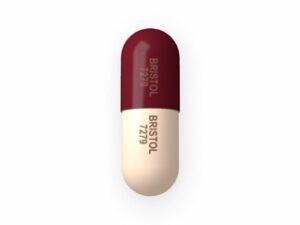
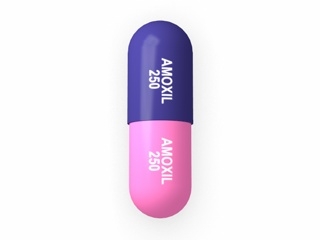
| Common forms | Capsules and/or tablets; paediatric oral liquid may be available |
| How it works | Kills certain bacteria by interfering with bacterial cell-wall formation |
| Typical conditions | Ear, throat, sinus, chest and other susceptible bacterial infections |
| Side effects | Common: diarrhoea, nausea, rash; seek help for severe allergy or persistent symptoms |
How Amoxil works (mechanism of action)
Amoxicillin is a broad-spectrum beta-lactam antibiotic in the penicillin group. It works by:
- Targeting bacterial cell-wall synthesis (specifically by binding to proteins involved in building the cell wall).
- Preventing bacterial growth and causing bacterial death in susceptible organisms.
- Relying on the fact that human cells do not build cell walls the way bacteria do, which helps make it selective against bacteria.
Important: antibiotics like Amoxil work for bacterial infections, but they do not treat viral illnesses such as the common cold or flu.
Pharmacokinetics (how the body handles amoxicillin)
Pharmacokinetics describes what the body does to a medicine—how it absorbs, distributes, metabolises, and excretes it.
- Absorption: Amoxicillin is absorbed from the gastrointestinal tract. Food may affect the speed of absorption but usually does not significantly reduce the overall amount absorbed.
- Distribution: It distributes into body fluids and tissues, with levels influenced by inflammation and site of infection.
- Metabolism: Only a small fraction is metabolised in the body.
- Elimination: It is mainly cleared by the kidneys via urine. Kidney function can affect how quickly the medicine leaves the body.
- Half-life: In people with normal kidney function, the elimination half-life is typically several hours, which is why dosing may be scheduled multiple times per day depending on the regimen.
If you have kidney impairment, your dosing may need adjustment to reduce the risk of side effects.
Typical uses (indications)
Amoxil is used when a clinician suspects or confirms that an infection is caused by bacteria susceptible to amoxicillin. Common indications include infections involving the:
- Ear, nose, and throat (ENT): such as middle-ear infections (otitis media), tonsillitis, and sinus infections (sinusitis) when bacterial infection is likely.
- Chest and respiratory tract: such as some cases of bronchitis or pneumonia caused by susceptible bacteria (often guided by local guidance and severity).
- Skin and soft tissue: in selected bacterial skin infections.
- Dental infections: where bacterial infection is present and appropriate antibiotic therapy is chosen.
- Other susceptible infections: as determined by a clinician based on symptoms, examination, and sometimes tests.
Whether Amoxil is appropriate depends on the infection type, severity, local resistance patterns, and individual factors (including allergies).
When to take it (timing and dosing schedule)
Your dosing schedule depends on the infection and your age/weight. Many adult and paediatric regimens use either:
- Twice daily (every 12 hours), or
- Three times daily (every 8 hours)
A key principle is to keep fairly even time intervals so that antibiotic levels stay within an effective range.
Practical timing tips:
- Pick times that are easy to remember (e.g., morning and evening).
- Try to keep spacing consistent each day.
- If you miss a dose, take it when you remember unless it is close to the next dose (avoid doubling doses).
Dosing guidance (general information)
Dosing must be individualised. Always follow the dosing instructions provided with your specific product and the guidance given to you by a healthcare professional.
- Adults: dose and frequency vary depending on the infection. Some common regimens use multiple daily doses for a set duration.
- Children: dose is often calculated by weight, and different formulations (including liquids) may be used for accuracy.
- Renal impairment: lower doses or longer intervals may be recommended when kidney function is reduced.
Course length: Many infections require a full course even if you feel better earlier. Stopping early can allow susceptible bacteria to regrow and increase the chance of relapse.
If you are unsure about your dose strength or how much to take, check the product label and ask your pharmacist.
Food interactions (what to eat and drink)
Amoxicillin generally can be taken with or without food.
- With food: may reduce stomach upset for some people.
- Without food: may be equally effective for many patients, but can increase nausea or indigestion in sensitive individuals.
Drink plenty of fluids unless you’ve been advised to restrict fluids for another medical reason.
Alcohol interactions
In general, moderate alcohol intake is not known to directly deactivate amoxicillin. However, there are important practical considerations:
- It may worsen side effects such as nausea, dizziness, and stomach upset.
- If you are unwell, your body may be less able to tolerate alcohol.
- Alcohol can affect hydration and sleep, which may slow recovery.
For the safest approach, consider avoiding alcohol while you’re actively treating an infection and while you’re still feeling unwell.
Medicine interactions (important drug interactions)
Amoxil can interact with other medicines in ways that may increase side effects, reduce effectiveness, or require monitoring.
Examples of interactions to discuss with a pharmacist or clinician include:
- Anticoagulants (blood thinners) (e.g., warfarin): antibiotics can affect gut bacteria and clotting control, potentially requiring closer monitoring (often measured using INR).
- Oral contraceptives: for most people, antibiotics like amoxicillin are not strongly linked to contraceptive failure, but vomiting or diarrhoea can reduce absorption of contraceptive hormones. If you experience significant vomiting/diarrhoea, seek advice about additional contraception.
- Allopurinol: may increase the likelihood of skin rash when used with amoxicillin in some people.
- Other antibiotics or similar agents: combination therapy may be used in specific circumstances, but it should be guided by a clinician.
- Probenecid: may reduce renal clearance of amoxicillin, potentially increasing levels.
- Laboratory test effects: antibiotics may sometimes influence certain urine tests. Inform the healthcare team you are taking amoxicillin if tests are planned.
This is not a complete list. Tell your pharmacist about all medicines you take, including prescription medicines, over-the-counter products, vitamins, and herbal supplements.
Safety profile and side effects
Like all medicines, Amoxil can cause side effects. Many are mild and improve as your body adjusts. However, some reactions require urgent attention.
Common side effects
- Diarrhoea
- Nausea or stomach upset
- Vomiting
- Skin rash or mild itching
- Headache (less common)
Serious but less common risks
- Allergic reaction (hypersensitivity): can range from a mild rash to severe reactions (anaphylaxis). If you have ever had an allergy to penicillins or cephalosporins, discuss this with a clinician before taking amoxicillin.
- Severe skin reactions: signs include blistering, peeling skin, or sores in the mouth/eyes.
- Clostridioides difficile–associated diarrhoea: persistent watery diarrhoea, abdominal cramps, fever, or blood/mucus in stool can occur after antibiotics.
- Persistent or worsening symptoms: if your infection does not improve, it may mean the cause is not susceptible or another diagnosis is needed.
Seek urgent medical help if you notice
- Swelling of the face, lips, tongue, or throat
- Trouble breathing, wheezing, or fainting
- Severe rash with blisters or peeling skin
- Severe watery diarrhoea or diarrhoea with fever or blood
Practical use tips (getting the best results)
- Complete the course: even if symptoms improve, continue as advised.
- Use consistent dosing: keep spacing even across the day.
- Track symptoms: note improvement and any new side effects.
- Stay hydrated: especially if you have diarrhoea or vomiting.
- Don’t share antibiotics: use only for the condition they were chosen for.
- Take care with missed doses: if you miss one, take it when remembered unless close to the next dose—do not double up.
- Paediatric liquid use: shake the bottle as directed, use an oral syringe or measuring device, and measure accurately.
What to expect during treatment
Symptom improvement often begins within 48–72 hours, but the exact timing depends on the infection and your immune response.
- If symptoms are not improving after a couple of days, or you feel significantly worse, contact your healthcare professional.
- Fever may take longer to settle in more severe infections.
- Some symptoms (e.g., cough) can improve more slowly even when the infection is responding.
Alternative options (when Amoxil may not be suitable)
Alternatives depend on the suspected bacteria, the infection site, severity, allergy history, kidney function, and local guidelines. Possible alternatives (chosen by clinicians) may include other antibiotics or different treatment approaches.
Common reasons for choosing an alternative include:
- Known allergy to penicillins
- Suspected or confirmed bacteria resistant to amoxicillin
- Inability to tolerate side effects
- Specific infection patterns requiring a different spectrum of activity
In some situations, supportive care alone may be appropriate if the illness is not bacterial. A clinician can help determine the most appropriate option.
Australia: market, legal and guidance context
In Australia, antibiotics are medicines used to treat bacterial infections and are regulated under the Australian health and medicines framework. Antibiotic use is strongly guided by:
- Antimicrobial stewardship to help reduce antibiotic resistance.
- Local prescribing guidelines that consider typical bacteria and resistance patterns.
- Safety requirements including allergy screening and monitoring for side effects.
Guidance also emphasises appropriate antibiotic selection and duration, avoiding unnecessary use for viral illnesses. If you’re buying medicines online, reputable Australian pharmacies follow requirements designed to support safe supply and patient care.
Recent guidance (high-level)
Australian antimicrobial stewardship continues to focus on:
- Using antibiotics only when bacterial infection is likely.
- Choosing the narrowest effective antibiotic when possible.
- Reviewing treatment if symptoms do not improve as expected.
- Encouraging adherence to the full prescribed course.
Local public health and clinical guidelines can vary by condition (for example, ear, sinus, respiratory, skin), and may be updated over time. Your pharmacist can help you understand how guidance applies to your specific situation.
Delivery and availability (Australia)
Availability of Amoxil can depend on the form and strength you need (for example, capsule/tablet strengths or paediatric liquid). Many Australian online pharmacies offer delivery to eligible locations within Australia, typically using tracked shipping.
To help ensure a smooth delivery:
- Double-check your delivery address and contact details.
- Ensure someone is available if delivery requires signature.
- Store the medicine as directed on the pack (commonly at room temperature, away from moisture and heat).
If a product is temporarily unavailable, the pharmacy may offer alternative arrangements (such as equivalent stock or different pack options) consistent with regulations and supply policies.
Storage and handling
- Keep in the original packaging to protect from light and moisture.
- Store at the temperature on the label (commonly below 25°C, unless otherwise specified).
- Keep out of reach of children.
- For liquids, follow instructions about refrigeration and shelf life after opening (if applicable to your formulation).
FAQ
1) Can I take Amoxil with food?
Yes. Amoxil can generally be taken with or without food. If it upsets your stomach, taking it with food may help.
2) What if I miss a dose?
Take it when you remember unless it’s close to the next dose. Don’t take two doses at once. If you’re unsure, contact your pharmacist for advice.
3) How soon should I feel better?
Many people begin to feel improvement within 48–72 hours. If there’s no improvement or symptoms worsen, seek medical advice.
4) Is Amoxil safe for children?
Amoxicillin is commonly used in children, but the dose is often based on weight and the formulation must match the prescribed amount. Use the measuring device provided for liquid formulations.
5) Can I drink alcohol while taking Amoxil?
Moderate alcohol is not typically known to directly interact with amoxicillin, but alcohol may worsen side effects and delay recovery. It’s often best to avoid alcohol while you’re unwell.
6) What side effects are most common?
Common side effects include diarrhoea, nausea, stomach upset, and mild rash. Seek urgent help for severe allergy signs, severe skin reactions, or significant/persistent diarrhoea.
7) Will Amoxil treat viral infections like colds or flu?
No. Amoxicillin is an antibiotic that works against bacteria, not viruses.
8) What should I do if I develop a rash?
Mild rash can occur. However, if the rash is severe, blistering, involves the face/mouth, or comes with breathing difficulty, seek urgent medical attention.
9) Can Amoxil affect birth control?
Antibiotics like amoxicillin are not usually strongly linked to contraceptive failure. However, if you have significant vomiting or diarrhoea, contraceptive absorption may be reduced. Seek advice if this occurs.
10) Is antibiotic resistance a concern?
Yes. That’s why antibiotics should be used only when bacterial infection is likely, taken as directed, and not shared. Completing the full course helps reduce the risk of treatment failure.
Important reminder
Amoxil (amoxicillin) can be a useful treatment for susceptible bacterial infections. If you have a history of penicillin allergy, kidney disease, or you’re taking other medicines (particularly anticoagulants), discuss this with a healthcare professional or pharmacist.
If you’re unsure whether Amoxil is the right medicine for your symptoms, it’s best to seek advice promptly.