
Ciprodex (Ciprofloxacin / Dexamethasone) — Patient Information (Australia)
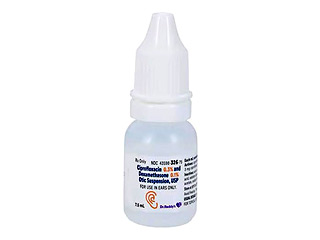
Ciprodex is an ear medicine that combines two active ingredients: ciprofloxacin (an antibiotic) and dexamethasone (a corticosteroid). It is used to help treat certain ear infections where inflammation and bacterial infection occur together.
This page explains how Ciprodex works, how it is used, what to expect, key safety information, and practical tips. Always follow the instructions provided with your product.
1) Basic product information
- Brand: Ciprodex
- Active ingredients: Ciprofloxacin + Dexamethasone
- Dosage form: Ear drops (solution)
- Common use: Local treatment of ear infections with inflammation
Important: Ciprodex is formulated for use in the ear. Do not swallow the drops. If you have been advised to use it in a specific ear, use only that ear unless instructed otherwise.
2) How Ciprodex works (mechanism of action)
Ciprodex works as a combination treatment:
- Ciprofloxacin (antibiotic): A fluoroquinolone antibiotic. It kills bacteria by interfering with enzymes the bacteria need to copy their DNA (DNA gyrase and topoisomerase II). This helps stop bacterial growth and can clear the infection.
- Dexamethasone (corticosteroid): Reduces inflammation by modulating immune responses. It can help decrease swelling, redness, pain, and itching associated with ear canal inflammation.
Because it includes both an antibiotic and anti-inflammatory medicine, Ciprodex is often selected for infections where inflammation is prominent and symptoms are uncomfortable.
3) Pharmacokinetics (how the body handles it)
Ciprodex is applied locally into the ear. In most patients, systemic absorption is low. The medication mainly acts at the site of infection/inflammation.
- Absorption: Limited absorption through ear tissues. Absorption can be higher if there is a tear in the eardrum (perforation) or if the ear canal lining is inflamed, though overall exposure remains generally limited.
- Distribution: Small amounts absorbed may circulate systemically.
- Metabolism: Ciprofloxacin is metabolised in the body to some extent. Dexamethasone is metabolised primarily by the liver.
- Elimination: Active and inactive forms are eliminated mainly via the kidneys and, to a lesser extent, through other routes.
In practical terms: because the treatment is local, many side effects are also local (e.g., temporary irritation). However, it is still important to use the correct dose and duration.
4) Typical uses and when it is prescribed
Ciprodex is used for bacterial infections of the ear canal and related inflammatory conditions where an antibiotic and anti-inflammatory therapy are appropriate.
Common indications include:
- Otitis externa (inflammation/infection of the outer ear canal), particularly when there is significant inflammation.
- Cases where symptoms such as pain, swelling, discharge, or reduced comfort are due to bacterial infection and the ear canal is inflamed.
Your clinician may choose Ciprodex based on the appearance of the ear, suspected or confirmed bacteria, severity, and the presence of inflammation. If you have a history of recurrent infections, it’s especially important to address contributing factors (e.g., moisture, trauma from cleaning, swimming habits).
5) When to use it (timing and course length)
Ciprodex is usually taken as ear drops at a set frequency for a limited period. The exact schedule depends on the condition being treated and the product instructions provided for your pack.
- Typical schedule: Often twice daily (e.g., morning and evening), but follow your specific directions.
- Typical duration: Commonly around 7–10 days for many ear conditions. Do not stop early unless advised.
- Missed dose: If you miss a dose, apply it when you remember unless it is close to the next dose. Do not double the dose.
Tip: Try to apply the drops at consistent times to help maintain effectiveness across the day.
6) How to use Ciprodex (practical step-by-step tips)
Correct application helps the medicine reach the affected area inside the ear canal.
- Wash your hands before and after using the drops.
- Warm the bottle in your hands for a few minutes if the solution feels cold. Cold drops can be uncomfortable.
- Position yourself: Tilt your head so the affected ear faces upward. If possible, lie down or keep the head tilted for several minutes after instilling drops.
- Apply the drops: Gently pull the outer ear to help open the ear canal (adult instructions vary; your healthcare professional may advise what works best).
- Keep the position: Remain in the same position for about 1–5 minutes (or as directed) to allow the drops to spread into the canal.
- Wipe excess: If drops spill out, gently wipe the outer ear. Do not insert cotton buds or other objects to “clean” deep inside after drops.
- Complete the course: Even if symptoms improve, finish the prescribed number of days unless advised otherwise.
If you wear hearing aids or earplugs, ask your pharmacist or clinician when you can use them again. Sterile or clean handling is important to avoid contamination of the dropper tip.
7) Food interactions
Ciprodex is applied to the ear. Food interactions are unlikely because systemic exposure is generally low. There are usually no special dietary restrictions while using ear drops.
Nevertheless, if you take other medications that can affect immune function or healing, keep your healthcare team informed.
8) Alcohol and medicine interactions
Alcohol
Because Ciprodex is administered locally to the ear, alcohol interactions are not expected to be significant. However, if you are unwell, dehydrated, or taking other medicines that can cause dizziness or upset stomach, alcohol may worsen how you feel.
Other medicines
There is a potential (though usually limited) for interaction if meaningful amounts of the active ingredients are absorbed. In most patients using ear drops appropriately, major drug interactions are unlikely.
Still, tell your pharmacist or clinician if you take or have recently used:
- Other antibiotics (topical or oral)
- Other corticosteroids (including tablets, injections, inhalers, or creams)
- Medicines that affect the immune system or wound healing
- Blood thinners (warfarin and similar medicines), if you have significant absorption concerns or other risk factors
Adverse interaction signs: severe itching, rash, worsening pain, swelling, or new discharge could indicate intolerance or an unresolved infection. If this occurs, seek advice promptly.
9) Dosing information (general guidance)
Always follow the dosing instructions supplied with your Ciprodex pack or by your healthcare professional. Dosing can vary by age, the condition, and the severity of symptoms.
Typical dosing patterns include:
- Adults and older children: Often several drops into the affected ear canal, commonly twice daily.
- Children: Dosing may be adjusted based on age and the clinician’s assessment.
If you have a perforated eardrum or ventilation tubes, dosing decisions and monitoring may differ. Ask your pharmacist for guidance if you are unsure.
10) Safety profile and side effects
Ciprodex is generally well tolerated when used for the recommended duration. Because it contains a corticosteroid, it can be important to use it only as directed.
Common side effects
- Local irritation (mild burning/stinging)
- Itching in the ear
- Temporary discomfort
- Altered taste can occur with some ear drops (less common)
Less common but important side effects
- Rash or signs of allergy (e.g., swelling of lips/face, widespread hives)
- Worsening pain, increased redness/swelling, or increased discharge after starting
- Persistent symptoms after completing the course (may suggest a resistant organism, incorrect diagnosis, or a different condition requiring different treatment)
Seek urgent medical advice if
- There are signs of a severe allergic reaction (trouble breathing, swelling of face/throat)
- Severe dizziness, facial weakness, high fever, or rapidly worsening symptoms occur
- The ear pain becomes intense or accompanied by significant swelling around the ear
Special safety considerations
- Use for the correct condition: If symptoms are due to a fungal infection or another cause, antibiotic drops alone may not be effective.
- Corticosteroid effects: While dexamethasone is local, prolonged or inappropriate use may increase risk of local skin thinning or mask symptoms of infection.
- Ear drum status: If you have a perforation or tubes, follow clinician guidance closely.
11) Practical use tips for better outcomes
- Avoid inserting objects into the ear: Refrain from using cotton buds, ear candles, or other tools inside the canal, especially during an infection.
- Keep the ear dry: Water exposure can worsen otitis externa. Use caution when showering and avoid swimming unless your clinician says it is safe.
- Gentle hygiene: Wipe only the outer ear. If you use earplugs, keep them clean.
- Don’t share ear drops: Contamination risk and incorrect dosing/diagnosis.
- Check technique: Many treatment failures are due to drops not reaching the canal adequately. If you struggle, ask a pharmacist to demonstrate.
- Complete the course: Stopping early may allow infection to return.
If you have recurrent ear infections, ask about prevention strategies such as managing moisture, avoiding trauma, and addressing eczema or skin conditions that can affect the ear canal.
12) Alternative options
The best alternative depends on the diagnosis (e.g., bacterial otitis externa, fungal otitis externa, middle ear infection, eczema/dermatitis), the eardrum status, and your individual risk factors.
Potential alternative approaches may include:
- Different antibiotic ear drops (without a steroid, or with a different steroid)
- Non-antibiotic anti-inflammatory treatments for inflammatory ear conditions when bacterial infection is less likely
- Antifungal ear preparations if fungal infection is suspected/confirmed
- Systemic antibiotics in specific situations, such as more severe infection or complications (based on clinician assessment)
If symptoms do not improve within the expected time frame, you may need a reassessment to confirm the cause and choose the most appropriate treatment.
13) Market and legal context for Australia
In Australia, medicines are regulated under the TGA (Therapeutic Goods Administration) framework. Availability and pharmacy supply depend on the product classification and clinical context.
Ciprodex is commonly used in clinical practice for appropriate ear conditions. Supply may be restricted to certain settings or require assessment by a healthcare professional depending on local regulations and the specific product packaging.
Your pharmacist can advise on correct usage, suitability, and local availability options.
14) Recent guidance and best-practice considerations
Clinical guidance for ear infections often emphasises:
- Accurate diagnosis (outer ear canal vs middle ear; bacterial vs fungal vs inflammatory)
- Appropriate duration to reduce risk of treatment failure and side effects
- Monitoring response and reviewing if symptoms do not improve
- Limiting unnecessary antibiotic use to support antibiotic stewardship
- Assessment of risk factors (e.g., diabetes, immunocompromise, eczema, history of recurrent infections)
If your ear infection is not improving as expected, re-evaluation may be required to rule out resistant organisms, incorrect diagnosis, or complications.
15) Delivery and availability (online pharmacy)
Online pharmacies in Australia may list Ciprodex depending on supply and product requirements. Delivery options, fees, and eligibility can vary by provider and location.
- Stock availability: may change based on pharmacy inventory and logistics
- Delivery timeframes: depend on your postcode and dispatch schedules
- Packaging: products are typically shipped in manufacturer packaging to maintain integrity
When ordering online, double-check the product strength, pack size, and ear drop instructions. If you have an ongoing treatment plan, ensure the delivery aligns with your dosing schedule.
16) FAQ — Frequently asked questions
Can I use Ciprodex if my ear is painful and leaking?
Ciprodex may be appropriate for certain bacterial ear canal infections, including cases with discharge and inflammation. However, ear symptoms can overlap with other conditions. If symptoms are severe, you have fever, or there is sudden hearing loss, seek advice promptly.
How long should I wait to see improvement?
Many patients notice symptom relief within a few days. If there is no improvement within the expected time frame, or symptoms worsen, contact a pharmacist or clinician for reassessment.
What if I accidentally miss a dose?
Apply the missed dose when you remember unless it is near the next scheduled dose. Do not double the dose.
Is it safe to use Ciprodex with a perforated eardrum or grommets?
Ear drum status matters for ear drop safety and effectiveness. If you have a known perforation or ear tubes, follow clinician guidance and the product’s instructions carefully.
Can I swim or shower while using Ciprodex?
Swimming is generally not recommended while you have an active outer ear infection because water can worsen irritation. When showering, protect the ear from excessive water exposure. Ask your pharmacist for personalised advice.
Will Ciprodex affect my ability to drive or operate machinery?
Because Ciprodex is local therapy, it is unlikely to impair driving. If you experience dizziness or significant discomfort, avoid driving until you feel well.
Do I need to avoid alcohol?
Alcohol interactions are not expected to be significant with Ciprodex ear drops. If you feel unwell or are taking other medicines, it may still be wise to limit alcohol and follow medical advice.
Can I use other ear drops at the same time?
Do not combine ear products unless advised. If you are using other drops (for example, moisturisers, antiseptics, or wax softeners), ask your pharmacist about spacing and suitability.
What should I do if I get a rash or feel severe burning after using it?
Stop using the drops and seek advice as soon as possible, especially if you develop rash, swelling, or breathing difficulties. Local burning may occur, but severe symptoms may signal intolerance or allergy.
Are there any storage instructions?
Store the bottle according to the pack directions (commonly at room temperature, away from direct sunlight). Keep the cap closed and avoid contaminating the dropper tip.
Summary
Ciprodex (ciprofloxacin/dexamethasone) is an ear drop medicine combining an antibiotic and a corticosteroid to treat bacterial ear infections with inflammation. It works locally in the ear canal, with low systemic absorption in most cases. Use it as directed, practise correct drop technique, keep the ear dry, and seek reassessment if symptoms do not improve.
Disclaimer: This information is general and does not replace advice from your healthcare professional. If you have questions about your specific condition, eardrum status, age, or other medicines you are taking, speak with a pharmacist or clinician.