

Ceftin (Cefuroxime)
Ceftin is a brand of cefuroxime, an antibiotic medicine from the cephalosporin group. It is used to treat certain bacterial infections. This page explains how Ceftin works, when it’s typically used, how to take it safely, common side effects, and practical tips to help you use it effectively.
Quick product overview
| Category | Details |
|---|---|
| Medicine | Ceftin (cefuroxime) |
| Drug class | Cephalosporin antibiotic |
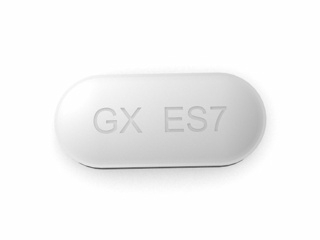
| Common forms | Tablets and granules/suspension (depending on strength and product) |
| Typical dosing frequency | Often twice daily (frequency and duration vary by indication) |
| What it treats | Bacterial infections (not viruses such as colds/flu) |
| Key precautions | Allergy to cephalosporins/penicillins, kidney function, drug interactions |
What is cefuroxime and how does Ceftin work?
Cefuroxime is a bactericidal antibiotic, meaning it kills bacteria rather than merely stopping their growth. It works by interfering with the bacteria’s ability to build and maintain their cell walls.
Specifically, cefuroxime targets penicillin-binding proteins (PBPs), which are required for cell wall synthesis. When cell wall formation is disrupted, bacteria become unstable and die.
Mechanism of action (simple explanation)
- Goal: stop bacterial cell wall production.
- Effect: bacteria cannot multiply effectively and are eliminated.
- Limits: it does not work against viruses (e.g., common cold or influenza).
Pharmacokinetics: how your body handles cefuroxime
Pharmacokinetics describes how the medicine is absorbed, distributed, metabolised, and removed from the body. While exact numbers can vary by formulation and patient factors, the overall patterns are important for safe use.
Absorption
Cefuroxime tablets are generally absorbed from the gastrointestinal tract. Absorption may be influenced by food, and taking cefuroxime with food is often recommended for improved tolerability and absorption (specific instructions depend on the product and dose).
Distribution
After absorption, cefuroxime distributes into body tissues and fluids, helping it reach sites of infection where susceptible bacteria are present.
Metabolism
Cefuroxime is not extensively metabolised. It largely remains active in the body.
Elimination (excretion)
Cefuroxime is primarily eliminated via the kidneys. If you have reduced kidney function, dosing adjustments may be needed to help prevent excessive levels.
Typical uses in clinical practice
Ceftin (cefuroxime) is used for infections caused by susceptible bacteria. Common infection types include certain:
- Ear, nose and throat (ENT) infections
- Respiratory infections
- Skin and soft tissue infections
- Urinary tract infections
The exact suitability of cefuroxime depends on the suspected organism, local antibiotic guidance, and sometimes lab testing (such as culture and sensitivity). Your clinician may choose it based on your symptoms and medical history.
Indications (what it’s commonly prescribed for)
“Indication” means the specific conditions the medicine is intended to treat. Ceftin may be used for a range of bacterial infections, for example:
- Acute bacterial infections in the upper respiratory tract (where antibiotic treatment is appropriate)
- Otitis media (middle ear infection) in certain circumstances
- Sinusitis when bacterial infection is considered
- Some cases of bronchitis or other respiratory infections when caused by susceptible bacteria
- Selected skin infections
- Some urinary tract infections
If your symptoms are caused by a virus, antibiotics won’t help. If you’re unsure whether your infection is bacterial, seek medical advice.
How to take Ceftin: timing, duration, and missed doses
How you take Ceftin depends on the strength of the product, your age, the infection being treated, and your kidney function. Always follow the dosing schedule provided with your medicine.
Typical timing
- Often taken twice daily (about 12 hours apart), but this may vary.
- Try to take doses at regular times to keep antibiotic levels steady.
- With food is frequently recommended to support absorption and reduce stomach upset (follow your specific product directions).
With or without food?
Food can affect absorption and tolerability. Many people are advised to take cefuroxime with meals. If your medicine label says to take with food, do so consistently. If your label differs, follow the label instructions.
Missed dose
If you miss a dose:
- Take it when you remember if it’s not close to the next dose.
- If it’s near the next dose, skip the missed dose and continue as scheduled.
- Do not double up to make up for a missed dose.
How long to use it
Don’t stop early even if you feel better. Finishing the prescribed course helps reduce the risk that the infection returns or worsens.
If you’re not improving within the expected timeframe, or symptoms worsen, contact a healthcare professional.
Food interactions and what to watch for
For most people, cefuroxime can be taken with food. There are no common “must-avoid” foods, but these points help you use the medicine comfortably and consistently:
- Take with food if your label instructs this.
- Stay hydrated, especially if you have vomiting or diarrhoea.
- If you have stomach upset, taking with a meal may help.
- Avoid excessive alcohol (see below), which can worsen dehydration and side effects.
Alcohol and medicine interactions
Many antibiotics can cause stomach side effects, and alcohol can make those effects worse. While cefuroxime itself is not commonly associated with a classic “disulfiram-like” reaction, it is still safest to minimise alcohol during treatment.
- Best approach: avoid or limit alcohol while taking Ceftin.
- If you choose to drink: keep it small and monitor for increased nausea, dizziness, or diarrhoea.
- Do not rely on alcohol to “help” with infection—antibiotics should be taken as directed.
Other medicine interactions (important)
Drug interactions can change how cefuroxime works or increase side effects. Tell your pharmacist or doctor about all medicines and supplements you use, including herbal products.
Medicines that may interact
- Probenecid (used for gout): can increase levels of some antibiotics by reducing kidney clearance.
- Anticoagulants (e.g., warfarin): antibiotics can sometimes affect bleeding risk through changes in gut flora. Monitoring may be needed.
- Other nephrotoxic medicines: if you take medicines that can affect kidney function, kidney safety matters.
- Oral contraceptives (indirectly): severe diarrhoea or vomiting from any cause may reduce absorption. Use extra precautions if you have significant gastrointestinal upset.
Lab test interactions
Some antibiotics can affect certain lab tests. If you have tests during treatment, inform the clinician or laboratory that you are taking cefuroxime.
Safety profile: side effects and when to seek help
Most people tolerate cefuroxime well. However, like all medicines, Ceftin can cause side effects. If you experience severe reactions, stop and seek urgent medical attention.
Common side effects
- Diarrhoea (mild to moderate)
- Nausea or stomach upset
- Headache
- Vaginal thrush or oral thrush (fungal overgrowth)
- Skin rash (mild)
Seek urgent medical help if you have
- Signs of allergy: swelling of face/lips, difficulty breathing, wheezing, severe rash, blistering, or fainting.
- Severe or persistent diarrhoea (especially watery or bloody diarrhoea), abdominal cramping, fever.
- Severe skin reactions (e.g., peeling skin, widespread blisters).
Allergy and cross-reactivity
If you’ve previously had an allergic reaction to cephalosporins or penicillins, discuss this with a healthcare professional. People with a history of severe immediate hypersensitivity reactions may require an alternative antibiotic.
Kidney considerations
Because cefuroxime is eliminated by the kidneys, dosing may be adjusted for reduced kidney function. If you have chronic kidney disease or you’re elderly, monitoring may be particularly important.
Dosing guidance: how much is usually used?
Dosing varies depending on the infection, severity, age, and kidney function. The information below is general and not a substitute for the directions on your product label.
Adults (general pattern)
Many common adult regimens are taken twice daily, with dosage strength based on the infection type.
Children
For children, dosing is often based on body weight and the specific infection. Using the correct formulation and measuring method is important, especially for liquid preparations.
Renal impairment
If you have reduced kidney function, the dosing interval or dose may need adjustment. This helps prevent antibiotic accumulation and reduces side effect risk.
Tip: If you’re unsure about your dose schedule (for example, the difference between tablet strength options), check the medication label or ask your pharmacist.
Practical use tips (to improve outcomes)
- Complete the course: even if you feel better, finish the prescribed duration.
- Take at consistent times: set reminders if needed.
- With food if advised: this may reduce stomach upset and improve tolerability.
- Stay hydrated: helps if you experience mild diarrhoea or nausea.
- Don’t share antibiotics: they are specific to an individual’s infection and dosing plan.
- Keep away from extra use: avoid taking antibiotics “just in case”.
- Monitor symptoms: if fever persists or symptoms worsen after a reasonable period, seek advice.
What to do if side effects occur
Mild nausea or diarrhoea often improves as your body adjusts. Taking doses with food and drinking fluids may help. If symptoms are moderate or severe, or if you develop signs of allergy or significant diarrhoea, seek medical advice promptly.
Probiotics and diarrhoea
Some people use probiotics to help reduce antibiotic-associated diarrhoea. Evidence varies, and products differ. If you consider probiotics, discuss timing with your pharmacist—some may be taken with a spacing from antibiotics.
Alternative options
If cefuroxime is not suitable (for example, due to allergy, intolerance, or resistant bacteria), clinicians may consider alternative antibiotics depending on the infection type and local guidelines.
Alternatives may include other antibiotic classes such as:
- Other cephalosporins
- Penicillins (when appropriate and tolerated)
- Macrolides
- Tetracyclines
- Other targeted treatments based on susceptibility
The best alternative depends on the suspected bacteria, severity of illness, kidney function, allergy history, and whether culture results are available.
Australia market and legal context (consumer information)
In Australia, antibiotics are regulated and are dispensed under pharmacy medicines requirements. Availability, product presentation, and prescribing requirements depend on the specific product and strength, as well as current regulatory and clinical guidelines.
For the safest outcome:
- Use antibiotics only when they are appropriate for a bacterial infection.
- Follow professional advice and the directions on the medicine packaging.
- Don’t keep leftover antibiotics for later use.
Recent guidance and antimicrobial stewardship
Australia strongly emphasises antimicrobial stewardship—using antibiotics appropriately to reduce resistance. Current practice guidelines generally encourage:
- Choosing antibiotics only when bacterial infection is likely
- Selecting the narrowest effective therapy when possible
- Using correct dose and duration, and reviewing if symptoms don’t improve
- Encouraging testing when indicated to tailor therapy
If you’re taking Ceftin and your symptoms aren’t improving, it may be important to reassess the diagnosis or consider alternative treatment strategies.
Delivery and availability (online pharmacy considerations)
Availability varies by product strength and formulation. When ordering online, you may be asked to confirm details such as age and relevant medical information, and your order may be processed by a licensed pharmacist depending on the product and applicable regulations.
Typical delivery expectations:
- Processing times: orders are usually prepared after verification.
- Transport: medicines are shipped in appropriate packaging to protect them during transit.
- Delivery timeframe: depends on your location and shipping method.
- Cold-chain: cefuroxime is generally not a special “cold storage” medicine, but always follow label storage instructions.
If your medicine arrives, check that the product name, strength, and expiry date match your order. Store it as directed on the label.
Storage information
- Store at room temperature as directed on the packaging.
- Keep medicines in their original packaging to protect from moisture and light.
- Keep out of reach of children.
- For liquid preparations: follow the label instructions on reconstitution and storage after mixing.
FAQ: Ceftin (cefuroxime) – patient questions
1. Is Ceftin for colds or flu?
No. Ceftin is an antibiotic and works against bacteria, not viruses. Colds and flu are usually caused by viruses, so antibiotics typically do not help.
2. How soon will I feel better?
Some improvement can occur within 48–72 hours for susceptible bacterial infections. If you don’t improve, worsen, or develop severe symptoms, contact a healthcare professional.
3. Can I take Ceftin with food?
Many people are advised to take cefuroxime with food to improve tolerability and absorption. Always follow the specific instructions on your product label.
4. What if I miss a dose?
Take it when you remember if it’s not close to the next scheduled dose. If it is close, skip the missed dose. Do not double up.
5. Are there any foods I must avoid?
There are no common “forbidden” foods for cefuroxime. However, consistency matters—follow label instructions for taking with meals, and avoid anything that worsens stomach upset for you personally.
6. Can I drink alcohol while taking Ceftin?
It’s best to avoid or limit alcohol during treatment. Alcohol can worsen nausea, dizziness, and dehydration, and may make side effects harder to manage. If you choose to drink, keep it minimal and monitor for adverse effects.
7. What side effects are most common?
Common side effects include diarrhoea, nausea, headache, mild skin rash, and sometimes thrush. Seek urgent help for severe diarrhoea, allergy symptoms, or signs of serious skin reactions.
8. What should I do for diarrhoea?
Mild diarrhoea may settle. Stay hydrated. Seek medical advice urgently if diarrhoea is severe, persistent, watery or bloody, or if you also have fever and significant abdominal pain.
9. Who should be careful using cefuroxime?
Extra caution may be needed for people with a history of serious allergy to cephalosporins or penicillins, those with reduced kidney function, and those taking medicines that affect bleeding risk or kidney clearance.
10. Are there alternatives if I can’t take Ceftin?
Yes. Alternatives depend on the infection and your medical history. Your pharmacist or clinician can discuss suitable options based on your allergy status and likely bacteria.
11. Can Ceftin affect birth control?
Antibiotics generally do not commonly reduce effectiveness of combined oral contraceptives, but severe diarrhoea or vomiting can reduce absorption. If you have significant gastrointestinal upset, consider additional contraceptive precautions and seek advice.
Important reminder
This information is designed to help you understand Ceftin (cefuroxime). It does not replace medical advice. If you have questions about your condition, dosing schedule, or side effects, speak with a qualified healthcare professional.