
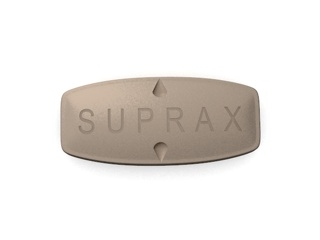


Suprax (Cefixime) – Patient-Friendly Guide (Australia)
Suprax contains cefixime, an antibiotic used to treat certain bacterial infections. This guide is designed to help you understand how Suprax works, how it’s typically taken, what to watch for, and practical considerations for use in Australia.
Important: Antibiotics only treat infections caused by bacteria. They do not work for viral illnesses such as colds and influenza.
Basic Product Information
| Feature | Details |
|---|---|
| Medicine name | Suprax |
| Active ingredient | Cefixime |
| Medicine type | Cephalosporin (beta-lactam) antibiotic |
| Common forms | Tablets and/or oral formulations (availability may vary) |
| Where used | Australia (market availability may vary by brand/strength) |
How Suprax is usually supplied: Your local product pack may include strength information (for example, mg per tablet) and instructions for preparation (particularly for liquid forms, if applicable).
How Suprax Works (Mechanism of Action)
Cefixime belongs to the cephalosporin family of antibiotics. It works by:
- Binding to bacterial cell wall–building proteins (penicillin-binding proteins).
- Disrupting cell wall synthesis, which prevents bacteria from growing and multiplying.
- Leading to bacterial cell death (bactericidal activity).
Cefixime is effective against many common bacteria, but not all infections will respond. Your prescriber’s choice typically depends on the suspected bacteria and your clinical situation.
Pharmacokinetics (How the Body Processes Cefixime)
Understanding basic pharmacokinetics can help you take Suprax more effectively.
- Absorption: Cefixime is absorbed from the gastrointestinal tract.
- Peak levels: After an oral dose, blood concentrations rise and reach peak levels within a few hours (time can vary by formulation and individual factors).
- Protein binding: Cefixime binds to blood proteins to some extent.
- Elimination: Cefixime is primarily eliminated by the kidneys (urinary excretion).
- Half-life: The elimination half-life supports dosing schedules commonly used for cefixime.
Kidney function matters: Because cefixime is cleared mainly by the kidneys, people with reduced kidney function may require dose adjustments or careful monitoring.
Typical Uses (Indications)
Suprax (cefixime) is used for infections caused by susceptible bacteria. Indications can vary by local guidelines and the specific product registration.
Common clinical uses may include:
- Respiratory tract infections such as some cases of bacterial bronchitis or community-acquired infections (where cefixime is appropriate).
- Ear infections (otitis media) in selected situations.
- Sinus infections (sinusitis) when bacterial infection is suspected.
- Urinary tract infections (UTIs) due to susceptible organisms.
- Some sexually transmitted infections and other infections—where appropriate alternatives are not suitable (specific guidance and local protocols apply).
Note: The most appropriate antibiotic depends on the suspected pathogen, local resistance patterns, allergy history, severity of illness, and patient factors.
Timing and How to Take Suprax
General timing
Many cefixime regimens are taken once or twice daily depending on the prescribed dose and infection type. To keep blood levels steady, it helps to:
- Take doses at evenly spaced times.
- Use a consistent routine (for example, morning and evening).
- Finish the course even if you feel better (unless your clinician advises stopping).
With or without food
Food can affect absorption for some antibiotics, but cefixime can generally be taken with or without food.
Practical approach: If you find the medicine upsets your stomach, taking it with food may improve comfort.
Food Interactions
For cefixime, food is usually not a major barrier to use. However, your overall experience may be improved by choosing the approach that suits your digestion.
- Take with food if you get nausea or stomach discomfort.
- Avoid missing doses around meal times—consistency matters.
- Stay hydrated, particularly if treating urinary symptoms.
If you are using a liquid formulation, check the product label for any specific preparation instructions (e.g., shaking, measuring accurately, or storage).
Alcohol and Medicine Interactions
Alcohol
There is no universal requirement to avoid alcohol with cefixime, but drinking alcohol can:
- Worsen dehydration or stomach upset.
- Make it harder to manage side effects (such as nausea or diarrhoea).
- Potentially reduce overall recovery by affecting sleep and immune response.
Recommendation: Keep alcohol intake minimal during treatment, and avoid if it makes you feel unwell.
Interactions with other medicines
Always tell your healthcare professional about all medicines and supplements you use. Important interaction considerations for cefixime may include:
- Other antibiotics: Combining antibiotics is not usually done without guidance.
- Probenecid: Medicines that affect kidney handling of drugs may change cefixime levels.
- Warfarin and blood thinners: Some antibiotics can increase bleeding risk in certain people. Close monitoring may be necessary.
- Antacids containing aluminium or magnesium: These can sometimes reduce absorption of certain antibiotics; spacing doses may be advised.
- Diuretics and kidney-impacting medicines: Because cefixime is cleared by the kidneys, kidney function should be considered.
Lab test effects: Antibiotics can sometimes influence certain tests (for example, urine glucose or blood clotting monitoring). Inform healthcare providers that you’re taking cefixime if tests are being performed.
Dosing (Adult and Child Information)
Dose recommendations depend on:
- Type of infection
- Severity
- Age and weight (especially in children)
- Kidney function
- Local product strength/formulation
Because dosing varies, always follow the instructions on your specific Suprax pack and any healthcare guidance provided.
Typical dosing patterns
Cefixime is commonly prescribed in regimens such as:
- Once daily in some situations
- Twice daily in other situations
For children, dosing is often calculated by body weight. For adults, dosing may be adjusted based on kidney function.
Kidney impairment: If you have reduced kidney function, your dose and/or dosing interval may need adjustment to reduce side effects and maintain effectiveness.
Missed dose
- If you forget a dose and it’s close to the next dose time, skip the missed dose.
- Do not take a double dose to make up for it.
- Contact your pharmacist or clinician for advice if you’re unsure.
Stopping early
Completing the full course helps reduce the chance that infection returns or becomes harder to treat.
Safety Profile and Side Effects
Like all medicines, Suprax can cause side effects. Many are mild and resolve as your body adapts, but some require prompt medical attention.
Common side effects
- Diarrhoea (sometimes mild)
- Nausea or stomach discomfort
- Headache
- Rash or mild skin reactions
- Vaginal itching/discharge (possible yeast overgrowth in some people)
Less common but important reactions
- Severe skin reactions (such as blistering, peeling, or widespread rash)
- Allergic reactions including swelling of face/lips, breathing difficulty, or widespread hives
- Severe or persistent diarrhoea (especially watery or bloody diarrhoea)
- Signs of liver issues (yellowing of eyes/skin, dark urine, severe fatigue)
- Kidney issues (reduced urination, marked swelling—less common but important)
Seek urgent medical help if
- You have symptoms of an allergic reaction (difficulty breathing, swelling, severe rash).
- You develop severe diarrhoea or diarrhoea that doesn’t improve.
- You experience signs of dehydration (dizziness, very dry mouth, reduced urination).
Allergy and cross-reactions
If you have had an allergy to cephalosporins (or certain penicillin antibiotics), tell your pharmacist or clinician. Cross-reactivity can occur in some individuals.
Practical Use Tips (Getting the Best Results)
- Take it consistently: Use alarms or phone reminders if you struggle with timing.
- Stay hydrated: Particularly if you’re experiencing diarrhoea or urinary symptoms.
- Manage stomach upset: If you feel nauseated, taking doses with food may help.
- Don’t skip or stop early: Completing the course supports successful treatment.
- Monitor symptoms: If symptoms don’t improve after a short period (often 48–72 hours, depending on infection), seek advice.
- Keep an eye on diarrhoea: Mild loose stools can happen, but severe diarrhoea needs medical assessment.
For liquid formulations: If your product is supplied as a suspension, shake well (if instructed), measure with an appropriate dosing device, and follow storage directions.
Alternative Options
Depending on the infection and local antibiotic guidelines, alternatives may include other antibiotics or non-antibiotic supportive care.
Possible antibiotic alternatives (examples)
- Amoxicillin or amoxicillin-clavulanate for certain respiratory or ear infections (where appropriate).
- Trimethoprim-sulfamethoxazole (for some UTIs, depending on resistance and suitability).
- Nitrofurantoin (often used in uncomplicated UTIs, subject to local guidance and kidney function).
- Macrolides such as azithromycin/clarithromycin in specific respiratory indications or allergy scenarios.
- Other cephalosporins (for certain infections where cefixime is not the best fit).
Your healthcare professional selects alternatives based on the most likely bacteria, your medical history (including allergies), infection severity, and local resistance patterns.
Market and Legal Context for Australia
In Australia, antibiotic use is regulated through the medicines scheduling system. Medicines like Suprax (cefixime) are subject to Australian pharmaceutical and dispensing rules.
Antibiotic stewardship: Australian health authorities emphasise appropriate antibiotic use to:
- Reduce side effects and adverse events.
- Limit antibiotic resistance.
- Ensure antibiotics remain effective for future infections.
Guidance sources: Treatment approaches often align with national and state/local guidance, including antimicrobial stewardship principles and local clinical pathways.
Dispensing and supply: An online pharmacy in Australia may require patient eligibility checks and adherence to legal requirements for antibiotic supply.
Recent Guidance and Antibiotic Stewardship Considerations
Antibiotic recommendations can evolve as resistance patterns change. Across Australia, current themes in antibiotic stewardship include:
- Using antibiotics only when bacterial infection is likely.
- Choosing the narrowest effective option.
- Reviewing early if symptoms do not improve.
- Avoiding unnecessary antibiotic courses for viral illnesses.
- Encouraging adherence (taking the correct dose and completing the course).
If you are unsure whether your infection is bacterial, or you’re concerned antibiotics may not be necessary, speak with a pharmacist or clinician for advice.
Delivery and Availability (Australia)
Availability of Suprax can vary depending on formulation, strength, and supply chain conditions. Online pharmacies typically aim to provide:
- Clear product listing (active ingredient, strength, dosage form).
- Product expiry and storage information.
- Delivery timeframes based on your location.
- Packaging suited to safe transport.
Ordering tips: Before ordering, double-check the strength and whether you’re viewing the correct formulation (tablet vs suspension). If you need a specific dosing device for liquids, confirm what’s included or recommended.
Cold chain: Cefixime products are generally not specialised cold-chain medicines unless a particular brand requires it—always follow the pack instructions.
FAQ
1) What is Suprax used for?
Suprax (cefixime) is used to treat certain bacterial infections. The exact infection types depend on the organism and the clinical situation, as guided by local protocols and your healthcare assessment.
2) How quickly should I feel better?
Many people start to notice improvement within 48–72 hours. If you’re not improving, symptoms worsen, or fever persists, seek advice from a pharmacist or clinician.
3) Can I take Suprax with food?
Yes. Cefixime can typically be taken with or without food. If it upsets your stomach, taking it with food may help.
4) Is it okay to drink alcohol while taking Suprax?
Generally, moderate alcohol is not specifically prohibited for everyone. However, alcohol may worsen side effects like nausea or diarrhoea and may slow recovery. If in doubt, limit or avoid alcohol during treatment.
5) What should I do if I miss a dose?
Take it when you remember unless it’s close to the next dose. Do not double up. If you’re unsure, ask a pharmacist for guidance.
6) Can I stop Suprax when I feel better?
It’s usually recommended to complete the full prescribed/pack instructions course so the infection is fully treated. Stopping early can increase the risk of relapse or resistance.
7) What side effects are most common?
Common side effects include diarrhoea, nausea, headache, mild rash, and sometimes yeast-related symptoms. Severe diarrhoea or allergic reactions require urgent attention.
8) Who should be extra cautious?
People with kidney problems, a history of severe allergies to beta-lactam antibiotics (cephalosporins/penicillins), or those taking medicines that affect blood thinning (e.g., warfarin) should be assessed carefully.
9) Are there alternatives to Suprax?
Yes. Depending on the infection, alternatives may include other antibiotics or supportive care. Your healthcare professional will consider local resistance and your medical history.
10) Where can I find product details for my specific Suprax pack?
Always refer to the pack label and consumer medicine information (CMI) included with your product for precise instructions on dosage, administration, storage, and warnings.
When to Seek Medical Help
Contact a pharmacist, general practitioner, or emergency services if you experience:
- Signs of an allergic reaction (swelling, trouble breathing, severe rash).
- Severe watery or bloody diarrhoea, especially with fever or abdominal pain.
- No improvement or worsening symptoms after a reasonable period.
- Severe dehydration symptoms.
Remember: If you have questions about whether Suprax is suitable for you, or if you’re unsure how to take it correctly, a pharmacist can help you understand your specific product and regimen.