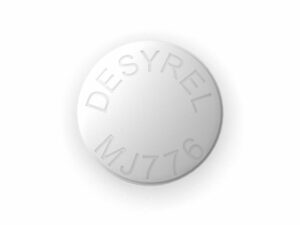


Abilify (Aripiprazole) — Patient-Friendly Guide (Australia)
Abilify® (aripiprazole) is an antipsychotic medicine used to treat a range of mental health conditions. This page explains how aripiprazole works, what to expect, how it is usually taken, and important safety information. It is written for general information and does not replace advice from a qualified healthcare professional.
Basic product information
| Item | Details |
|---|---|
| Generic name | Aripiprazole |
| Brand name | Abilify® |
| Medicine type | Second-generation (atypical) antipsychotic |
| Common dosage forms (varies by product) | Tablets, oral solution (and in some settings, extended-release injections for certain indications) |
| Typical dosing frequency | Often once daily for oral formulations |
| Who it may be used for | Schizophrenia and other conditions depending on age and individual circumstances |
Brand formulations and strengths can differ. Always confirm the exact product strength you have received and follow the instructions provided with it.
How Abilify works (mechanism of action)
Aripiprazole helps balance certain brain chemical signals. It works by affecting dopamine and serotonin receptors:
- Partial agonist at dopamine D2 receptors and partial agonist at serotonin 5-HT1A receptors.
- Antagonist at serotonin 5-HT2A receptors.
In practical terms, this “partial agonist” activity may help reduce symptoms such as hallucinations, delusions, mood instability, and irritability for some people—while potentially having a different side-effect pattern compared with older antipsychotics.
Pharmacokinetics: how the body processes aripiprazole
Pharmacokinetics describes absorption, distribution, metabolism, and elimination. Key points include:
- Absorption: Oral aripiprazole is absorbed from the gastrointestinal tract.
- Peak levels: Blood levels generally peak a few hours after a dose (exact timing can vary between people).
- Metabolism: Aripiprazole is mainly metabolised in the liver, especially by the CYP2D6 and CYP3A4 enzyme systems.
- Active metabolite: An active metabolite (dehydro-aripiprazole) contributes to overall effect.
- Elimination: The medicine and metabolites are eliminated largely via urine and faeces.
- Half-life: Aripiprazole has a prolonged half-life, which supports once-daily dosing for many people.
Because of liver enzyme involvement, certain medicines that affect CYP2D6 or CYP3A4 can change aripiprazole levels in the body. This is important for safety and effectiveness.
Typical use and common indications
The specific condition(s) Abilify is used for depend on age, diagnosis, and individual risk/benefit factors. In Australia, aripiprazole has approved uses that may include:
- Schizophrenia (in adults, and in some age groups depending on the product/indication).
- Acute manic or mixed episodes associated with bipolar disorder (age-dependent).
- Maintenance treatment of bipolar disorder (age-dependent).
- Irritability associated with autistic disorder (where indicated and age-dependent for specific formulations).
- Adjunctive treatment in major depressive disorder (typically used “add-on” with an antidepressant in selected situations).
If you’re unsure why it was selected for you, ask your pharmacist or prescriber to explain the purpose in plain language.
When to take Abilify (timing and routine)
Many people take aripiprazole once daily. Timing can influence comfort and side effects:
- Consistent daily timing helps maintain steadier effects.
- If you feel more energised or restless after a dose, many people prefer taking it earlier in the day.
- If you feel drowsy (less common for some), taking it at night may help. Individual response varies.
- Missed dose: Follow your medication instructions. In general, don’t double up. If unsure, ask your pharmacist.
Starting effects can vary. Some symptoms may improve sooner, while mood stability or psychosis symptom changes can take weeks. It is important to keep taking it as directed even if you feel better early, unless advised otherwise.
Food interactions: can you take it with meals?
Aripiprazole can usually be taken with or without food. Food does not typically create clinically significant changes for most people.
- Take your dose the same way each day (with or without food) to support routine.
- If you experience stomach upset, taking it with a light meal may help.
Alcohol and medicine interactions
Alcohol
It’s generally recommended to limit or avoid alcohol while taking antipsychotic medicines. Alcohol can worsen side effects such as drowsiness, dizziness, poor coordination, and impaired judgment.
Other medicines that can interact
Aripiprazole is metabolised by liver enzymes. Medicines that affect these enzymes can change aripiprazole levels, potentially affecting effectiveness or increasing side effects.
Important interaction groups include:
- CYP2D6 inhibitors (may raise aripiprazole levels). Examples can include some antidepressants and certain heart medicines.
- CYP3A4 inhibitors/inducers (may raise or lower levels depending on the medicine).
- Other central nervous system medicines: some sedatives, hypnotics, opioids, and antihistamines can add to drowsiness.
- Antidepressants: used in combination for some indications; safety depends on the exact regimen.
- Medicines affecting blood pressure: if you’re prone to dizziness on standing, combined effects can increase risk of faintness.
For safety, tell your pharmacist or prescriber about all medicines you take, including:
- prescription medicines
- over-the-counter products (including cold/flu medicines)
- herbal supplements (for example, St John’s wort)
- recreational substances
Because interaction severity depends on your personal regimen, always confirm compatibility before starting or stopping anything.
Dosing: common approaches and practical guidance
Dosing is individual. Your doctor will determine the correct dose based on your diagnosis, age, response, and side effects. The information below is general and not a substitute for your specific prescription instructions.
General dosing principles
- Start low and adjust: Many patients begin at a lower dose and are titrated upward.
- Once daily for oral forms: Typical schedule is once per day, at the same time each day.
- Adjust for interactions: If you take strong enzyme inhibitors/inducers, dosing may need change.
- Do not stop suddenly: Abrupt stopping can lead to symptom relapse in some people.
Typical titration (high-level)
In clinical practice, aripiprazole dosing often follows structured titration schedules for different conditions. Exact starting and maximum doses vary by indication and formulation (tablet vs oral solution, etc.).
If you share your dose strength and condition with your pharmacist, they can help explain how your regimen fits your treatment plan.
Safety profile: what to know before and during treatment
Like all medicines, Abilify can cause side effects. Many people tolerate it well, but it is important to know what to watch for. Seek urgent medical help if you experience severe or rapidly worsening symptoms.
Common side effects
- Akathisia (inner restlessness) or feeling unable to sit still
- Headache
- Nausea
- Sleep changes (insomnia or sleepiness in some people)
- Dizziness
- Constipation
Metabolic and weight-related effects
Second-generation antipsychotics can sometimes affect metabolism. Your prescriber may monitor:
- weight and waist circumference
- blood sugar (glucose)
- cholesterol and triglycerides
- blood pressure
Not everyone experiences significant weight gain, but monitoring is important.
Movement-related effects
- Extrapyramidal symptoms (EPS): tremor, stiffness, or slowed movement
- Tardive dyskinesia (rare but important long-term risk with some antipsychotics): involuntary movements, often after prolonged use
Serious but uncommon risks
- Neuroleptic Malignant Syndrome (NMS): fever, muscle stiffness, confusion, and autonomic instability. This requires urgent emergency care.
- Severe allergic reactions: swelling of face/lips, breathing difficulty, rash with swelling. Seek urgent help.
- Suicidal thoughts or worsening mood: if you notice changes in mood or thoughts of self-harm, contact a healthcare professional promptly.
- Orthostatic hypotension (dizziness/fainting when standing) especially if you’re dehydrated or on blood pressure medicines.
- Impulse control problems: unusual urges such as gambling or compulsive spending/sexual behaviour have been reported. Report any new urges promptly.
When to get urgent medical attention
Contact emergency services or seek urgent care if you have:
- trouble breathing, severe swelling, or anaphylaxis-type symptoms
- high fever with severe muscle stiffness or confusion
- fainting, severe dizziness, or chest pain
- new or worsening suicidal thoughts or self-harm urges
Practical use tips for getting the best results
- Build a routine: Use an alarm or a medication calendar to avoid missed doses.
- Track side effects: If you notice restlessness, sleep changes, or nausea, write down timing and severity. This helps your clinician adjust the plan.
- Don’t skip monitoring: Attend scheduled check-ups, blood tests, and weight/metabolic monitoring if requested.
- Be consistent with formulation: If you switch brands or forms (tablet vs solution), confirm any dose equivalence with your pharmacist.
- Avoid abrupt changes: Starting/stopping interacting medicines (including herbal products) can affect aripiprazole.
- Stay hydrated and rise slowly: If you feel dizzy, take extra care when standing up.
If you have trouble swallowing tablets, ask about the availability of alternative formulations and how they compare.
Alternative options to discuss with your healthcare professional
Depending on your condition and previous response, alternatives may include other antipsychotic medicines or different treatment strategies. Examples of medication classes and common options include:
- Other atypical antipsychotics: options vary by condition and patient factors.
- Different dosing strategies: for example, long-acting formulations are used in some settings to improve adherence.
- Psychological therapies: for certain conditions, combining medication with therapy may improve outcomes.
- For depression augmentation: other augmentation strategies may be considered depending on your case.
Your prescriber can help compare benefits and risks, including likely side effects and monitoring needs.
Market and legal context in Australia
Abilify (aripiprazole) is an established medicine in Australia and is regulated under Australian pharmaceutical requirements. Supply and use are governed by relevant medicines legislation and quality standards, including standards for medicines on the Australian market.
In practice, aripiprazole is typically provided through standard Australian healthcare pathways, and availability can depend on:
- the specific formulation and strength
- stock levels and distribution
- clinical eligibility based on approved indications
Always ensure you obtain medicines through lawful, reputable channels to reduce the risk of counterfeit products.
Recent guidance and monitoring considerations
Guidance for antipsychotic use commonly emphasises:
- Regular review of the need for ongoing treatment, dose optimisation, and side-effect management.
- Metabolic monitoring (weight, glucose, lipids, blood pressure) due to potential metabolic effects.
- Assessment for movement disorders and early recognition of unusual involuntary movements.
- Safety education for patients and carers—especially for symptoms requiring urgent attention.
- Attention to interactions when starting or stopping other medicines.
If you’re taking Abilify long-term, your healthcare team may schedule periodic assessments tailored to your risks.
Delivery and availability (online pharmacy)
Availability of Abilify can vary by dose strength and formulation. With online pharmacies in Australia, delivery timelines typically depend on your location, stock status, and courier service.
- Stock confirmation: Some strengths may be limited; our pharmacy listing should reflect current availability.
- Delivery areas: Delivery coverage depends on the pharmacy’s service region.
- Packaging: Medicines are generally dispatched in secure packaging suitable for pharmacy supply chains.
To reduce delays, ensure your address and contact details are up to date. If a medicine is temporarily unavailable, a pharmacy may offer options such as an alternative strength or formulation (where clinically appropriate).
FAQ
1. What is Abilify used for?
Abilify (aripiprazole) is used for mental health conditions such as schizophrenia, bipolar disorder (including acute manic/mixed episodes and maintenance in selected patients), irritability associated with autistic disorder (age-dependent), and sometimes as an add-on treatment for major depressive disorder in selected cases. Your specific indication depends on your diagnosis and treatment plan.
2. How long does Abilify take to work?
Some improvements may be noticed within days to weeks, but full benefits can take longer—often several weeks. Mood or psychosis symptoms may stabilise gradually. Keep taking it consistently and discuss changes with your healthcare professional.
3. Can I take Abilify with food?
Yes. Abilify can usually be taken with or without food. Choose the option that suits your routine.
4. Should I avoid alcohol?
It’s best to limit or avoid alcohol. Alcohol may worsen side effects such as drowsiness, dizziness, and impaired judgment.
5. What medicines should I be careful with?
Tell your pharmacist about all medicines and supplements, particularly those that may interact with liver enzymes (CYP2D6 and CYP3A4), sedating medicines, and any new or stopped medicines. Avoid starting new products without checking for interactions.
6. What should I do if I miss a dose?
Follow the instructions provided with your medicine or those given by your healthcare professional. In many cases, you should not take a double dose. If you’re unsure, ask your pharmacist for advice.
7. Are there common side effects I should watch for?
Yes. Common side effects can include restlessness (akathisia), headache, nausea, constipation, dizziness, and sleep changes. Report bothersome or severe side effects promptly, especially restlessness or movement symptoms.
8. Can Abilify cause weight gain?
Some people experience weight changes. Aripiprazole may have a different risk profile compared with some other antipsychotics, but metabolic monitoring is still recommended as a precaution.
9. Is it safe to stop Abilify suddenly?
Stopping suddenly can lead to symptom worsening or other issues in some people. Don’t stop or change your dose without speaking to your healthcare professional.
10. What monitoring might be needed during treatment?
Monitoring may include weight, blood pressure, blood glucose, and lipid levels. Clinicians may also assess for movement disorders, sleep changes, and overall symptom control.
Summary
Abilify (aripiprazole) is a second-generation antipsychotic used to treat several serious mental health conditions. It works through a balanced action on dopamine and serotonin receptors and is commonly taken once daily. Food interactions are usually minimal, but medicine interactions (especially those affecting liver metabolism) can be important. Regular follow-up and monitoring help ensure the medicine remains safe and effective for your individual needs.
If you have questions about your specific dose, side effects, or interactions, your pharmacist is an excellent first point of contact.